Node Irrigation in Faba Bean Cultivation: Applications and Practical Tips
Introduction: The Necessity of Transitioning to Node Irrigation for Fava Beans
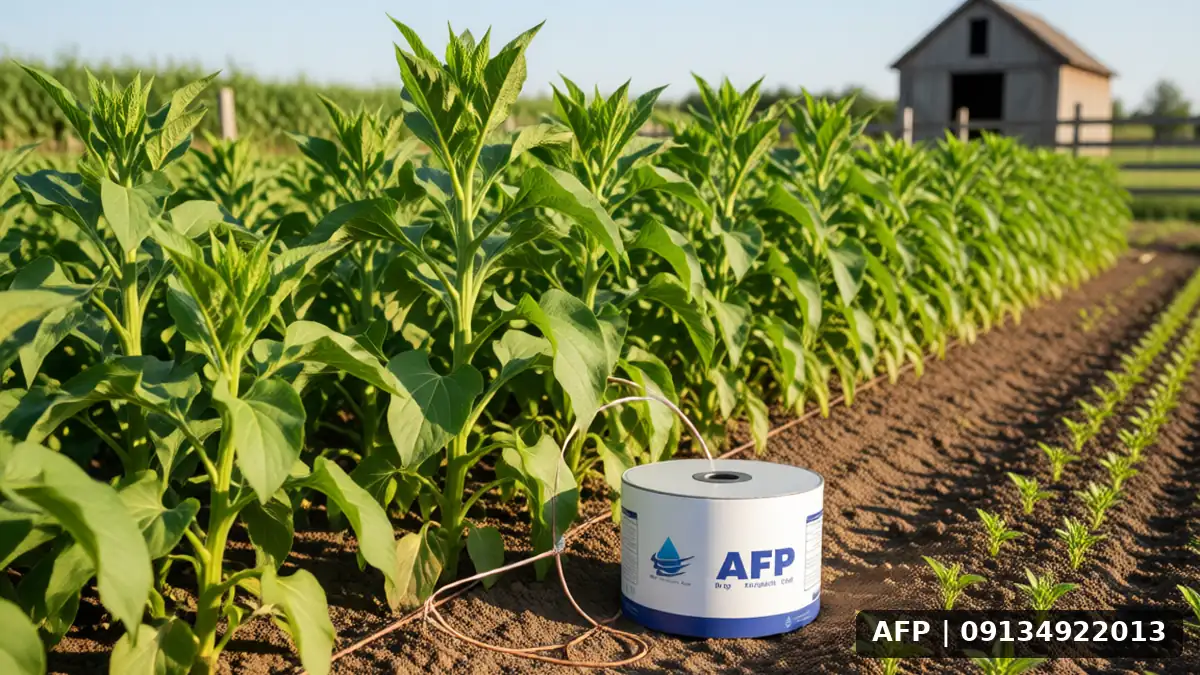
Fava beans, whether grown for cut vegetable, pasture, or seed production, are highly sensitive to water stress and moisture fluctuations. This crop requires precise and regular root-zone nutrient delivery during early growth (stem stage) and pod-filling phases. Conventional irrigation methods, such as flood or spray irrigation, not only waste water but also cause uneven root development, fungal diseases, and occasionally stem breakage. In response to these challenges, Node Irrigation (often offered as Emitter-Node Drip Line or Drip Line with Emitter Node) is recognized as one of the most efficient and precise technologies in modern agriculture.
Node irrigation enables precise, controlled point delivery of water, meaning it is released directly adjacent to the active root zone. This feature helps maintain soil moisture at the optimum level, encouraging roots to expand rapidly toward moist areas. The primary goal of this guide is to provide farmers with a practical roadmap to leverage the benefits of this system in fava bean cultivation without facing technical and maintenance challenges. Additionally, to better understand the differences among various lines and their technical structures, studying the characteristics and features of drip lines may be helpful, as identifying the type of line is the first step in selecting the appropriate node.
Technical Principles and Specialized Applications of Node Irrigation for Fava Beans
1. Fava Bean Pasture (Cut Vegetable) Cultivation
In fava bean pasture cultivation, plant growth rates are high, and the interval between sowing and harvest is short (typically 60 to 90 days). Under these conditions, the determinant of quality is uniform growth and prevention of plant stagnation due to water stress. Node irrigation in this system supports rapid node and lateral stem development by maintaining stable soil surface moisture.
- Root Traffic Control: Due to the tie-line zones, roots concentrate along the line and toward the water source instead of spreading uncontrollably across the entire surface. This reduces the energy plants use to find water, allowing more energy to be directed toward producing green biomass (stems and leaves).
- Rot Prevention: In flooding methods, high moisture at the surface and substrate creates a favorable environment for fungi. Drip irrigation, by keeping only the line edge moist, prevents excessive wetting of the soil surface and rot at the stem base.
- Increased Speed to Harvest Stage: By precisely supplying nutrients through the line, vegetative growth is accelerated, and the green harvest window becomes shorter and more uniform.
2. Dry Bean Cultivation
In dry bean cultivation, the ultimate goal is uniform seed filling and achieving the desired hundred-grain weight. The flowering and seed formation stage is the most sensitive period to water stress. If moisture drops during this stage, seeds remain small, and protein quality decreases. Drip lines create a controlled moisture zone, ensuring that roots have continuous access to water during this critical period.
In addition to water, pea planting density (number of plants per hectare) directly affects root dynamics. At high densities, competition for water between adjacent plants increases. A node irrigation system with regular water distribution reduces this unhealthy competition. To better understand the relationship between planting distance and irrigation method, you can refer to the article Irrigation Methods with Tip Belt Spacing in Wheat ; similar principles apply to the spatial distribution of belts in peas, although their dimensions differ.
Operational Guide: Installation, Adjustment, and Spacing of Nodes
Selection of Geometric Parameters for Node Belts
The success of pea node irrigation begins from the moment of selecting the appropriate belt. Nodes (Emitters) or small nozzles installed in the pipe determine the irrigation pattern.
- Node Spacing (Emitter Spacing): For bush fava beans, an emitter spacing of 20 to 30 centimeters is recommended to ensure uniform root zone coverage. In pastoral cultivation, which involves faster growth, a spacing of 15 to 20 centimeters can be more effective. This spacing should be considered in relation to the emitter output rate.
- Flow Rate: Fava bean emitters should have an output of 1 to 2 liters per hour. Excessive output causes water runoff and soil erosion, while insufficient output leads to plant water stress. Selecting emitters with the appropriate flow rate is key to uniform irrigation.
- Number of lines per row: Typically, one line is installed in the center of the row, or two lines are installed at a distance of 10 to 15 centimeters from the row axis. For dense fava bean stands, using two lines provides better access to lateral roots.
Pressure regulation and network management
Emitter systems require stable and moderate pressure. The ideal emitter output pressure is generally between 1 and 2 bar. If system pressure is too high, emitter discharge stability is disrupted, causing water to exit in jets that can lead to soil erosion and the formation of small pits around the roots. Conversely, low pressure results in incomplete irrigation. Using a Pressure Regulator at the start of the line is essential for protecting the emitters. Also, familiarization with Principles of subsurface irrigation It can help in better understanding pressure distribution in micro and node networks, as the principles of maintaining water flow velocity in pipes do not differ between underground and surface systems.
Soil preparation and compaction
Before laying node lines, the soil must be thoroughly tilled and not compacted. Any clods or lateral pressure from machinery on the pipes can cause geometric changes in the nodes, resulting in water flow non-uniformity. Additionally, overly hard soil prevents water infiltration to depth, forcing roots to remain concentrated at the soil surface, which increases plant susceptibility to drought. Precise harrowing and deep plowing are critical prerequisites for proper node performance.
Fertigation and nutrient management
One of the greatest advantages of node irrigation is the ability to perform precise fertilizer leaching. Fava beans, as a nitrogen-fixing plant (via rhizobia), require little nitrogen, but are sensitive to potassium, calcium, and micronutrients (such as iron and zinc) at specific stages.
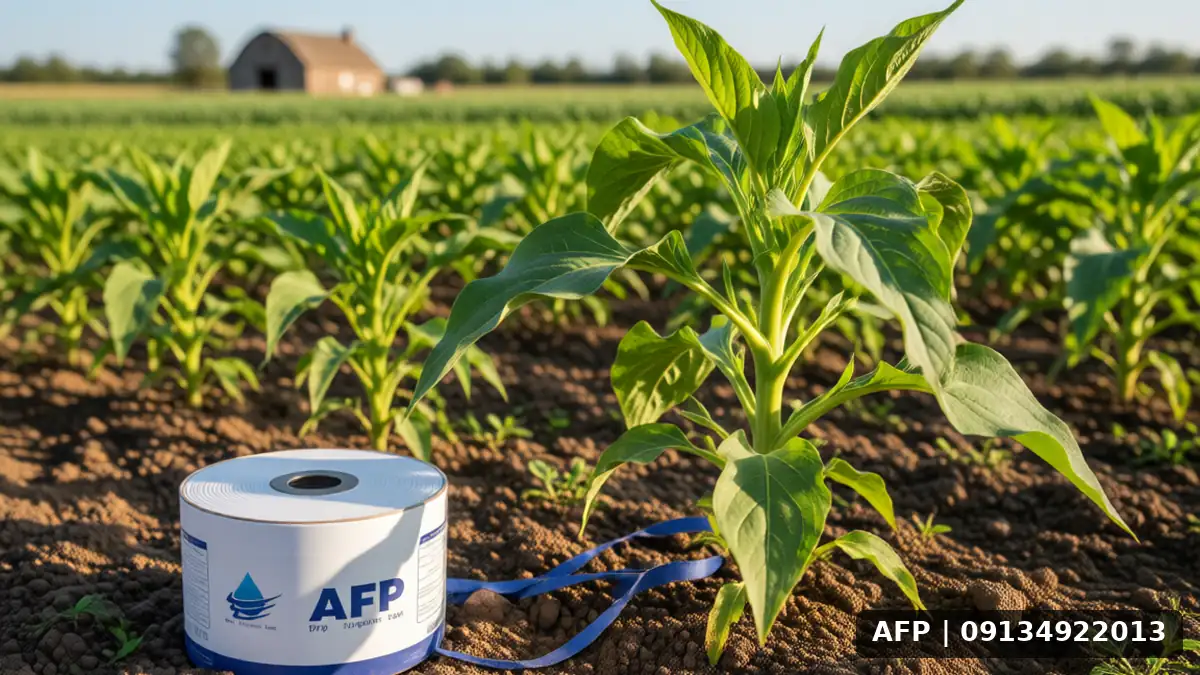
For maximum efficiency, water-soluble fertilizers should be injected through the node line with low but repeated concentrations. This method optimizes root uptake and prevents root burn due to salt accumulation. Fertilization timing must be synchronized exactly with the growth stage. For example, during the vegetative stage, the emphasis is on lower nitrogen and higher potassium, but during the flowering stage, calcium supply is critical to prevent seed growth disorders.
If you are dealing with planting density management and its effect on the nutrient requirements of other crops such as sugar beet, study Sugar beet yield per hectare and influencing factors It can provide a comparative perspective on density and nutrient management. Although the crops are different, the principles of root physiology and the impact of salinity on uptake are similar.
Irrigation scheduling based on growth stages
- Emergence stage (Corm/Seedling): Frequent short irrigation cycles (every 1 to 2 days) to prevent drought stress caused by the small root system.
- Rapid vegetative growth stage: Increase irrigation dose and shorten the interval (every 2 to 3 days) depending on the local climate.
- Grain filling stage: This stage requires peak water demand. Regular irrigation with medium dosage and precise soil moisture monitoring are essential to prevent seed cracking.
FAQ: Common Questions About Irrigation Emitter Heads
Are plastic emitter heads resistant to hard water deposits?
No, most in-line emitters are susceptible to damage to some degree. Magnesium and calcium deposits can clog the emitter’s outlet path. Using fine-mesh disk or screen filters at the start of the system, along with periodic backflushing, is mandatory. Additionally, source water quality plays a significant role in emitter longevity.
What is the optimal distance from the dripper line to the root for Broad Beans?
A distance of 10 to 15 centimeters from the planting row axis is optimal. This distance, close to the soil surface, covers active root zones (including lower nodules) without spraying water onto the plant stem, which would increase the risk of surface fungal diseases.
Can emitters be installed at the same time as seeding?
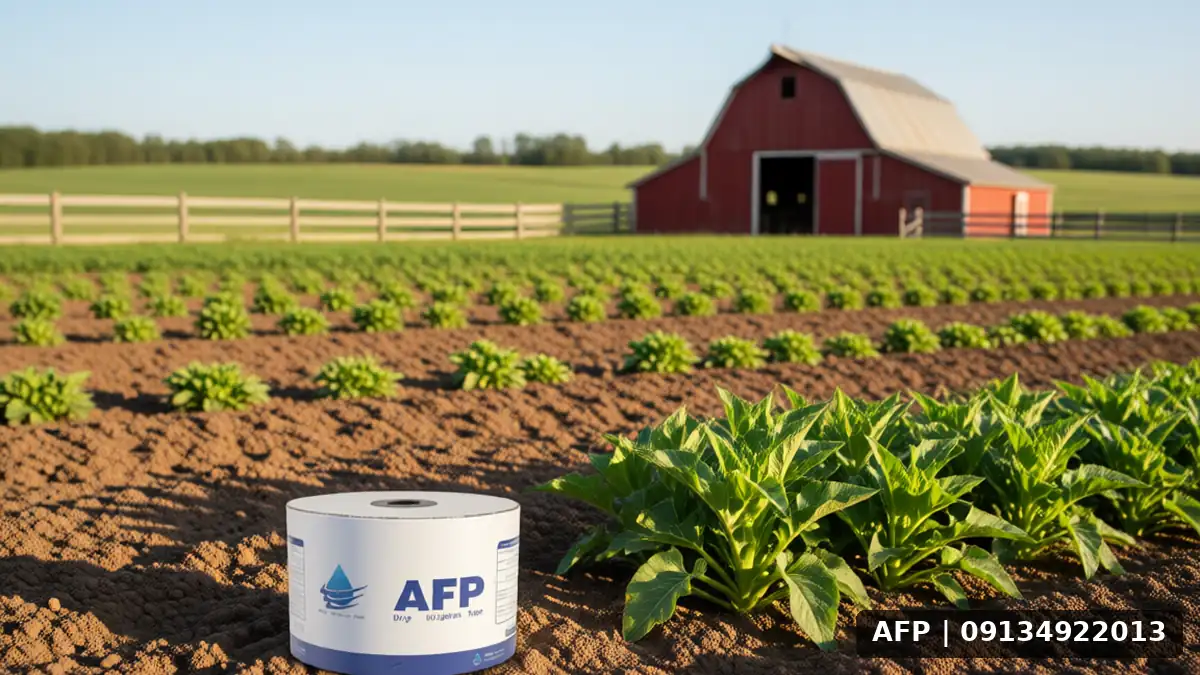
No, in broad bean cultivation, due to small seed size and the sensitivity of seeding machinery, drip tape is typically installed in separate rows with emitters placed on top of it. Broadcasting fertilizer or nutrients alongside the seed is more commonly used in certain brassica crops that are planted with broadcast seeds or specialized equipment. For information on the differences between these systems in other vegetables, you can refer to the article on Factors affecting yield in Black Potatoes Note: Although black potatoes are not broad beans, the principles of root management and seed space are similar.
Summary and Final Recommendations
Emitter-based irrigation for broad beans is a combination of engineering precision and plant physiology understanding. Selecting the appropriate tape and emitters, adjusting pressure correctly, and smart leaching scheduling are the main pillars of success with this method. By following the guidelines provided in this article, including proper emitter spacing and soil bed preparation, you can achieve higher efficiency, reduced water consumption, and improved crop quality.
It is recommended that farmers implement a trial strip across several rows before full field application to familiarize themselves with local soil and water dynamics and optimize dose and frequency parameters. Attention to details, such as filter cleanliness and monitoring pressure at the start and end of the tape lines, will extend the useful life of the equipment and ensure consistent performance in future seasons.
Related articles for further reading: If you are looking to further optimize other crops, studying the yield per hectare of white onions can broaden your perspective on yield comparison in bulb vegetables. Both broad beans and onions require precise moisture management during sensitive stages, and emitter irrigation principles are adaptable to both.