Subsurface Irrigation for Parsley: A Comprehensive Practical Guide
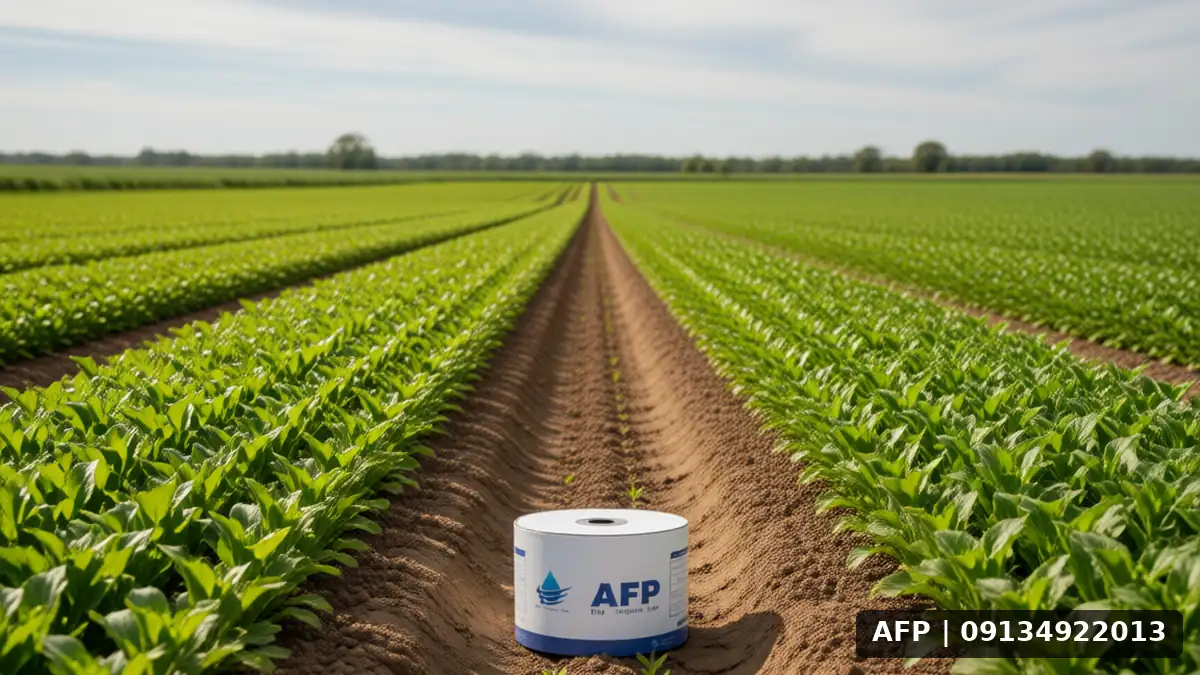
Asparagus cultivation is a high-value crop for both domestic and export markets, requiring precise management of water resources and soil moisture. With its unique root system, asparagus is highly responsive to moisture fluctuations; on one hand, water deficit can cause root asphyxiation and halt shoot growth, while on the other hand, continuous waterlogging creates conditions for fungal and complex diseases. In this regard, the use of modern irrigation systems, particularly subsurface irrigation and advanced drip tape-based methods, are presented as primary solutions to these challenges. These methods not only significantly improve final product quality and extend the productive life of asparagus beds but also prevent severe water waste and reduce physiological root stress by establishing hydraulic equilibrium in soil texture. The objective of this comprehensive guide is to examine the technical details in depth and analyze the benefits and implementation challenges of these systems in asparagus crops, enabling farmers and agricultural engineers to make informed, optimal decisions regarding farm water resource management.
Introduction to subsurface irrigation systems and their compatibility with asparagus
Subsurface irrigation is a modern technique in which water is injected directly into the plant’s root zone, below the soil surface, through pressurized lines. The process is designed to keep the soil surface as dry as possible while saturating the required depth with moisture. In asparagus cultivation, where roots are deep, sensitive, and highly active, achieving this ideal hydraulic equilibrium in the soil profile is of double importance. When the soil surface remains wet, high humidity and reduced oxygen create a favorable environment for the growth of fungal and bacterial pathogens. However, subsurface irrigation allows for more precise control of the root zone environment. Additionally, this system prevents salt accumulation in the root zone (reducing salinity gradients) because root zone leaching is performed more accurately and with greater target precision.
Main and technical benefits for asparagus
- Significant reduction in evaporation: Since water is placed directly at depth and does not infiltrate upward to the soil surface, it is not directly affected by temperature fluctuations or intense solar radiation. This maximizes water use efficiency, particularly in arid and semi-arid regions.
- Uniformity in moisture distribution: Uniform distribution of water and nutrients in the root zone ensures that asparagus spears and crowns grow in a regular and balanced manner, preventing variation in crop weight and diameter.
- Salinity and pH control: Precise management of the water’s chemical composition is made possible. This plays a critical role in preventing salt accumulation near the sensitive asparagus roots.
To better understand how moisture management affects the overall performance of food crops, it is recommended to become familiar with the general principles of crop production. In this regard, studying the guide to food crop yield per hectare can provide a broader perspective on the direct relationship between irrigation methods and the final tonnage harvested from the field. Broccoli, due to its high sensitivity to moisture, is categorized as a crop requiring continuous and precise monitoring of soil moisture.
Implementation and installation of drip tape in broccoli cultivation
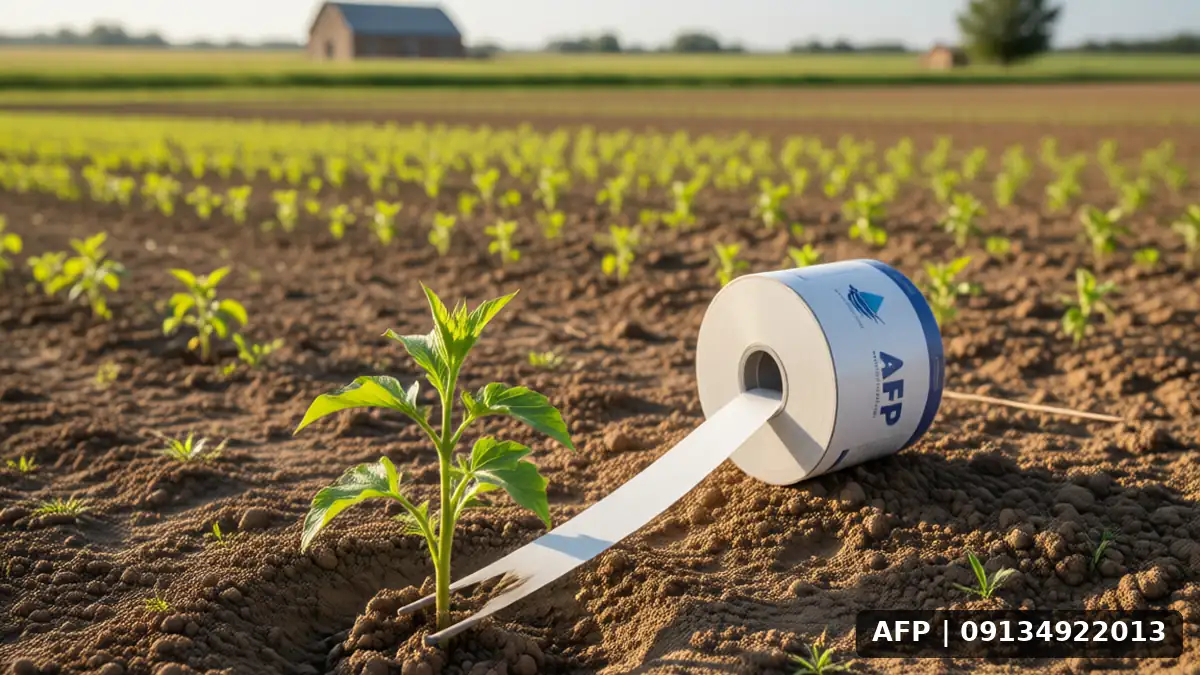
Alongside fully pressurized systems, the use of drip tape (Tape Drip) as a low-cost and highly effective drip irrigation system has attracted the attention of many farmers. Drip tape, by creating irrigation lines parallel to broccoli crop rows, enables precise, uniform, and controlled irrigation. Due to its easy installation and reasonable cost, this system is an ideal choice for medium-sized farms. One of the main challenges in installing this system is understanding the standard distances and planting depths for the tapes. The key point in broccoli cultivation is finding the balance between the burial depth of the drip tape and the root depth, ensuring that the required water reaches the root zone precisely and preventing loss in surface layers. In this area, familiarizing oneself with technical installation principles is strongly recommended. We at Drip Tape Installation Steps have fully explained how this system can be integrated into farms while adhering to safety and technical principles.
Pressure and Flow Rate Management in Drip Tape Systems
To optimize drip tape performance, it is essential to understand the differing behavior of various soils under irrigation pressure. Sandy soils with high permeability require higher flow rates and shorter irrigation durations to prevent water accumulation. Conversely, in clayey and heavy soils, lower pressure and longer irrigation cycles promote better and more uniform water infiltration. Ignoring these physical soil differences can lead to root waterlogging and damage to part of the plant’s root system.
Planning and Designing an Optimal Irrigation System
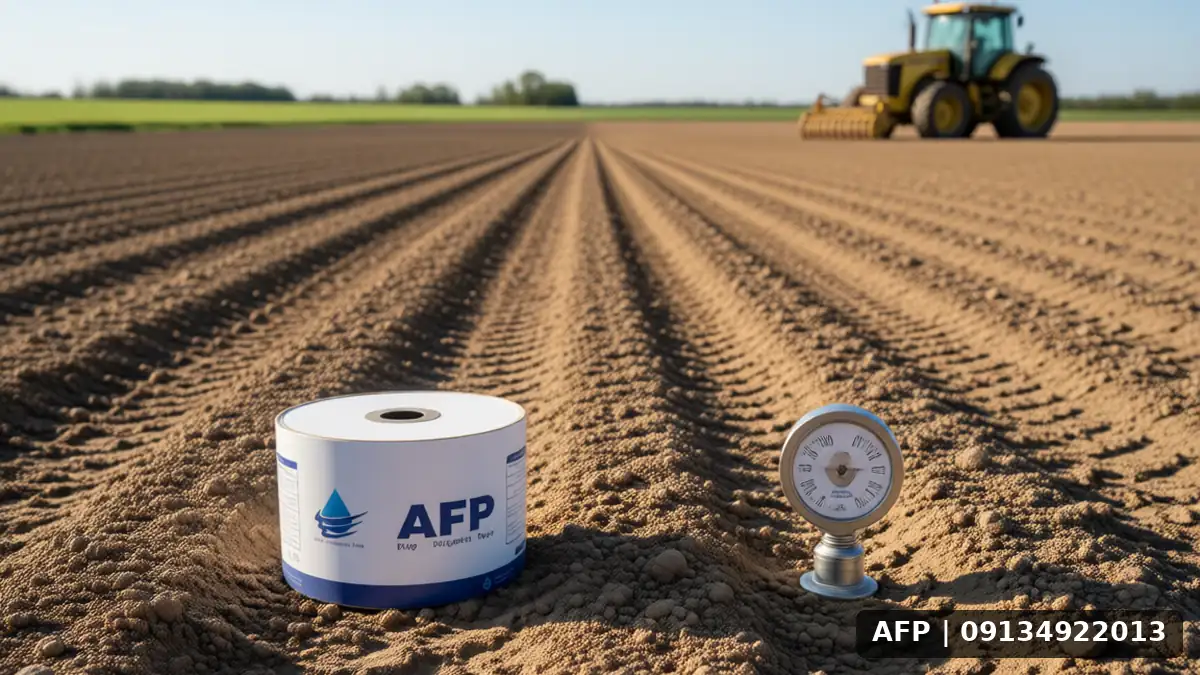
Successful design and implementation of a subsurface or drip tape irrigation system requires detailed analysis of the regional climate, physical and chemical soil properties, and water source availability. Continuous soil moisture monitoring using layer-based Soil Moisture Sensors is a cornerstone of modern water management. These sensors enable precise and automated adjustment of irrigation cycles based on actual crop water needs, preventing irrigation based on arbitrary scheduling. A better understanding of production volume potential and resource management roles can be gained by studying dill yield per hectare, which provides a suitable comparative perspective on the relationship between soil moisture, plant resistance to pathogens, and tonnage increases in edible crops.
Comparative Table of Irrigation Methods for Celery Cultivation
As shown in the table, although the initial installation and setup cost of subsurface and tape drip irrigation systems is higher than surface irrigation, considering the long useful life of these systems (typically 10 to 15 years), significant reduction in water consumption, and above all, the reduction in costs associated with treating fungal diseases caused by surface moisture, selecting pressurized systems is more logical and economically beneficial in the long term. Additionally, reducing fuel consumption for water transfer (in the case of traditional pumping) is another advantage that should be considered.
Practical tips and operational solutions for increasing yield
To achieve maximum production potential and quality in asparagus cultivation, attention to execution details in all stages is essential. One effective strategy to increase income per unit area is optimizing field space using intercropping or utilizing the empty space between rows. In this context, familiarity with the principles of interplanting low-cost, high-profit crops such as alfalfa or wheat can be beneficial; however, it must be noted that asparagus has a distinct root system, and competitive water uptake with deep-rooted crops should not be excessive. Furthermore, regular monitoring of soil health and acid-base balance (pH) plays a key role in the effective uptake of water and nutrients by the roots. Improving soil quality by adding peat or green manure helps maintain the durable root structure of asparagus.
Frequently Asked Questions (FAQ) About Asparagus Irrigation
Is subsurface irrigation suitable for heavy, clayey soils?
Yes, it is fully suitable, but it requires higher pressure settings and very precise moisture monitoring. Because clay soil permeability is low, excessive saturation and the creation of anaerobic conditions must be avoided. The use of moisture sensors in these soils is unavoidable.
What is the service life of drip tape under asparagus cultivation conditions?
With proper maintenance, timely flushing of main lines, and cleaning of tapes to prevent sediment and algae buildup, high-quality drip tapes can last up to 3 to 5 years. In the absence of care, clogging of tape orifices and reduced flow rates will cause localized water deficit in specific field areas and reduce crop quality.
Can subsurface irrigation systems be combined with fertilization (fertigation)?
Yes, this is one of the major advantages of subsurface irrigation. The ability to inject nutrient solutions and liquid fertilizers directly at the root zone maximizes nutrient uptake and prevents surface salinization. This method reduces fertilizer costs and leaves fewer chemical residues in the soil and environment.
Conclusion
The successful and proper implementation of subsurface irrigation and drip strip systems in coriander cultivation requires a combination of technical knowledge, continuous monitoring of soil and water parameters, and precise planning. Although these systems are initially costly and complex to install, they significantly reduce water stress, improve moisture control, prevent diseases, and increase nutrient uptake, leading to notable improvements in final yield quality and quantity. Farmers who invest in these systems benefit in the long term from both economic gains (increased production volume and reduced water and fertilizer costs) and environmental protection. If you require specialized guidance on field layout or equipment selection, consult specialized water and agriculture centers to design the optimal plan based on your region’s specific climatic and hydrological conditions.
Related and Suggested Content: Basil yield guide per hectare, Traction power per hectare, water requirement per hectare, and field layout design for high yield