Why doesn’t carrot seed germinate? An examination of temperature, moisture, and soil crust
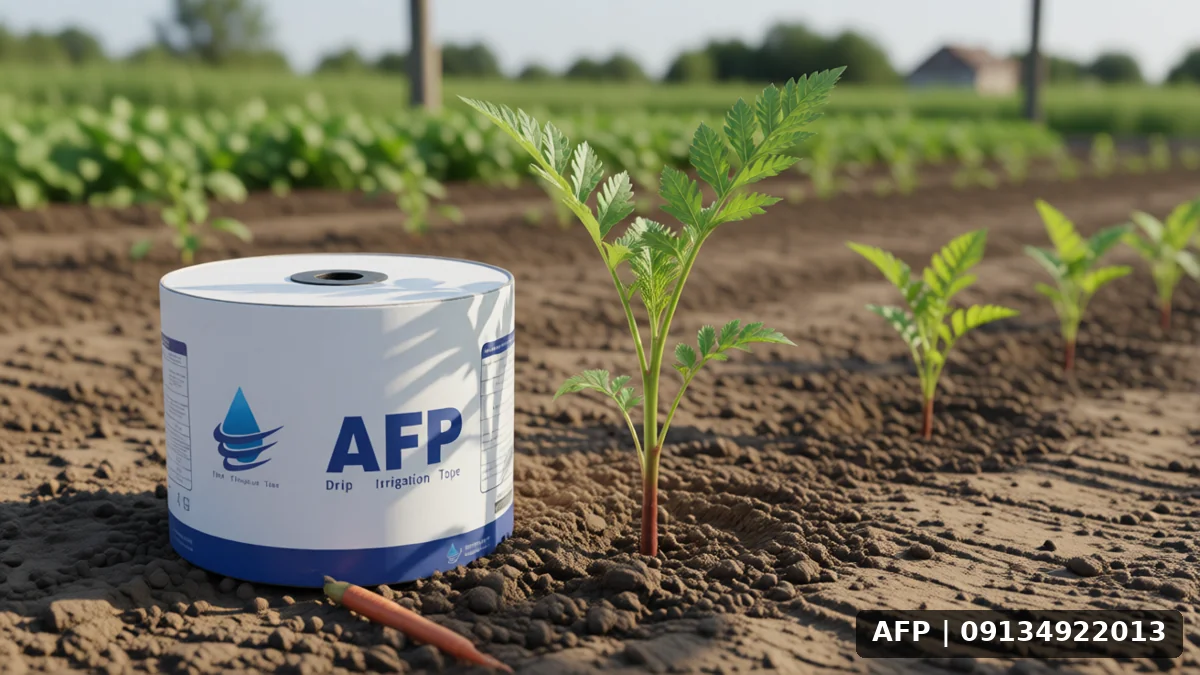
Carrot seed not germinating: germination or seedling emergence?
Carrot seed not germinating may raise a question about germination or emergence of the seedling from the soil. In the Utah State University guide, soil temperature, surface crusting, and maintaining surface moisture are among the tips related to carrot planting and establishment. This article quotes these tips from the source but does not consider them a definitive guide for all fields.Source.
Soil temperature: the determining factor
The Utah State University guide states that carrot seeds can be planted after soil temperature reaches 40 °F. This figure is stated within the planting guidance of the same sourceSource. The optimal germination temperature range is reported as 55–65 °F, and seedling emergence takes about 14 to 21 daysSource. Beyond 80 °F, germination also declinesSource.
Soil crust and seedling emergence
Soil crusting limits seedling emergence and can affect plant establishment. In this context, establishment refers to the formation of plants after the seed greens, not the physical “standing” of the plantSource.
Moisture fluctuation and root effects
In the irrigation section of the same guide, fluctuation in soil moisture has been associated with root abnormalities, slowed leaf growth, and an increased likelihood of bitternessSource. Alternating wet and dry periods can also increase root cracking in carrotsSource. For better plant establishment, the source advocates maintaining an even and moist soil surface. This point concerns greening and establishment, not a guarantee of outcomes in every fieldSource.
Summary: How to read the source report?
- The Utah source raises planting after soil temperature reaches 40 °F; this figure is not a specific recommendation for Iranian fields.
- Read the range 55–65 °F and the duration of 14 to 21 days as the source’s report on germination and seedling emergence, not as a guaranteed timeline for every field.
- When examining why carrot seed does not green, also consider the status of soil crust and surface moisture; the source emphasizes an even and moist surface for plant establishment.
- Do not conflate the source’s discussion of moisture fluctuation, leaf growth, and root quality with the initial germination stage of the seed.
- The decline in germination at temperatures above 80 °F is reported in the source; it does not yield Iran’s planting calendar without examining local conditions.
Source scope and limitations
The figures in this article are quoted from the Utah State University extension guide. The source’s scope is the Utah gardening guide in the United States; it is not a dedicated experiment for Iranian fields. Temperatures are given in the original unit °F and durations in days. This text neither specifies irrigation water amounts, nor a local implementation plan, nor guarantees germination successSource.
Irrigation equipment: drip tape · drip irrigation tape
Prepared with AI assistance and university sources; not a substitute for local field assessment and professional advice.
Frequently asked questions
Why doesn’t carrot seed green after planting?
In the Utah guide, planting seeds is raised after soil temperature reaches 40 °F. The source also considers soil crusting as an obstacle to seedling emergence; therefore, when examining why the seed does not green, distinguish between germination and seedling emergence. Source.
How long does carrot seedling emergence take, according to the source?
In the Utah source, the best germination temperature is reported as 55–65 °F, and seedling emergence takes about 14 to 21 days. This reported range is not a guarantee of germination timing in every field. Source.
What is the relationship between moisture fluctuation and carrot root quality?
According to the source, soil moisture fluctuation can be associated with root abnormalities, slowed leaf growth, and bitterness; alternating wet and dry periods also contribute to root cracking. Examine this point separately from the question of initial seed germination. Source.