Comprehensive Irrigation Management Guide for Greenhouse Tomato Yield: From Roots to Harvest
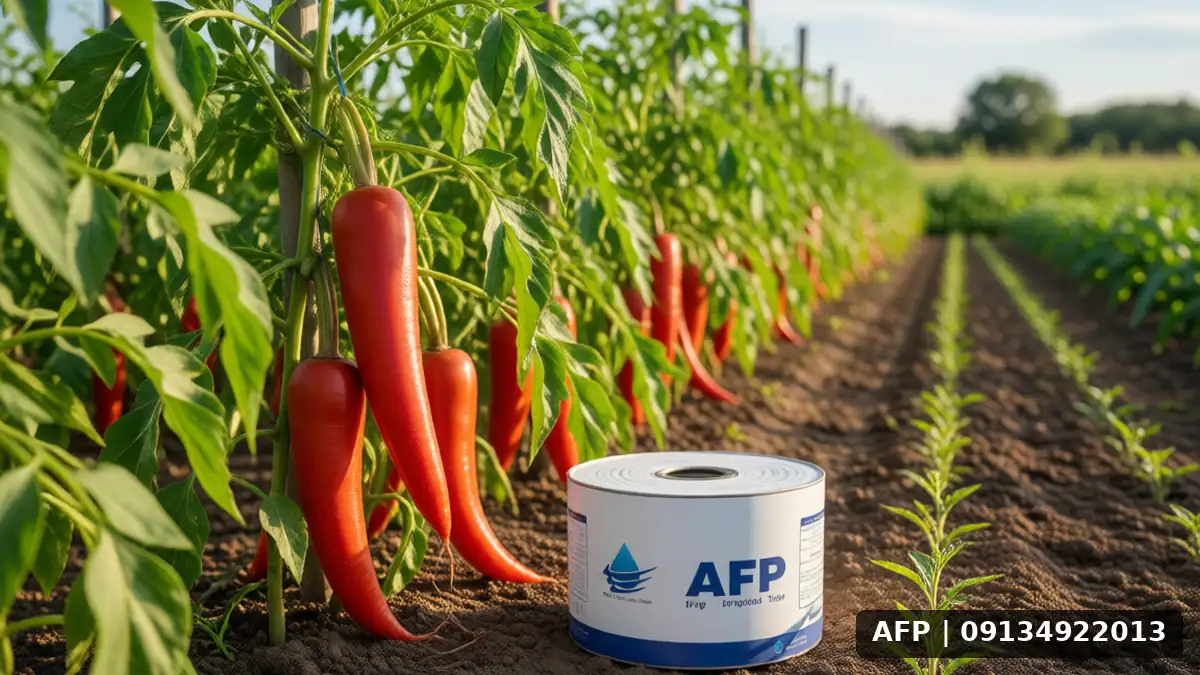
Effective water resource management is one of the main challenges in modern agriculture, particularly in tomato cultivation, which is a high-water-consumption crop. For farmers aiming to increase tomato yield per hectare, a deep understanding of the plant’s water requirements is essential. In this guide, we go beyond general principles to examine the most detailed physiological aspects, modern irrigation systems, and the mutual impact of water on final product quality. Our objective is to provide content that is not only theoretical but also practical for farms and greenhouses in Iran. If you are concerned about high cultivation costs or seeking to upgrade your products to export quality, studying each of the following sections can change your perspective. The key point is that irrigation is not just a single step, but a continuous process that lasts from planting to harvest.
Introduction: Why Proper Tomato Irrigation Matters?
The tomato plant is highly sensitive to moisture balance. Water stress, whether it is a deficit or excess, can lead to blossom end rot, fruit cracking, and a significant reduction in fruit weight. Unlike many vegetables, this plant has a deep root system that can penetrate up to 50 cm into the soil. This root depth allows the plant to utilize moisture sources deeper in the soil, but this does not mean that smart management is unnecessary. In fact, many failed crops occur due to a lack of knowledge about root depth and spread. You need to know how the plant absorbs water and when it requires nutrition. Below, we examine various systems. If you want more details about sowing seeds, you can read: green cumin seed amount per hectare planting careNote that this link relates to cumin, but the principles of root planting are universal across all plants. Every ornamental or edible plant requires optimal soil conditions.
Modern irrigation systems: flood, sprinkler, and drip
Choosing the right irrigation system is the ultimate determinant of your performance. The older flood system, due to its uneven water distribution, is now obsolete in modern greenhouses. Drip irrigation is recognized as the gold standard in tomato cultivation. This system delivers water and nutrients directly to the roots through the soil. Its primary advantage is preventing leaf wetness, which minimizes the risk of leaf-spot fungi and chemical diseases. Additionally, this method allows for more precise control of the soil solution’s EC and pH. We recommend using drip lines with 20-centimeter spacings, as this provides greater flexibility. If you need detailed information on the precise water volumes required for various crops, further reading may be helpful: D8A8D8B0B1 hectareHowever, please note that this figure applies to corn, while tomatoes require less. Tomatoes are an annual plant that thrives in temperate climates. Therefore, you need a system that is compatible with your climate. If you are farming in a hot and dry region, drip irrigation is the only logical option for you.
Analysis of plant water requirements at various growth stages
Tomato plants require varying water levels at different growth stages. During the seedling stage, the plant needs high soil moisture to promote rapid stem growth. As flowering begins, water volume should be slightly reduced to shift the plant’s focus from vegetative growth to fruit production. This is the most critical stage; excessive water causes flower drop, while insufficient water results in small, poor-quality fruits. During the fruit harvest stage, you must increase water again to boost fruit size. These fluctuations are natural and should be managed using soil moisture sensors. Our primary recommendation is the use of a Tension Sensor (Tension Sensor). This tool allows you to measure root zone soil water tension without digging. If the plant is stressed, you can adjust irrigation accordingly. Meanwhile, understanding key considerations before installing drip lines can increase system efficiency, as explained in the article Key considerations before installing drip lines in the field explained. These lines must not be tangled and should be well integrated with the soil to allow roots to access them. A very important point is that water must always be clean and filtered to prevent clogging of the drip emitters.
Fertigation and pH Management
One of the greatest advantages of modern irrigation systems is their ability to deliver nutrients with water. This technique is called Fertigation. You can supply water-soluble fertilizers directly to plant roots through drip irrigation. This promotes faster nutrient uptake and reduces fertilizer waste. However, the critical point is controlling the pH of the water and solution. The pH must be maintained between 5.5 and 6.5 to ensure nutrients like iron and magnesium remain available to the roots. If the pH rises, these minerals precipitate in the soil, causing micronutrient deficiencies in the plant. Symptoms of iron deficiency in tomatoes include yellowing of young leaves while the veins remain green. This is one of the most common issues that can be resolved by correctly adjusting the solution composition and pH. You should check the pH of the soil solution weekly and add pH-adjusting acids as needed. This process allows you to fully control plant growth. At the same time, if you want to know how green bean yield per hectare is calculated, you can view this article: Green Bean Yield Per Hectare + Influencing Factors, even if your crop is tomatoes, understanding the performance of leguminous plants like beans helps you understand the root behavior of ornamental plants. Both plant types share significant similarities in their root systems.
The Impact of Moisture on Tomato Quality and Taste
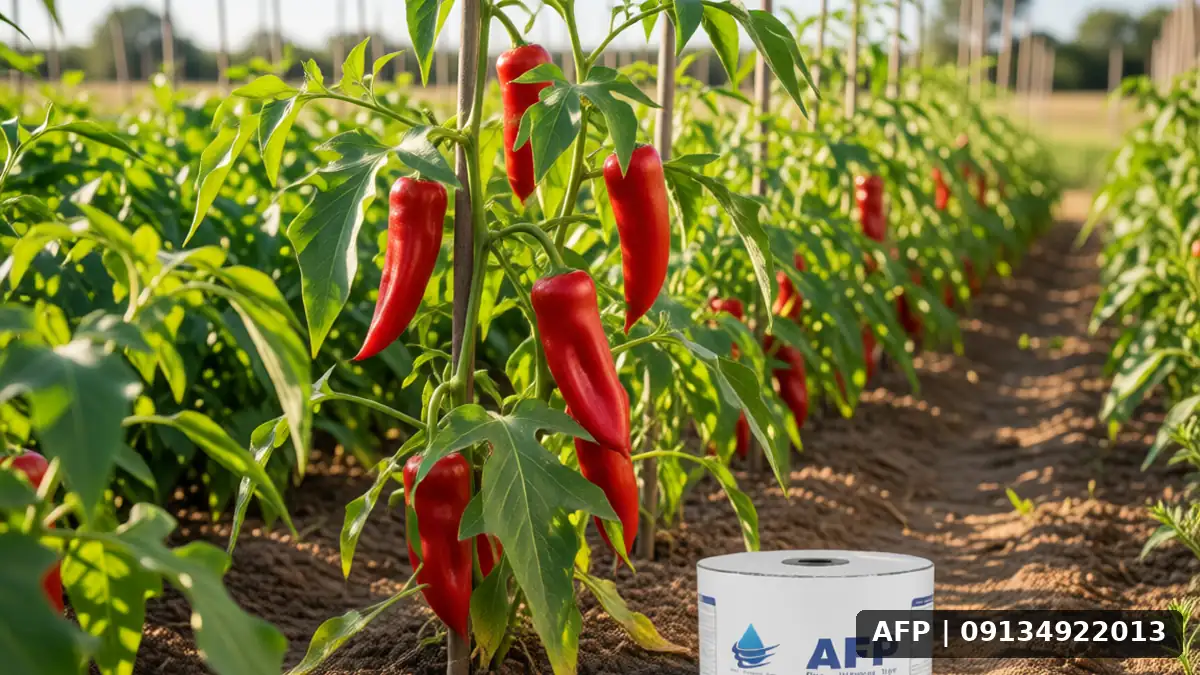
Soil moisture directly affects acidity and fruit sugar. If there is excess water, plant stems become long and thin, and energy for fruit production decreases. The result is waterlogged tomatoes that are flavorless and pale. Conversely, water shortage increases the concentration of solids in the fruit, but simultaneous severe stress causes fruit cracking and flower abortion. A healthy tomato plant must be balanced. To achieve this balance, you must monitor water and nutrient equilibrium. One sign of water stress is leaf rolling during the day. If leaves transition from an open state to a cup-shaped or claw-like state at the peak of the day’s heat, it indicates root stress. Do not confuse this with concerns regarding light deficiency. Low light causes stem elongation, whereas water stress causes cupping. You must distinguish between these signs. If your plant has long, green stems with normal leaf twisting, you need not worry, but if cupping is present in the lower leaves, irrigation must be adjusted. A successful crop is achieved when you can visually identify and understand these signs.
Post-harvest management: Storing tomatoes in the pot
Tomato harvesting is not just about picking the fruit from the plant; it is the start of the preservation process. Tomatoes are sensitive to physical damage and temperature changes. The optimal storage temperature is 10 to 12 degrees Celsius with a relative humidity of 90 to 95 percent. If the temperature drops below 12 degrees, the fruit loses flavor. If it exceeds 15 degrees, the rate of decay multiplies. Therefore, the cold chain is critical from the moment of harvest until it reaches the consumer. We recommend placing tomatoes in high-quality packaging that protects them from impact and pressure. If you are interested in more precise care details, reading specialized articles such as migdori tumi gandomi chorsu can enhance your understanding of the product’s logistics chain. Of course, this aspect applies more to wheat, but the principles of protecting against adverse environmental conditions (such as excessive heat or negligible humidity) are applicable to all crops. For tomatoes, you should use a washing and drying process before packaging to increase shelf life. Every extra liter of water on the tomato skin increases the risk of fungal infection.
Summary and final recommendations for maximum efficiency
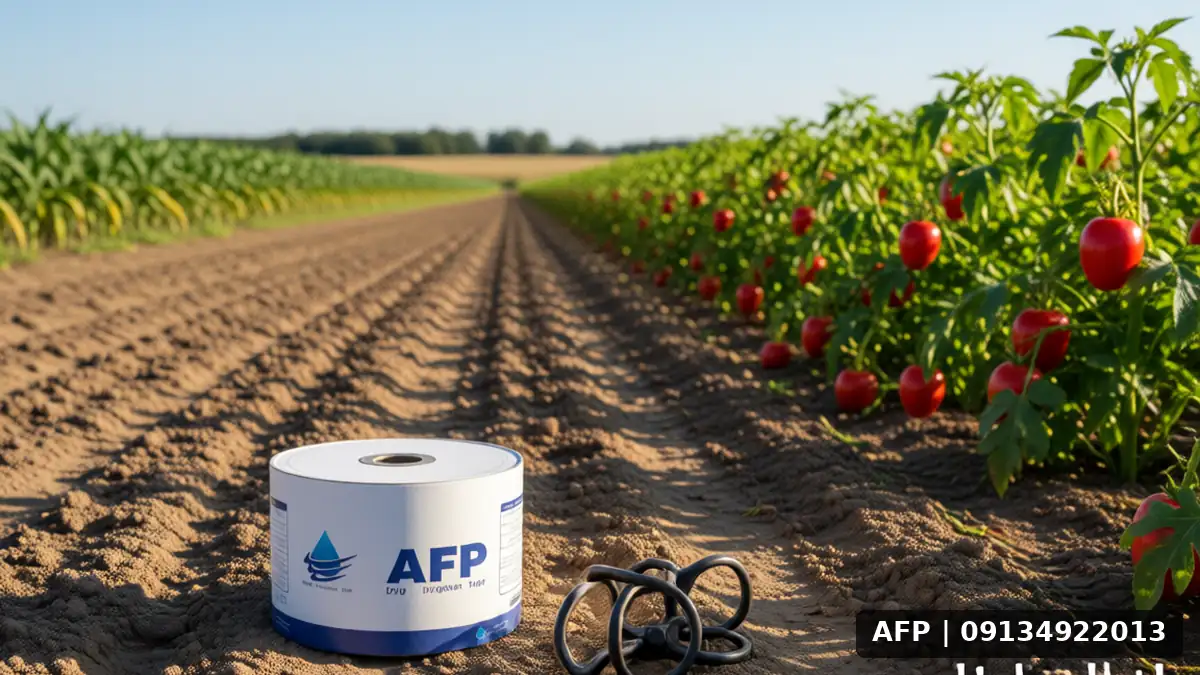
To summarize what you have learned: a more regular drip system, optimized pH, a smart moisture sensor, and a controlled cold chain are the four main pillars of success in tomato cultivation. You should remember that tomato is both an ornamental and edible plant that requires continuous care. Also, understanding subtle differences can make a significant difference in your performance. For example, your understanding of how to increase yields can be found in the article Increasing Tomato Yield per Hectare: A Comprehensive Guide Ensure that special emphasis is placed on improved cultivars and climatic conditions. Ultimately, investing in smart irrigation systems minimizes water and fertilizer costs in the long run and maximizes profitability. Remember that nature is rooted in balance, and irrigation should not be an abandoned task but a dynamic and continuous process. By implementing these recommendations, you have taken a major step toward sustainable and high-quality production. We hope this comprehensive guide will be useful to you.