Wheat Yield per Hectare with Drip Tape: A Comprehensive Guide to Maximizing Productivity
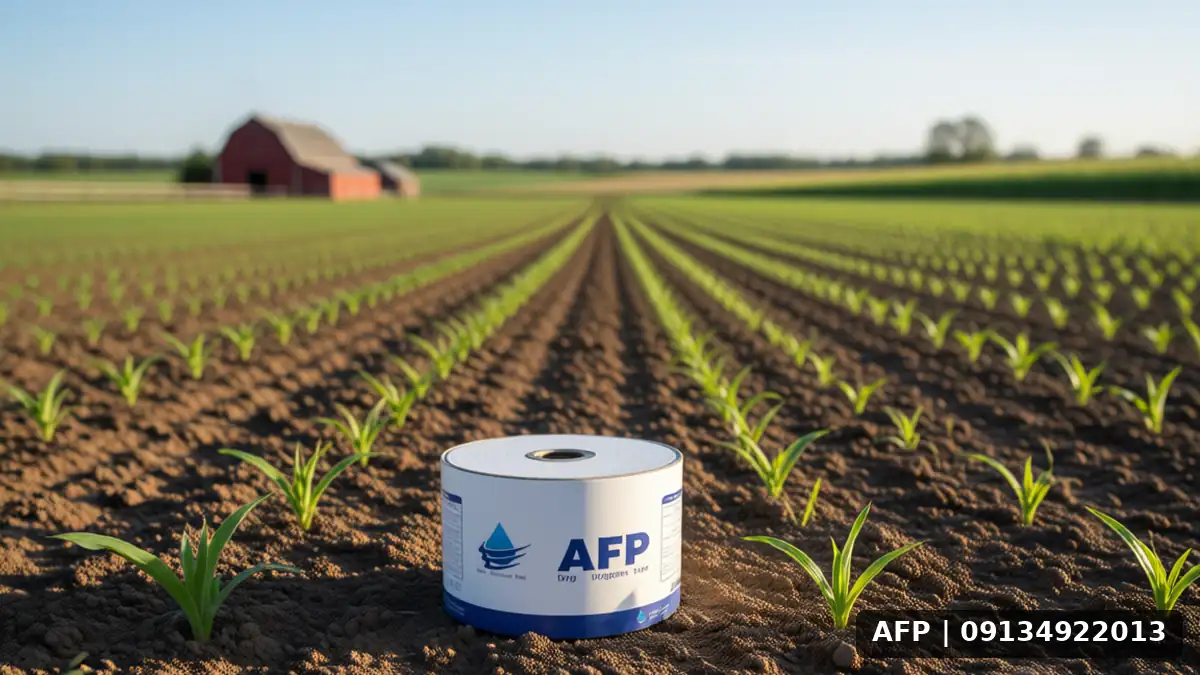
Introduction to Dill Strip Irrigation
Dill (Anethum graveolens) is an aromatic and medicinal plant that holds a special position in domestic and export markets due to its pleasant aroma, unique taste, and numerous therapeutic properties. Dill producers consistently face the primary challenge of optimizing water resource management, as many dill cultivation areas contend with water scarcity and drought stress. Conventional irrigation methods (such as flooding) not only lead to significant water waste but can also cause root waterlogging, increased fungal diseases, and ultimately reduced yields. Therefore, the strip tape system, considered an advanced form of drip irrigation, is introduced as an effective and intelligent solution for increasing dill yield per hectare using strip tape This system delivers water and nutrients directly to the plant root zone, reducing evaporation, preventing salt accumulation at the soil surface, and consequently improving weed control. The following sections provide a detailed examination of the technical, economic, and practical dimensions to present a complete picture of this technology’s potential.
Factors Influencing Dill Yield per Hectare
To achieve maximum yield per hectare, it is essential to understand the interplay and coordination of various factors. Dill is a plant that requires moderate moisture, sufficient light, and suitable temperatures, but it is highly sensitive to waterlogging. Strip tape creates a controlled and confined wetting strip, establishing an optimal rhizosphere equilibrium that is ideal for the optimal growth of dill.
1. Plant spacing and planting depth
The appropriate spacing for sorghum plant beds varies by region, climate conditions, and soil type. Typically, it is recommended to maintain a bed-to-bed distance of 100 to 120 cm and an intra-bed plant distance of 5 to 10 cm. In a tape drip irrigation system, the tapes must be placed directly beneath the beds at a depth of 5 to 7 cm so that water reaches the root zone directly without remaining on the surface. This precise distribution significantly increases water use efficiency.
2. Selection of high-quality seed and seeding density
The use of healthy, fresh, and dense seed plays a determining role in the final crop yield. Investigation Factors increasing sorghum seed density per hectare indicates that the conventional seeding density is approximately 15 to 20 kg per hectare. This amount must definitely be coordinated with the soil texture and the selected irrigation system conditions. If the bed spacing is less than usual, competition for water and nutrients increases and root growth is inhibited. Therefore, precise adjustment of plant density per unit area directly affects the final yield.
Practical tips for implementing tape drip irrigation for sorghum
Correct implementation of the tape drip irrigation system requires precision in installation, technical settings, and continuous maintenance. In this section, we review key practical points to ensure that the system operates with full optimization and to prevent potential problems.
Correct Installation of Drip Tape and Filtration
One of the common challenges in drip irrigation systems is the clogging of filters and drip tapes due to salt sedimentation or suspended particles. Cotton requires rapid growth and feeding during its early stages, so a highly suitable filtration system (preferably a screen filter with a 120 to 170 mesh screen, or cyclonic filters) should be installed at the beginning of the main line. Additionally, choosing the type of drip tape (single-line or multi-line) based on the spacing between rows is critical. Drip tape is a popular option for medium and industrial farms due to its lower cost, easier installation, and the elimination of the need to reposition the lines. Using clear drip tapes allows for observing the uniform distribution of water.
Irrigation and Fertigation Planning
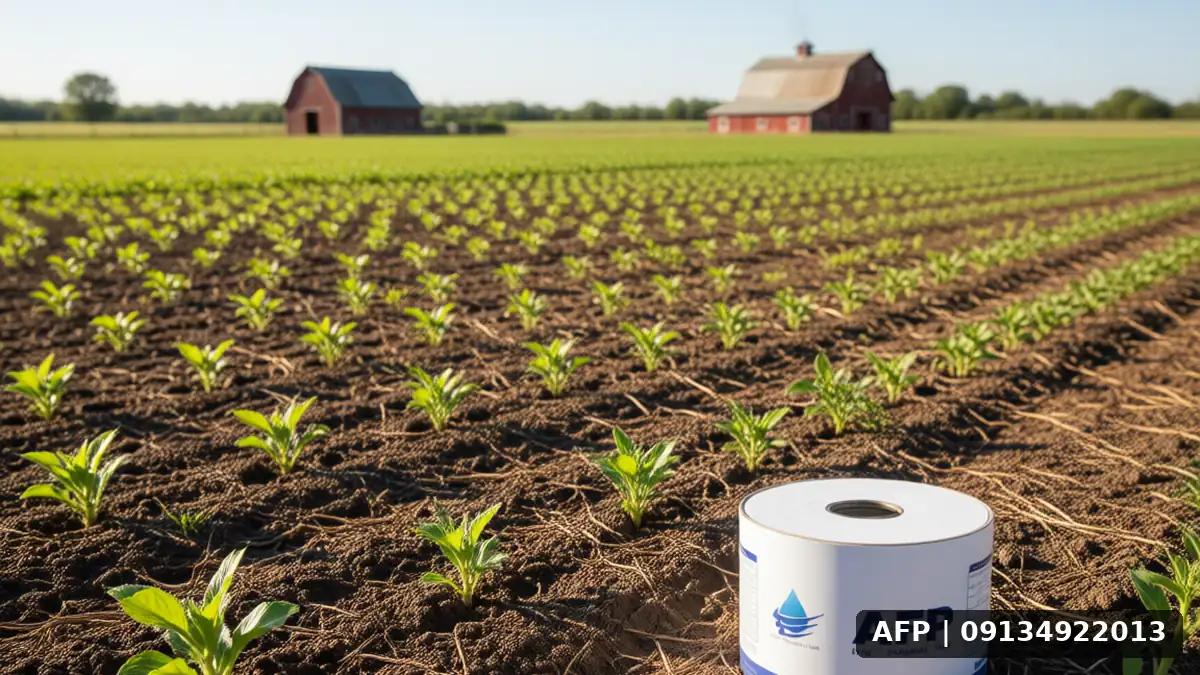
Drip tape enables the simultaneous implementation of drip irrigation and fertigation. The cotton plant has a high water demand during sensitive stages such as flowering, fruit formation, and fruit maturation. It is advisable to adjust a precise irrigation schedule based on the plant’s agronomic needs, air temperature, and soil moisture. The average water consumption for cotton using drip tape is approximately 60 to 80 percent less than that of traditional surface irrigation. To better understand the benefits of this system, studying the differences between drip tape and drip irrigation is recommended. Drip tape wets only the root zone, which prevents the growth of weeds between rows and reduces the costs of chemical weed control.
Monitoring Water and Soil Quality
Water quality is critical for drip tape systems. High water hardness or excessive dissolved salts can clog drippers or tape. Regular water and soil analysis is recommended. The use of acidifying agents to adjust pH and prevent sedimentation is also necessary in some areas. Root care and protection from physical damage during planting will improve system performance. Understanding yield per hectare is useful for final economic calculations.
Frequently Asked Questions (FAQ)
Is a drip tape system cost-effective for rosemary?
Yes, considering the significant reduction in water costs, labor, and chemical fertilizer consumption, the return on investment for a drip tape system is typically achieved in the second or third harvest season. Increased yield per hectare also contributes to the overall farm’s economic return, making this technology financially viable.
How far should the drip tape be placed from the rosemary plants?
The drip tape should be placed 10 to 15 cm away from the planting line, at a depth of approximately 5 to 7 cm in the soil. This distance allows the roots to access water without being directly exposed to spray pressure, preventing stem asymmetry.
Can drip tape be used for other aromatic plants?
Yes, the drip irrigation system is highly flexible. Many crops with similar planting patterns, such as mint, rosemary, or pennywort, also benefit from this system. To ensure compatibility, you can study drip irrigation for similar crops, as they share very similar technical principles.
Summary
Using a drip irrigation system for planting millet is a smart approach for modern farmers looking to increase efficiency, crop quality, and reduce operational costs. By observing planting density principles, proper drip line installation, and precise irrigation planning, one can expect that the millet yield per hectare with drip irrigation will reach its maximum potential. Investing in this technology not only results in higher quality products with better taste, but also plays an important role in conserving water resources and environmental sustainability.
Farmers are advised to consult with local specialists before implementing the system and to consider local farm conditions. Combining current technical knowledge with local experience and awareness of field soil conditions is the key to successful millet cultivation with drip irrigation. Farms using this method generally show higher resistance to weather stresses and produce more uniform crops.
Related topics: Related article Related article Related article Related article D987D8A7 D988 Related article, Related article Related article Related article Related article Related article D988 Related article