Comprehensive Specialist Guide to Vegetable Planting with Drip and Tape Irrigation
Introduction: The Importance of Transformation in Vegetable Planting
Climate change and declining water resources have compelled farmers to adopt new approaches to vegetable planting using drip irrigation This method not only reduces water waste but also promotes more uniform growth by delivering moisture directly to the plant root zone. Using the canola seed rate per hectare as an example of planting precision, it shows how much careful initial management impacts the final result. In this article, we examine all the technical and practical aspects of these systems to help farmers set up their systems with greater confidence.
Drip irrigation is a precision technology based on delivering small, continuous amounts of water to the root zone. In vegetable cultivation, which typically has short cycles, correctly selecting the tape type and drip emitter flow rate is critical. An appropriate tape must be able to regulate flow rate to prevent water accumulation in specific spots. This requires a deep understanding of soil properties and the type of vegetable being planted.
Main advantages of using drip tape in vegetables
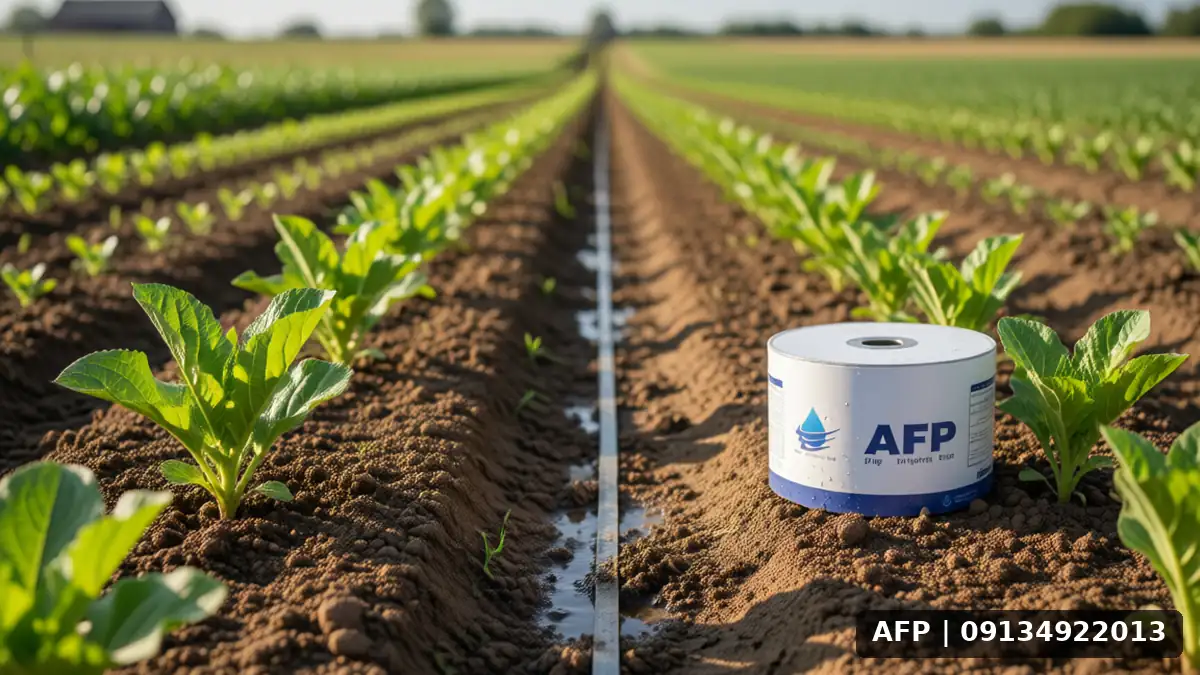
Drip tape is highly suitable for short-cycle vegetables due to lower cost and rapid installation. These tapes, equipped with appropriately spaced drip emitters, release water into the soil slowly and uniformly. This prevents soil compaction and erosion while suppressing weed growth. It also enables the integration of liquid fertilizer into the irrigation system (fertigation), which is critical for heavy-feeding vegetables. Fertigation via drip tape significantly improves nutrient uptake efficiency and prevents nitrogen leaching.
In addition to water savings, drip systems provide control over soil temperature. During hot summers, chilled water can prevent excessive heating of the sensitive roots of vegetables such as spinach and tomato. This factor alone can enhance final crop quality and reduce the need for post-harvest cold storage.
Appropriate planting methods for drip irrigation
To maximize the benefits of the drip system, planting methods must align with the crop type. Root vegetables such as beetroot or carrots require specific planting densities where the drip tape is positioned precisely in the center of the planting row. Conversely, for fruiting vegetables such as tomato or pepper, which are typically grown with wider row spacing, individual emitters or double-row drip tapes can be used.
Planting sequence and technical spacing
- Long rows: For lettuce, cabbage, and potato, the row spacing must be at least 40 to 50 cm to ensure the drip tape is easily placed in the center of the rows. This spacing also improves access for mechanized operations.
- Mature sowing: For vegetables with small seeds or sensitive root systems, such as dill and parsley, drip tapes with a smaller diameter (e.g., 16 mm) may be used to maintain adequate water pressure. To determine precise seeding density, it is recommended to consult the ‘Parsley seeding rate per hectare: A comprehensive guide to planting and maintenance’ to understand the correlation between seed density and water requirements.
Mounding technique is also important; ridges should be shaped to direct water toward the drippers and prevent pooling at unintended slopes. This promotes the creation of uniform dry and wet bands. Additionally, using clear or black plastic mulch can be helpful, but care must be taken to avoid excessive heat buildup beneath the mulch during warm spring days.
\n
Irrigation schedule
Irrigation scheduling is central to the system. During early crop stages, due to the small size of the seeds and the sensitivity of the roots, frequent irrigation sessions with short durations are required. As the plants grow, the duration of each irrigation session increases, while the frequency of sessions decreases. This schedule must be adjusted based on the moisture needs of each vegetable, rather than applying a fixed rule to all crops.
Suggested table for moisture management based on growth stages
For fast-growing vegetables, using smart timers can increase accuracy. Additionally, understanding Rosemary harvest yield per hectare This helps you align production volume with water consumption and prevents excessive vegetative growth. Balancing vegetative growth and fruit production is the key to achieving adequate economic efficiency.
Another important point is monitoring system pressure. Decreased water pressure may be caused by loose connections or clogged filters. Pressure must be maintained within the design range of the drip line to ensure uniform drip flow. If the pressure difference between the start and end of the line becomes significant, pressure-reducing valves or additional pressure-regulating lines should be added.
Practical tips and proper installation of the system
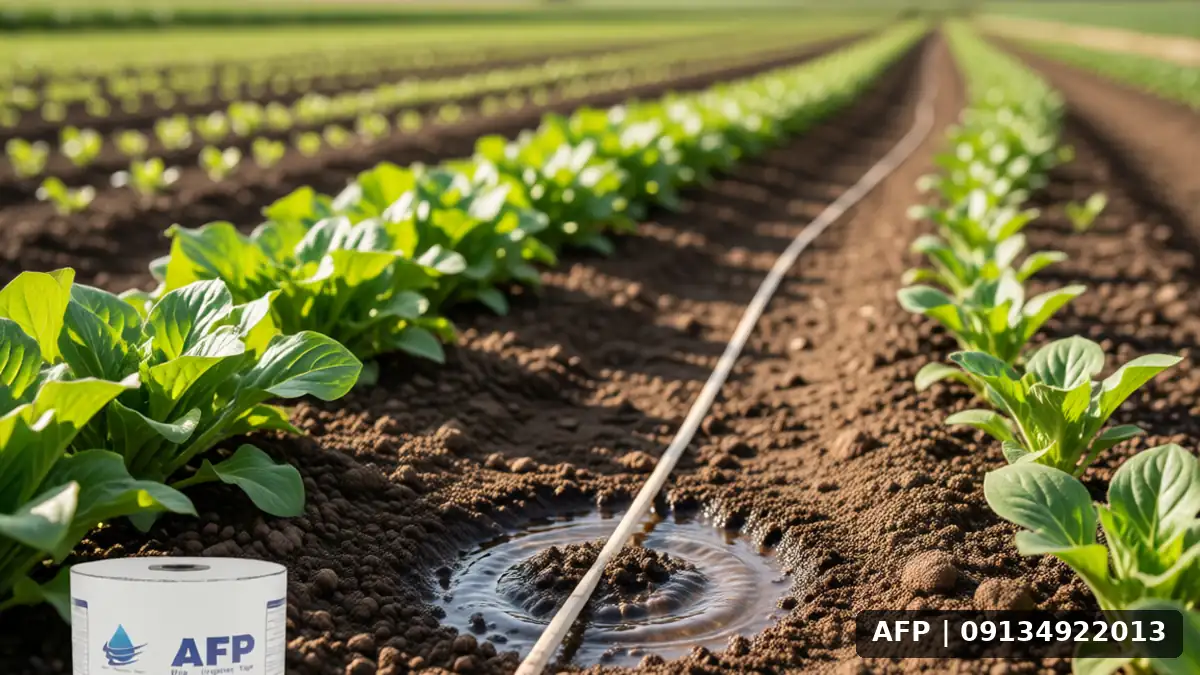
Incorrect installation can cause damage to the entire system. When laying the drip line, avoid stretching it excessively. Additionally, the connection between the drip line and the manifold must be secure and free of tears. Using metal clamps to secure the line during the season prevents movement caused by wind or soil operations.
\n
Troubleshooting common issues in vegetable drip systems
- Clogging of drippers: Using an appropriate filter (disk or wire mesh) before water enters the line is critical. Clean the filter every 3 months. Dripper clogging is usually caused by calcium or iron deposits. Washing the line with citric acid (at the proper concentration) can remove these deposits.
- Water Distribution Non-Uniformity: If water pressure is low at the end of the line, use larger-diameter drip tapes or adjust the inlet pressure. To select the appropriate pressure, read Measuring Water Pressure for Drip Tape is essential. Excessive pressure exceeding the allowable limit can cause the line to burst.
- Animal Damage: Rodents may occasionally chew on drip lines. This issue can be resolved by using protective casings or installing mesh fencing around the irrigation path. Additionally, avoid placing drip tapes directly on concrete surfaces exposed to direct sunlight.
In arid regions or areas with high humidity, selecting UV-resistant and salinity-tolerant drip tape is more critical. This measure extends the system’s service life by several years. Furthermore, using organic fertilizers and chemicals compatible with a neutral pH prevents interference with the irrigation system.
Frequently Asked Questions (FAQ)
Is drip irrigation suitable for leafy vegetables such as spinach?
Yes, but with caution. Spinach requires high moisture levels. It is best to use drip tapes with 10 to 15 cm emitter spacing to ensure the beds are thoroughly moist. If moisture is below the required level, leaf scorching may occur. In such cases, a combination of drip and sprinkler irrigation (with controlled intensity) can be used.
What is the cost of maintaining a drip irrigation system?
Annual maintenance costs typically include filter cleaning, leak inspection, and replacement of worn parts. Compared to water savings and increased yields, this cost is negligible. With proper planning for weed control per hectare (which requires less weeding due to reduced weed growth from narrower coverage), additional costs are also reduced. The lack of weed growth under the drip tape prevents competition for water and nutrients with the main vegetables.
\n
Can last year’s drip tape be reused this year?
If the drip line has been properly collected and washed, yes. However, internal sticky deposits will become cloudy after a wet season or severe drought. For better efficiency, it is better to use a new drip line in the second year unless the previous one remained completely intact. Proper storage of the drip line in the shade and at moderate temperatures will extend its lifespan.
Conclusion: Steps toward sustainable agriculture
Integrating precision vegetable planting with drip irrigation and taper tube systems is not just a method, but a philosophy. This approach gives you greater control over your resources and enables the production of export-quality produce. Considering the rising cost of water, investing in this technology is an economic and ecological necessity. Additionally, reducing the labor required for traditional irrigation allows human resources to be allocated to sectors with higher added value.
To get started, be sure to use specialized resources such as the guide Potatoes with taper tube also benefit, which teaches us similar principles. Also, to better understand water requirement estimates based on crop type, studying Rosemary yield per hectare would be useful. The future of vegetable farming lies within these tiny droplets; droplets that nourish wealth from the roots. By following this guide, your farm will become a green and sustainable paradise.