Tape Drip Tape Buyer’s Guide: 7 Key Selection Criteria
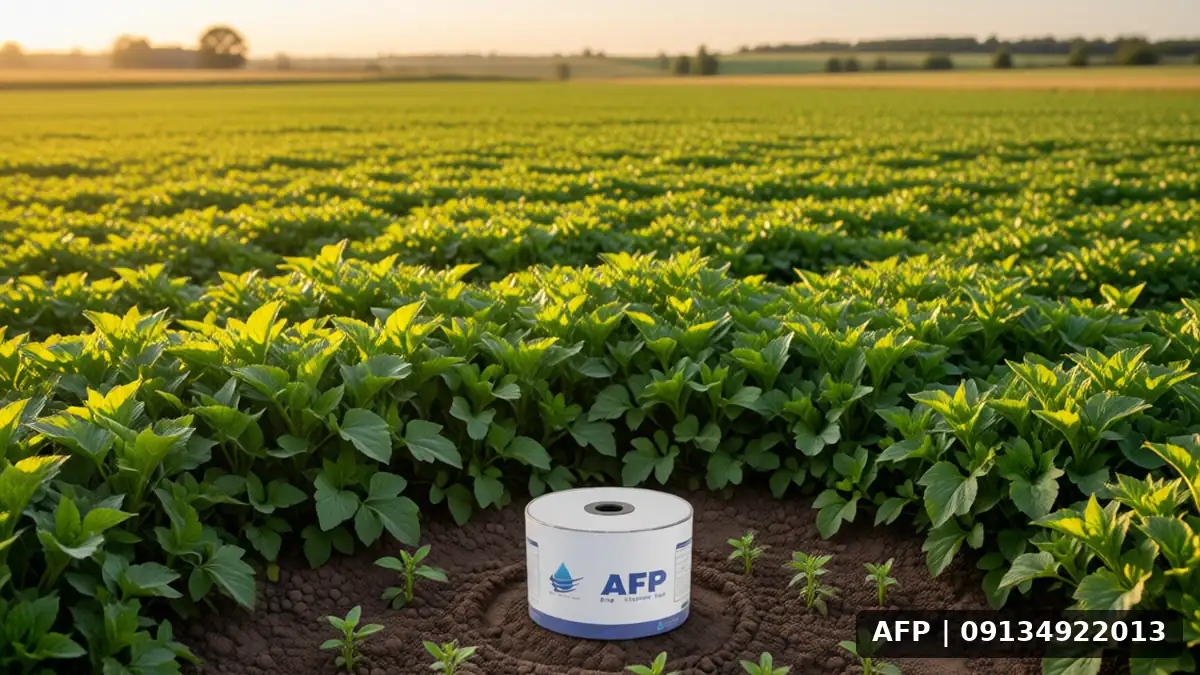
Selecting the correct irrigation system is the boundary between high production costs and the economic efficiency of your farms. Among available methods, drip tape has become a default option for many dispersed crops and row plantations due to its simple installation, reasonable cost, and high efficiency. However, the market is filled with diversity in brands and models, which confuses buyers. Is every drip tape model suitable for every crop? The answer is no. To avoid wasting money on a low-quality product, you must understand the technical and operational criteria. In this guide, we outline the 7 key criteria you should check before purchasing drip tape to make the best decision for your farm.
Introduction to drip tape and its function in drip irrigation
Drip tape, also known as a drip emission band, is a type of thin, flexible tube featuring small holes or cutouts along its length. These holes are designed to release water drop by drop uniformly at specific intervals (e.g., every 15 or 20 cm). This method ensures water is delivered directly to plant roots, minimizing evaporation. Compared to traditional drip tubing, drip tape has lower pressure resistance and is ideal for short-term and seasonal irrigation. If you are looking to optimize water usage in crops such as forage corn, reading the article What is the seed rate for forage corn per hectare? can help you assess exact water requirements and select the appropriate drip tape.
Criterion 1: Drip Tape Wall Thickness
Wall thickness is the most critical factor determining the service life of drip tape and its resistance to water pressure and physical damage. Thin-walled drip tape (less than 0.25 mm) is typically designed for a single season of use and is then discarded. This type is suitable for small farms or single-season crops such as eggplant. If you require crops with multiple growing seasons or greater durability, consider a wall thickness of 0.35 to 0.4 mm. An important consideration is that a thicker wall supports a higher working pressure. If your hose is located far from the water source, the pressure drop may cause thin-walled drip tape to collapse or rupture. Always request the maximum working pressure of the drip tape from the supplier.
Second criterion: Dripper spacing (Spacing)
The spacing between drippers must match the planting width and the water requirements of the crop. For high-yield crops with high water needs, such as oranges or tomatoes, a shorter spacing (e.g., 15 cm) is recommended to ensure the root zone is more fully moistened. For crops with lower water requirements, such as soybeans or eggplant, a 20 cm spacing is also effective. If you grow corn farms, you can by studying Your yield per hectare + influencing factors and methods for increasing you can estimate water requirements and calculate the appropriate spacing. Matching the dripper spacing to the planting row width prevents water loss in the dry areas between rows.
Third criterion: Output flow rate per dripper
Discharge rate, or the water output from each hole, affects irrigation uniformity. Low discharge rates (e.g., 1 liter per hour) are suitable for plants sensitive to waterlogging. Higher discharge rates (3 to 4 liters per hour) perform better for plants with higher water needs and clay soils with low permeability. However, note that higher discharge rates require higher source water pressure. If your water pressure is low, avoid selecting very high discharge rates; otherwise, the drip tape will not function correctly. Reviewing flow models in drip tapes in the article drip tape water flow rate factors and models can help you calculate the correct discharge rate.
Fourth criterion: Material composition (UP vs PVC)
Most drip tapes are made of linear low-density polyethylene (LLDPE), which is flexible and lightweight. However, some premium models use PVC, which offers higher chemical and physical resistance but less flexibility. For farms where strong chemicals may be injected through the hose, PVC may be a better option. Additionally, the presence of anti-UV additives in the material prevents the drip tape from yellowing and becoming brittle when exposed to direct sunlight. If you store the drip tape outside the farm, choosing a model with anti-UV additives is essential.
Fifth criterion: Anti-clogging resistance
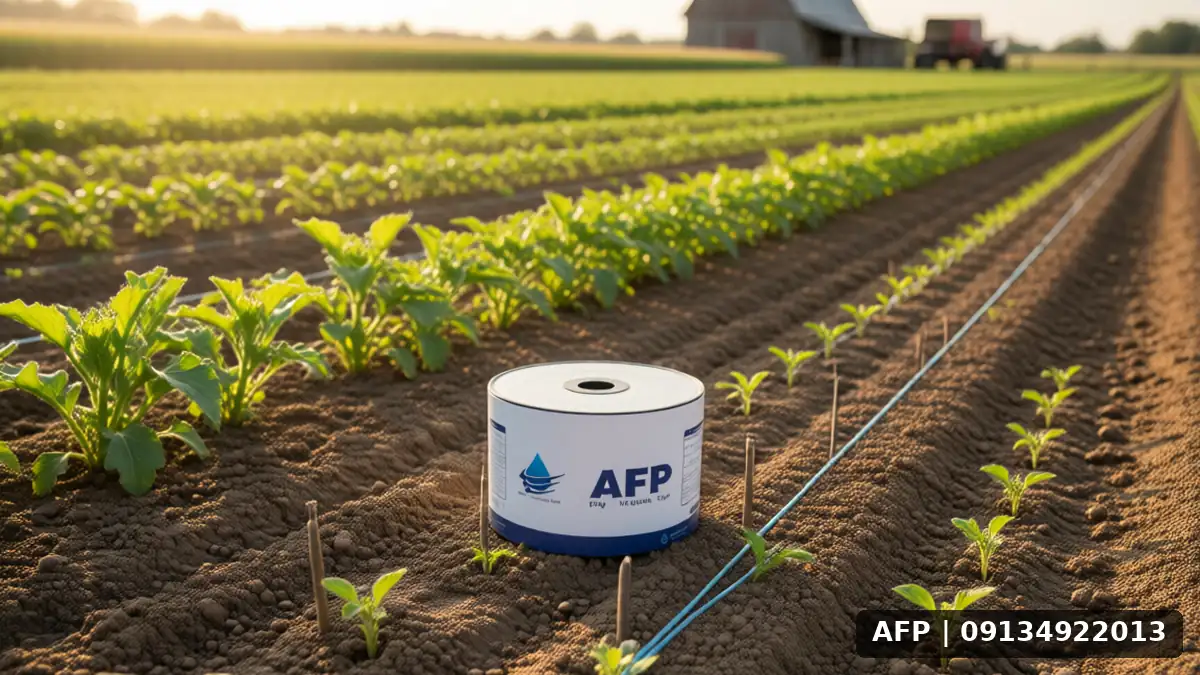
One of the biggest challenges with drip tape irrigation is the clogging of holes due to sediment from organic matter, ash, or algae. Modern drip tapes feature anti-clogging technology, including internal hole structures (Z or V shapes) that increase water turbulence to prevent sedimentation. Some models also feature larger, open drip heads. If your water source contains biological contaminants, always use a strong treatment and filtration system and select drip tape with larger holes.
Sixth criterion: Roll length and weight
Drip tapes are typically supplied in 1,000-meter or 2,000-meter rolls. Selecting the appropriate roll length based on farm size reduces transport and loading costs. Shorter rolls (500 meters) are suitable for smaller or sloped fields that require greater precision during layout. Longer rolls are ideal for large, uniform fields. Always divide the roll’s weight by its length to verify the actual wall thickness, as some manufacturers may exaggerate this specification.
Criterion 7: Warranty and After-Sales Service
Since drip tape is a consumable product, absolute product warranties are rare. However, warranties covering technical defects, such as leaks from the body or cracking during transport, can be requested. It is prudent to select brands that provide training services and technical guidance for installation issues. Additionally, reviewing experiences in agricultural journals and consulting local specialists can reduce purchasing risks. To better understand how yield increases through proper irrigation, you can refer to the article arzan hosildori gektar rahnemo for reference.
Practical Tips for Drip Tape Installation and Maintenance
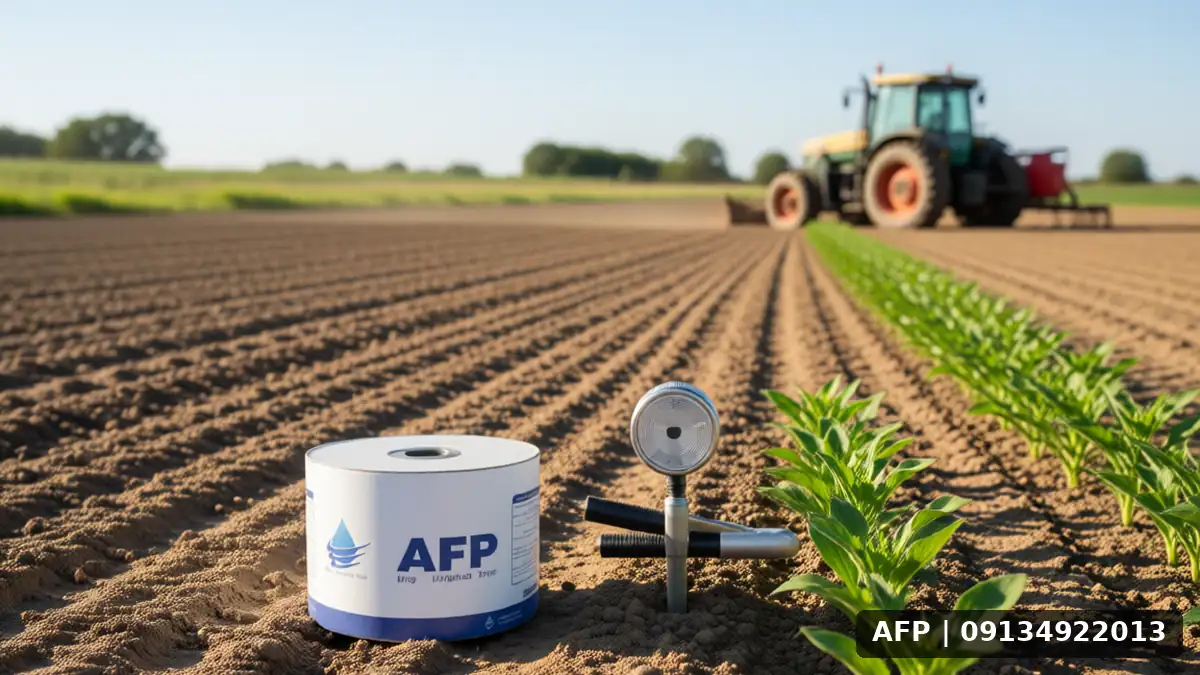
Drip tape performance depends 50 percent on the crop and 50 percent on installation and maintenance methods. The following key safety and efficiency points are reviewed:
- Straightening the path: The drip tape must be placed in a straight line without kinks. Kinking increases flow resistance and ultimately leads to rupture.
- Installation of Filters and Check Valves: Always use check valves to prevent water from flowing back to the source during power outages.
- Consult the Manual: Each brand (such as drip irrigation guides for bell peppers and paprika pepper drip tape irrigation guide) has specific recommendations for certain crops. Follow these instructions.
- System Cleaning: Before the end of the season, flush and drain the system to prevent organic matter from drying and clogging the drip tape.
Answering Frequently Asked Questions (FAQ)
Is drip tape reusable?
Unlike drip hose, drip tape is typically designed for single-season use. While some high-quality models last 2 to 3 seasons, their efficiency drops rapidly. For high-value crops, reuse is possible but costly.
What is the optimal planting spacing for drip tape?
It depends on the crop. For eggplant, references on eggplant seeding rates per hectare and planting and irrigation recommendations suggest laying drip tape either directly down the center of the row or 5 cm away from the seedling.
Can drip tape be used for tree crops?
For young oak trees in water-scarce conditions, a drip tape system can be used around the trees, but larger-diameter drip hose is more suitable for mature trees. However, for young orchards, drip tape is a better option due to faster installation. Study onion yield per hectare increase tonnage profitability shows that this model is also common for vegetables.
Conclusion
Purchasing a drip line is a technical decision, not just a commodity buy. From wall thickness and raw material composition to dripper spacing and discharge rate, each of these 7 criteria affects your water usage, crop yield, and final cost. By combining these criteria with your field needs and reviewing specialized documentation like guide articles on pepper and corn irrigation, you can minimize the risk of a bad choice. Remember: a properly installed irrigation system is the most profitable investment on your farm.