Subsurface Irrigation for Soybean Crops: Challenges and Practical Solutions
Introduction to the Importance of Subsurface Irrigation in Soybean Management
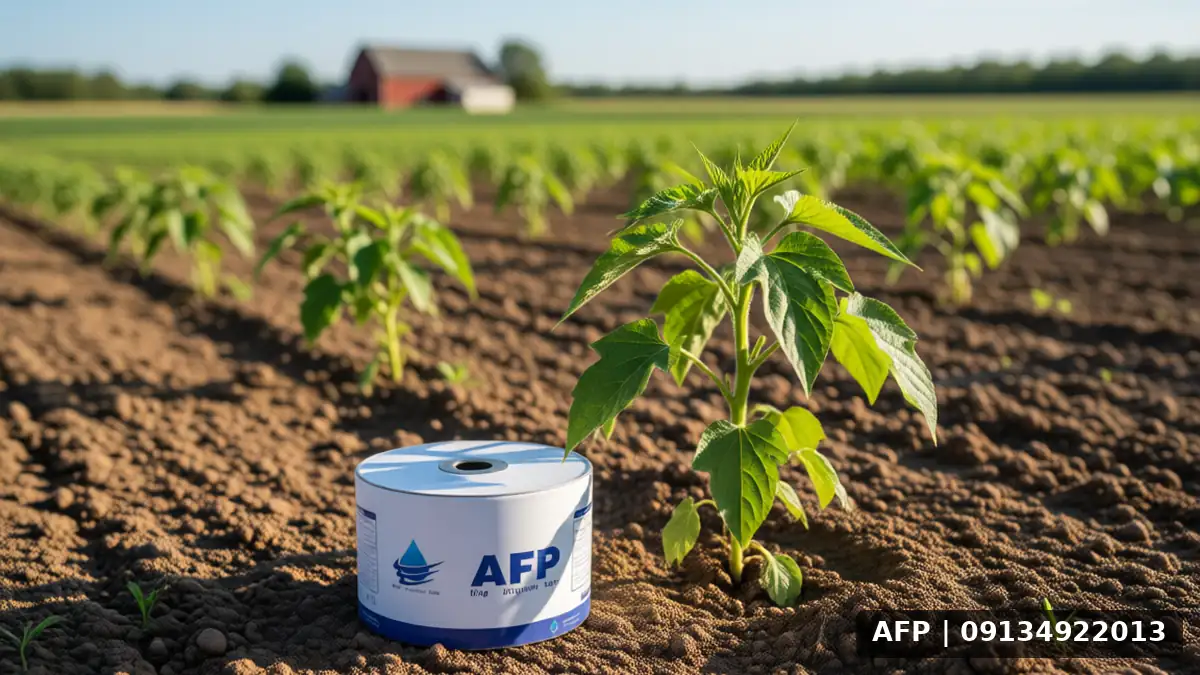
As a profitable and protein-rich crop, soybeans require precise soil moisture management. Conventional irrigation methods often lead to high evaporation and water loss. In contrast, subsurface irrigation, which delivers water directly to the root zone, can be a game-changer. By minimizing water contact with the wet edge, this method prevents the growth of weeds and surface fungal diseases while increasing yield efficiency. However, implementing this system in soybean farms is not without challenges; it requires precise knowledge of pipe spacing, operational pressure, and soil behavior. The following section examines these challenges and practical solutions, enabling farmers to adopt this technology with greater confidence on their land.
Technical and Structural Challenges in Soybean Subsurface Systems
1. Root Zone Clogging and Impact on Nutrient Uptake
A primary concern in drip and subsurface irrigation is the physicochemical stability of the soil around the drip line. Soybean roots are sensitive to oxygen deprivation. If the spacing between subsurface lines is too narrow or the water flow exceeds requirements, saturation occurs in the root zone, cutting off oxygen supply. This can cause root rot and reduce nitrogen uptake capacity. Therefore, balancing installation depth and pipe spacing is critical.
2. Sensitivity to Salinity and Siltation
In soils with high salinity or hardness, subsurface irrigation increases the risk of salt deposition around the drip line. These deposits can clog soil pores and place soybean roots under acid-salinity stress. Unlike rainfed crops, soybeans in high-salinity conditions require periodic leaching, which is more difficult to achieve in low-pressure subsurface systems. Farmers must verify the predictability of salt leaching operations by reviewing water and soil analyses.
3. Interference with sowing and plowing operations
Since subsurface drip lines are typically placed at a depth of 10 to 20 centimeters, sowing with mechanized equipment may damage the pipes. Any rupture or displacement of the line can cause water pooling and stagnant flow in part of the field. The initial system design must account for the types of machinery available on the farm. It is recommended to use depths outside the deep plow path or to install pipe protectors.
Practical tips for optimizing soybean cultivation with a subsurface system
Selecting the appropriate drip line spacing
For soybeans, which have a deep and extensive root system, the spacing between drip lines must ensure that the wetted zone of the adjacent line reaches the main root surface. In fine-textured soils, a spacing of 60 to 80 centimeters is generally sufficient, but in sandy soils, due to higher permeability, a shorter spacing (approximately 50 centimeters) may be required. These settings should be based on the active root depth of soybeans (approximately 40 to 60 centimeters). To better understand the mechanical variables of the system, consulting a guide for selecting agricultural drip lines can aid in understanding pressure and flow parameters.
Managing flow rate and irrigation timing
The best time for subsurface soybean irrigation is early morning or after sunset, although evaporation is lower in subsurface systems. However, soil temperature affects water infiltration rates. In cold soils, inlet flow rates should be reduced to prevent waterlogging in the root zone. Using smart emitters or timers can help fine-tune irrigation schedules. Additionally, adding water-soluble fertilizers to the irrigation system via fertigation can increase fertilizer use efficiency by up to 40%.
Root zone moisture monitoring
The biggest challenge is unawareness of subsurface moisture status. Using moisture sensors at root depths (20, 40, and 60 centimeters) is essential. These data allow farmers to start irrigation before moisture reaches the wilting point. Combining climatic data with moisture data provides the optimal irrigation schedule. Farmers interested in intercropping can study the guide for growing cucumber using drip irrigation and compare the different requirements of various intercropping combinations.
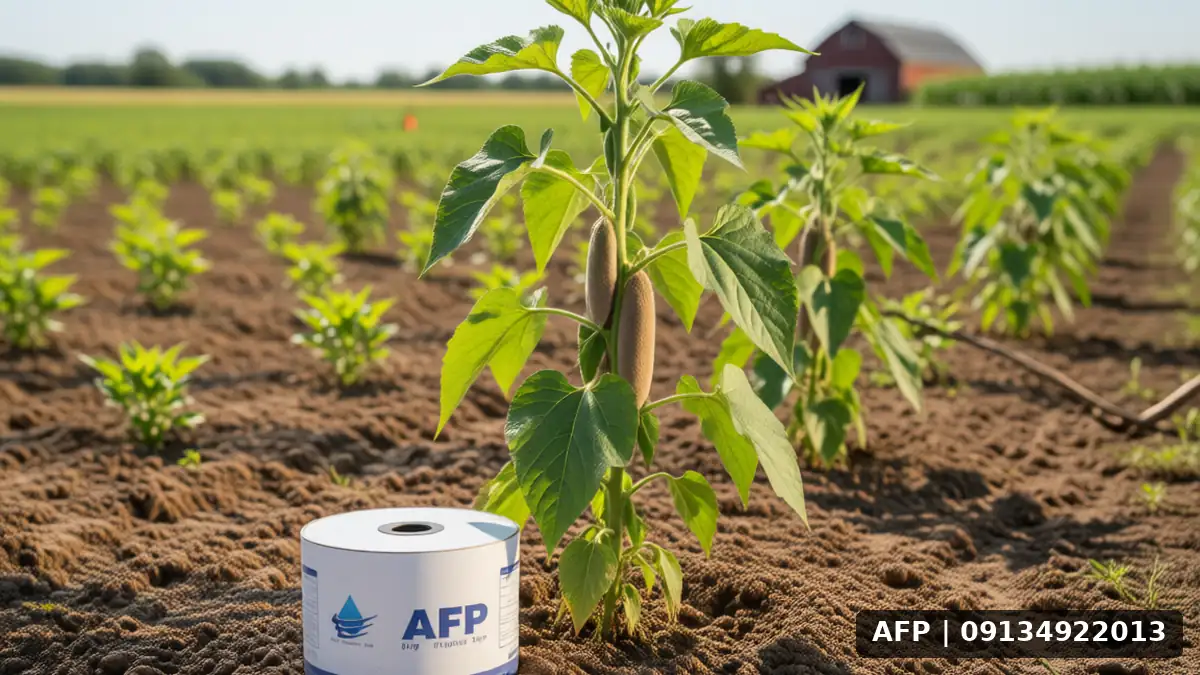
Comparative table of lateral spacing and depth for tape drip for soybean
In mixed cropping systems where soybean is used as the primary crop, managing spacing with other crops is important. To better understand spacing variables in other products, review Wheat tape drip spacing guide It can provide additional insights, as the physical principles of flow in pipes are common to all crops.
Frequently Asked Questions (FAQ)
Is subsurface irrigation suitable for all climatic conditions?
No. In areas with very low rainfall and high water salinity, the risk of salt accumulation around the tape is higher. In these areas, annual flushing with fresh water or the use of combined systems (surface drip for flushing and subsurface for nutrient delivery) is recommended.
What is the impact of subsurface irrigation on weeds?
Since the soil surface remains dry, the chance of weed germination decreases. This major advantage reduces the need for herbicides and lowers operational costs. However, management of wind-dispersed seeded weeds remains necessary. To compare with other methods, reviewing the farm seeding rate guide can be helpful to adjust crop density and the space remaining for weed management.
What is the lifespan of the subsurface drip line?
Depending on polymer quality and soil conditions, the lifespan of the lines is between 5 and 15 years. However, in acidic soils or soils containing damaging soil organisms, this duration may be reduced. Proper system maintenance and regular filter cleaning are the key to extending the system’s life.
Summary and Future Outlook
Implementing subsurface irrigation in soybean cultivation is a long-term investment to guarantee crop quality and reduce dependence on water resources. The mentioned challenges, such as sedimentation, root clogging, and physical damage, are manageable if the farmer designs the system from the beginning based on local conditions. Integrating this technology with smart sensors and remote sensing data creates a bright future for soybean cultivation in arid regions. The final recommendation is that farmers create a test section and monitor moisture and growth parameters for at least one full season before field-wide implementation to obtain optimal settings for their specific farm.
Related articles: seed amount spinach hectare optimal methods, Cotton Seed Rate per Hectare: A Comprehensive Guide for Farmers