Comprehensive Subsurface Irrigation Guide: Principles, Design, and Practical Tips
Introduction to Subsurface Irrigation and Its Importance in Modern Agriculture
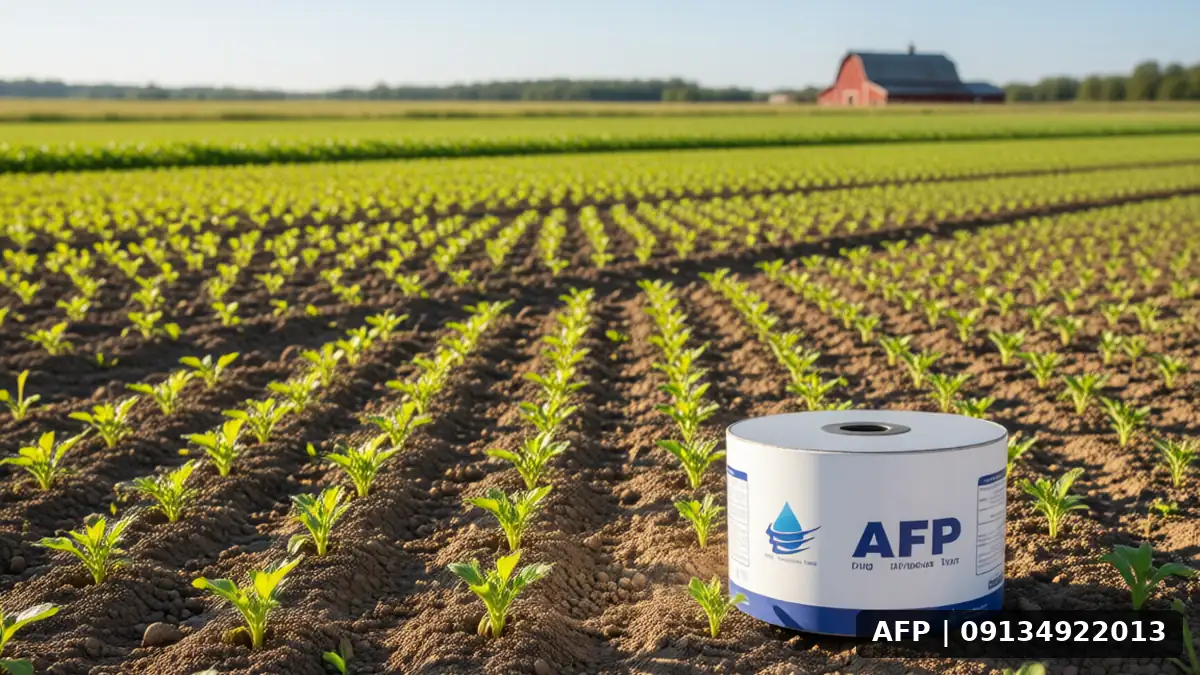
Subsurface irrigation is one of the most advanced water resource management methods, in which water is injected directly into the root zone, or the rhizosphere. Unlike conventional methods such as surface furrow or drip irrigation, this technique significantly increases water use efficiency by reducing evaporation and deep percolation losses. This method is considered an ideal option, particularly for high-value crops and in areas facing water scarcity. Given water shortages in many arid and semi-arid regions, transitioning from surface systems to subsurface systems is an economic and ecological necessity.
Mechanism of Operation and Structure of Subsurface Irrigation Systems
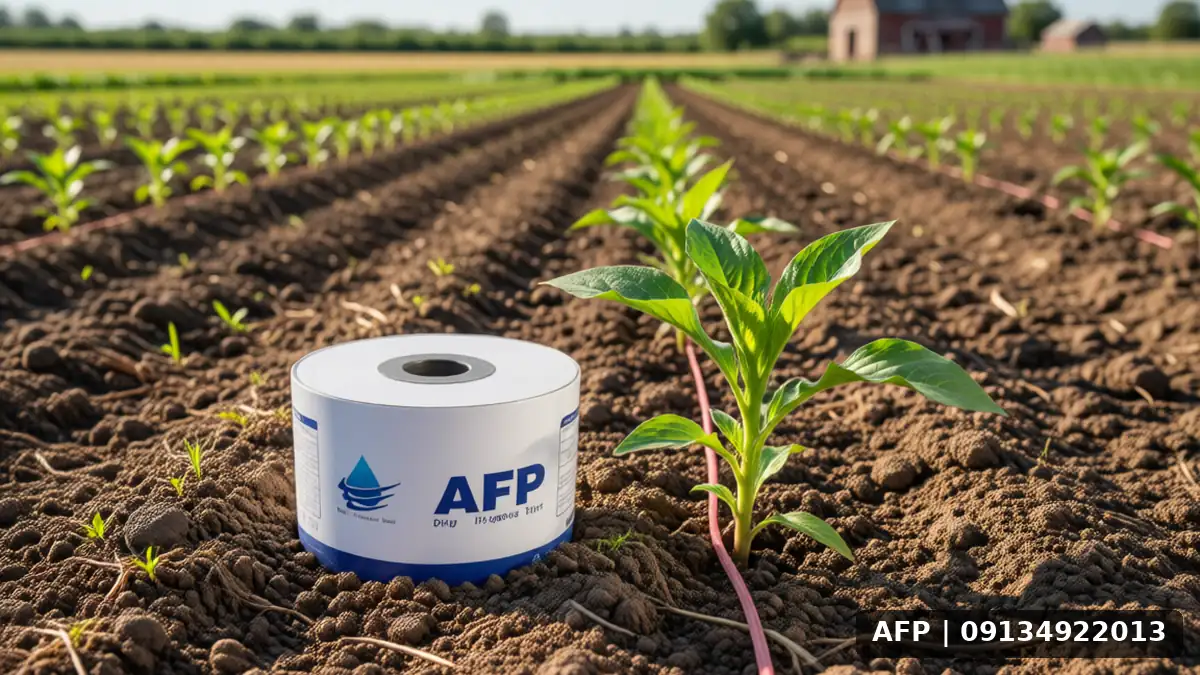
Subsurface irrigation systems consist of specialized perforated lines buried at a depth of 30 to 60 centimeters below the soil surface. Water is delivered through small slots in these tubes or via emitters placed at root depth, infiltrating the soil in a controlled and slow manner. The primary goal is to create a stable wet strip within the root zone of major plant roots. In this process, water movement from the pipe toward the roots occurs primarily through capillarity, which is very slow and uniform. This mechanism keeps soil moisture in the surface root zones (the main area of evaporation) dry, while deeper zones remain moist.
Types of Pipes and Emitters Used
- Slotted Polyethylene Pipes (Micro-tube): These pipes have small, evenly spaced holes opened at specific intervals. This type of pipe is more suitable for lower-pressure systems.
- Subsurface Emitters (Subsurface Drip): Drippers that are designed similar to surface drip emitters but are modified to withstand soil pressure and settlement. These drippers typically have a stronger internal filter.
- Lateral distributors: Lateral slope pipes are sometimes used to achieve a more uniform water distribution around the main lateral line.
Key benefits of sub-surface drip irrigation
This method offers several advantages that distinguish it from other irrigation systems. The most significant benefits include a substantial reduction in water evaporation from the soil surface and inter-row areas, as the deep root zones remain moist while the soil surface stays relatively dry. This surface dryness also contributes to weed control, because weeds typically have shallower root systems and their growth is inhibited or slowed due to the lack of surface moisture. Additionally, reduced evaporation leads to decreased soil salinity at the surface, which is a major advantage for salt-sensitive crops. Compared to using drip lines for crops, sub-surface irrigation is more efficient when water availability is limited.
Technical challenges and limitations
Despite its benefits, subsurface irrigation presents specific challenges that must be considered. First, the initial installation cost of these systems is typically higher than that of surface drip systems. Second, maintenance is more difficult because the pipes are hidden underground, making it harder to access them for repair in case of blockage or breakage. Third, a significant risk is pipe clogging caused by sediment or chemical precipitates, which can lead to uneven water distribution and dry spots in certain areas of the field. Therefore, designing a robust filtration system is critical. Additionally, this method is not suitable for all crops; crops with very shallow root systems may not fully benefit from it.
The Role of Filtration and Water Management
Filtration, as the first line of defense against clogging, must be a precise, multi-stage system. Depending on water source quality, the use of disc filters, media filters, or electromagnetic clarifiers is necessary. If the water source is a well, colloidal filtration or UV treatment may be required to control algae. In this regard, reviewing studies on advanced irrigation solutions can be helpful. Water pressure management is also important; high pressure can stress underground pipes, while low pressure causes suspended solids to settle and clog the system.
Practical Points for Design and Implementation
- Soil analysis: Before design, the soil type (sandy, clayey, loamy) must be identified. In clay soils, water infiltration is slower and requires more precise spacing of drip emitters to prevent water accumulation at single points. In sandy soils, water infiltrates faster and requires closer spacing.
- Pipe planting depth: Standard depth is typically between 40 and 50 centimeters, but it must be adjusted based on the dominant root depth of the crop. Excessive depth increases pumping energy costs, while insufficient depth may lead to re-evaporation.
- Leaching: After installation and before starting irrigation, fill the system with adequate water at the appropriate pressure to expel any air from the lines. Then, keep the system under stand-by pressure to identify leaks.
- Crop Planting: During planting, underground pipes must be protected from damage. Deep plowing can damage pipes; therefore, it is recommended to use no-till planting or precise depth measurement during sowing operations.
Cost and Maintenance Optimization
To reduce long-term costs, planning regular maintenance is essential. It is recommended to flush the system periodically (every few months) with acidic or chlorinated solutions to prevent scaling and biological growth. Additionally, completely drain the system at the end of each agricultural season to prevent freezing or microbial growth during cold seasons. For information on exact water consumption quantities per hectare, refer to the Optimal Irrigation Rate Guide.
Frequently Asked Questions (FAQ) about Subsurface Irrigation
Is subsurface irrigation suitable for rainfed farms?
No, subsurface irrigation is a pressurized irrigation method that requires a continuous water source (well, pipeline network, or river with a pump). It is not practical for rainfed farms that rely on rainfall. However, in water-scarce farms, it is excellent for supplementing rainfall.
Which crops have achieved the highest efficiency from subsurface irrigation?
High-value crops with long production cycles, such as grapes, tomatoes (under specific conditions), pistachios, and citrus, generally receive the best yield from this system. Crops with very shallow roots, such as salad or lettuce, may not fully benefit from this system unless the pipes are installed at a very shallow depth (e.g., 20 centimeters).
What is the repair cost if the pipe clogs?
Repair costs depend on the length of the pipe and the type of clog. In some cases, chemical flushing of the system is sufficient, but in the event of physical pipe blockage, part of the system needs to be replaced. Therefore, prevention through strong filtration is always more economical than treatment.
Summary and Final Recommendations
Choosing a subsurface irrigation system is a long-term investment decision. If your farm is in a region with severe water scarcity, saline soil, or high labor costs, this method can increase crop yield by 20–30 percent. For a final decision, it is recommended to conduct a small-scale pilot test in one section of the farm before installation to examine soil and crop behavior under those specific conditions. In addition to this system, using other methods such as optimizing drip emitter spacing can be a good complement for resource management. Finally, consulting with specialized engineers in filtration and hydraulic pressure can prevent technical errors and increase the system’s useful life.
Related articles: Related article Related article Related article Related article D8AFD8B1 Related article, Related article Related article Related article Related article Related article D988 Related article, 3 inch cotton pipe guide, miqdori tum kamolina dar yak gektar