Guide to Selecting and Measuring 125mm Threaded Pipes for Farms
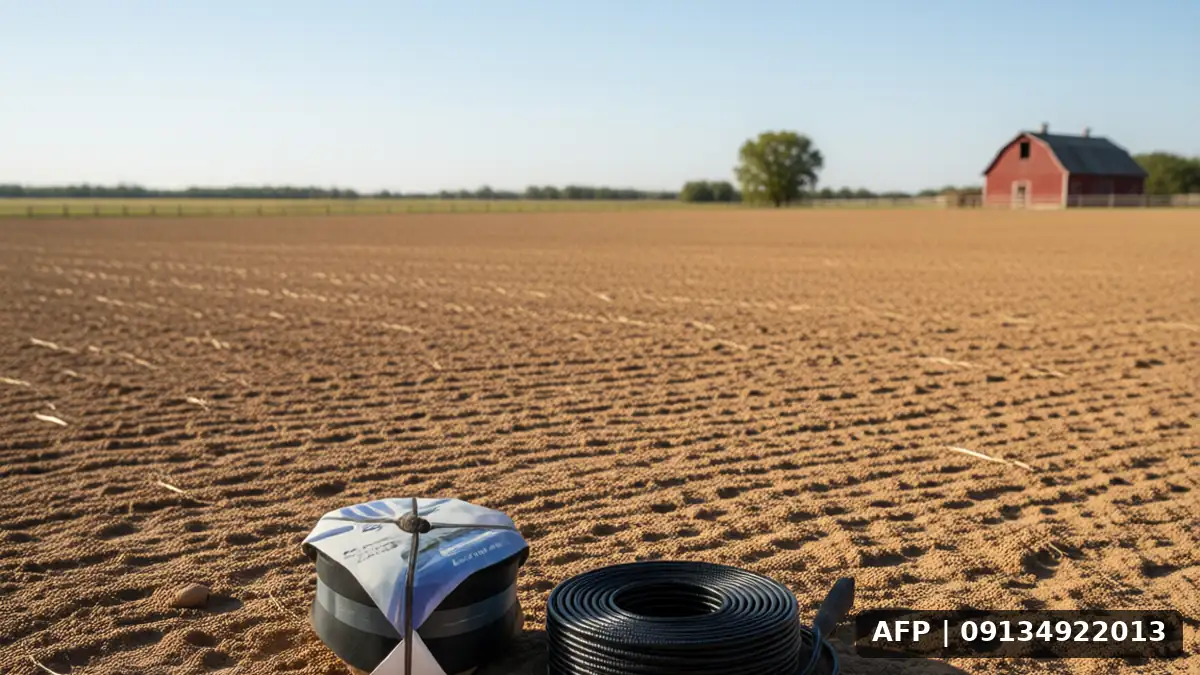
In modern irrigation systems, selecting the appropriate diameter for main pipes plays a vital role in preventing pressure loss and optimizing water consumption. Many farmers face challenges regarding coding, pressure resistance, and connection methods when dealing with 125 mm lines. 125 mm threaded pipe Due to the significant flow rate it carries, it is often used in the main arteries of consolidated crops, orchards, and medium-to-large agricultural farms.
Below, we explain exactly how to measure, purchase, and install these pipes correctly to prevent common problems such as incomplete laying or leaks at connections.
Introduction: Why threaded pipes in modern irrigation?
PVC and PP pipes, with flame-retardant technology and sandy coating, are increasingly replacing older metal pipes. The main reasons for this shift are lighter weight, insulation against corrosion, and relative flexibility during transport. 125 mm pipes are available in various thicknesses (usually 3, 4, or 5 mm, depending on working pressure). A key point is that threaded pipes include an internal plastic thread (bushing) which helps better contain pressure and prevent premature pipe failure against external pressures (such as deep plant roots or surface gravel).
Technical criteria for selecting and measuring 125 mm pipes
To ensure whether a 125 mm pipe is suitable for your farm or if you should go for 160 mm or 110 mm pipes, you must perform hydraulic calculations. However, even if you have confirmed the need for 125 mm, the method of measuring length and the number of connections is critical.
Flow rate and flow velocity calculation
The golden rule in irrigation is to maintain flow velocity between 1 and 1/5 meters per second. If the velocity is higher, hydraulic energy is lost and wear will be faster. If lower, the risk of suspended particle sedimentation and pipe clogging increases. For a 125 pipe, the standard operating flow rate is usually between 20 and 45 liters per second. If your farm’s flow rate is outside this range, you should ask an irrigation engineer to perform more precise calculations. Remember that the correct selection of flow rate directly affects yield and product quality, as also mentioned in the sub-surface plant irrigation calculation guide.
How to accurately measure pipe length
Threaded pipes are usually supplied in 100-meter rolls or 4-meter cut pipes. For accurate measurement:
- Start from the source: Start from the main pump inlet and measure the cable route or ground path to the pipe outlet location using a rope or laser meter.
- Flexibility factor: Softer pipes can stretch slightly, but always allow an extra 5 to 10 percent length during installation to prevent the pipe from snagging on bends or ground obstacles.
- Measuring the length of connection pieces: In threaded pipes, connections are usually couplings. Each coupling consumes approximately 15 to 25 cm of the line length. Deduct this from the total length.
Practical installation tips
Correct installation is the most critical part of extending the system’s useful life. The 125-mm threaded pipe, due to its diameter, is highly sensitive to mechanical stress.
Route preparation
Prevent pipe destruction by dogs, birds, or wild plant roots with a trenched channel 40 to 60 cm deep. The trench floor must be smooth. There should be no sharp stones in the path. Additionally, using bricks or protective sleeves at points where the pipe passes through tunnels or obstacles is recommended.
Fittings and couplings
Threaded pipes use a coupling system. You must insert the pipe into the coupling and then tighten the fastener. Important note: Do not insert the pipe too deep into the coupling, and do not leave it too short. A general rule of thumb is to insert 5 to 7 centimeters of the pipe into the coupling. If this is not done correctly, the pipe may detach during pressure fluctuations. For farms with harsh conditions, using metal couplings or UV adhesive couplings can be complementary solutions, but in most cases, standard plastic couplings are sufficient.
SEO focus: Answering Frequently Asked Questions (FAQ)
Answering these questions can prevent wrong purchases and save your time.
Is the 125 mm pipe suitable for drip and strip irrigation?
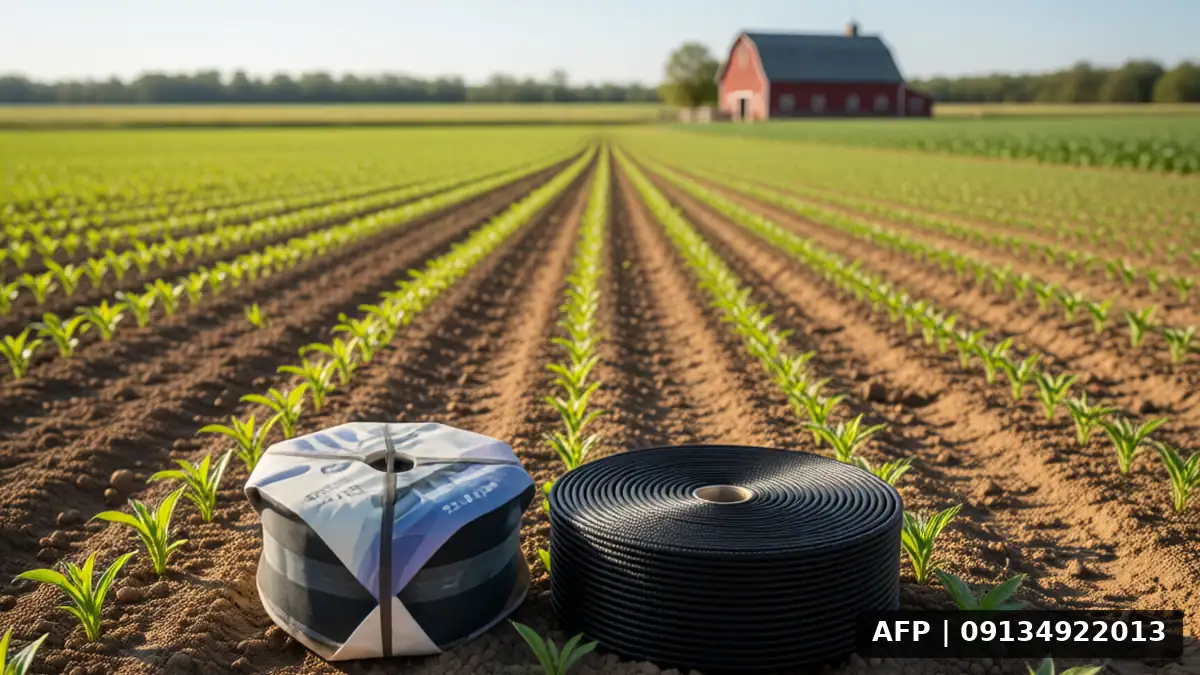
Yes, it is fully suitable. In fact, 125 mm pipes are usually used as the main line or lateral line in linear systems. In drip systems, this pipe directs the flow rate to smaller pipes (such as 16 or 20 millimeters) that are connected to drippers. In strip systems, 125 mm pipes can be used as the main line up to 160 meters and then transition to 63 or 75 millimeter pipes.
What is the difference between threaded pipes and regular pipes?
Regular pipes have only two layers of plastic. Threaded pipes have an inner thread (boss) made of HDPE or PP, which allows the pipe to transmit pressure better when closed and reduces cracking due to lateral soil pressure or roots. This feature increases the durability of the pipe in fields with heavy or sandy soil.
How can I prevent pipe bursting?
Always store the pipe in the shade and prevent direct exposure to sunlight. UV light causes the pipe to become brittle and reduces its strength. Additionally, never subject the pipe to shock on the ground while in use. Transport the pipe on a suitable roll using appropriate wheels.
Summary and Final Recommendations
Selection 125 mm pipe with threads A smart choice for farms with medium to high flow rates. To ensure optimal performance, always perform flow and pressure drop calculations before installation and use high-quality fittings. Also, keep in mind that proper seed and plant management is directly linked to irrigation system quality. For example, using suitable squash varieties and ornamental seeds requires a precise irrigation schedule. You can review the guide for tomato seed quantity per hectare and compare it with Sugar Beet Planting GuideBetter understand the direct link between production potential and the water distribution system. Ultimately, a good irrigation system only costs 20% but ensures 80% of your crop quality.
If you are looking for more specialized guides on optimizing sub-main lines, you can refer to the article Mexican Harvest Yield per Hectare and the review of the benefits of drip tape to create a more complete picture of your farm ecosystem.
Related articles: lentil irrigated yield hectare guide