Rotational Irrigation in Rye Cultivation: A Comprehensive Guide and Management Principles
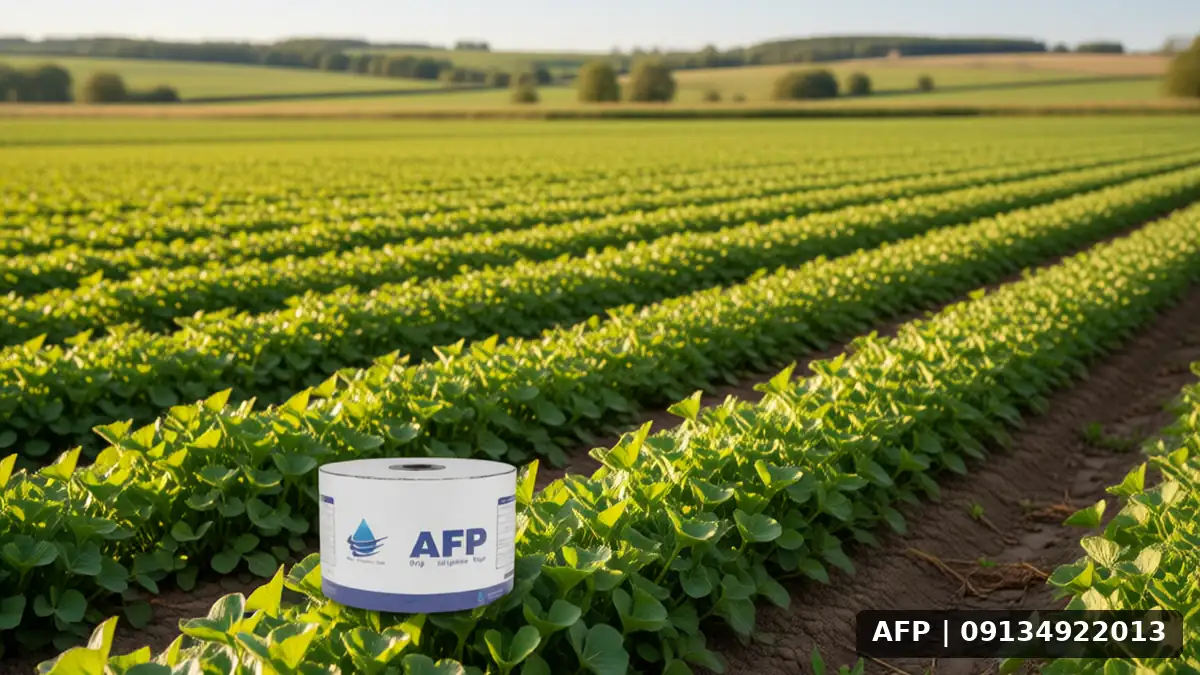
Introduction to the Importance of Rotational Irrigation in Alfalfa Cultivation
Alfalfa (Medicago sativa) is one of the most complex crops in terms of water requirements and root structure among agricultural and forage plants. It has a deep, perennial root system that can penetrate soil to considerable depths, but a significant portion of its surface root system is highly sensitive to both drought stress and temporary waterlogging. Consequently, using conventional irrigation methods such as flood irrigation not only wastes water resources but can also cause leaching of nutrients and increased soil salinity. Rotational Irrigation, as a management strategy, schedules water distribution at different times across various plots or sections of the irrigation system to prevent overloading water sources and maintain optimal soil moisture at an appropriate depth. This method plays a critical role in ensuring the sustainability of alfalfa yields, particularly in semi-arid climates with limited access to surface water resources.
Principles and Mechanisms of Rotational Irrigation
In modern irrigation systems, particularly drip tape and drip line, the concept of rotation can be implemented in two ways: at the temporal level (scheduling irrigation for different blocks) and at the spatial level (switching water flow from the main line to laterals). In rye cultivation, due to high planting density and continuous moisture requirements, drip tape systems offer higher stability. Rotational irrigation keeps rye roots continuously in contact with the moist soil zone (root wings) without creating completely dry areas in parts of the soil. This root dynamism directly affects the nitrogen-fixing capacity of Rhizobia, which operate mutually in rye root nodules. If soil moisture drops excessively, Rhizobium activity ceases, endangering nitrogen production. Therefore, coordinating the drip rate/tape flow with the water rotation interval is the key to success in this system. Additionally, rotational irrigation allows the farmer to adjust irrigation volume across different blocks based on seasonal water demand changes. For example, in spring, when rye vegetative growth is rapid, shorter irrigation cycles and higher water volumes are defined, whereas in late autumn, cycles become longer to facilitate root rest.
Technical analysis of drip tape and drip systems for rye
Selecting the irrigation system type is the first step in designing a rotational schedule. The drip tape system, due to its low cost, easy installation, and suitability for leguminous crops, is an ideal option for clover. However, the pipe diameter and emitter spacing must align with the planting depth of the clover. In this regard, understanding water infiltration depth is crucial. Clover is a plant whose active root zone is typically between 30 and 60 cm. Therefore, the operational pressure of the irrigation system should be adjusted so that water from the drip tape is distributed uniformly to a depth of 50 cm. If the pressure is excessively high, water will rapidly infiltrate beyond the active zone, reducing water supply to the surface roots (which are the primary water consumers). Conversely, if the pressure is too low, water will not be distributed uniformly along the line, and stalling will occur at the end of the laterals. To better understand the general principles of pressurized irrigation and its differences from other methods, you can refer to the comprehensive article Subsurface irrigation of plants However, for clover, surface irrigation with drip tape with higher controllability is recommended. Another critical point is the connection of the tapes to the main pipeline. Using standard agricultural drip tape connectors prevents water leakage and physical damage to the tape at connection points, which can disrupt the rotational irrigation schedule and cause dry patches in the field.
Timing planning and water requirement calculations
Accurate scheduling of rotational irrigation without considering the soil water balance (Water Balance) is not possible. The general formula for calculating the water requirement of clover is based on crop evapotranspiration (ETc) and crop coefficients (Kc). In hot months, the crop coefficient for clover in the first year of planting may reach 1.2, but in subsequent years, as the root system stabilizes, this coefficient decreases to 1.0 or even lower. Therefore, the rotational schedule should not be static; it must be dynamic and adjusted based on local weather data. A practical approach is to divide the field into three equal blocks, where Block A is irrigated on the first day, Block B on the second day, and Block C on the third day. This three-day cycle ensures sustainable soil moisture coverage. To view reference tables regarding the water requirements of various plants per hectare, you can refer to the guide Guide to Vegetable Yields per Hectare as a comparative reference, although clover is not a vegetable plant, the principles of water distribution per unit area are similar. Also, for plants that replace clover in the crop rotation cycle, viewing the Guide to Summer Crop Yields can be useful for planning irrigation in subsequent years.
Operational optimization and field monitoring
Implementing irrigation scheduling is as important as monitoring and maintaining the system. Minor faults in drip lines, such as clogged emitters, can prevent some ryegrass plants in an irrigation cycle from receiving water. Therefore, installing soil moisture sensors at different depths (20 and 50 centimeters) in various field blocks is essential. These sensors send real-time data to adjust rotation schedules. Additionally, proper filtration of incoming water to the system prevents clogging of drip tape micro-holes due to mineral deposits or organic matter. To learn about filter types and common faults in irrigation systems, study the page Common faults in drip tape and pipes is recommended. Regular maintenance and periodic flushing of drip tapes ensure system stability throughout the 3 to 5-year useful life of ryegrass. Also, if using flushable flat drip tape, the line can be flushed at the start of the season with short alkaline pressure to clear potential blockages.
Sustainability challenges and soil impacts
One of the primary concerns in permanent clover cultivation is the accumulation of organic matter in the root zone and the reduction of soil microporosity. Rotational irrigation, by creating alternating moisture stresses (which induces expansion and contraction of soil particles), helps restore soil porosity. Additionally, this method prevents localized salinization; while in radial irrigation, salts accumulate on drier surfaces, in rotational band-tee irrigation, localized flushing occurs in the root zone. However, water infiltration depth must be precisely controlled to prevent the leaching of nitrogen from the surface layer to depths beyond the root zone. This is particularly important in clay-silt interlayered soils with high deep permeability. Farmers should adjust the water dose by observing soil behavior after irrigation. If the soil remains saturated after irrigation, it indicates that the rotational program has excessive volume, and irrigation cycles should be adjusted to shorter, more frequent intervals with a smaller dose.
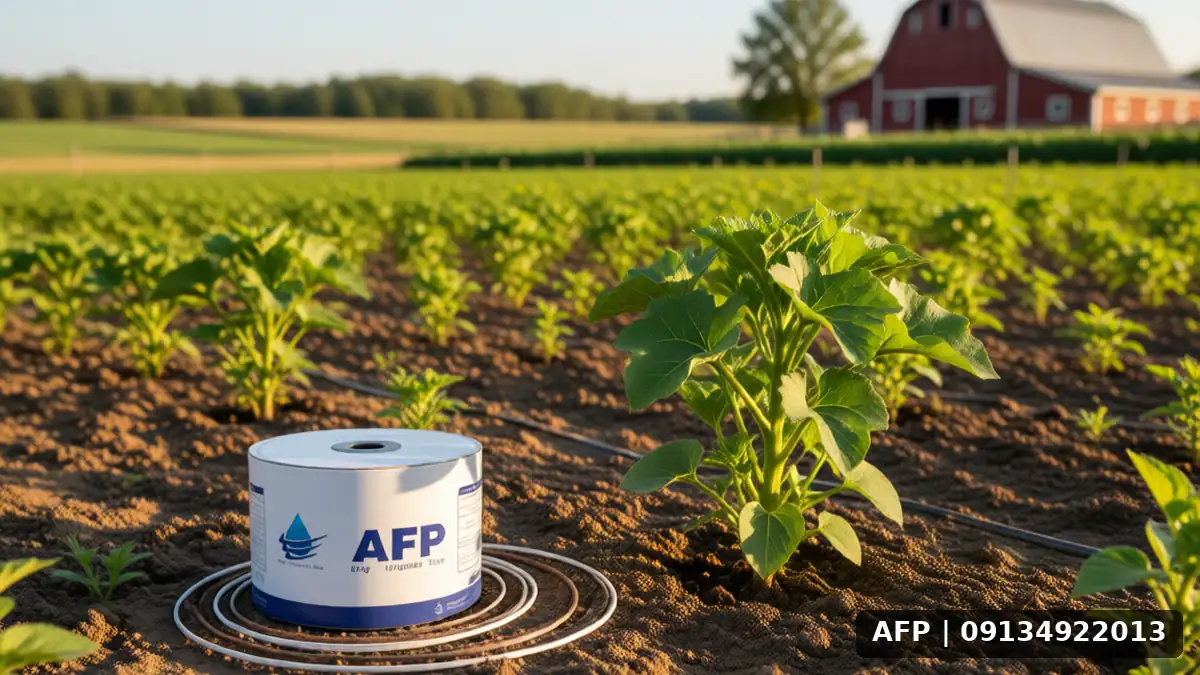
Frequently Asked Questions about rotational clover irrigation
Does rotational irrigation increase the dominance of weeds in mixed cropping systems?
No. If the irrigation schedule is accurately based on the physiological requirements of clover, weeds—which generally have shallower, weaker root systems—will suffer greater damage from the temporary water stress caused by the interval between rotations, reducing their competition with the main crop. However, if the rotation interval is excessively long, water stress will also affect the clover, creating an opportunity for more tolerant weeds to grow. Therefore, maintaining balance is the key.
What is the difference between clover irrigation and cabbage and carrot irrigation in a rotational system?
Cabbage and carrots have much shallower root zones (approximately 20-30 cm) and shorter crop rotation cycles. Therefore, the rotation system for them should be implemented with much lower application rates and higher frequency but with less penetration depth. Clover, due to its deeper root system, requires moisture stability to depths of 50-60 cm. For a precise comparison, you can refer to the guide on Red kidney bean cropping systems to see an example of plants with deep rooting and similar water stability requirements, although clover is more woody. Additionally, examining yield per hectare shows that dense plantings like cucumbers have a different irrigation pattern compared to the scattered planting of clover.
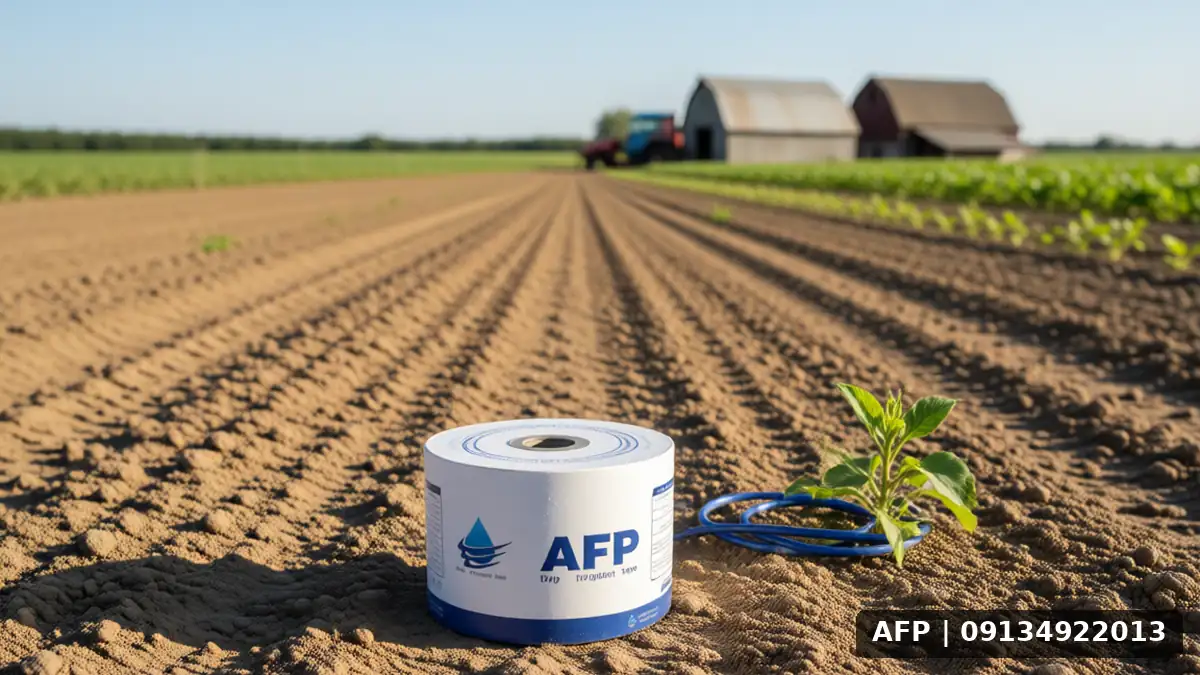
Summary and final recommendations
Implementing rotational irrigation in clover cultivation is not only about water savings; it is a tool for managing root health and improving forage quality. Success in this method requires a deep understanding of the overlap between soil, water, and plant factors. From selecting appropriate filters and safe drip tape connections to precisely adjusting rotation cycles based on field data, every component plays a role in this system. Farmers are advised to use expert consultations and refer to the guide on Tips before purchasing irrigation drip tape to avoid unexpected costs resulting from the selection of unsuitable equipment. By adhering to the principles mentioned in this article, farmers can achieve the production of vigorous and sustainable clover that is unrivaled in both biological productivity and nutritional value in the semi-arid climates of Iran.
Related Content: Plastic-plate drip irrigation tape