Rotational Irrigation in Wheat Cultivation: Benefits and Practical Considerations
Introduction to the Importance of Rotational Irrigation in Wheat Cultivation
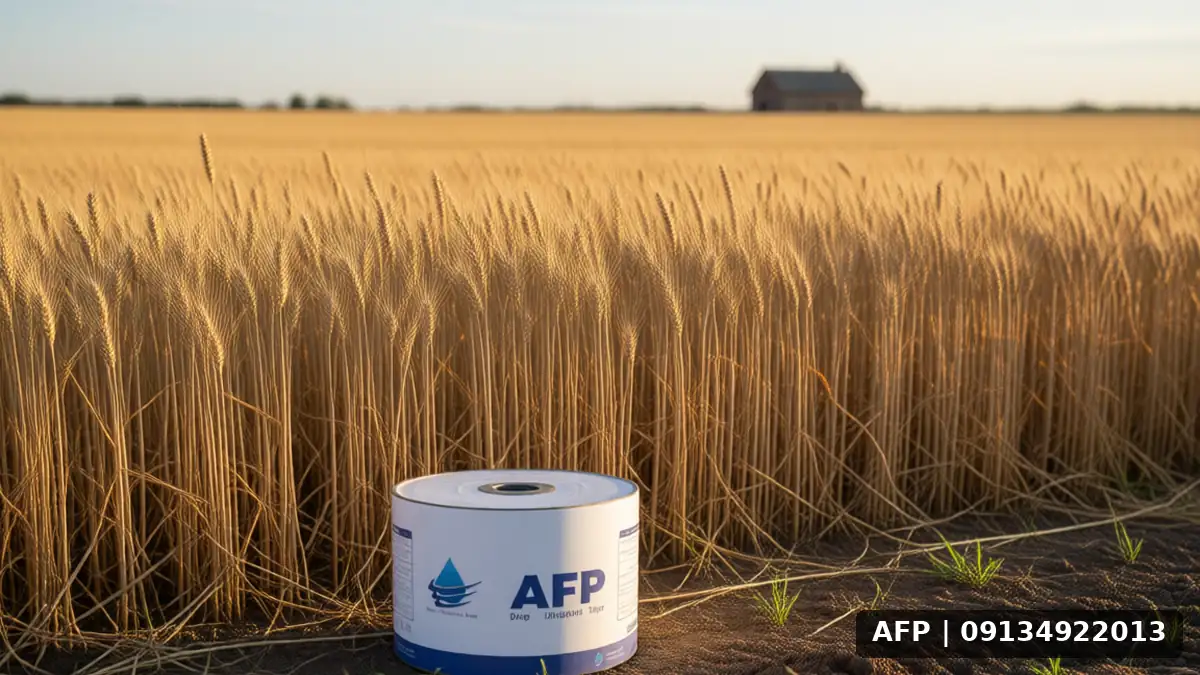
Wheat is one of the most important agricultural crops in the world and in Iran. Despite its moderate water requirements, proper management can play a decisive role in increasing yield and reducing production costs. Among various irrigation methods, rotational irrigation has gained attention due to its flexibility and adaptability to various soil and water conditions. Instead of irrigating all field blocks simultaneously, this method allows for optimal water resource management by alternately irrigating different sections. The following section discusses the specific benefits and key implementation points of this method in wheat cultivation and analyzes its impact on crop quality and quantity.
Key Benefits of Rotational Irrigation in Wheat Fields
Increased Water Efficiency and Reduced Energy Costs
One of the most prominent benefits of rotational irrigation is the reduction of total water consumption compared to simultaneous irrigation. By dividing the field into smaller sections and irrigating on rotation, pressure on water resources is reduced, enabling the use of low-volume sources or even water recycling. Additionally, this method can reduce the need for high-capacity pumping equipment during peak demand hours, significantly lowering electricity costs. To better understand the relationship between irrigation methods and resource management, refer to the guide on Sprinkler Irrigation: Quantities and Impacts also refer to it, although drip and tape irrigation are more effective for wheat, they share similar management principles. These management similarities highlight that energy efficiency is critical in all modern systems.
Improved root health and reduced water stress
Rotational irrigation, particularly when combined with drip or tape systems, delivers water to wheat roots more uniformly and at optimal depths. This reduces water stress during sensitive growth stages, such as grain filling, which directly impacts grain weight. Maintaining adequate soil moisture also promotes better root system development and more efficient nutrient uptake. By reducing extreme moisture fluctuations, physiological plant stress is lowered, and roots have more opportunity to extend deeper into the soil, increasing plant stability against drought and wind.
Better control of weeds and soil-borne diseases
Regular and controlled irrigation cycles reduce ideal conditions for rapid weed growth. Additionally, by limiting prolonged surface moisture, the risk of certain soil-borne fungal and bacterial diseases is decreased. This benefit lowers pest and disease management costs and improves crop health. Soil health management through smart irrigation is a hidden but critical aspect of this method that is often overlooked by farmers.
Practical tips for successful implementation of rotational wheat irrigation
Precise planning of field zoning
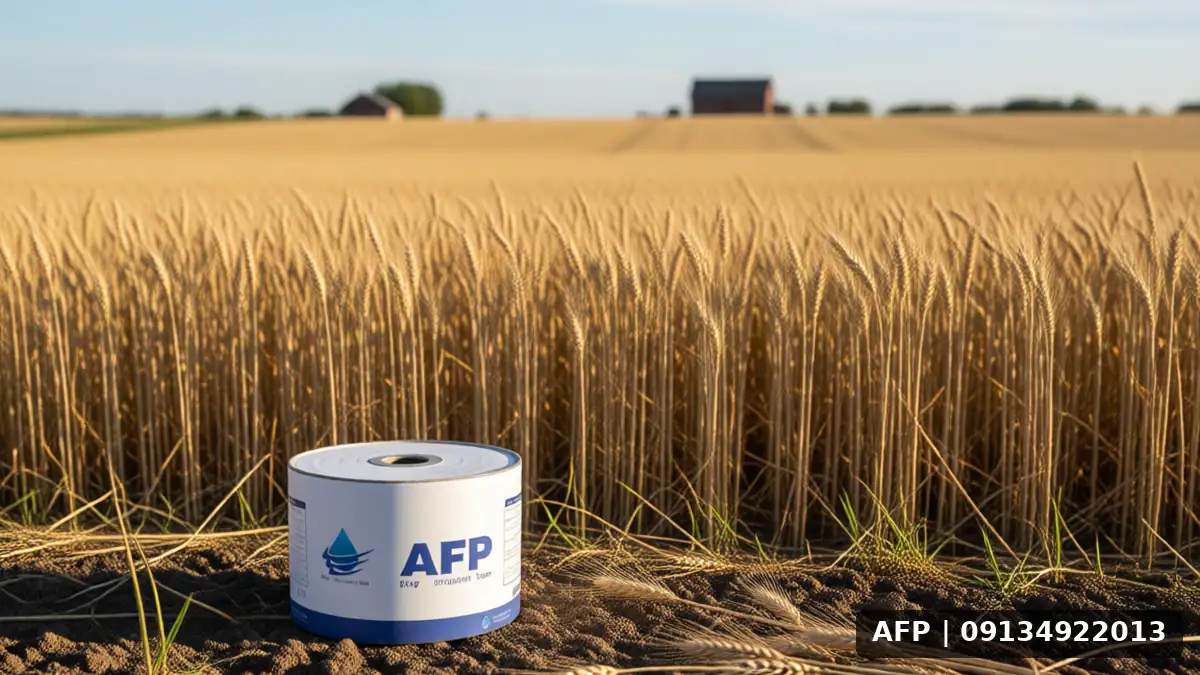
Before starting, divide the farm into manageable blocks. This division should be based on soil type, land slope, and water accessibility. Ensure the irrigation system (such as drip line piping) is installed so that each section can be controlled independently. To ensure optimal system performance, it is recommended to use high-quality equipment. Guide Leek yield per hectare It can help you estimate the resources needed for each section, although this number differs for wheat, the principles of resource estimation and distribution are similar. Understanding the relationship between plant density and water availability is key to designing appropriate sections.
- Designating control points and individual valves for each section.
- Creating an irrigation schedule based on the actual water requirements of wheat at each growth stage.
- Determining the rotation order (e.g., north section first, then south, etc.).
- Regularly monitoring soil moisture using handheld meters or smart sensors.
Impact on Wheat Yield and Quality
Proper water management directly affects wheat yield potential. Providing optimal water conditions allows for higher yields. If using common planting methods, understanding red lentil seed rates per hectare and tips for increasing yield may be useful for comparing similar root systems. However, for wheat, the balance between plant density and water resources is critical. This balance is of double importance under rotational irrigation, highlighting the need for high precision in planting.
Support for Drip and Strip Band Irrigation Methods
Rotational irrigation is inherently highly compatible with drip and strip band irrigation systems. These systems enable precise control of water flow to each zone. For more information on optimizing strip band systems for lentil crops, which share similar root-level characteristics with wheat, you can refer to the guide on Strip Band for Lentils: Drip Water Guide The technical principles for installation and operation of many of these systems are applicable to wheat cultivation. A deeper understanding of these principles helps farmers make the best technical choices for their specific climate.
Frequently Asked Questions (FAQ)
Is rotational irrigation suitable for wheat during the early growth stages?
Yes, but with greater precision. At this stage, water requirements are lower and irrigation intervals are longer. Rotation must be adjusted based on actual soil moisture needs to prevent seed washout or damage to young roots.
How can I prevent water waste in a rotational irrigation system?
By using pressure-reducing valves and precise timing control. It is also essential to regularly seal leaks in hoses and fittings. Proper equipment maintenance is half the success of this method.
Does this method require complex systems?
Not necessarily. Even with manual valves and careful scheduling, the benefits of rotation can be achieved. Automated systems simply enhance precision and convenience and are recommended for larger farms.
Conclusion and final recommendations
Implementing rotational irrigation in wheat cultivation is an effective step toward more sustainable and productive agriculture. By focusing on precise resource management, this method reduces water loss and creates better conditions for plant growth. The key to success lies in planning, continuous monitoring, and adaptability to local field conditions. Farmers can achieve the best results in reducing costs and increasing yield stability by combining rotational irrigation principles with modern systems such as drip irrigation. This comprehensive approach minimizes risks associated with water variability.
To compare with traditional methods, you can refer to the guide for furrow irrigation to briefly understand the advantages of modern methods. Ultimately, practical practice and learning from others’ experiences are the best path for a deep understanding and proper execution of rotational wheat irrigation. Studying technical documents and visiting model farms accelerates this learning.