Rotational Irrigation in Spinach Cultivation: A Comprehensive Guide to Cost Optimization and Efficiency
Introduction to the importance of water management in spinach cultivation
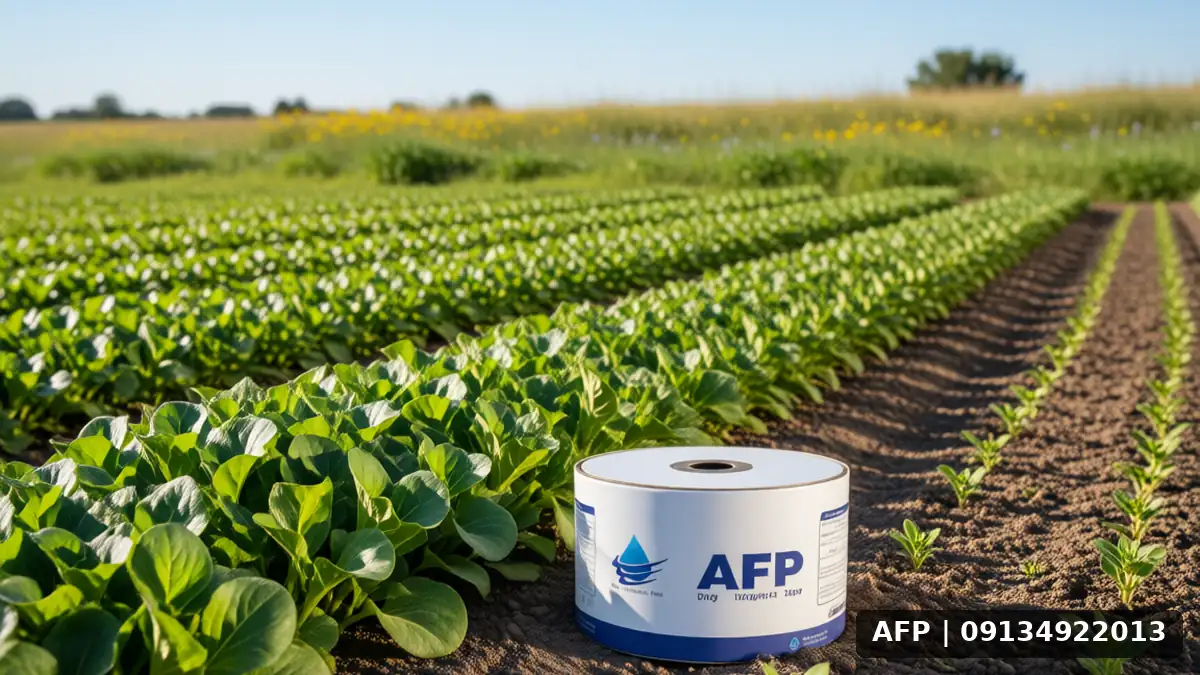
Spinach is a high-demand, fast-growing vegetable requiring rapid drainage cycles and regular water supply. Using conventional irrigation methods, such as flooding, leads to significant water wastage, soil salinity, and reduced operational efficiency. In contrast, Rotational irrigation as an advanced strategy, enables the logical allocation of resources to different field blocks. This method, coordinated with valve systems, allows only specific plots to be irrigated at any given time while other sections rest or are in the next cycle stage. This approach is critical for crops like spinach that depend on uniform soil moisture. The objective of this section is to examine how operational costs can be reduced by optimizing the rotation pattern, enabling the farmer to achieve maximum yield with minimum energy and water consumption. Proper implementation of this process requires a precise understanding of plant biology and local climatic conditions.
Technical principles of rotational irrigation and the role of the drip line
For the successful execution of rotational irrigation, the correct selection of irrigation system components, particularly the drip line, is essential. Drip lines are the first choice for vegetable cultivation in Mazandaran and similar regions due to their suitable permeability and uniform water distribution. To reduce costs, one should use The importance of inspecting the land and correctly installing the drip line and polyethylene pipe Do not overlook the fact that any imbalance in system pressure will result in capital waste. In a rotational system, the field is divided into equal blocks. For each block, a separate drip line is connected to a Brun valve. The irrigation schedule is set so that the entire field area is covered within a single full cycle (e.g., 48 to 72 hours, depending on weather conditions). This time distribution reduces pressure on the main pipe network, allowing for the use of smaller, more energy-efficient pumps, which directly saves on energy costs. Additionally, leveling the land prior to installation plays a key role in ensuring uniform water flow.
Optimal cost analysis: From installation to operation
Optimal cost is not limited to the purchase price of equipment but includes the total capital and operational costs over the entire project lifecycle. From a capital perspective, using durable drip tapes and selecting Ideal wall thickness of drip irrigation tapes prevents damage and frequent replacement costs, considering the site’s mechanical conditions. In terms of operational costs, the reduction of water and energy consumption is the main factor in improving financial balance. Spinach typically requires more irrigation in the first week of drainage, and in the second week, due to rapid growth, water requirements decrease while sensitivity to drought increases. By adjusting the irrigation cycle based on soil pressure in different blocks, over-irrigation can be prevented. Spinach is a crop sensitive to temperature and humidity, and for more precise calculations regarding yield, one can refer to Yield of spinach per hectare and ways to increase it to understand the relationship between proper resource management and final yield. Also, for a more accurate estimation of yield and comparison with other crops, Yield of rosemary per hectare As an example, another forage crop can be useful in economic analyses. Comparing fixed and variable costs between these two crops provides the farmer with a better perspective.
Practical tips for correctly implementing the rotation system
- Plot division: Rotation blocks should be designed so that the interval between any two consecutive blocks does not exceed one and a half days, to maintain moisture balance throughout the field.
- Brass valve installation: Using fixed pressure or pressure-compensating brass valves is the most reliable method for maintaining uniform flow output, even with minor pressure fluctuations in the network.
- Drip line compatibility: When connecting drip lines to sub-lines, use standard fittings to prevent water leaks and pressure drops. Using thinner drip lines to increase the number of emitters can reduce costs, but they must be resistant to clogging.
- Pressure monitoring: Installing a pressure gauge at the beginning of each drip line allows you to evaluate system performance in each cycle and identify clogging of emitters due to sediment. This monitoring process also reduces preventive maintenance costs.
FAQ Answers
Is rotational irrigation suitable for spinach in all seasons?
Yes, but irrigation dose and duration must be adjusted according to ambient temperature. In spring and early summer, when temperatures are milder, irrigation cycles can be slightly longer. However, in midsummer, cycles should be shorter and more frequent to prevent leaf scorch. Using moisture sensors to calibrate these cycles increases precision.
What is the initial cost of a rotational system compared to a fixed system?
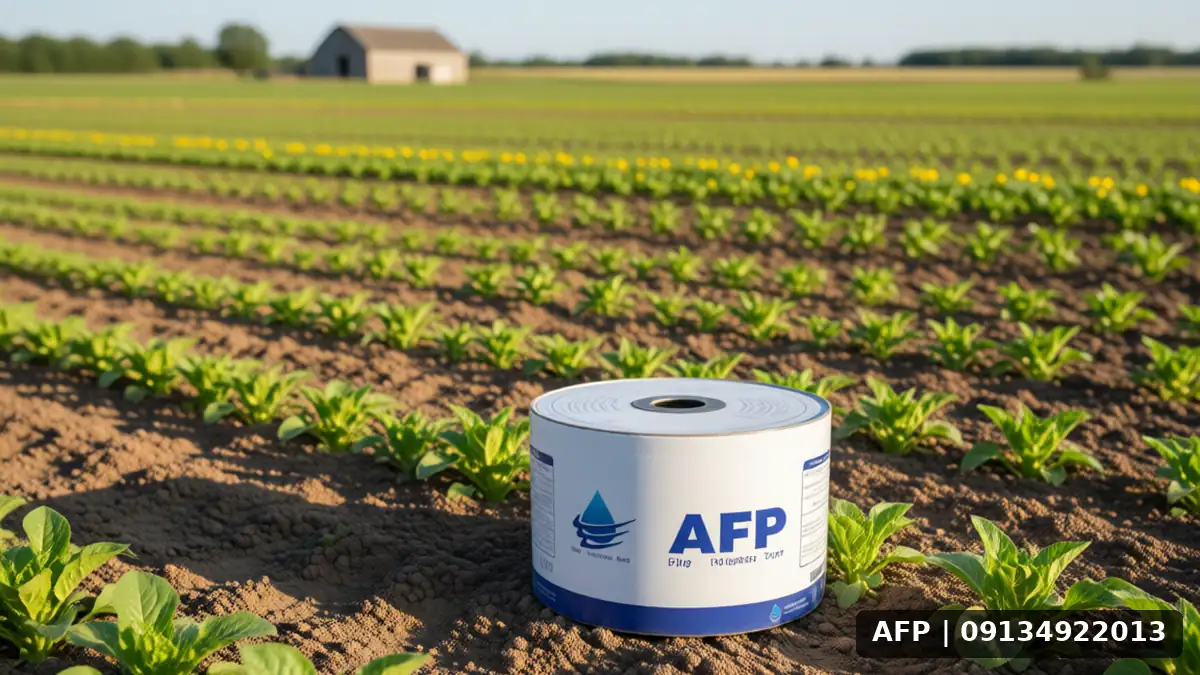
The initial cost of a rotational system is usually lower because only a portion of the drip lines are active at any given time, eliminating the need for a high-capacity pump for the entire field. This feature also reduces the need for larger main pipes, resulting in significant savings on pipe purchase costs. For a better understanding of cost calculations, the article on drip line costs per hectare can help with initial estimates. Additionally, considering the useful life of the lines is essential for economic calculations.
Can this system be used for other crops such as fodder corn?
Yes, the general principles are similar, but drip line configurations must be adapted to the specific crop. Fodder corn has higher water requirements and may require lines with wider emitter spacing. To understand the water needs of this crop, you can read the article on fodder corn seed rate per hectare to better grasp the relationship between planting density and water requirements. Additionally, onion seedling products also benefit from this system; to learn about planting methods, check the onion seed rate per hectare.
Conclusion: A Sustainable Future Through Smart Water Management
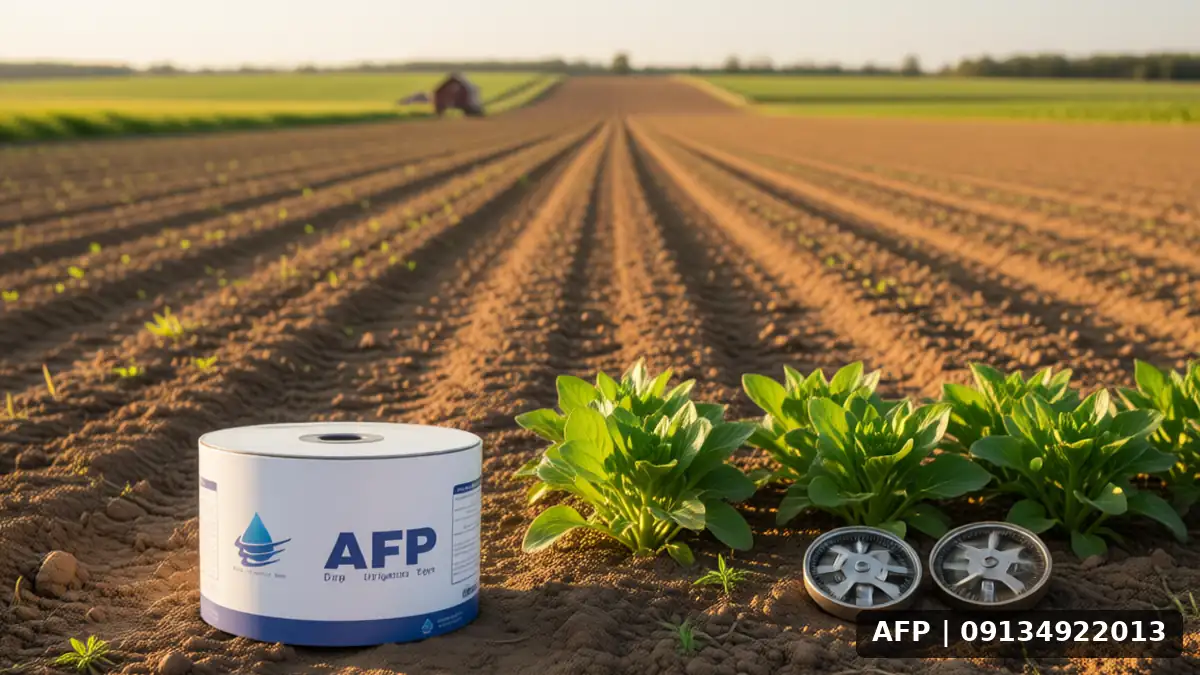
Implementation Spinach Rotational Irrigation Using high-quality drip tapes represents a strategic investment in reducing production costs. This method not only significantly decreases water and energy consumption but also enhances crop quality and consistency through precise soil moisture management. Success depends on attention to execution details, including selecting the correct drip tape thickness, fine-tuning valve settings, and aligning operations with local climatic conditions. By adhering to these principles, farmers can avoid unnecessary expenses and achieve sustainable economic efficiency. It is recommended to leverage local experience and consult with irrigation engineers to calibrate initial system settings based on local soil type and water source before final installation. This approach ensures the farm’s financial sustainability.