Reducing Evaporation with Drip Irrigation: A Comprehensive Guide to Water Efficiency
In recent years, water scarcity and environmental pressures have prompted farmers to seek innovative solutions for conserving water resources. Reducing Evaporation with Drip Irrigation This is one of the primary objectives of utilizing these advanced systems. Unlike spray irrigation, which exposes water to wind, direct sunlight, and low air humidity, drip irrigation delivers water directly to the plant root zone. This method not only significantly reduces water waste but also promotes more uniform moisture distribution in the soil. The following section provides a comprehensive examination of evaporation reduction techniques, the technical specifications of tape drip lines, and practical guidelines for implementing these systems.
Technical Fundamentals of Evaporation Reduction in Drip Systems
To gain a deeper understanding of how these systems operate, their physical structure must be understood. In drip irrigation, hydrostatic pressure is applied in a controlled manner with a steady flow rate to the plant. This process requires a precise understanding of crop water demand and field conditions . When water enters the soil as slow-moving droplets, the contact area between water and air is minimized. Conversely, in surface irrigation methods, the wetted surface area of the soil is extensive, resulting in high evaporation rates. Additionally, water residence in deeper soil layers shields it from the effects of intense solar radiation.
Another critical parameter is irrigation scheduling. Performing irrigation during the peak heat of the day causes temperatures to rise and increase surface evaporation before water fully penetrates to depth. Therefore, evaporation reduction strategies with drip irrigation often involve scheduling irrigation during cooler night hours or early morning. These schedules can be automated using smart timers and pressure controllers, ensuring system stability.
Drip Tape: An Effective Tool for Moisture Management
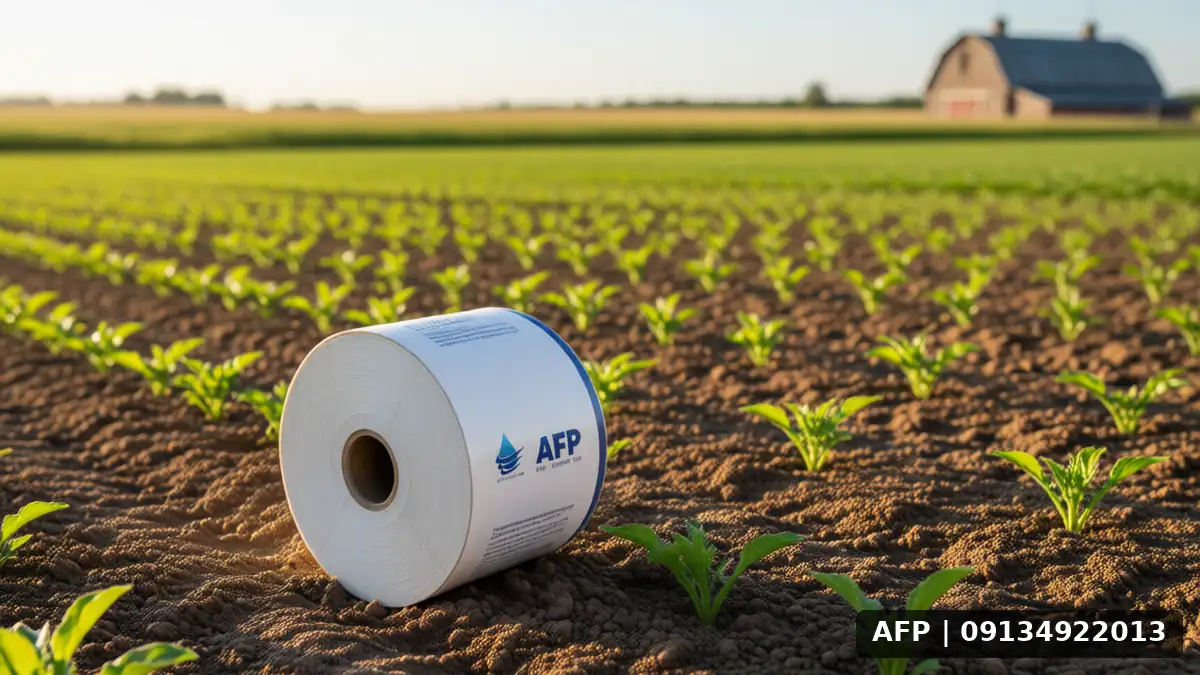
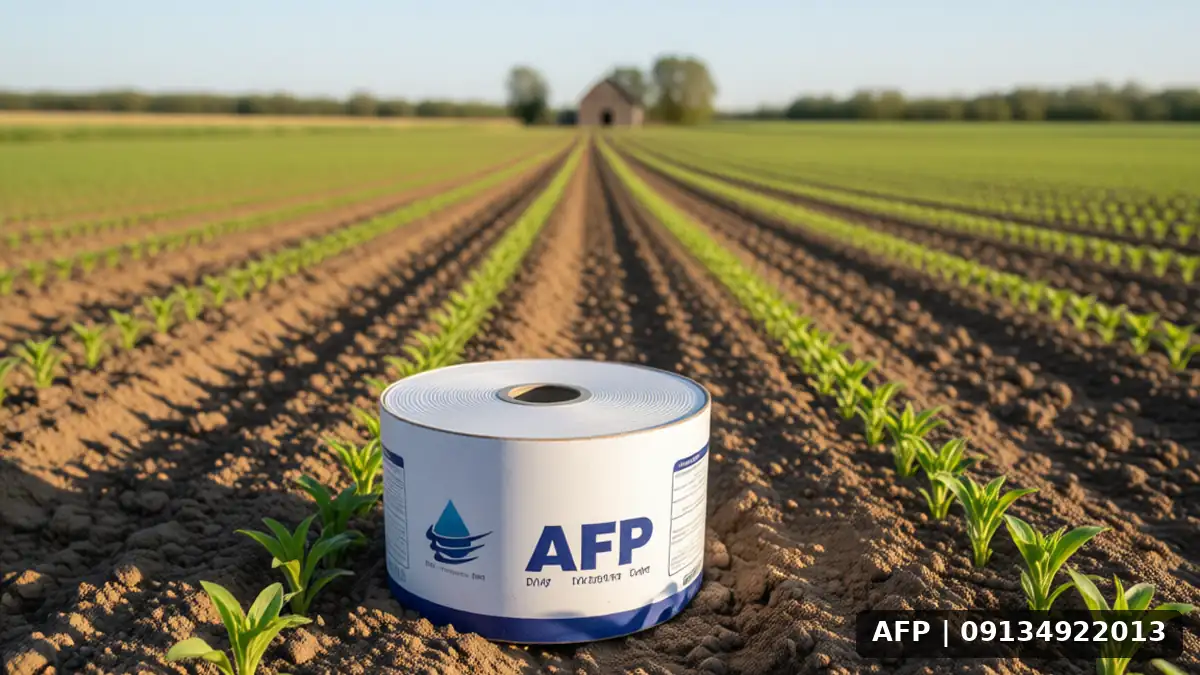
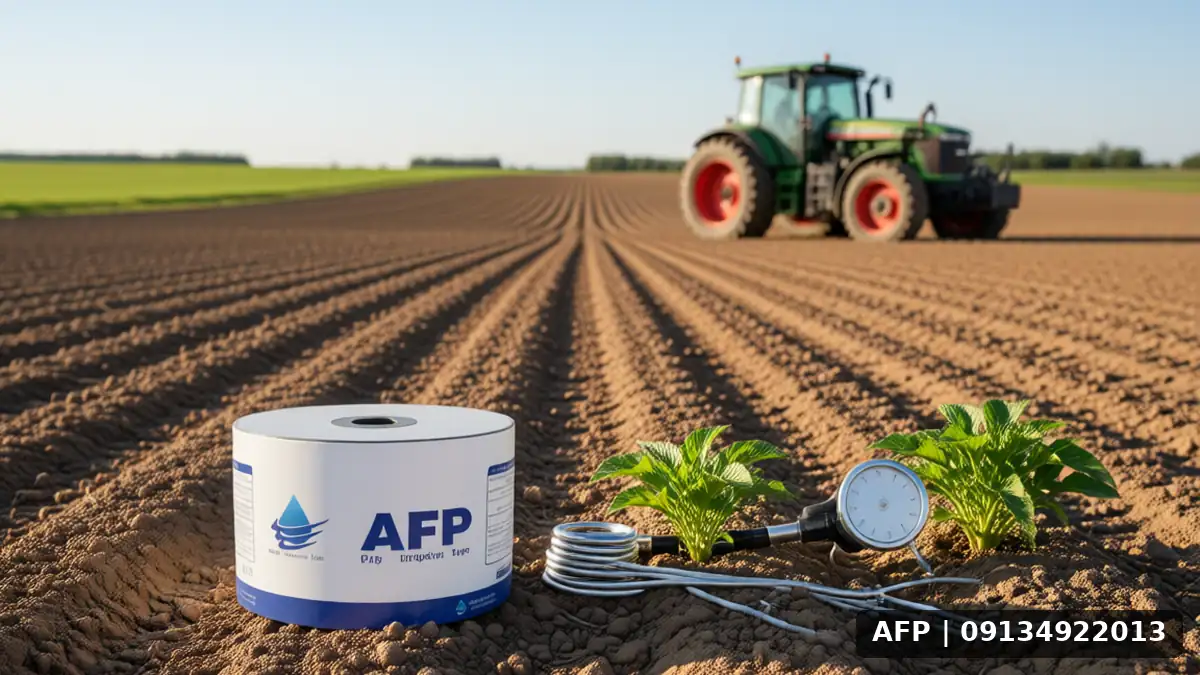
Drip tape, as a type of disposable drip line for the growing season, holds a special place in row-crop plantings such as corn, potatoes, and vegetables. These tapes are typically manufactured with thicknesses of 1 to 4 millimeters and emitter spacings suited to the plant’s estimated needs. To achieve the best results, you must carefully select the appropriate type of tape. The technical features of the tapes, including resistance to UV radiation, chemical resistance to pesticides and soluble nutrients, and operating temperature, determine their useful life. You can consult the Complete Guide to Drip Tape Irrigation Technical Specifications for more details. Selecting a tape with appropriate diaphragms ensures that even in the event of minor pressure differences along the pipe, the output flow rate remains constant.
In addition to hardware settings, software management and maintenance of the tapes are also critical. Clogging of emitter holes is a common problem that can lead to uneven irrigation over time, resulting in increased plant water stress. Therefore, preventive measures against clogging, such as using disc filters, backwashing, and regular pipe flushing, are an integral part of drip tape irrigation maintenance and management. Adhering to these points ensures water distribution uniformity is maintained and ultimately reduces excess water consumption used to compensate for dry spots.
Practical Solutions for Optimizing Drip Systems
Many farmers think that simply installing the pipes is sufficient, but in reality, system efficiency depends on the correct layout in the field. Several practical tips to reduce evaporation and increase efficiency include:
- Soil Surface Cover: The use of straw, mulch, or plastic sheeting (Mulching) alongside the drip system acts as an insulator and significantly reduces the rate of evaporation from the soil surface. This combined method stabilizes soil temperature and prevents weed growth.
- Strip spacing optimization: Placing drip lines directly beneath the plant stem, where the main roots are located, is the most efficient layout. Excessive spacing of the lines causes water to be lost as it moves laterally through the soil to reach the roots.
- Flushing management: Drip systems should be designed to discharge excess water at the end of each irrigation cycle to prevent salt deposits from accumulating in the line emitters. This practice extends the system’s lifespan and maintains uniform flow rates.
Additionally, attention to soil type is critical. In clay soils with low permeability, use larger emitter spacing and lower flow rates to prevent water from percolating to lower layers. Conversely, in sandy soils, denser emitters with higher flow rates are recommended. Accurately identifying the farm’s soil type is the first step in correctly configuring the pump and system pressure. By considering the water requirements of different plant species, you can prevent the wasteful and costly misuse of water resources.
The impact of water economy on final crop yield
The proper implementation of evapotranspiration reduction systems with drip irrigation has a direct effect on farm economics. Reducing water consumption means lowering energy costs for pumping and costs calculated based on volume consumed. Additionally, improving the quality of root-zone moisture delivery leads to more uniform plant growth and an increase in the quality of the final product. In industrial crops such as forage corn, precise water management can create a significant difference in fiber and protein yields. Therefore, investing in high-quality drip irrigation systems is, in the long run, the most self-sustaining investment for a farmer. To learn about the potential for increased yield in specific crops, study Guide to increasing forage corn yield per hectare can provide you with useful information.
Frequently Asked Questions (FAQ)
Is tip line suitable for all plants?
Tip line is primarily designed for row crops and single-season cultivation. For perennial orchards like carrots or persistent leafy greens, permanent drip lines (Drip Line) are usually recommended because they have a longer service life. However, for annual crops, tip line is a preferred option due to its lower cost per hectare. For further guidance, you can use Guide to calculating the cost of tip line for one hectare Use.
How can I prevent clogging of the tape holes?
Using appropriate filters (disk or sand) at the system inlet, removing sand and suspended particles from the water source, and performing periodic reverse flushes are the most important strategies. Also, avoid dissolving incompatible chemicals and fertilizers in the irrigation water.
Is full field coverage with drip tape mandatory?
No, coverage should be based on the plant’s root requirements and climatic conditions. In arid regions, using tapes with closer spacing (i.e., shorter distance between two tapes) is sometimes more beneficial to distribute moisture over a wider radius. However, a balance must be maintained between installation costs and irrigation efficiency.
Summary and Final Recommendations
The use of drip and drip tape irrigation systems is no longer a luxury option but a necessity for the survival of sustainable agriculture. Reducing evaporation with drip irrigation Adhering to technical principles, correct scheduling, soil surface coverage, and systematic management directly enhances profitability and conserves water resources. Farmers should focus on continuous maintenance and annual optimization of their systems rather than solely on initial installation. Understanding the technical details of drip tapes and recognizing estimated crop water needs is key to success in this process. By properly implementing this technology, you can achieve higher yields with reduced water consumption and contribute to a more sustainable and environmentally friendly agriculture.