Rainfed Wheat Cultivation: Deep-Root Challenges and Innovative Alternative Strategies
Introduction
Wheat, as one of the world’s most important food grains, requires precise water resource management to achieve optimal yield. In many regions, seeding density per hectare is determined based on climatic conditions, but irrigation methods play a more decisive role in crop success. Rainfed-style irrigation, where water is sprayed onto the soil surface at high pressure like rain, was historically common in wheat cultivation due to equipment simplicity. However, this method currently faces significant challenges, necessitating a serious review of the irrigation system. This review is not merely a technical issue but an economic necessity for preserving water resources, which will be elaborated in subsequent sections.
Technical Challenges of Rain-Spray Irrigation in Wheat
The use of sprinklers and spray nozzles for wheat, especially during early growth stages, faces fundamental problems. One of the most important challenges is damage to seeds and young seedlings . High-velocity water droplets can displace seeds, bury them deeper, or break the stems of sensitive seedlings in the first few days. This directly affects the final plant density per hectare, leading to reduced production.
- High water evaporation: A significant portion of sprayed water is lost through evaporation before reaching the soil and infiltrating to the root zone.
- Ice formation and water stagnation: In some regions, temperature fluctuations cause water droplets to freeze inside the nozzles, leading to blockages in the lines and preventing uniform water distribution.
- Changes in soil structure: Continuous application at high pressure can compact the soil surface and reduce its porosity, hindering the establishment of wheat roots.
Comparison with newer standards
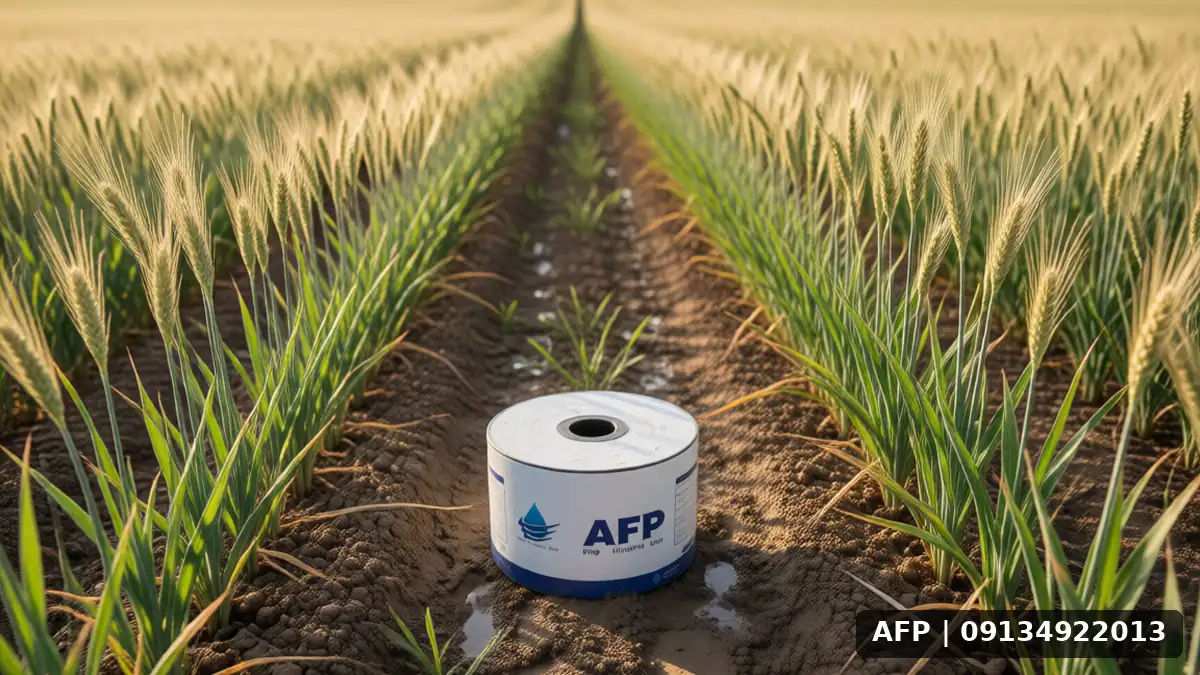
In contrast, innovative methods such as Drip tape for peppers: A comprehensive guide to drip irrigation focus on delivering water near the root zone. This fundamental difference drastically reduces water loss. It is also essential to carefully select drip tape and consider specific factors before purchasing to ensure the proper material texture and product lifespan. Choosing the appropriate spare parts and accessories at this stage is critical.
Practical Tips for Managing Challenges
If a farmer is forced to continue using rain-fed irrigation due to economic or infrastructure constraints, observing the following points can mitigate some issues. These measures require high patience and attention from the user:
- Nozzle Pressure Adjustment: Reduce pressure to the minimum required level to prevent seed yellowing. Larger nozzles with higher flow rates and lower velocities are more suitable for wheat.
- Use of Vegetative Cover: Planting wheat in intercropping systems with plants that provide ground cover can protect the soil from erosion and direct droplet impact.
- Irration Timing: Irrigate during cool hours (early morning or evening) to prevent excessive evaporation. Also, avoid irrigating immediately after planting to allow seeds sufficient time to establish.
- System maintenance: Regular cleaning of nozzles to remove mineral deposits and biological contaminants is critical. To improve water quality and prevent clogging, use appropriate filters and occasionally utilize principles of mountain mycorrhiza Ufa Hemdouni per hectare or other soil conditioners can help promote stronger root development and increase plant resilience to water stress.
Alternative approach: Why drip lines?
Transitioning from sprinkler irrigation to drip or drip line systems is a significant step toward sustainable wheat cultivation. Drip lines are an attractive option due to lower costs compared to standard drip systems and their high efficiency in row planting. Although wheat is typically grown in rows, applying principles of corn drip tape spacing forage corn guide can be inspiring, as the spacing principles for water delivery lines in forage and food crops are adaptable. Determining the appropriate drip line spacing based on the wheat planting pattern ensures that water is distributed precisely in the primary root zone.
Additionally, examining principles of direct irrigation of farmland, orchards, and pastures shows how direct management of water resources can affect operational costs. This resource-management-focused approach is essential for maintaining sustainable wheat production.
Frequently Asked Questions (FAQ)
Is there a difference in sprinkler irrigation between winter wheat and spring wheat?
Yes. Spring wheat grows faster in warmer conditions, requiring greater care to avoid damage to developing seedlings. Sprinkler irrigation carries a higher risk under these conditions. Winter wheat, exposed to colder temperatures, makes sprinkler nozzle icing a particularly sensitive issue and requires special care.
When is the best time to switch from sprinkler to drip irrigation?
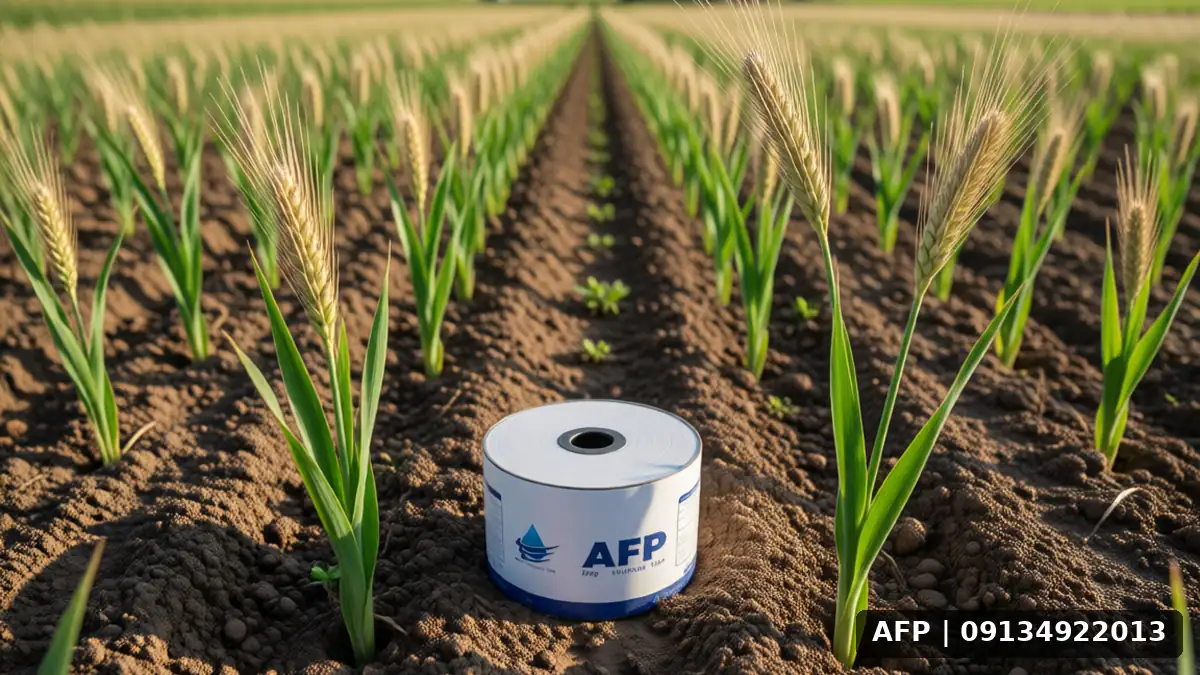
Typically, installing drip tape is easier during seed preparation and before sowing. If you have an existing sprinkler system, you can designate the drip system as the primary method and use the sprinklers, if available, as backup or for seed washing when installing the drip system. Planning for this transition should be done in the previous agricultural year.
Does water quality affect the performance of sprinkler irrigation for wheat?
Water quality (maximum limits, EC, pH) is important in any method. However, in sprinkler irrigation, suspended salts may deposit on wheat leaves, causing burn. This issue is significantly less severe in drip tape, which delivers water below the soil surface, where water quality directly affects plant health.
What is the overhead cost of sprinkler irrigation compared to drip tape?
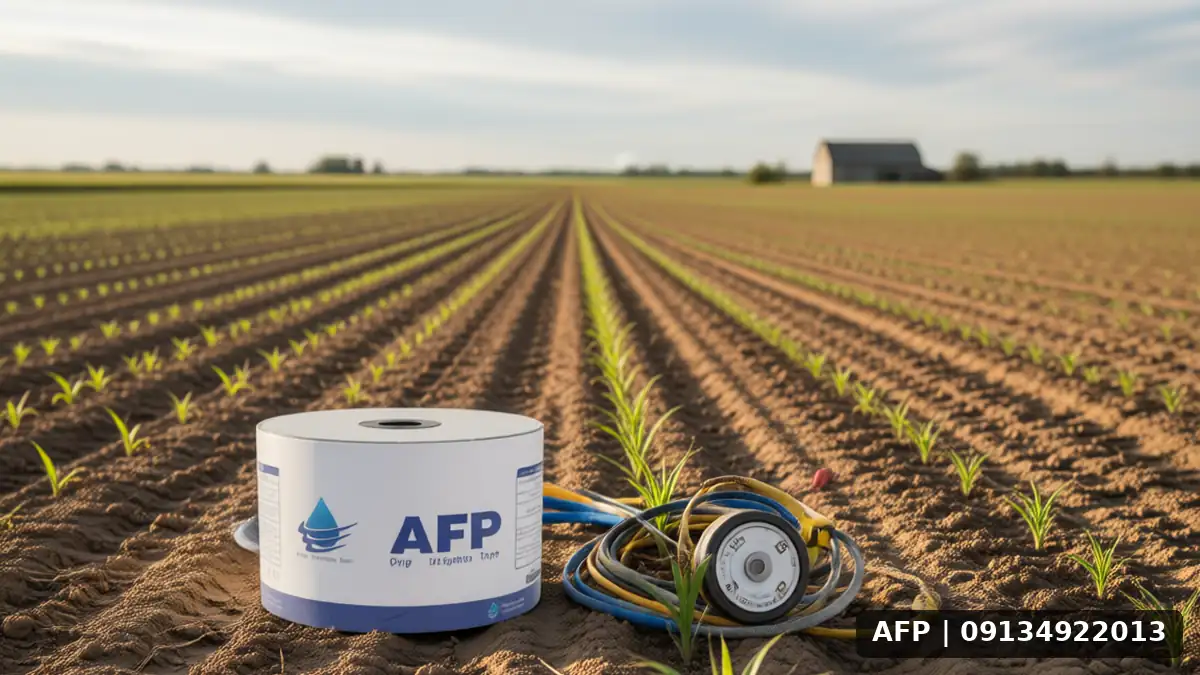
The installation cost of drip tape is usually lower than that of a complete drip system and is comparable to flush nozzles or sprinkler systems, but its efficiency is much higher. This cost difference is justified in the long term due to reduced water consumption and increased crop yields. Farmers should compare costs over a multi-year period to make the best decision.
Summary
Sprinkler irrigation in wheat cultivation, despite its long history, is currently declining due to environmental, economic, and technical challenges. Seed damage, water loss, and dependency on climatic conditions make this method unsuitable for modern agriculture. The transition to drip tape systems not only increases water efficiency but also helps produce high-quality wheat with better per-hectare yields by reducing water stress and maintaining root zone moisture. Farmers must carefully assess… tol fotuti nori tip dar kunor dukhtashuda va ba plastka Focusing their investment in more sustainable technologies, such as [the tape type and corner stitch/drip tape with plastic and other system components], to escape dependence on erratic rainfall and high costs of free water. This is the first step toward the future of the agricultural industry.