Rainfed Irrigation and Runoff in Lentil Cropping: Challenges and Solutions
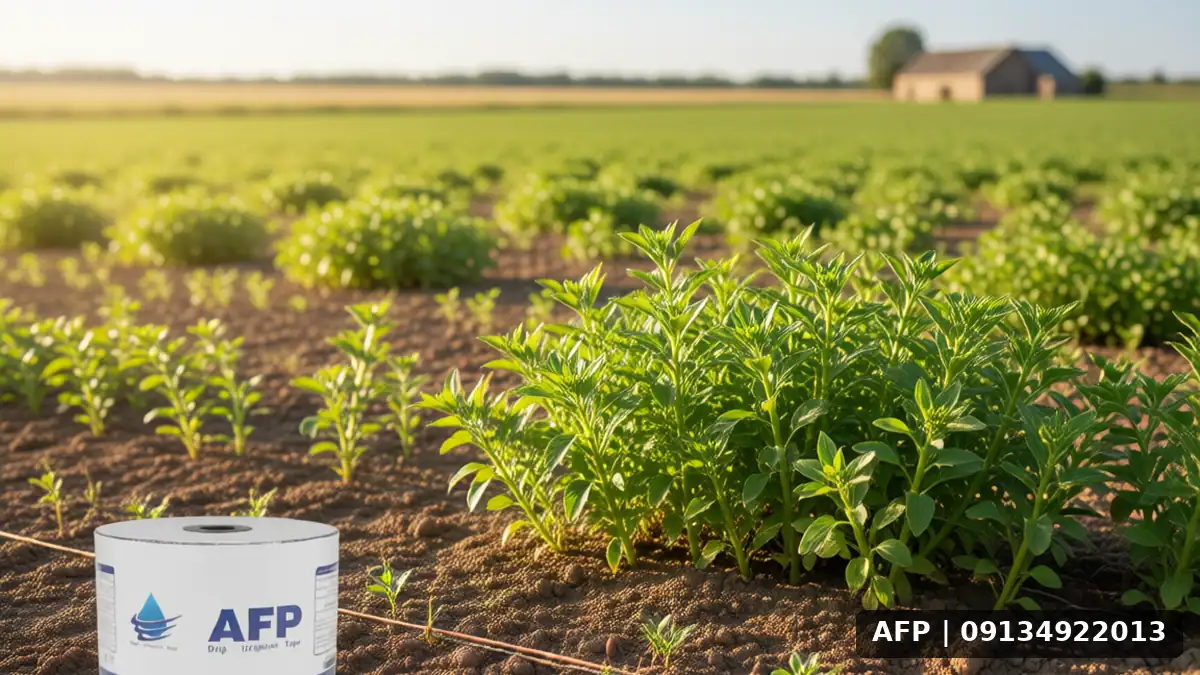
Introduction: Opposing Twins in Lentil Farms
Lentil is one of the most important legumes in Iran’s cropping landscape, requiring moderate temperatures and proper drainage. For economic reasons, many farmers use the sprinkler irrigation method with runoff In this method, water is sprayed onto the soil surface through plastic pipes at medium pressure, and the movement of water causes runoff or surface tillage of the soil. Although this method is cheaper than micro-sprinkler irrigation, it can pose serious challenges in lentil cultivation, which has sensitive shallow roots. The goal of this article is to precisely identify these challenges and provide solutions to reduce the negative effects of runoff on lentil yield. We also compare this method with the water delivery of drip irrigation to help you make the best choice for resource management.
Runoff Physics and Its Effect on Lentil Root Structures
Lentil is a plant with a root system that typically has limited depth. Suspended particles in the sprinkler water flow create dynamic pressure that disperses soil structures. This phenomenon, known as Surface runoff Surface runoff not only damages soil texture but also contributes to the loss of surface nutrients. In areas with slope, the effects of erosion are multiplied. Research indicates that as the splashing coefficient increases, the amount of rill erosion in lentil plots increases. This is particularly important during the first seven days after sowing when the soil is loose and roots are not fully established. Therefore, adjusting the impact pressure and droplet diameter is the most critical factor in managing this method.
Effect of runoff on soil permeability
When water droplets hit the soil at high speed, they dislodge the surface layer and clog small pores. This phenomenon significantly reduces permeability. Consequently, instead of water infiltrating the soil, it flows on the surface, intensifying runoff. This vicious cycle can lead to the formation of mud crusts and reduced oxygen supply to lentil roots. To break this cycle, the use of vegetation cover or mulching is recommended.
Management challenges in lentil cultivation under rain erosion
Managing irrigation with the runoff method requires continuous monitoring. One of the biggest challenges is the non-uniform distribution of water. End sections of channels or pipes typically suffer from under-watering or excessive splashing. Lentil is sensitive to water stress, and severe fluctuations can affect nodule formation and, consequently, crop yield per hectare. Additionally, salinity caused by surface evaporation in dry regions, which is exacerbated by rain splashing, poses a serious threat to lentil roots.
- Soil erosion: Loss of topsoil and reduced yields.
- Spread of pests and diseases: Water flow can disperse pathogens throughout the block.
- Increased salinity: Accumulation of salts in the surface soil layer.
- Low efficiency: Energy wasted in transporting water from the canal to the field.
Practical solutions to reduce erosion and increase efficiency
To overcome the challenges mentioned, implementing the following points is essential. These solutions can guide you towards higher efficiency. We recommend that you combine these principles with modern systems wherever possible. For example, using drip systems can be considered as an alternative or complementary option, which, in terms of yield of maize and other sensitive crops, has higher efficiency.
Sprinkler System Optimization
- Determine the maximum allowable spray pressure based on soil depth (usually under 5 bars).
- Use emitters with a spreading mechanism to control the drip volume.
- Install a pressure-compensating system to ensure uniform distribution along the length of the hose.
- Determine the yield of spring barley and other small grains which may have similar water needs to lentils.
Soil and Plant Management
Implementing agricultural practices such as tilling, planting cover crops, and mulching with straw can help in dissipating the energy of raindrops and reducing erosion. In addition, regular monitoring of soil moisture using sensors prevents temporary over-irrigation. Paying attention to the yield of coffee and other specific crops may reveal a pattern of soil response to different irrigation methods.
Comparison of Sprinkler and Tape Drip Irrigation in Chickpea Farms
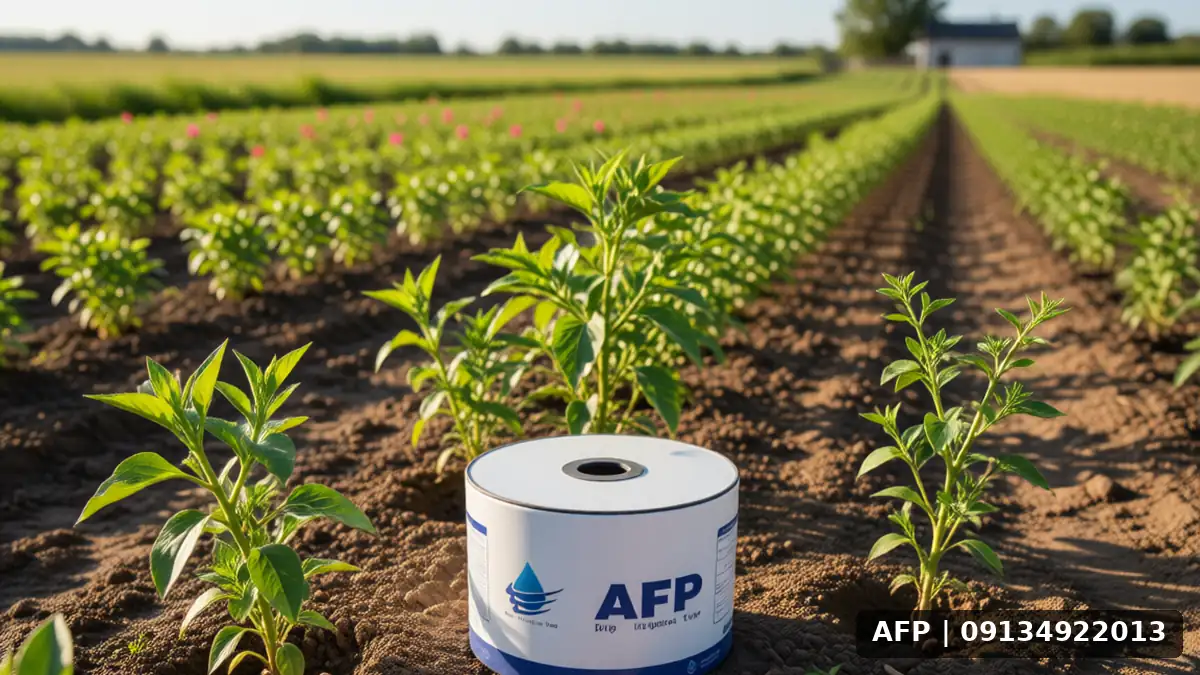
Many farmers find it challenging to choose between sprinkler and tape drip irrigation. Tape drip offers very low water runoff due to the closer distance between emitters and root zones, but has higher initial setup costs. Evaluating the importance of the dripper and tubing shows that tape drip requires more complex maintenance but is superior in water efficiency. For chickpeas, if the field has a gentle slope, tape drip is the recommended choice. In areas with steeper slopes, combining sprinkler systems with proper drainage can serve as a practical compromise. Additionally, reviewing yield per hectare for various crops will help you compare the economics of different irrigation systems.
Frequently Asked Questions (FAQ)
Is sprinkler irrigation with runoff recommended for high-yield chickpea fields?
No, it is not recommended. Chickpeas are highly sensitive to runoff. If possible, use a drip or tape drip system with controlled runoff.
When should we use sprinkler irrigation?
Only in conditions where the field has a zero slope and the soil bed is fully covered. In sloping areas, always use crop cover.
Is a drip system better for lentils?
Yes, a drip system protects against fungal diseases by reducing humidity around the seeds. This is particularly important during wet seasons. To better understand how strip tape systems work, read the comprehensive guide to pepper strip tape, as it explains similar hydraulic principles for sensitive crops.
Conclusion
Choosing an irrigation method is a strategic decision. If you use sprinkler irrigation for lentil cultivation, you must take soil erosion and reduced permeability challenges seriously. Using crop cover, adjusting nozzle pressure, and closely monitoring soil moisture are key to success with this method. Where budget allows, investing in strip tape or drip systems is more rewarding in the long term for reducing water costs and increasing yield.
Related articles: The importance of inspecting D988 pipe strip tape fields, Sweet corn yield D8AFD8B1 hectare, Tomato yield D8AFD8B1 hectare, Parsley yield D8AFD8B1 D987D8B1 hectare