Rainfed Irrigation and Erosion in Chive Cultivation: In-Depth Cost Analysis and Farm Economic Strategies
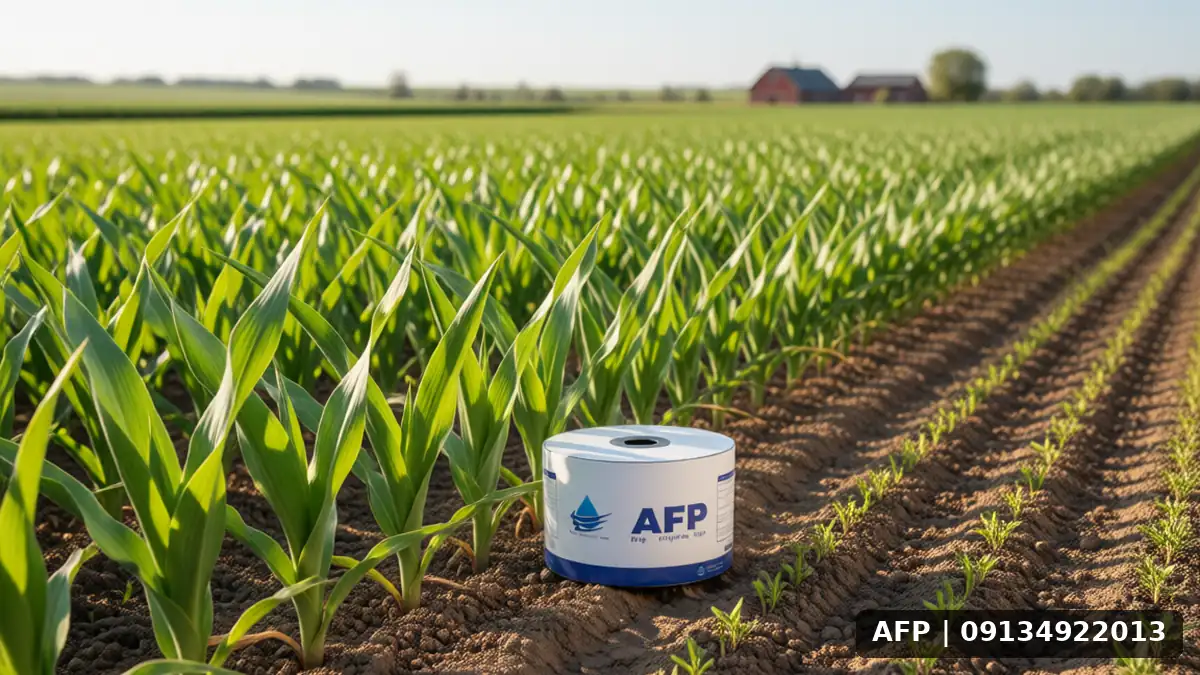
Introduction: Why is sprinkler irrigation with drift critical for lettuce cultivation?
Lettuce cultivation is one of the most sensitive vegetable groups in water resource management. This plant, which is generally used for salads and buttermilk, has a delicate texture and rapid growth, requiring stable soil moisture on one hand, while being susceptible to fungal leaf spots and mold diseases due to continuous leaf wetness on the other hand. In this context, sprinkler irrigation with drift as an established yet widely used method, still holds a special position in lettuce farms. This method creates broad coverage by spraying water at height and moving horizontally, but without proper management, it can lead to severe soil erosion, leaching of nutrients, and increased energy costs. Many farmers are concerned whether the high pumping costs and water wastage in this method are economically justifiable. In this article, we will address this concern by providing a detailed cost analysis and practical solutions. Our goal is to help you optimize your farm budget and ensure plant health through a deeper understanding of irrigation mechanisms. The key point here is accurately understanding the interaction between water pressure, spray type, and soil type, as these three factors directly affect the amount of drift and final cost.
To better understand the position of this system among other techniques, it is necessary to mention the types of drip tape and their functions, as many farms use combined methods. However, our main focus is on the specific challenges of drift in sprinkler irrigation for lettuce cultivation. Additionally, correctly understanding how to adjust water flow in main and sub-lines is the key to preventing soil erosion in lettuce farms. Neglecting these principles not only increases costs but also compromises product quality in terms of appearance and shelf life.
Specialized analysis of farm costs in leafy green vegetable irrigation
Fixed costs: Piping, sprinklers, and infrastructure
The first section of investment in wind-driven rain irrigation involves fixed costs, which include purchasing pipes, valves, filters, pumps, and specific sprinklers. For leafy green vegetables, which are typically planted in dense rows with a spacing of 45 to 60 centimeters, uniform coverage over large areas is required. The use of polyethylene pipes with appropriate pressure resistance is essential to prevent cracking or leakage in the long term. Sprinklers used in this system should not be of the vertical spray type, which causes water accumulation at a single point; instead, balanced or rotating spray sprinklers with a specified angle are recommended to create uniform rainfall. Sprinkler quality directly affects the amount of soil erosion; cheap sprinklers with large droplets cause soil erosion, while high-quality sprinklers with fine droplets offer better control. Installation costs for these components vary depending on soil type (hard or soft) and farm area, but investing in high-quality parts eliminates the need for frequent repair and replacement costs in subsequent years. In addition to equipment purchase costs, transportation, installation, and connection costs must also be included in the initial calculations to obtain a realistic picture of capital yield.
Variable costs: Energy, water, and labor
Unlike drip irrigation, which operates at low pressure, spray systems with throw require pumps with high flow and pressure to deliver water to the required height and throw distance. Electricity or diesel pump costs constitute a significant portion of the farm’s operating budget. Every one percent increase in pressure disproportionately affects energy consumption. Therefore, precise adjustment of sprinkler flow at optimal working pressure is essential to prevent energy waste. Additionally, evaporation and wind drift losses, which are higher in these methods, directly increase water consumption volume and consequently water costs. Labor for monitoring sprinkler performance and preventing minor breakdowns is also considered a variable cost that should not be ignored. Managing these costs requires continuous monitoring and awareness of daily climatic conditions.
Practical tips for reducing costs and increasing efficiency in leafy vegetable cultivation
- Soil erodibility and erosion management: In leafy vegetables, soil erosion leads to root confinement, reduced oxygen supply, and surface soil compaction. Using plastic or organic mulch, or adjusting sprinkler angles in a staggered pattern, can minimize losses. This is particularly important in areas with high soil erosion risk. Additionally, creating drainage channels around the farm to collect excess water prevents the complete loss of resources.
- Pressure optimization and sprinkler selection: Excessive pressure causes water droplets to shatter, increasing evaporation, while low pressure results in insufficient coverage. A pressure of 2 to 3 bar is generally sufficient for leafy vegetables. For a more accurate calculation, you can refer to the basic principles of sprinkler irrigation to establish pressure balance. Selecting a sprinkler with an appropriate distribution coefficient is the key to success.
- Smart irrigation scheduling: Irrigating during the cooler hours of the day (early morning or evening) reduces evaporation and water costs. Additionally, coordinating with the irrigation schedules of neighboring farms can prevent regional water level fluctuations. Using smart timers for the pump prevents unnecessary machine idling and optimizes electricity costs.
Comparison with complementary and combined methods
In some advanced farms, spray irrigation is combined with push and strip methods. This combined approach can be more efficient in the initial planting months when green plants are small. When plants have not yet established full coverage, strip application results in less waste; however, as the green crop grows and covers the ground, the need for light spray for washing off particles and managing air humidity increases. Although green crops are usually planted by seed or seedling, understanding the principles of strip application for one hectare can help in deciding on combined models. Understanding the water requirement per hectare is key to optimal irrigation budget management and should not rely solely on guesswork.
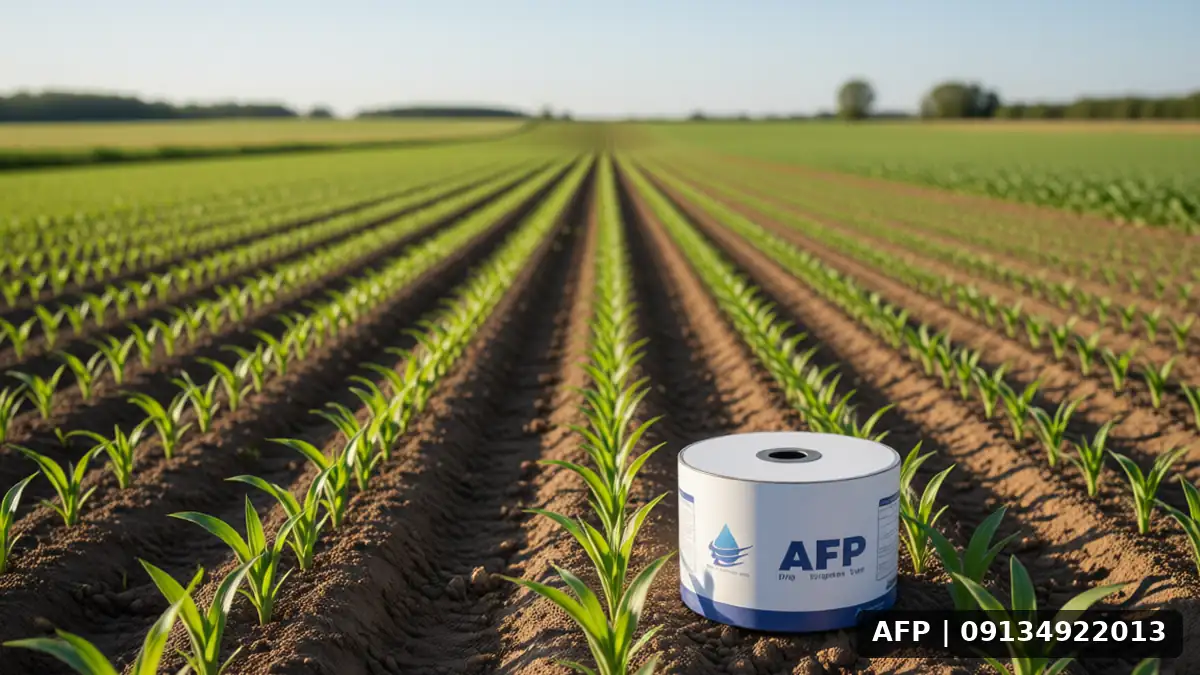
Frequently Asked Questions (FAQ) for Farmers
Is rainfall irrigation with runoff better than drip line for lettuce?
There is no definitive answer; it depends on farm scale, soil type, and climatic conditions. Drip line contributes less to foliar fungal spots because leaves remain dry, but rainfall irrigation with runoff acts faster in the early growth stages and provides more uniform temperature distribution. To reduce costs and improve quality, combining these two methods (for example, using drip lines for root moisture and light rainfall for leaf washing in the final stages) may be ideal. It is recommended to review articles on determining drip irrigation points to ensure proper layout if this method is adopted.
When should irrigation be reduced to maintain lettuce quality?
Approximately 48 to 72 hours before the final harvest of lettuce, irrigation should be drastically reduced or stopped. This critical stage requires continuous monitoring of soil moisture to prevent the crop from undergoing early decay or clumping together after harvest. Water-deficit lettuce has firmer leaves that last longer in market refrigerators, but excessive wilting must be prevented.
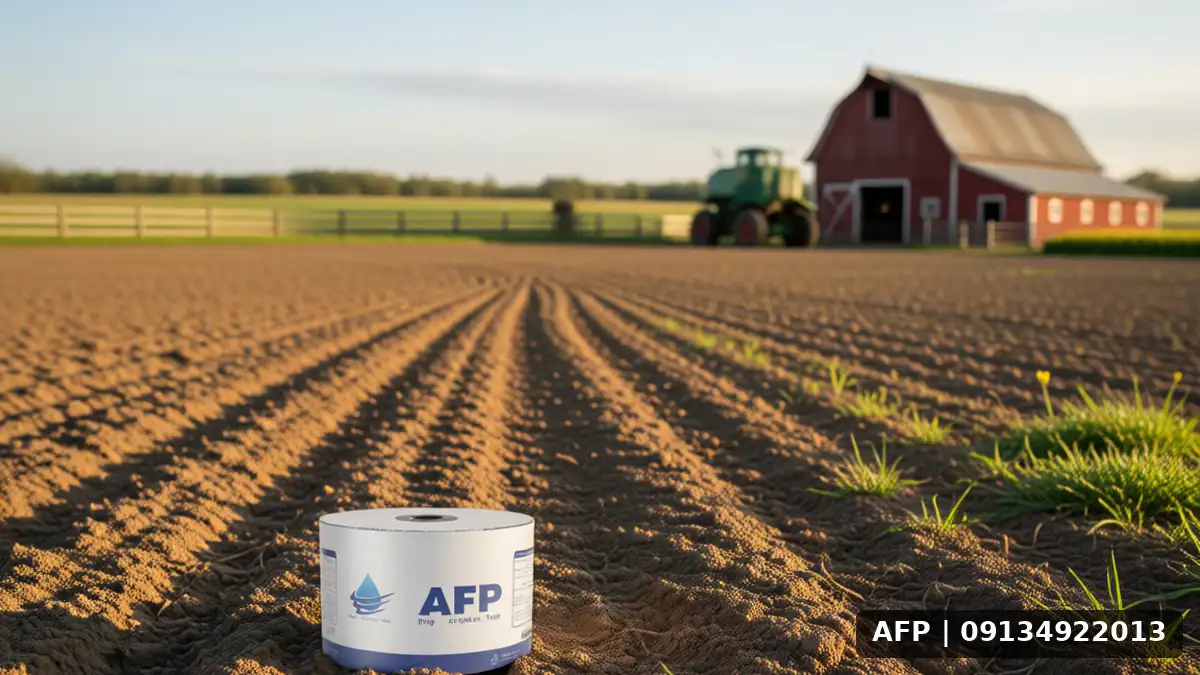
Summary and final recommendations
Managing wind-blown sprinkler irrigation in leafy vegetable crops is a nuanced combination of technical irrigation knowledge and precise economic calculations. By deeply understanding fixed costs (equipment) and variable costs (energy and water), and implementing practical tips mentioned, such as mulching and pressure regulation, losses can be significantly reduced and farm productivity increased. Farmers are advised to conduct small-scale trials on sections of their farm before making final decisions and extensive investments, to find the optimal method for their specific local conditions. This gradual approach minimizes economic risk and provides a practical feasibility assessment of new systems. Ultimately, attention to small details such as sprinkler installation angle and irrigation scheduling can determine the difference between a profitable and a loss-making crop.
Related articles and supplementary resources: For a better understanding of technique comparison, it is recommended to study articles related to Types of drip tape and their performance is recommended. Also, if your farms include root crops such as onions, familiarity with Onion yield per hectare can be useful in managing shared water resources. Finally, to understand the general principles of sprinkler irrigation, you can refer to the article regarding drip tape for one hectare Refer to the following for a comprehensive understanding of consumption volumes. D981D98A Naseriyyah drip irrigation tape