Rain-Simulation Irrigation with Runoff in Garlic Cultivation: Comparison and Practical Notes
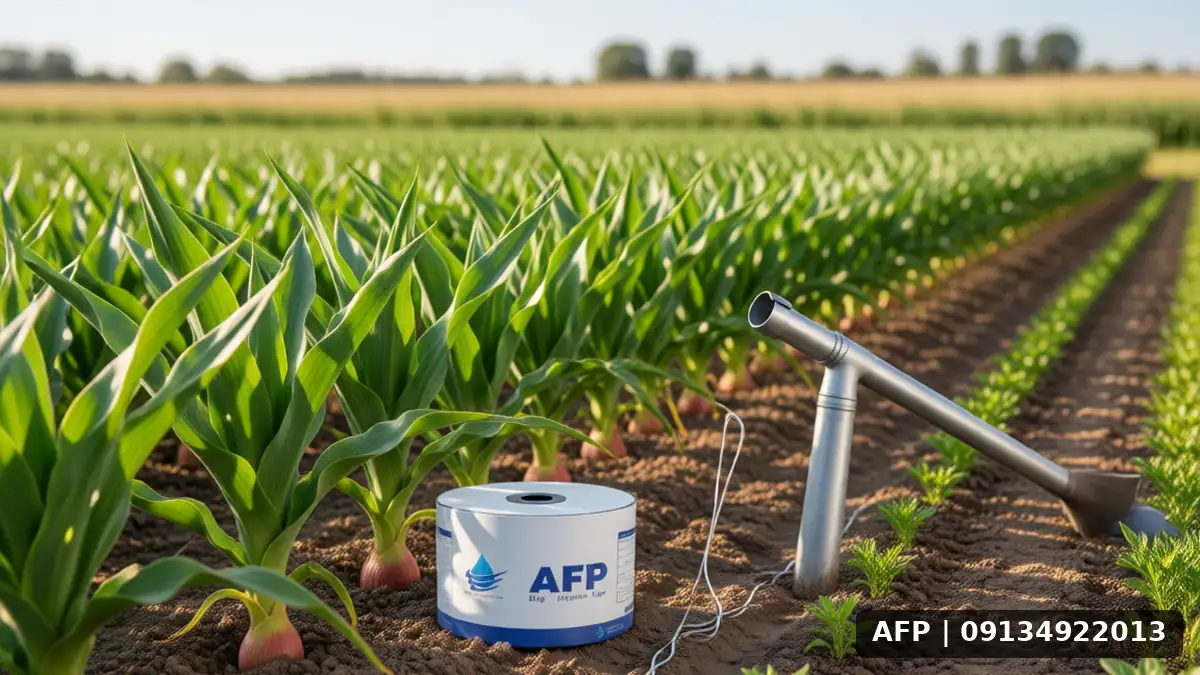
Introduction to Rainwater Irrigation with Erosion in Garlic Cultivation
Garlic is one of the key agricultural products in Iran that, due to its relative sensitivity to soil moisture conditions and the need for precise water resource management, requires an appropriate irrigation method. In many regions, the method of rainwater irrigation with erosion is still used. Although this method has a low initial cost, it comes with challenges such as high evaporation, rapid surface soil saturation, and consequently soil erosion associated with it. The objective of this article is to thoroughly examine this method and compare it with alternative methods, such as furrow irrigation, to enable farmers to make more informed decisions. For a better understanding of the dimensions of the issue, one can refer to rainwater irrigation of agricultural land and its impacts, which outlines the general foundations of these challenges.
Comparison of Rainwater Irrigation with Erosion and Advanced Systems
To better understand the differences, it is necessary to examine how each method affects the soil and the garlic plant. In rainwater irrigation, the hydraulic pressure of water droplets on the soil surface can separate fine soil particles, causing them to be washed down the slope of the field. This phenomenon Soil erosion is called and can lead to erosion and a decrease in surface fertility. On the other hand, in newer systems that are agricultural drip line connections referenced in them, water is delivered directly and at controlled pressure to the roots. This fundamental difference leads to completely different phenomena in moisture management and soil conservation.
- Sprinkler irrigation: Uniform coverage, lower installation cost, but high risk of soil erosion and evaporation.
- Drip irrigation: Localized water delivery, reduced evaporation, preservation of soil structure, but requires proper management of line spacing.
- Drip: The most precise method, suitable for multi-crop plantings; requires better water filtration.
In garlic cultivation, where row spacing is typically defined, using trickle bands can provide a good balance between precision and cost. Unfortunately, in spray irrigation, even a slight slope can create surface flow that may smother plants or cause uneven growth on the uphill portions. This growth unevenness directly affects bulb quality at harvest and threatens crop uniformity.
Impact of Erosion on Garlic Growth
Soil erosion during the growth period of garlic can cause bulbs to be buried or the seedbed to become loose. Studies indicate that proper management of seed spacing and quantity, as outlined in the guide Garlic Seed Quantity per Hectare to Increase Yield can reduce soil susceptibility to erosion to some extent. Denser vegetative cover protects the soil surface and increases resistance to heavy rainfall, which has a simulated effect similar to spray irrigation. However, spray irrigation itself, if performed with excessive flow intensity, destroys this plant protection and aggravates erosion. Therefore, a balance between planting density and irrigation flow intensity is critical.
Practical tips for managing spray irrigation with runoff
If you continue to use spray irrigation with runoff due to economic or geographical constraints, adhering to the following points can minimize damage caused by runoff. These points are based on hydraulic and soil science principles and require careful and continuous monitoring. One of the most important measures is precisely scheduling irrigation for times when air temperature and wind speed are at their lowest, in order to reduce evaporation and wind-driven spray drift.
- Slope management: Whenever possible, create smaller ridges or smoother strips to slow surface flow and increase the time available for water to infiltrate the soil.
- Reducing rainfall intensity: Using low-pressure nozzles or creating temporary deflector pans to dissipate the energy of water droplets can prevent soil structure breakdown.
- Plant cover: Interplanting with low-canopy plants that cover the soil surface and prevent direct droplet impact is an effective climate strategy.
- Scheduling: Irrigate during the cooler hours of the day to minimize evaporation and thermal shock while maintaining the root zone moisture required for garlic.
Furthermore, understanding the soil type is critical. In clay loam soils that are prone to compaction, surface water can cause the formation of a hard surface layer (crusting), which impedes garlic root penetration. Under these conditions, combining sprinkler irrigation with shallow inter-irrigation tillage (if feasible and without damaging the plants) is beneficial. To learn about drip line methods, which are a suitable alternative for these conditions, you can refer to Method of Installing Drip Line Irrigation Pipes .
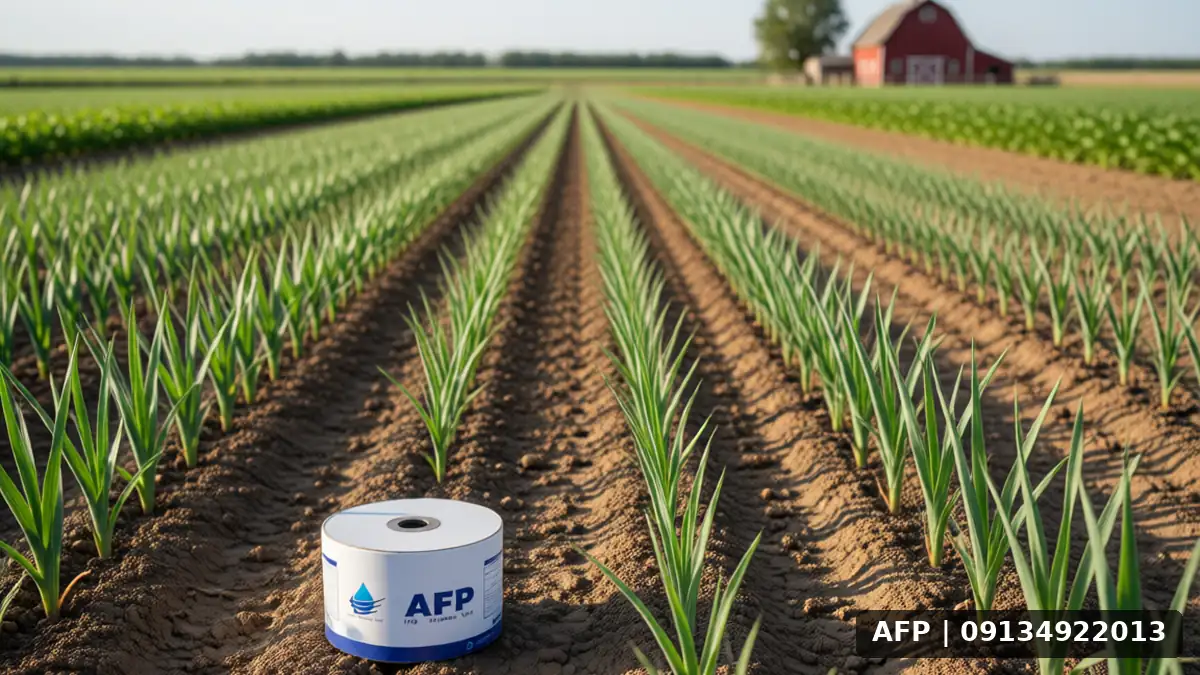
Economic and Efficiency Comparison
The hidden costs of sprinkler irrigation extend beyond water usage. The cost of replanting crop losses due to wind damage, soil remediation, and the loss of surface fertilizers washed away by wind must be factored into the economic analysis. Conversely, while investment in newer systems may appear more expensive in the short term, it is more justifiable in the medium term by reducing waste and improving yield uniformity. The use of chemical fertilizers with water (Fertigation) in drip systems also enhances nutrient efficiency. For a better understanding of nutrient management, refer to the guide on Drip irrigation using tape systems also contains similar tips for optimizing consumption. To learn about factors affecting the sustainability of similar crops that are sensitive to weather conditions, you can consult the Factors affecting pumpkin yield per hectare guide, which interprets similar soil and water management principles. These comparisons show that selecting an irrigation system is not merely a technical decision, but a long-term economic choice that transforms overall farm productivity.
Frequently Asked Questions (FAQ)
Is sprinkler irrigation suitable for onions in sandy soils?
Sandy soils have high permeability, and less runoff occurs; however, sprinkler irrigation still suffers from evaporation and uneven infiltration depth in these soils. In such soils, applying small volumes frequently, even via sprinklers, can partially resolve the issue, but tape systems remain the better option. The reason is maintaining root zone moisture and preventing rapid drying of the sandy soil surface.
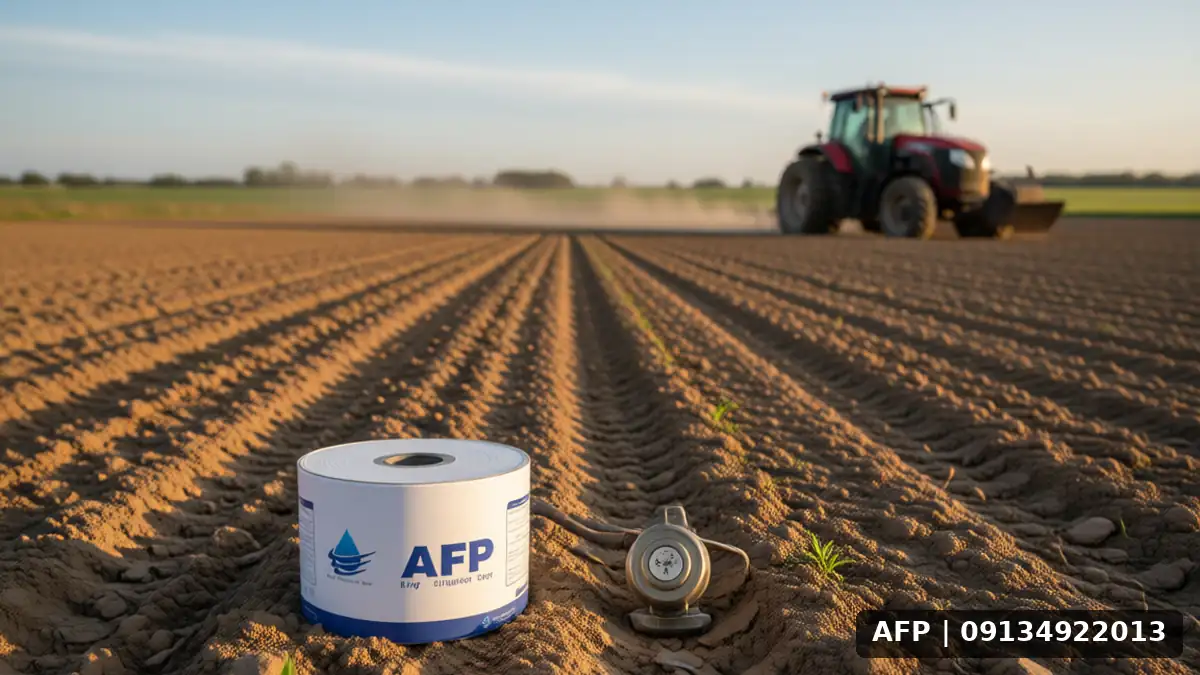
How can I detect soil erosion in a field using sprinkler irrigation?
The presence of washed soil strips at the lower part of the field, vegetation accumulation in slope corners, and reduced plant cover at the top of the slope are clear signs. Additionally, the continuous layer of washed soil downstream of outlet channels is a serious indicator of erosion. Observing specific plant accumulations, such as clover, in these areas can be an indicator. To learn about the characteristics of cover crops, refer to Clover seed rate per hectare . These plants can play a crucial role in soil stabilization and preventing further erosion if planted appropriately.
Can more modern systems be used for garlic?
Yes, completely. Garlic is a shallow-rooted crop that benefits greatly from localized moisture distribution. Using similar scheduling for other surface crops shows that system accuracy is directly correlated with final product quality. Regular moisture transfer from the drip line prevents severe moisture stresses that may occur with flood or sprinkler methods.
Conclusion and Final Recommendation
Sprinkler irrigation with runoff is an old method that still has application under ideal conditions and with suitable soils. However, due to risks from surface erosion and difficult flow management, it does not offer more sustainable efficiency compared to drip lines. Farmers are recommended to gradually transition toward semi-drip or drip systems, at least for sloped lands or fine-textured soils. This transition not only protects the environment but also strengthens the foundation for sustainable garlic growth by preserving soil structure. Remember that every decision regarding planting methods and seed rates, including those in Guide to rye seed quantity per hectare As explained, this must be coordinated with the selected irrigation method. The coordination of these two variables is key to operational efficiency. Additionally, combining irrigation knowledge with proper plant maintenance, including principles of maintaining nozzle performance at various temperaturesplays a critical role in extending equipment lifespan and ensuring production sustainability. Ultimately, investing in technical knowledge and modern equipment is the key to competitiveness in global markets.