Optimizing Drip Irrigation in Beans and Cucumbers: The Key to Yield Increase and Waste Reduction
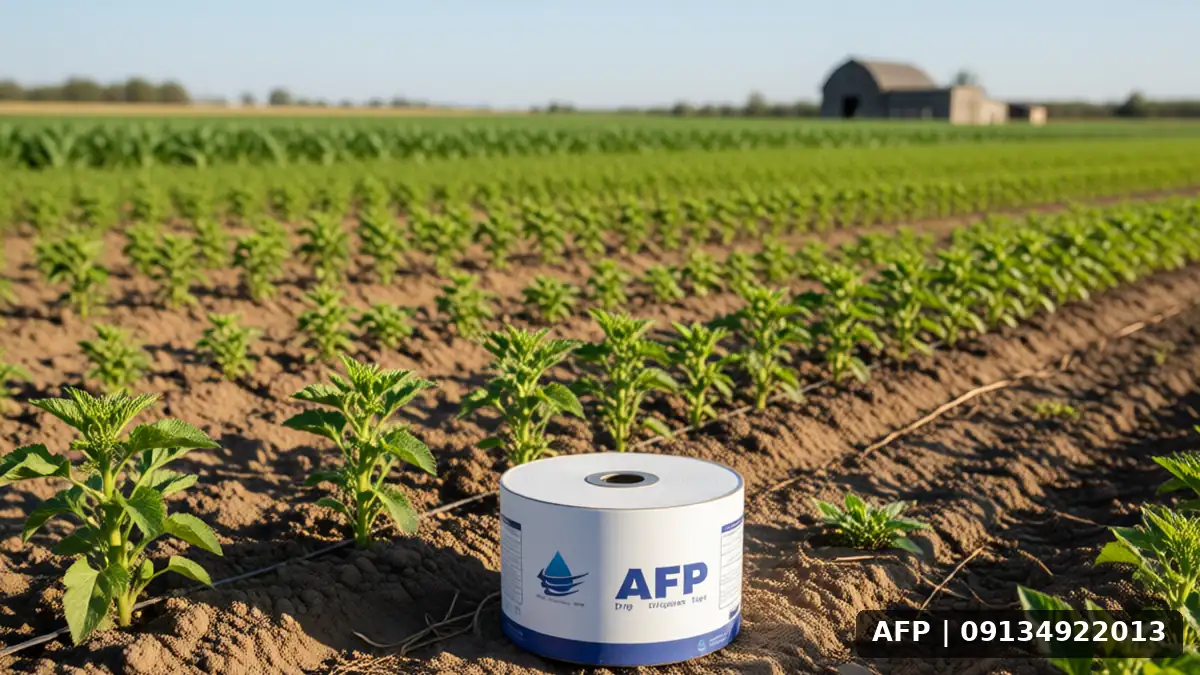
Stripper furrow irrigation is one of the most advanced surface irrigation methods that has gained significant importance in modern Iranian agriculture in recent years. By distributing water through narrow strips, this method optimizes water resource use and substantially increases crop yield. However, successful implementation depends on precise initial design, appropriate equipment selection, and proper management of irrigation operations. Despite initial investments, many farmers have failed to achieve expected efficiency due to neglecting technical details. This article provides a comprehensive framework to understand the mechanisms of furrow irrigation and implement it with minimal risk and maximum profit. The following section examines the technical considerations and the impact of this system on the yield of beans and watermelon, offering practical solutions to enhance productivity.
Impact of furrow strip spacing on bean yield
Lentil is one of the legume crops that exhibits high sensitivity to soil moisture conditions. Determining the optimal drip line spacing for lentil is a critical step that cannot be overlooked. Excessive spacing leads to flower abscission and root water deficit, whereas very narrow spacing causes root rot and fungal diseases. Field research indicates that in northern Iran, spacing of 45 to 55 centimeters for local varieties and 50 to 60 centimeters for commercial varieties creates an appropriate balance between root zone coverage and water access. In this configuration, roots are distributed uniformly within the soil volume throughout the plant’s life cycle, minimizing water stress. Understanding these ratios requires familiarity with the regional soil ecology; because the permeability of loam soil differs from that of sandy soil, resulting in distinct differences in the rate of water movement.
In addition to spacing, the longitudinal slope of the furrows must be calculated with engineered precision. A slope greater than 0.3% causes rapid water flow and soil erosion, while a slope less than 0.1% leads to water accumulation and root waterlogging. Therefore, precise land grading before planting using laser equipment is the primary reward for achieving uniform irrigation. Farmers must understand that they should never rely solely on visual estimation; using precise mapping instruments minimizes risk. In this regard, adhering to hydraulic principles in pipe network calculations is of double importance. If the water flow rate at the end of the furrow is lower than at the beginning, distribution will be uneven. To compensate for this deficiency, pressure regulators or header controllers can be used to offset pressure drop and maintain uniform flow. A deep understanding of the relationship between slope and pipe diameter is the key to success in fields with irregular grading. By using Furrow spacing for beans in optimal planting standards, environmental risks can be reduced and yield guaranteed. A precise economic analysis before operations plays a decisive role in selecting the final spacings. Costs between different spacings, including labor and equipment costs, must be considered alongside crop sustainability costs.
Selecting the wall thickness of irrigation furrows
One technical parameter often overlooked when selecting irrigation equipment is the ideal wall thickness of drip tape. Plastic tapes (polyethylene or polypropylene) are available in various thicknesses in the market. Thinner tapes are cheaper but have a shorter lifespan and lack resistance to internal pressure and environmental factors. Thicker tapes cost more but offer greater durability in the field. Correct selection of this parameter directly affects the system’s lifespan and maintenance (O&M;) costs. Many farmers, seeking to reduce initial costs, use thinner tapes and later end up facing high costs for tape replacement.
For crops with a growing season shorter than 6 months, using 0.3 mm thick tapes can be economic, provided that excessive system pressure is avoided. However, for late-maturing crops or areas with high organic debris, thicknesses of 0.5 to 0.7 mm are recommended. Internal tape pressure should not exceed 1.5 bar, unless the tape is a standard-tested model designed for higher pressure resistance. Another important factor is tape color; black or dark green tapes with UV stabilizers offer greater resistance to sunlight, increasing their useful life by two to three times. Additionally, retractable tapes, which are suitable for harvesting and packing at the end of the season, are an excellent option for rotation farms. Given the importance of this parameter, it is recommended to always use recognized brands with standard certifications to prevent frequent failures. Use of Ideal wall thickness of drip tape To increase the system’s service life, which is a smart and essential approach for long-term cost management. With the right choice, operational risks can be minimized.
Efficiency and yield of oval watermelon
Oval watermelon is a crop that, despite its dry appearance, requires significant water to increase fruit volume and sweetness. Irrigation management in this crop directly affects the chemical (Brix) and physical (weight) quality of the fruit. Irregular irrigation causes fruit cracking and reduced unit weight, leading to a significant drop in final sales. To achieve maximum oval watermelon yield per hectare, an irrigation regimen must be designed that synchronizes irrigation timing with peak root water demand while preventing deep root suffocation. This crop, due to its thin skin and high sensitivity to sudden water fluctuations, requires extra precision. Reducing water stress during critical stages (flowering and fruit setting) is of double importance.
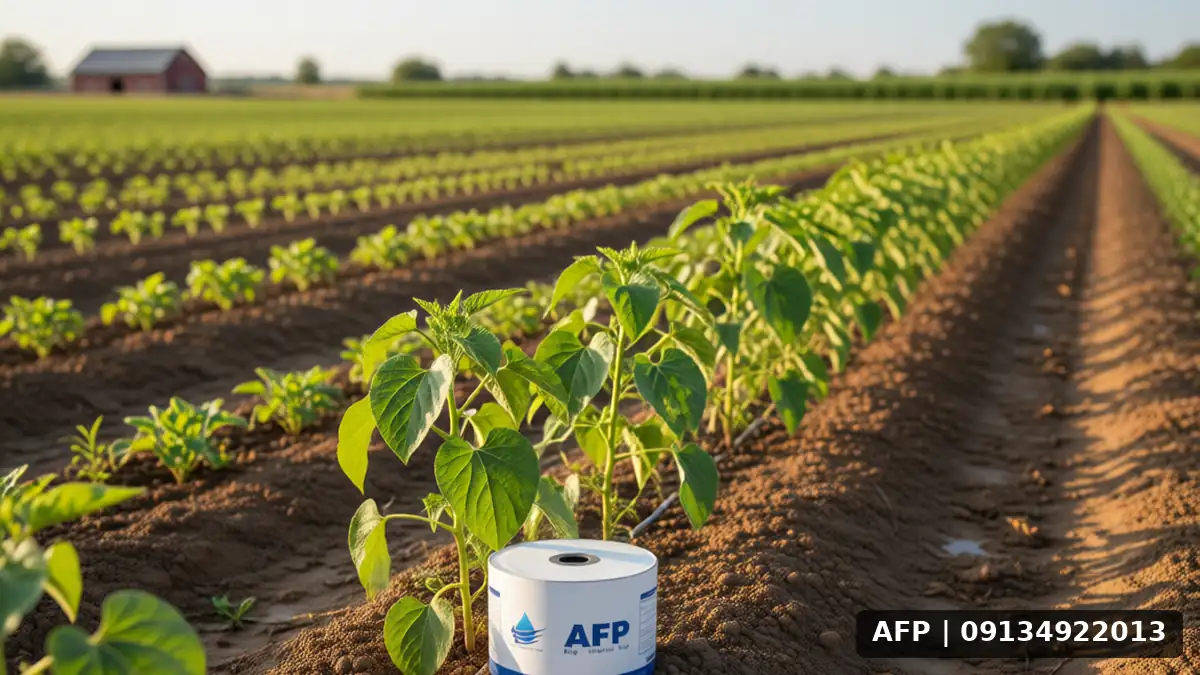
Using drip irrigation in combination with tape strip for watermelon is a hybrid method that has gained popularity in recent years. This method delivers water directly to the root zone and prevents plant wilting. In Iran’s hot and dry southern regions, this method can reduce water consumption by up to 30% while improving production yield by increasing fruit uniformity. Successful farmers in South Khorasan and Hormozgan provinces, by utilizing this system, have achieved yields exceeding 45 tons per hectare, which is considered exceptional for a conventional crop. Additionally, combining this system with seedling planting techniques reduces harvest costs and increases growth speed. By using Drip irrigation planting methodSystem overlap can be maximized. This integrated approach creates a competitive advantage in today’s market. Optimizing these systems requires continuous monitoring and farm data analysis to ensure that every drop of water achieves optimal efficiency.
Principled ways to increase tonnage and efficiency
Increasing production per hectare is not limited to irrigation alone; it is the result of an integrated, system-based approach to all climatic, soil, and genetic factors. The role of cropping methods and nutrition is also critical. The design of seedless watermelon planting density per hectare should be conducted with a spacing of 1.5 to 2 meters and proper row arrangement to prevent plants from engaging in intense competition for resources. Additionally, the use of chemical fertilizers along with irrigation water (Fertigation) leads to faster nutrient absorption and increased efficiency. In particular, pest control management must be conducted with proper order and planning to prevent damage from animals and insects. A precise cropping plan, including exact planting dates, irrigation calendar, and fertilization calendar, constitutes the main pillars of a successful agricultural investment. Furthermore, attention to seed quality and the selection of local varieties can optimize the germination rate. The use of fungicide-treated seeds is effective in reducing disease management costs.
Conclusion and practical recommendations
Drip and strip irrigation are not merely technical tools; they are a management approach for resource optimization. Success with these methods requires training, patience, and attention to detail. It is recommended to consult irrigation specialists before purchasing equipment to select the appropriate thickness and spacing based on local soil type and climate. Furthermore, given climate change and declining water resources, adopting modern irrigation technologies is a wise choice that represents a sustainable investment for future generations. Following science-based principles and avoiding rural guesses is the main solution for overcoming water shortages and increasing profitability in today’s agriculture. Ultimately, the quality of products and environmental sustainability is not a minor issue to be neglected; rather, it is the primary capital for the country’s economic and social development. A successful farmer is one who can link scientific knowledge with practical experience.
Related articles: garlic seed per hectare factors increase, thyme yield per hectare guide iraq, Melon yield per hectare: A comprehensive guide + influencing factors