Node Irrigation in Lentil Cultivation: Applications and Practical Tips
Introduction to Node Irrigation in Lentil Cultivation
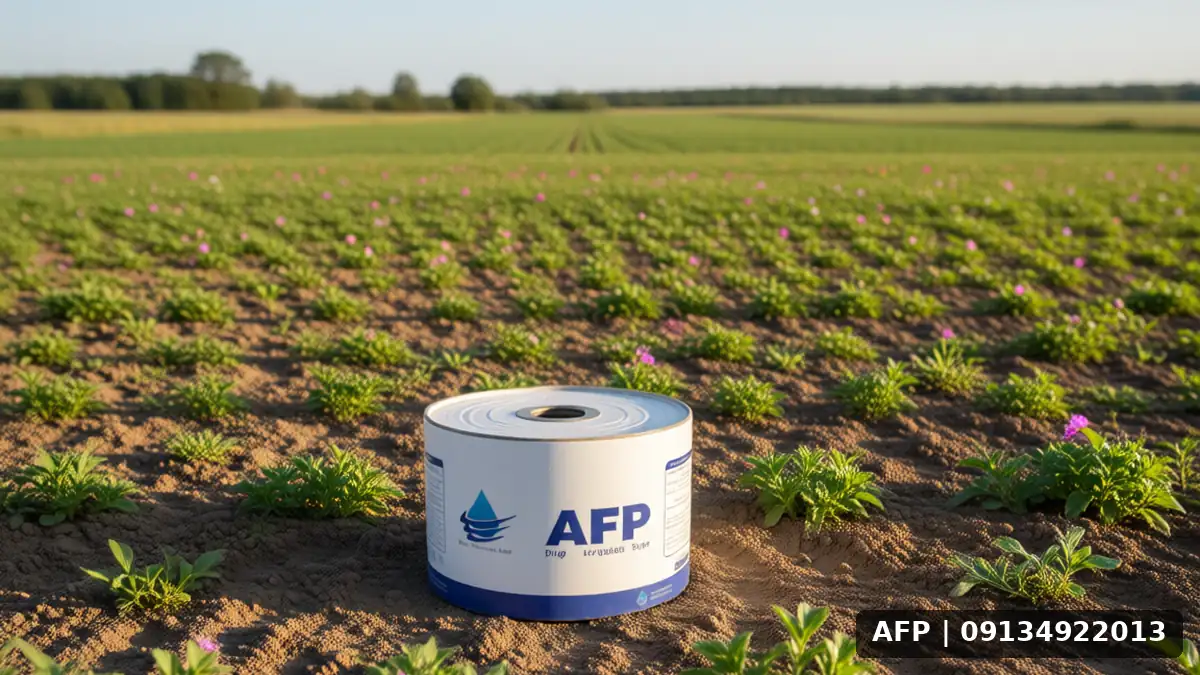
Lentils are considered a low-water-requirement crop, but they require uniform moisture during sensitive growth stages such as tillering, flowering, and pod filling. When water sources are limited, using modern irrigation methods like drip tape and drip irrigation can increase the success rate of the crop. Node irrigation is presented here as a combined approach where irrigation is carried out in a planned manner at specific points of the water supply system to ensure moisture reaches the required root layers. This method not only reduces water consumption but also prevents soil waterlogging and protects roots from damage due to moisture saturation. This section provides a conceptual explanation of irrigation nodes and the structure of the drip tape system, which forms the foundation for implementing this method, to provide a clear picture of the interaction between system components and the lentil plant. For a better understanding of the role of the physical components of the system, you can refer to the article on drip irrigation system components with drip tape to learn what role each part plays in the regular distribution of water.
Title: Physical and Hydraulic Principles of Node Irrigation
In node-based irrigation systems, the concept of a node refers to defined points in the piping or drip line where water enters the soil in a controlled manner. For lentil cultivation, where the primary root depth is typically between 20 and 50 centimeters, the proper depth of irrigation nodes is critical. Drip lines are considered an ideal tool for creating these virtual nodes due to their uniform permeability and low required pressure. Water inside the line exits as a narrow strip from a specific distance from the stems rather than being sprayed. This distance is usually 10 to 15 centimeters from the plant to ensure roots can absorb water without physical stress from the pipe or line. Another advantage is reduced evaporation, as the wetted surface is significantly smaller than in sprinkler irrigation. Furthermore, by adjusting the input pressure, nodes with different flow rates can be created. For example, at the beginning of the season, lower flow rate nodes are sufficient for germination, while higher-density nodes can provide the necessary moisture during flowering. This flexibility makes node-based irrigation a dynamic method that aligns with lentil growth stages. Understanding these principles is essential for correct node design.
Appropriate packaging and distribution of irrigation nodes
One practical challenge is the spatial arrangement of nodes across the field. In lentils, which are typically planted in rows, drip emitters are placed in lines parallel to the rows. The spacing between two lines must allow the root system to cover the intervening space. If the spacing is too narrow, a dry zone may develop between the two lines. Conversely, wide spacing increases water consumption and may prevent roots from accessing water. Optimizing this spacing constitutes a form of node mapping, i.e., defining critical points where water must be present. Using simple hydraulic models or local agronomic experience helps optimize the node pattern. In some fields, multiple drip lines with different flow rates around a single plant create multi-layered nodes that cover roots at different depths. This method is particularly efficient in well-drained soils where water moves away quickly.
Applications of node irrigation in various growth stages of lentil
Lentil is a stem-type plant with distinct growth stages: germination, vegetative growth, flowering, pod formation, and maturation. Node irrigation has different uses and objectives at each stage.
- Germination stage: Nodes are positioned at shallow depths with low flow rates. The goal is to provide sufficient moisture for germination and initial root growth without causing seed rot. The distance of nodes from the plant should be close (approximately 5 to 7 centimeters).
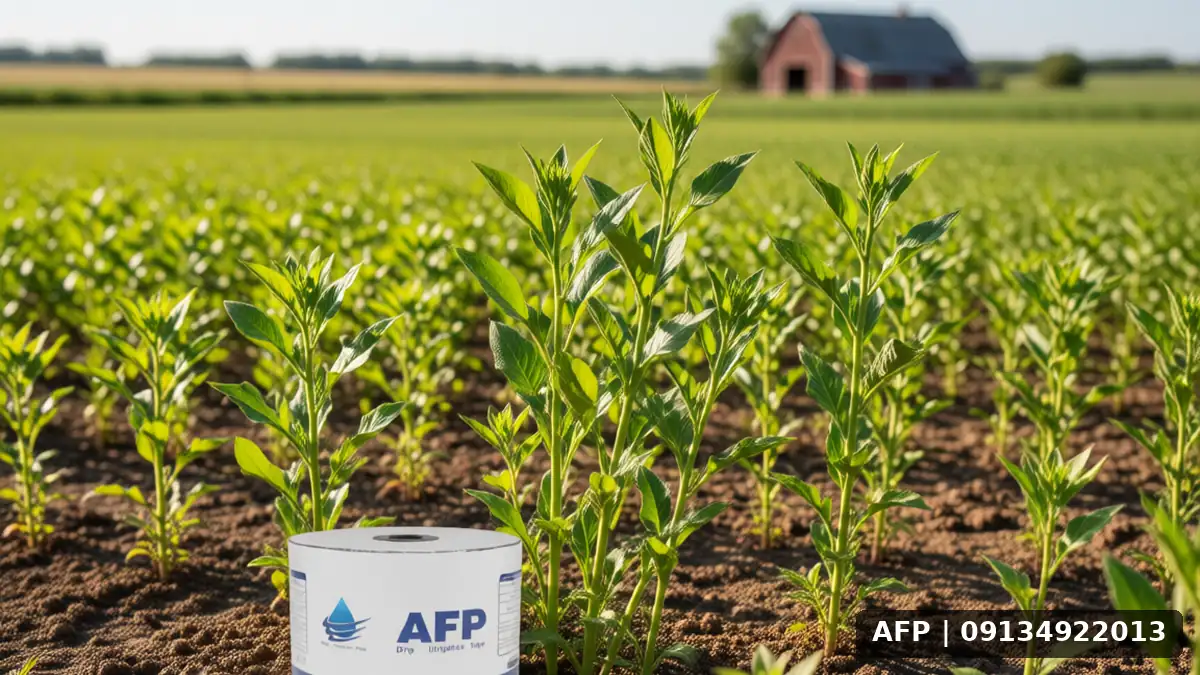
- Flowering stage: Sensitivity to water stress is high at this stage. Nodes operate at medium flow rates and medium depths (approximately 20 centimeters). The objective is to prevent flower abscission and increase the flower-to-pod ratio. Drip lines should be arranged to provide uniform moisture throughout the root zone.
- Grain filling and maturity stages: Drippers are set at greater depths (approximately 40 cm) with variable flow rates. During early grain filling, higher moisture is required to build grain volume. Toward the end of maturity, water supply is reduced to ensure uniform grain ripening and prevent root binding. Deeper drippers allow lateral roots to access deeper soil moisture reserves.
Additionally, combining drip irrigation with fertilizer application through the system (fertigation) can enhance efficiency. Drippers placed at specific locations can deliver nutrient solutions directly to the root uptake zone. This is particularly effective for elements like nitrogen and phosphorus, which are critical for lentil growth. To better understand the fertilizer distribution algorithm in drip irrigation systems, study Baramijistan seed rate per hectare can provide a suitable model for managing microvariables.
Practical tips for implementation
Implementing node irrigation in a lentil field requires attention to detail. First, select the appropriate drip tape with pipe segments that meet the required flow rate. Pipe diameter must correspond to field length and inlet pressure to minimize pressure drop. Second, install nodes using precise tools. Using appropriate flanges or threaded connections prevents leakage at connection points. Third, schedule node irrigation timing in coordination with meteorological data and crop growth stage. A node irrigation calendar detailing activation times for each node facilitates farm operations. Fourth, monitoring soil moisture at various depths is essential to verify node performance. Using drainage moisture sensors or visual root inspection helps adjust settings as needed. Fifth, maintain the system against circular blockage in nodes. Maintaining proper water quality and adding anti-scaling agents increases system longevity. Sixth, if using automatic systems, program timers for node rotation with high precision. Seventh, training farm staff on node operation is key to success. Eighth, if possible, combining node irrigation with soil mulching helps retain moisture. Ninth, tracking water consumption data and crop yield is useful for optimizing the next season. Tenth, consulting irrigation specialists to analyze field data helps fine-tune node settings.
Frequently asked questions
Is node irrigation suitable for lentils in all soil types?
No. In very light, well-drained soils, nodes require higher flow rates and closer spacing to create sufficient moisture. In very heavy soils, nodes with lower flow rates and greater depth are more effective. Node performance depends on soil type.
How can I protect irrigation nodes from physical damage?
Using protective covers for connections and flanges, placing nodes at an appropriate depth below the soil surface, and avoiding mechanical tension on the drip line during planting prevents damage. Additionally, periodically inspecting nodes for leaks is essential.
Does using irrigation nodes with drip lines increase the initial cost?
Installation costs may be slightly higher than surface irrigation, but due to reduced water consumption and increased yield, it becomes more economical over time. Using high-quality drip lines and optimal design minimizes costs. To select the appropriate drip line, studying Cordes drip lines can be a good guide.
Conclusion and Future Outlook
Node irrigation in lentil cultivation is an innovative way to adapt to water-scarce conditions and increase yield. By combining hydraulic knowledge, drip line technology, and precise planning, water resources can be used most effectively. The key to success lies in paying attention to design details, continuous monitoring, and adapting to field conditions. In the future, with technological advancements, smart, IoT-connected nodes can operate more autonomously and optimally. Currently, lentil farmers can start with a small section of the field to gather experience and gradually expand to the entire crop. This approach helps economic sustainability of the farm while maintaining crop quality. For more information about advanced patterns, study Topics related to grain crop cultivation It can provide a broader perspective. Ultimately, node irrigation is not just a technique but a philosophy of precise resource management.
Related articles: Seed rate of sesame D8AFD8B1 D987D8B1 per hectare, Seed rate of cucumber per hectare: Comprehensive guide + key points