Greenhouse Irrigation in Rosemary Cultivation: Key Technical Insights
Introduction to the importance of specialized irrigation in rosemary cultivation
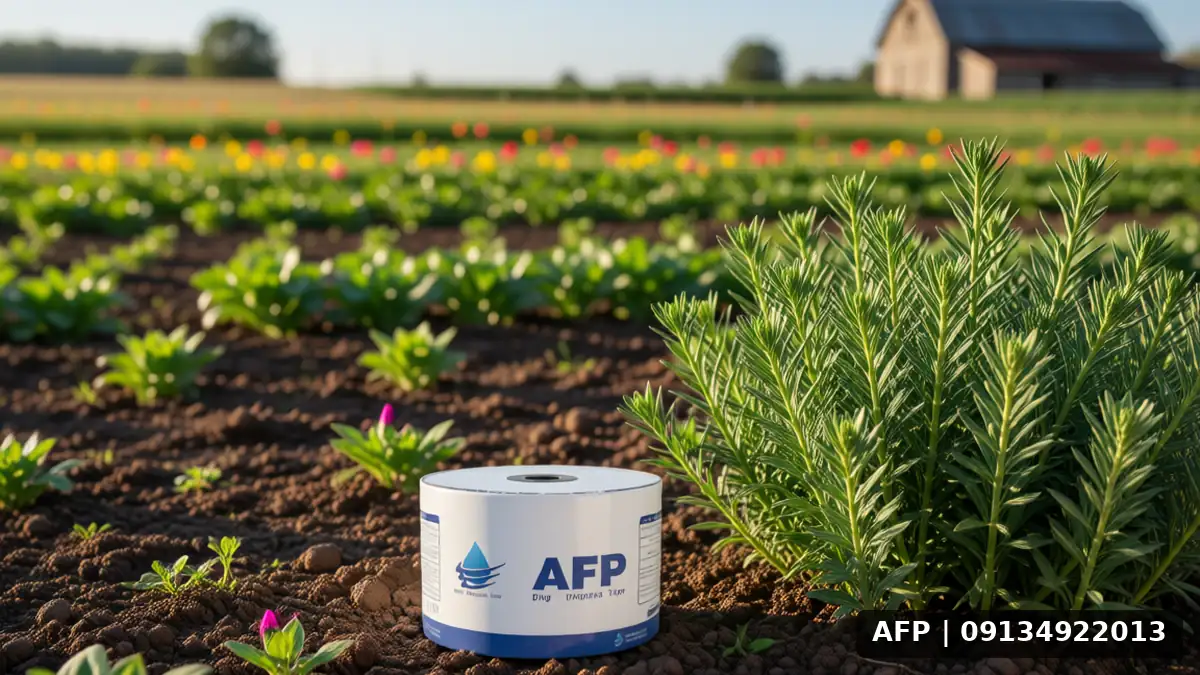
Rosemary is a highly demanded medicinal and culinary herb that holds a special place in the food and pharmaceutical industries. Growing this plant in greenhouses, due to the ability to control environmental variables, can lead to a significant increase in yield and crop quality. Among these factors, Greenhouse irrigation for rosemary plays a central role in the success of cultivation. Rosemary is a plant resistant to dry conditions, but in the enclosed space of a greenhouse, precise management of soil moisture becomes a technical challenge rather than an advantage. Improper water use not only wastes resources but can also lead to fungal diseases in plants, particularly in the root zone. Therefore, familiarity with modern irrigation systems such as drip and micro-sprinkler systems is unavoidable for professional producers.
Selecting the appropriate irrigation system for rosemary
The two main methods for irrigating rosemary in modern greenhouses include drip irrigation and micro-sprinkler irrigation (drip-tip). The choice between these two methods depends on the planting method, pot or nursery size, and cultivated area.
Drip irrigation: Micro-level precision
Drip irrigation is the most suitable option for cultivating rosemary in small and medium pots. In this system, water and nutrients are delivered drop by drop directly to the plant’s root zone. This method reduces surface soil moisture and lowers the risk of surface-level decay. For rosemary, which has woody and deep roots, emitters with stable flow rates between 1 to 2 liters per hour are the best choice. Setting the spacing between emitters at 15 to 20 centimeters from each other ensures uniform wetting.
Tape Irrigation: Efficiency at Large Scales
If rosemary is planted in long furrows or on berms, using tape (Tape) is a cost-effective and efficient option. This system uses small, closely spaced emitters to uniformly wet a narrow band of soil. Selecting tape with the appropriate flow rate is critical. You can review the Guide to Selecting Suitable Tape to ensure the quality and durability of this system against hydraulic pressures. The tape should be installed either buried in the soil or on the surface in a way that allows the soil structure to facilitate vertical water movement toward the roots.
Technical Parameters and Critical Settings
Success in Greenhouse Rosemary Irrigation It depends not only on the type of system but also on precise technical settings. One of the most important parameters is water salinity and EC (Electrical Conductivity) management of the nutrient solution. Rosemary is not sensitive to salinity, but under greenhouse conditions, salt accumulation in static or potting soils can cause root burn over time.
Managing soil moisture and EC
Using moisture and EC sensors is a key advancement in modern cultivation. Rosemary responds positively to a specific level of mild water stress, which increases the concentration of volatile essences and improves the flavor and aroma in the leaves. Therefore, the soil should not always be kept at the saturation point. The goal should be to maintain moisture at approximately 60 to 70 percent of field capacity. Irrigation settings should allow the soil to dry to some extent before re-watering. This cycle helps promote the woody growth of tissues, which is desirable for rosemary.
Additionally, attention to salinity management is crucial. You can learn more about the effects of salinity on plant physiology by reading the article on Salinity amount per hectare (which has similar principles for water resource management in large farms and industrial greenhouses). Proper soil leaching at the end of the growth cycle or before harvest is essential to remove excess salt ions from the root zone.
Practical tips for increasing rosemary yield
To maximize yield, consistency with nutrient solution integration in addition to water is essential. Rosemary responds well to low-quantity but high-quality fertilizers. In drip and tip systems, direct fertilizer injection into the water line is possible. The key point is to manage the water-to-fertilizer ratio (Leachate). Rosemary prefers a slightly acidic to neutral pH (around 6.0 to 7.5). If the nutrient solution pH falls outside this range, the uptake of key elements such as calcium and magnesium is disrupted.

- Irrigation scheduling: Short, frequent irrigation cycles work better than long, infrequent ones for maintaining uniform moisture in the greenhouse bed.
- Flow metering: Use flow meters (Debiometers) to quickly detect clogs or failures in drippers across different irrigation lines.
- Filtration: Rosemary is sensitive to clogging due to its fine roots. Using disk filters with the appropriate mesh size ensures the longevity of the irrigation system.
If you operate at a larger scale, understanding input-to-output ratios per unit area is critical. Comparing rosemary yield with other crops provides better perspective; for example, a study on rosemary yield per hectare can help you calibrate production targets based on global standards. These reference figures serve as a foundation for calculating precise water and nutrient requirements.
Common Challenges and Operational Solutions
One common issue in greenhouse irrigation is asymmetric water distribution. In drip systems, if operating pressure differs at the start and end of the main line, emitter flow rates will not be uniform. To resolve this, use appropriately sized pipes and standard slope design. In band drip systems, ensure inlet pressure to the band remains consistent along the entire crop row.
Fungal Disease Prevention
Rosemary roots that remain in saturated moisture are susceptible to Pythium and Phytophthora diseases. Irrigation should stop precisely at the point of slight dryness. Capillary wicks or fine capillary tubes can be used as auxiliary mechanisms to manage excess moisture in the greenhouse medium. Additionally, proper greenhouse ventilation is vital to prevent condensation on leaves and the transfer of fungal spores to roots.
Frequently Asked Questions (FAQ)
What is the daily water requirement for greenhouse rosemary?
This amount depends on the season, greenhouse dimensions, and substrate type, but on average, it ranges between 1 to 3 liters per day for mature plants in spring and summer. During cold seasons, this level may decrease to less than 1 liter. Always use soil moisture sensors to avoid guesswork.
Can well water be used for irrigating rosemary?
Yes, provided the water quality meets standards. Saline waters require regular soil leaching to prevent salt accumulation. If water salinity exceeds 2 dS/m, you must adjust the electrical conductivity (EC) of the nutrient solution to prevent damage to sensitive roots. Water and soil analysis is recommended before starting cultivation.
What is the main difference between drip emitters and tape lines in rosemary cultivation?
Drip emitters are suitable for individual pots and high-density planting with adequate spacing, offering precise control over the exact point of water application. Tape lines are more cost-effective for longer beds or furrows and provide uniform coverage along a narrow strip. The choice depends on your greenhouse’s physical layout.
Conclusion
Success in greenhouse rosemary irrigation relies on combining technical knowledge, precise equipment, and continuous monitoring. Using drip or tape systems is most effective when salinity, humidity, and nutrient parameters are managed simultaneously. By adhering to the guidelines outlined in this article, you will prevent root burn and achieve high-quality crops with excellent aroma and flavor. Continuous learning and staying current with new technologies, such as modern irrigation methods, are key to your competitiveness in global markets.