Drip Taper Line Irrigation for Spinach Cultivation: Cost Optimization
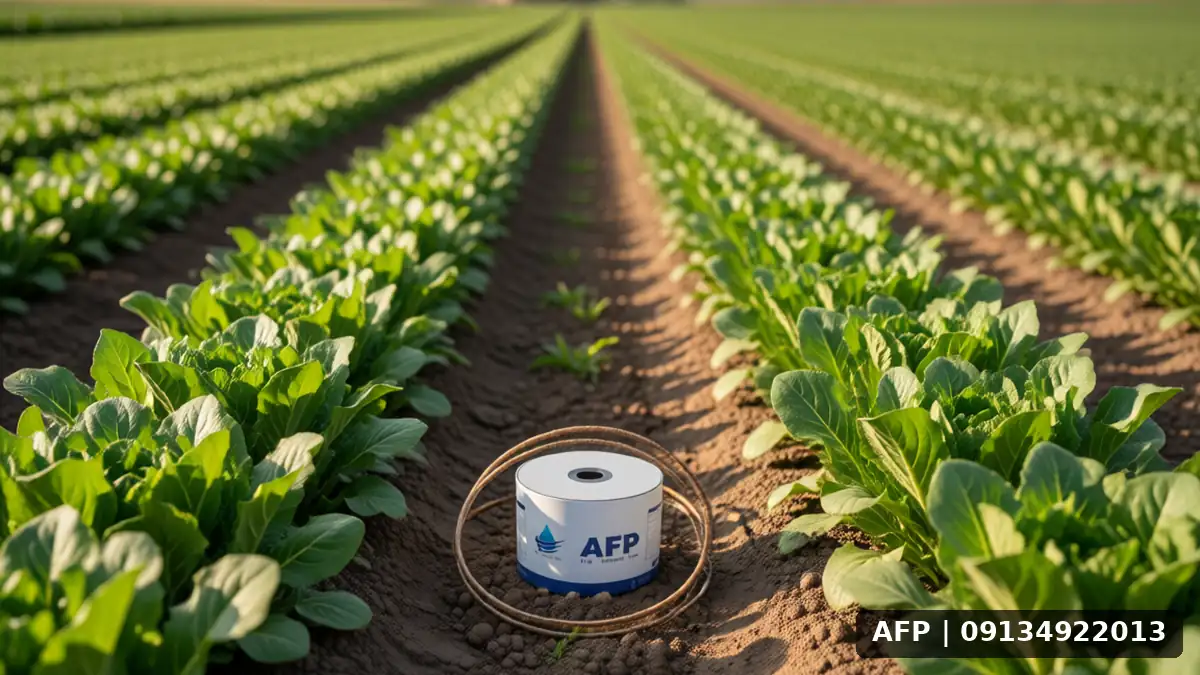
Modern irrigation in the cultivation of high-value vegetables such as spinach is no longer a luxury but an economic and environmental necessity. Among various methods, the drip tape irrigation system has gained a special place in spinach farms due to precise water distribution in the root zone and stable soil moisture. However, the main challenge for growers is finding the balance between initial installation costs and optimal operational expenses. In this specialized guide, we examine how selecting the right equipment and applying sound design principles can increase spinach performance while reducing the total cost per kilogram of produce, covering everything from hydraulic fundamentals to the most cost-intensive components of the system.
Introduction: Why does spinach require modern irrigation?
Spinach is a crop with a short harvest cycle, high moisture requirements, and high sensitivity to environmental stress. Drip tape irrigation provides stable moisture in the topsoil, preventing seed shattering and flower drop while directly impacting final yield by reducing evaporation. To better understand the nature of this system, refer to the description of drip tape and the role of irrigation, which forms the scientific basis for regular water distribution. The key point is that drip tape, with its closely spaced emitters (e.g., 15 to 20 centimeters), ensures 100% coverage of the drip line and prevents the formation of dry zones.
Anatomy of the drip tape irrigation system in spinach farms
An efficient drip tape system consists of three main layers: the main line, sub-lines, and the drip tape itself. For spinach, which is typically planted with transplants or seeds, the distance of the drip tape from the soil surface and the planting depth are critical.
Drip tape: The heart of the system
The drip tape is transparent, recyclable, and features emitters with a uniform discharge coefficient. For spinach, the nominal flow rate of emitters is typically in the range of 2 to 4 liters per hour. Selecting drip tape with an appropriate wall thickness (minimum 0.140 mm) is essential for resistance to pressure and temperature fluctuations. To gain further insight into the manufacturing process and quality of these tubes, reviewing selected drip tape specifications may be helpful.
Impact of Planting Depth on Consumption
The planting depth for spinach is between 1 and 2 centimeters. If the drip tape is placed too deep, water will rapidly bypass the primary root zone (rhizohal) zone, resulting in the waste of energy and water. Conversely, if it is placed too shallow, the risk of soil saturation and fungal diseases increases.
Cost Analysis and Achieving Optimal Cost
Achieving Optimal Cost This refers to finding the point where initial investment costs (CAPEX) and operational costs (OPEX) are minimized, while the return on investment is maximized.
Fixed Costs (Capital)
- Drip tape: Drip tape prices are usually calculated per meter. Selecting tape with a longer useful life reduces annual replacement costs.
- Pump and Filter: Modern irrigation systems require pressurization and filtration (cartridge or disc).
- Auxiliary Equipment: Includes valves, tap stands, and reservoirs.
Many farms consider drip tape a one-time capital investment, but high-quality selections can last for multiple cropping seasons. Consequently, key considerations before installing drip tape play a decisive role in extending useful life and reducing hidden costs.
Variable Costs (Operational)
- Energy consumption: Water pumping and electricity costs are the largest variable expense.
- Water consumption: Modern systems reduce the cost of this item.
- Fertilizer consumption: Modern systems enable fertigation, which increases nutrient uptake efficiency.
Formula for calculating optimal cost
Optimal cost-effectiveness is achieved when the increase in installation cost (e.g., purchasing a more expensive drip tape with a higher flow rate) is outweighed by the increased revenue from higher yields. For spinach, which has a higher value per kilogram than many other vegetables, even a 10% yield increase can offset the entire additional cost of the system.
Practical tips for installation and operation
Maximizing the economic potential of the system requires attention to specific operational details:
1. Drip tape spacing
A spacing of 50 to 60 cm between drip tapes is generally recommended. This spacing must align with the spinach seeding layout to ensure that the entire planting zone is located under the plant roots.
2. Pressure management
Low operational pressure (e.g., below 1 bar) results in emitter underperformance and uneven water distribution. Always adjust the pump to ensure the discharge pressure is at least 1.5 bar.
3. Irrigation scheduling based on ETc
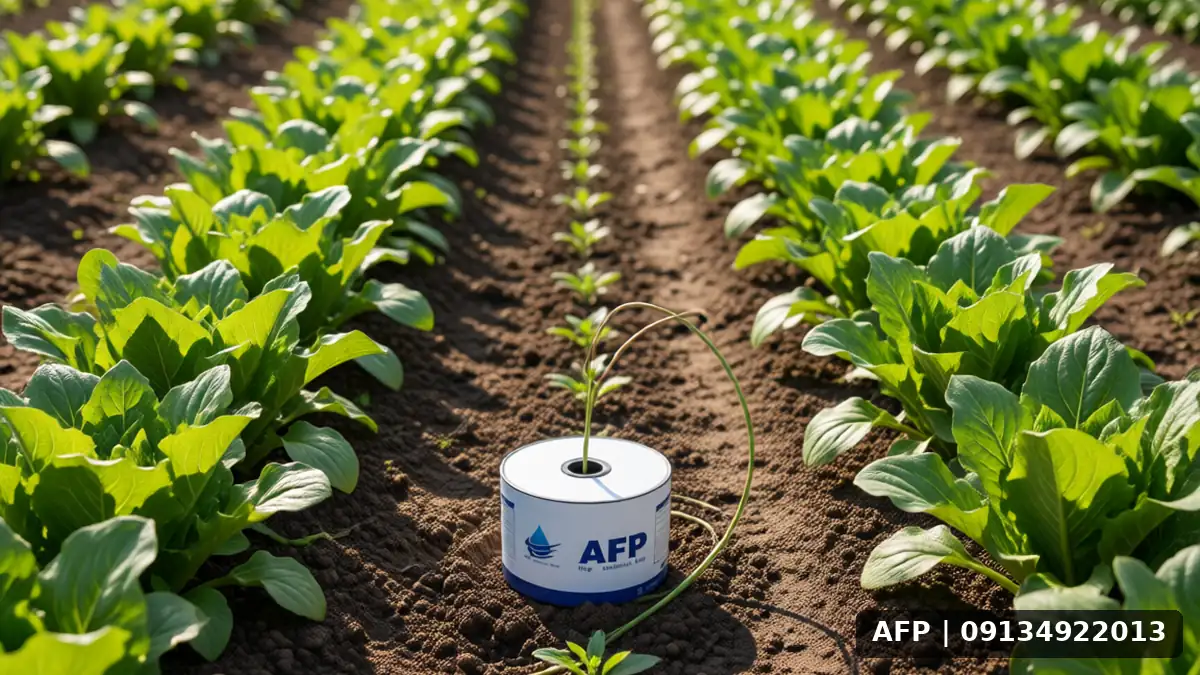
Using weather data (stem transpiration) to calculate the water requirement for spinach prevents guess-based irrigation (and consequent waste). Using a manageable drip tape system combined with smart controllers automates this process.
4. Water quality monitoring
Water containing calcium or iron deposits increases the rate of clogging in drip tape emitters. Installing appropriate filters and performing periodic flushing reduces the risk factor.
Frequently Asked Questions (FAQ)
Does using drip tape for spinach lead to a reduction in fungal diseases?
Yes, provided that soil moisture is controlled. Since drip tape wets only the root zone and keeps the plant canopy dry, conditions become less favorable for plant pathogens.
What is the best time to install drip tape?
The best time is before seed sowing. This ensures the tape is placed in the precise location and prevents rotting and damage by cutworms during plant growth.
What is the difference between drip tape and a drip line?
Drip tape is a thin, transparent tube that is generally not recyclable and is suitable for small to medium-sized areas. Drip line is thicker, replaceable, and designed for longer-term farms. For spinach, due to its short lifecycle, drip tape is more cost-effective.
Can I reuse used drip tape?
Many drip tapes are not ‘reusable’ and become brittle when exposed to sunlight and pressure. The cost of replacement is part of the annual operating cost that is factored into the cost-efficient calculation.
Conclusion: Balancing Cost and Yield
Using modern drip tape systems for spinach cultivation is a forward-looking approach. This technology, by precisely managing moisture and nutrient delivery, not only increases yield but also improves profitability by reducing water losses and energy costs. The key to success lies in properly understanding the relationship between fixed and variable costs and selecting high-quality components. Farmers are encouraged to leverage specialized educational resources on drip tape application in the field and the precise implementation of technical guidelines to reach their optimal economic point.
Finally, paying attention to installation details, proper spacing, and regular system maintenance ensures that this investment delivers higher returns throughout the growing season. Each step taken toward optimization not only preserves the environment but also improves the farm’s financial balance.
Related Articles: Drip tape D981D98A Erbil, Drip tape water output, Key Points Before Laying Drip Line in the Field, Spring Yield per Hectare