Drip Irrigation in Okra Farming: Challenges and Practical Solutions
Introduction to the Importance of Drip Irrigation in Okra Cultivation
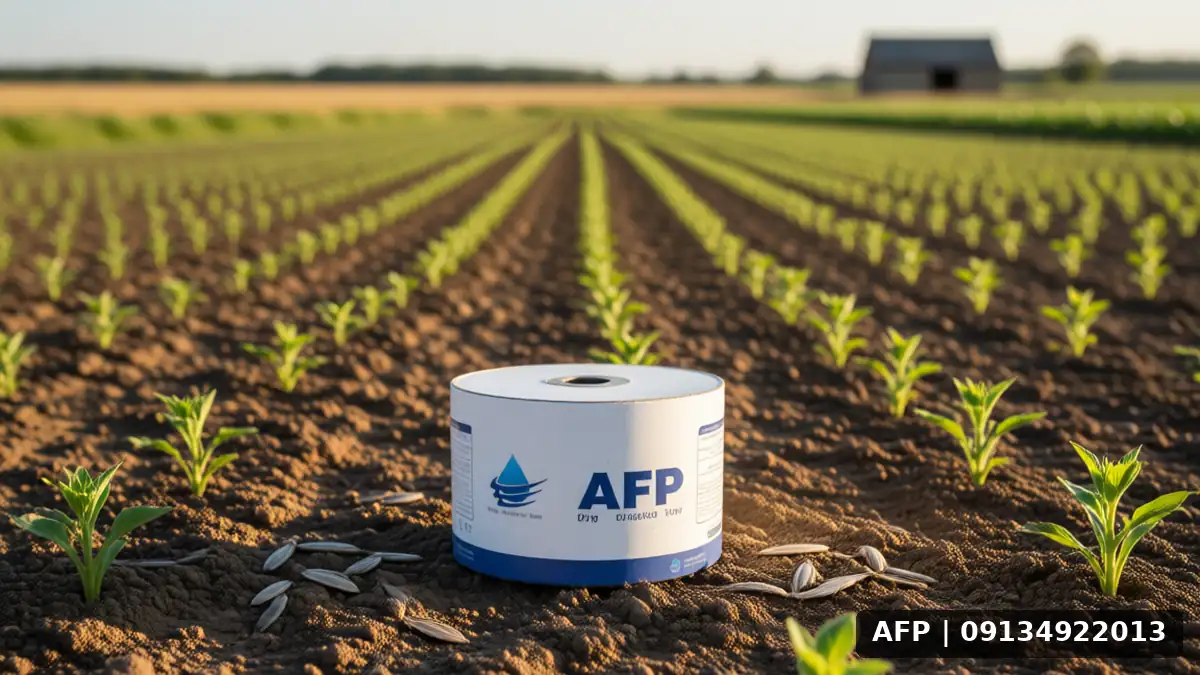
Okra is a tropical crop that requires regular and precise water delivery. Under Iran’s climatic conditions, the use of drip and tape irrigation systems has become essential for managing water consumption and increasing yields. However, the proper implementation of these systems in okra cultivation presents specific challenges that many farmers struggle to fully understand. This article aims to identify and analyze these challenges and provide practical solutions to improve irrigation system performance, enabling farmers to reduce cultivation risks by understanding key technical details.
Technical and Engineering Challenges in Okra Drip Irrigation
Okra is a plant with shallow roots that is sensitive to soil moisture stability at shallow depths. The primary challenge is the precise regulation of the discharge rate of the tape irrigation system. If the discharge rate exceeds the soil infiltration capacity, water flows on the surface, leading to soil stratification and an increase in root diseases. Conversely, a low discharge rate fails to meet the plant’s water requirements during regular intervals, causing water stress. Key Point The discharge rate of the irrigation system must be selected according to the field’s soil texture; in clay soils, the discharge rate should be set very low, while in sandy soils, it should be adjusted higher.
The Effect of Soil Texture on Tape Irrigation Performance
Selecting a tape irrigation type suitable for the soil texture is another often-overlooked challenge. Using tapes with larger diameters in heavy soils can lead to premature clogging of the emitters. Additionally, changes in soil texture during the growing season due to soil management operations can negatively affect the uniform distribution of water along the tape. To better understand this phenomenon, refer to the study Types of irrigation systems Farmers are advised to select the optimal configuration for their specific farm conditions.
Environmental challenges and root management
Bamboo rice is highly sensitive to abrupt changes in moisture. In drip systems, if consecutive irrigation cycles are applied to one section while another remains dry, the risk of stem rot and fruit quality reduction increases. The main challenge here is equalizing pressure across the entire drip line. Pressure drop at the end of the line can result in incomplete irrigation. Additionally, salt accumulation around drip emitters, particularly in low-rainfall soils, is a significant issue. Managing this salt requires periodic leaching irrigations, which introduces challenges in managing water and energy consumption.
Impact of plant diseases on drip line health
Fungal diseases transmitted through water can reach rice roots via drip emitters if the water source is contaminated or equipment hygiene is poor. This necessitates proper water treatment and the use of fine filters. Neglecting this can cause drip line clogging by algae or sediment. While familiarity with barley yield per hectare can serve as a proxy for comparing the efficiency of different systems in other crops, for rice, focusing on reducing losses due to root diseases is critical to prevent economic damage.
Economic challenges and system maintenance
The initial installation cost of drip systems is relatively high. One of the main concerns for farmers is the short-term return on investment. The challenge is that if the system experiences pressure fluctuations or plumbing components (valves) degrade, repair costs will quickly offset the savings from water conservation. Additionally, proper maintenance of drip tape after the end of the cotton growing season, for use in the next season, is a process that farmers often do not perform correctly. Flushing the lines at the beginning and end of each irrigation cycle is essential to prevent chemical sediment buildup. Familiarity with drip tape maintenance and its associated costs can help farmers plan their finances more accurately and avoid sudden price fluctuations in spare parts.
Practical tips for overcoming cotton irrigation challenges
To succeed in cotton cultivation with drip irrigation, it is essential to adhere to the following operational principles:
- Inlet pressure control: Use a manometer at the beginning of each drip tape line to ensure uniform pressure.
- Dripper spacing adjustment: For cotton, the spacing between drippers is usually 20 to 25 centimeters. This spacing must be precisely adjusted to match the soil infiltration rate.
- Mulch cover: Using plastic or fabric mulch reduces evaporation and promotes uniform soil moisture, addressing the challenge of surface soil dryness.
- Root clearance: Bitter melon is susceptible to surface roots; therefore, planting depth and drip line installation must be arranged so that roots do not make direct contact with the tubing to prevent rot.
- Soil aeration: Before irrigation, check soil drainage to ensure excess water can escape and waterlogging pits do not form.
Additionally, attention to planting density can affect water requirements. If very high planting densities are used, root competition for water absorption increases, requiring greater precision in irrigation scheduling. Review the guide for tomato seed rate per hectare as a model for comparing different densities in crops with similar root systems.
Frequently Asked Questions (FAQ) on Okra Drip Irrigation
What is the best time to irrigate okra using a drip system?
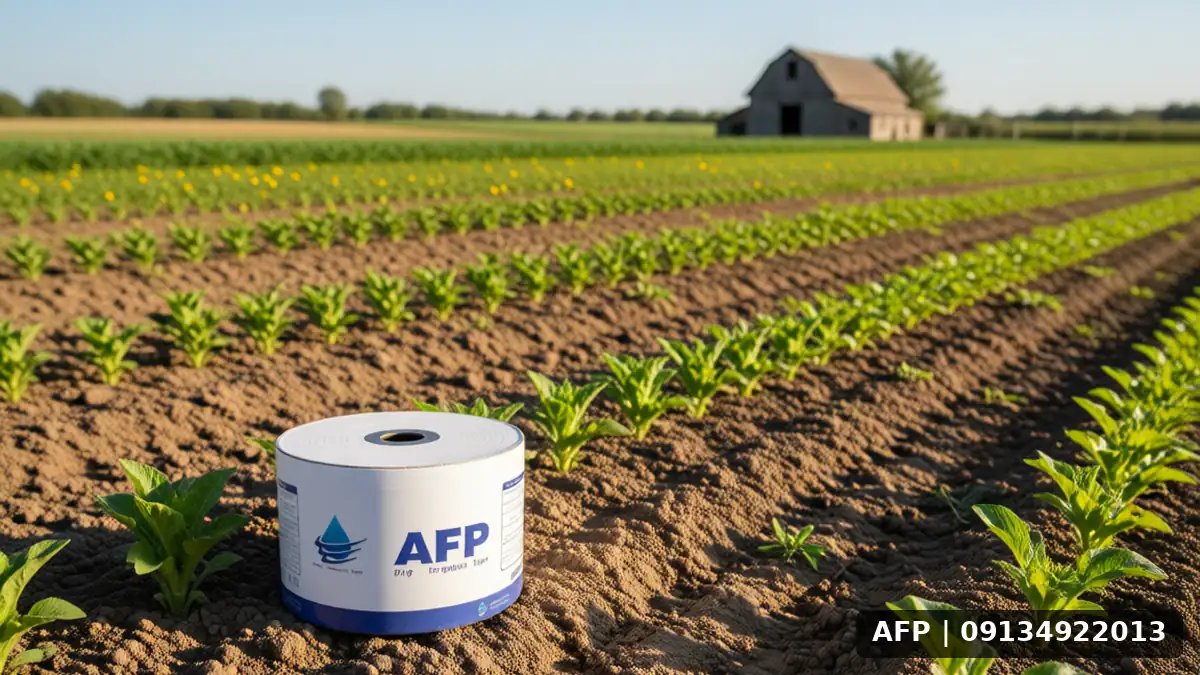
The optimal times are early morning or late evening. These hours reduce rapid water evaporation from the soil surface and increase root uptake. Irrigation during the hot midday increases the risk of burning sensitive okra leaves.
What should I do if the drip tape is punctured during okra planting?
Using T or P connectors to replace the damaged section is recommended. For small punctures, use specific drip tape repair solutions to prevent hidden leaks.
Can drip tape be reused for okra in consecutive years?
Yes, provided the tape is collected in winter and stored properly (away from direct sunlight and cold), it can be used for 2 to 3 seasons. However, in the second year, pressure drop and emitter orifice diameter reduction will be significant.
What is the main challenge in okra cultivation on heavy soils?
Heavy (clay) soils cause a reduction in root-zone temperature and slow down water infiltration. Therefore, you should use dripper tapes with smaller diameters and lower flow rates to allow water sufficient time to infiltrate rather than puddle.
Conclusion and Sustainable Solutions
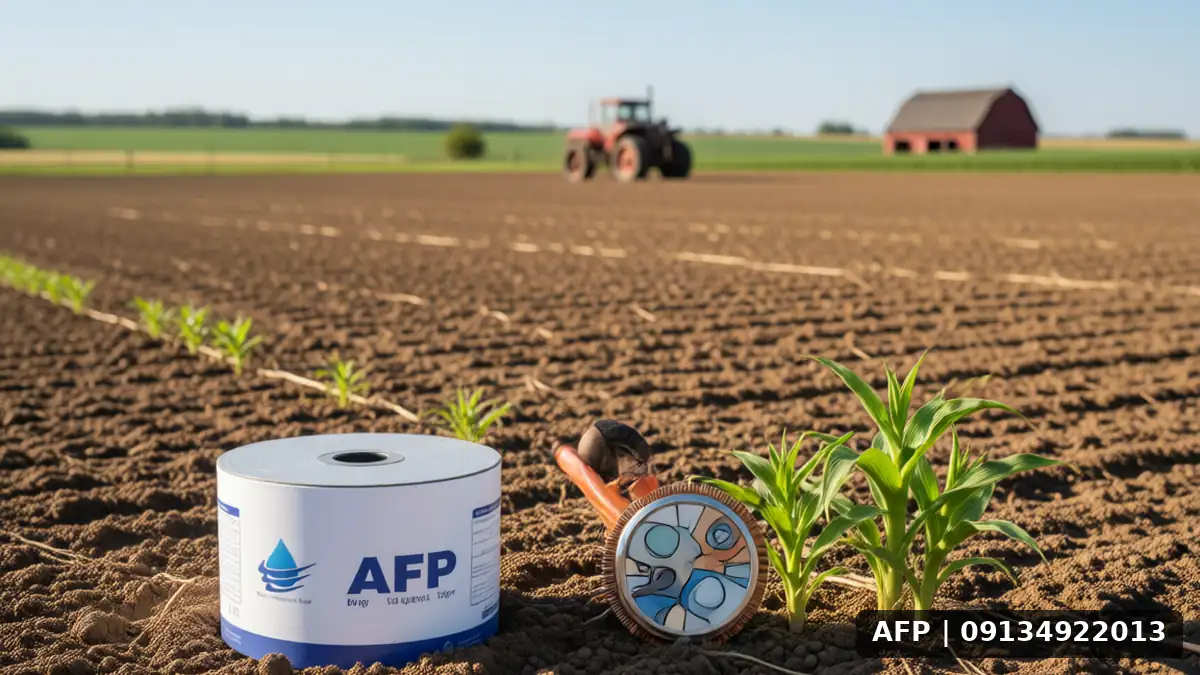
The challenges of drip irrigation in okra cultivation are a combination of engineering, soil science, and economic factors. Success in this approach requires a focus on precise flow rate calibration, selecting the appropriate tape type based on soil texture, and executing a rigorous system maintenance program. Farmers who address these specific challenges and utilize specialized resources to update their knowledge can not only reduce water consumption but also improve the quality and quantity of the okra harvest. We recommend reassessing the soil condition and plant water requirements before each planting season and consulting irrigation specialists as needed.
For further reading on water resource management in various crops, you can refer to the guide on turnip yield per hectare or articles related to other root crops. Drip irrigation for okra is a long-term investment that, with technical knowledge, will yield better economic returns.
Related articles: seed amount spinach hectare optimal methods, Drip line maintenance and costs