Drip Irrigation in Eggplant Cultivation: Key Tips for Improving Performance and Quality
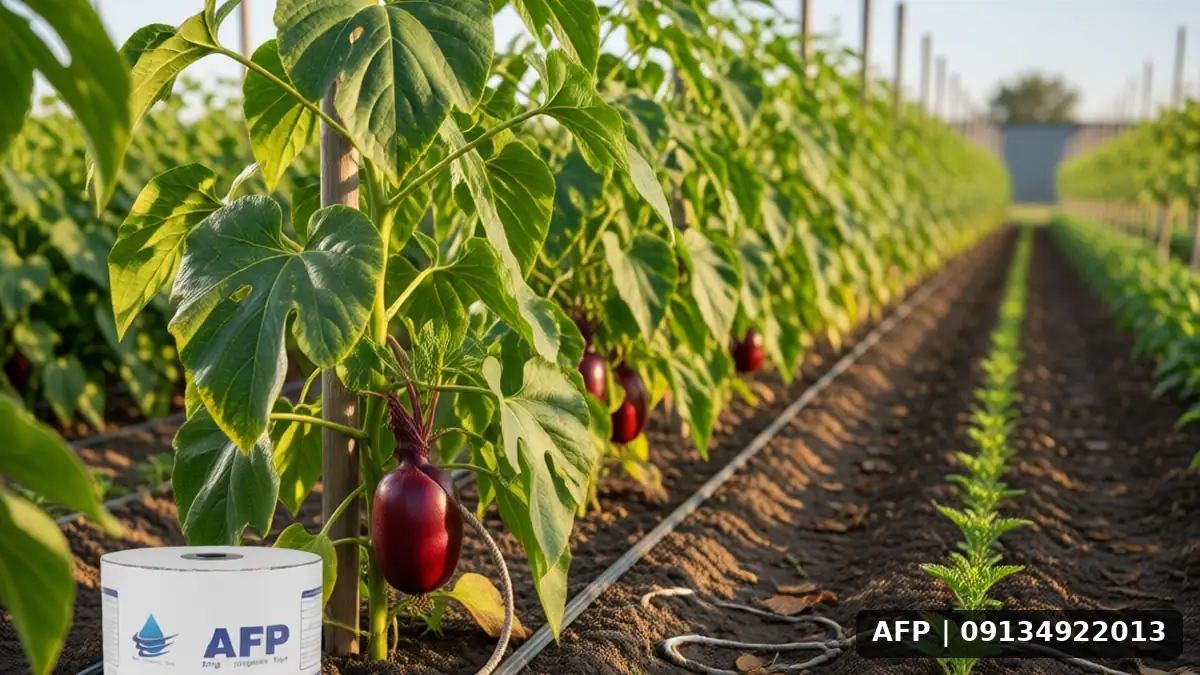
Eggplant cultivation is a thermophilic and high-maintenance crop with high sensitivity to weather conditions, particularly water availability. Under normal conditions, farmers often tend to over-irrigate or maintain high soil moisture levels to prevent drought stress. However, recent research in plant physiology indicates that applying managed-deficit irrigation (Managed-Deficit Irrigation) during sensitive stages of the production cycle can lead to increased fruit cell density, improved color development, and enhanced plant resistance to environmental stress. This method is particularly implementable and effective in precision irrigation systems such as drip and subsurface drip, which allow for precise control of water volume. The following section examines how to manage this mild water stress in eggplant and its impact on the economic sustainability of farms.
What is managed-deficit irrigation and why is it beneficial for eggplant?
Managed-deficit irrigation means irrigating below the full crop requirement during specific growth stages without causing pathological damage or significant yield reduction to the plant. For eggplant, this mild stress causes the plant to direct its nutritional resources toward existing fruits and suppress vegetative growth (extra shoots). This approach offers several key advantages: reduced pumping energy costs, decreased need for manual pruning (as the plant naturally regulates its own vegetative growth), and an increase in fruit dry matter content, which improves taste and export quality.
Key points in implementing managed-deficit irrigation for eggplant
Critical Timing: Eggplant Growth Phases
The most critical aspect of deficit irrigation is selecting the correct timing. Eggplant exhibits varying sensitivities at different growth stages. Typically, there are two sensitive periods during which deficit irrigation should not be applied: initial flowering and rapid fruit expansion. During these times, the plant is highly sensitive to water deficit, which can lead to flower drop and reduced fruit size.
Conversely, deficit irrigation yields the greatest benefit when fruits have reached their approximate final size and the cell enlargement (expansion) process is nearing completion. Additionally, in the late season, reducing irrigation can help regulate growth rates and synchronize fruit ripening. If you intend to benefit from deficit irrigation, ensure that Lentil seed rate per hectare or other variables in complementary crops in your rotation are also understood to prevent indirect root competition or interference (although eggplant is typically grown as a monocrop or with specific vegetables).
Level of irrigation reduction
Typically, a 20% to 40% reduction in water relative to a full irrigation regime (100% ETc) is recommended. However, these figures vary depending on climate, soil conditions, and crop type. In drip systems, this mild stress can be induced by reducing pump operating hours or increasing the interval between irrigations. It is important that the plant shows signs of mild drought stress, but this should not progress to severe leaf wilting. Morning leaf wilting is normal due to atmospheric conditions, but if this condition is severe at noon and leaves remain wrinkled, it indicates high stress.
Role of drip and tape systems in deficit irrigation management
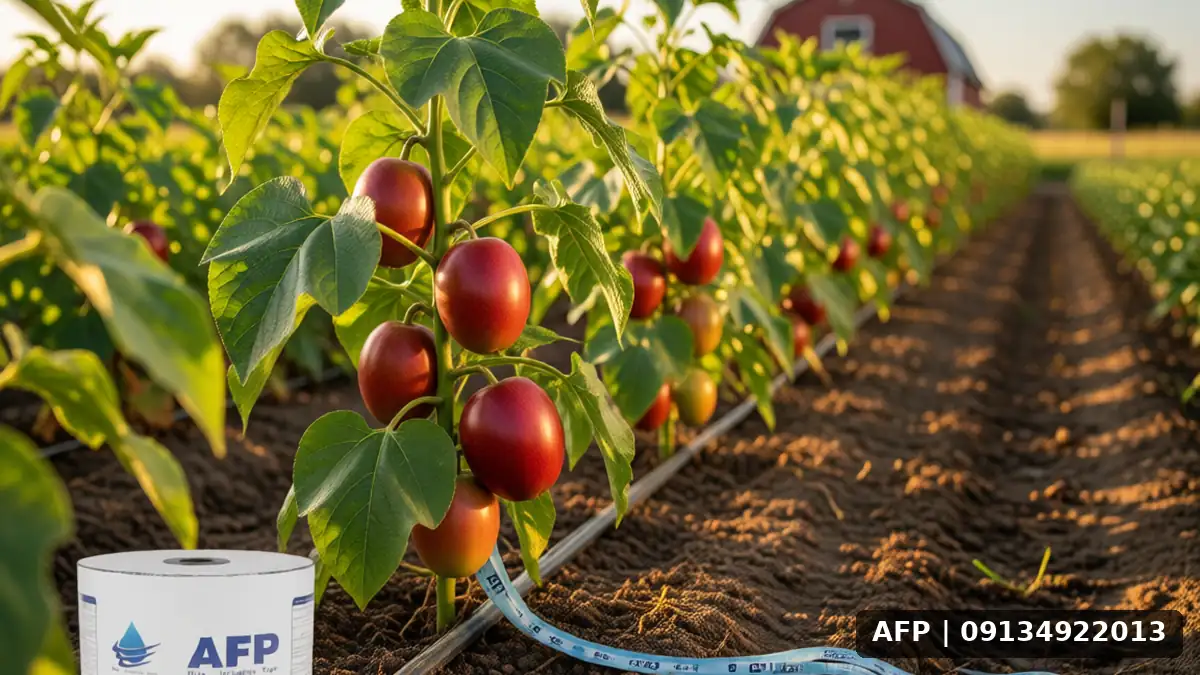
Pressurized irrigation systems, particularly drip and micro-tape, are the primary tools for implementing this methodology accurately. In drip systems, the uniform distribution of water to the main roots of eggplants ensures that the plants exhibit a more logical physiological response to partial irrigation compared to conventional sprinkler or drip methods. In micro-tape systems, which are increasingly popular in Iran today due to lower costs and high efficiency, it is essential to select hoses of the appropriate diameter (typically 16 or 20 mm) and maintain the correct distance between nozzles (drippers).
To implement deficit irrigation with micro-tape, use tapes with wider dripper spacing (for example, 40 cm instead of 20 cm) to reduce water uptake without altering the system’s total pressure. This encourages roots to explore deeper or wider soil zones in search of water, ultimately strengthening the root system. If your farm lacks a pressurized system, understanding field overhead irrigation and its effects can help you recognize why traditional methods are inefficient under water-stress conditions.
Practical tips for farmers
- Plant monitoring: Use leaf monitoring software or even daily visual observation. If leaves are turgid at the end of the day, there is no issue. If they remain wilted, adjust the irrigation immediately.
- Water quality: Under mild stress conditions, the precipitation of suspended solids in water increases. Ensure that the filters in the micro-tape or drip system are not clogged, as nozzle blockage causes some plants to receive insufficient water while others receive excessive water, resulting in uneven growth and yield.
- Nutrient Management: During the defoliation period, the uptake of certain elements such as potassium may change under specific conditions. After ensuring the irrigation system is healthy, apply fertilization based on soil analysis. Review parsley yield hectare farming guide and other articles on nutrition to gain a better understanding of element uptake in light and heavy soils for eggplant.
- Harvest Timing: In long-term eggplant crops, defoliation in the final month causes fruits to ripen more uniformly. This consistency increases export quality.
Frequently Asked Questions (FAQ)
Does defoliation irrigation reduce eggplant yield?
No. When applied in controlled doses (20-40%) and at non-sensitive times, it typically increases quality and consistency. In some very dry climates, yield may decrease slightly, but quality improves compensatorily. For final optimization, it is also recommended to review the onion seed amount per hectare and other vegetables grown in rotation to establish a suitable planting pattern.
Which irrigation system is better for commercial eggplant production?
The drip line system is a more economical option due to lower costs and high flexibility in adjusting the number of emitters. However, point drip systems perform better in precisely controlling soil moisture around the main root zone, especially in sandy soils with high porosity.
How can I determine the growth stage of the plants?
You can estimate the growth stage by observing the number and size of the ripe fruits. Additionally, peer software such as Harvest Yield Per Acre, a farmer’s guide, can teach you the basic concepts of crop management and growth monitoring.
Conclusion
The use of deficit irrigation in eggplant cultivation is an advanced and sustainable approach that, by combining plant physiology knowledge with precision irrigation system technology, can ensure long-term farm profitability. This method requires continuous monitoring and sufficient knowledge of the plant growth stage. By utilizing drip or tape systems and adhering to the mentioned practical tips, you can achieve the highest fruit quality with minimal water consumption. Success with this method plays a key role not only in reducing production costs but also in increasing the added value of the product in export markets.
Related articles: Seed amount of chives D8AFD8B1 per hectare