Drip Irrigation in Melon Cultivation: Comprehensive Guide to Cost Efficiency and Precise Water Management
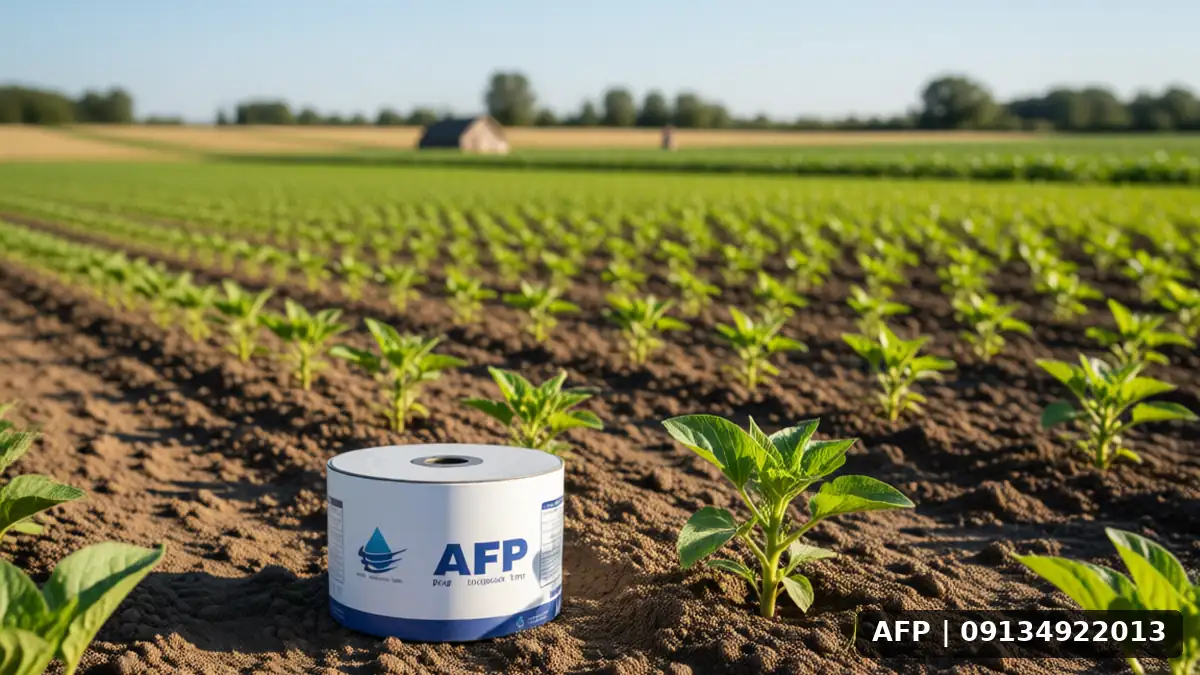
Melon cultivation is one of the most water-intensive orchard crops in tropical regions, exhibiting extreme sensitivity to soil moisture management. In recent years, with the significant rise in water and electricity prices, farms have realized that resource conservation is not an optional choice but an urgent necessity for the economic viability of the business. Conventional sprinkler irrigation methods often result in the waste of up to 40% of water resources and cause leaf drop and fungal diseases in melon fruits. In contrast, drip irrigation delivers water to the deep root zone, offering the highest efficiency, but the main concern for most farmers is the initial installation cost of piping and ancillary equipment.
In this comprehensive guide, our goal is to provide precise strategies for cost optimizationof melon irrigation systems. We focus not only on reducing capital expenditure (CAPEX) but also on operational expenditure (OPEX), such as electricity consumption and maintenance, to ensure the fastest possible return on investment. Attention to technical details at every stage, from design to implementation, is key to success in this process.
Principles of Economic Design for Melon Tape Systems
To achieve cost optimality, one should not install a system that exceeds actual needs. Due to its more limited coverage and lower cost compared to a full drip line, tape systems are sometimes a better option for the upper soil layers in melon cultivation. However, the intelligent combination of main pipes and tapes is the key to reducing costs.
Selecting the appropriate pipe caliber
One of the biggest mistakes in system design is purchasing pipes with a caliber higher than the actual need. For melon cultivation with conventional density, 25 mm pipes in lateral lines are often sufficient. Using 16 mm pipes at greater intervals causes increased pressure loss and the need for a more powerful pump (and consequently higher electricity costs). However, if pipe spacing is very narrow, smaller pipes can be used to reduce raw material costs. Accurate calculation of the “maximum transferable flow” of pipes is the first step in reducing material purchase costs. More technical information about guidance for larger pipes for main lines can be effective in the correct selection of central transmission lines and reducing energy loss along the path.
Reducing operational and maintenance costs
Drip irrigation costs include more than just piping; filtration and purification costs are also a significant part of the budget. Sludge and sediments in drip emitters are the main cause of system failure and reduced efficiency.
Pressure management and smart pumps
The highest energy consumption in irrigation systems is associated with the main pumps. For melons, maintaining system pressure between 1 and 2 bar is sufficient. Using variable frequency drives (VFD) can reduce pressure during peak consumption hours, lowering electricity costs by up to 20%. Additionally, installing a manometer at the pump outlet and implementing automatic controls prevents sudden pressure spikes that cause drip tape to burst. The useful life of irrigation equipment depends directly on proper maintenance; studying how to extend the lifespan of drip tape can lead to significant savings in periodic replacement costs and increase the overall lifespan of the system.
Practical installation tips and waste reduction
During the installation phase, proper hosing and connection are crucial for reducing leakage. Leakage at connections, in addition to water loss, causes the formation of moisture puddles and melon stem rot, which is economically devastating.
- Using the system for spray applications: Using the drip tape system for liquid fertilizer injection (KDS) eliminates the need for separate sprayers and labor hours. This is one of the primary reasons for the return on investment in drip irrigation.
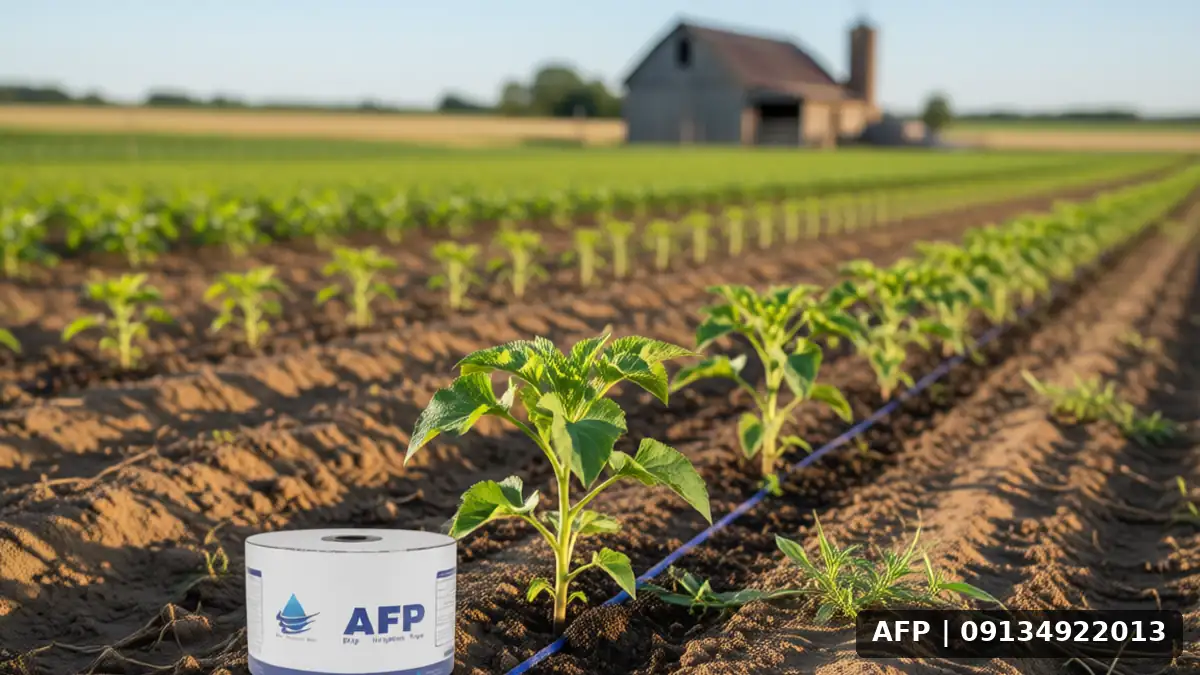
- Adjusting tape installation depth: In melon cultivation, placing the drip tape at a depth of 10 to 15 cm delivers moisture directly to the deep root zone and prevents surface drying, which inhibits weed growth. Reduced weed growth means lower costs for labor and herbicides.
- Separation of hanging parts: Using ISO-standard connection fittings instead of weak connectors prevents pipe rupture caused by tension and wind.
Economic comparison with other methods
To better understand, let us compare the costs. While the initial purchase of drip tapes and drippers represents an upfront cost, the annual cost of sprinkler systems is typically two to three times higher due to greater water and energy consumption. Additionally, in many regions, government subsidies are available for the purchase of drip systems, which can reduce the net cost by up to 30%.
Frequently Asked Questions (FAQ)
Is drip tape as effective as drippers for melons?
Drip tape is excellent for the upper soil layers but provides less depth coverage. For melons, which have deep root systems, combining drip tape with subsurface drippers or using drip pipes with wider spacing is sometimes more economically and functionally optimal. It is recommended to make the decision based on soil type (sandy or clay). In sandy soils, drip tape requires more continuous water delivery due to the soil’s rapid drainage, which can increase costs unless low-consumption systems are used.
What is the best time to purchase and install the pipes?
The best time is before the planting season to allow for testing and leak repairs. Purchasing during off-peak seasons often leads to seller discounts, even if official pricing does not change significantly.
Can rainwater be used to charge the system?
Yes, collecting rainwater can reduce the cost of drinking and agricultural water. Tank design should be based on rainfall rates and farm coverage area. To view types of rainwater collection pipes, you can Rainwater Pipe Guide reference that while it is designed for arid regions, its technical principles are applicable.
Summary and Final Recommendations
Cost optimization in watermelon drip irrigation is not a complex equation but the result of smart management. By selecting the correct calibers, using low-consumption pumps, and utilizing fertigation capabilities, you can drastically reduce operational costs. Do not forget that comparison with other agricultural products also shows that precise resource management in high-consumption vegetables is vital; an example of this precise management can be seen in the analyses of Harvest yield of other vegetables It was observed that all of them emphasize water management.
Investing in drip irrigation systems for melons is no longer a luxury, but a guarantee of long-term profitability. By following this practical guide, prepare your farm for a sustainable future. For a better understanding of other variables, studying articles related to growing other crops such as Garlic yield per hectare can also provide good insights into the economic profitability of different crops.
Related articles: How to install drip tape in width and Kidney bean yield per hectare