Comprehensive Guide to Tiph Drip Irrigation Tape Installation, Maintenance, and Optimization in Modern Agriculture
In modern agriculture, one of the main challenges farmers face is optimizing water consumption and increasing crop yield under changing climatic conditions. Drip irrigation and the use of drip tape, as one of the most efficient water delivery methods, play a vital role in field crops. This method not only prevents the wastage of water resources but also ensures uniform moisture distribution in the plant’s root zone, resulting in better growth and increased crop volume. For a deeper understanding of the operating principles and proper installation of these systems, it is essential to become familiar with Maintenance and management of drip irrigation tape appears to be a necessity. Proper maintenance of these tapes and continuous monitoring of system pressure are the keys to success in reducing operational costs and ensuring the sustainability of the irrigation system throughout the different seasons of the year. Many novice farmers sometimes forget the importance of line density, while precise meterage and proper spacing directly affect moisture coverage across the entire farm area. Neglecting these details can lead to significant differences in plant growth within a single field and negatively impact economic efficiency.
Selecting the appropriate tape type based on the crop type, root depth, and soil texture is a critical step requiring high precision. For example, in vegetable crops with shallow root systems, using tapes with a thinner gauge and closer lateral spacing is the most optimal option. Conversely, for fruit trees or deep-rooted plants, wider tapes with greater spacing are necessary to ensure water is distributed uniformly to the target depth. In this regard, understanding the comparison between extruded and sewn irrigation tapes helps farmers choose the best option for their farm by comparing the characteristics of printed, adhesive, and extruded tapes. Extruded tapes, due to their higher durability and resistance to mechanical stress, are considered a better option for large-scale and perennial farms, whereas adhesive tapes are more justifiable for seasonal crops with short-term economic returns. Selecting the wrong tape type can lead to salinization, clogging of emitters, and ultimately a reduction in system efficiency.
One of the key aspects in drip tape system design is the analysis of pressure and water flow dynamics in the pipes. Neglecting pressure drop along main and sub-main lines results in insufficient water delivery to the end of the field. Therefore, precise hydraulic calculations and the selection of appropriate pipe diameters are of paramount importance. Additionally, in fields with slopes, phenomena such as bulging or drastic pressure changes must be prevented. The use of high-quality filters to prevent clogging of the tape’s fine emitters is another vital principle. If suspended particles in the water exceed acceptable limits, the tapes will clog rapidly. In this context, the study regarding climatic conditions with diversity It can help improve understanding of the irrigation cycle and specific needs of each region. Farms located in high-pollution areas or those using surface water sources should service their filtration systems more regularly and not neglect periodic sediment removal. These preventive measures significantly increase the useful life of the drip lines.
The direct effects of drip-line irrigation on plant stability and the reduction of environmental stresses are another positive achievement of this method. By reducing surface evaporation and maintaining adequate soil moisture, the activity of beneficial soil microorganisms is preserved, and soil structure is protected from degradation. In vegetable crops such as eggplant and pepper, which require stable moisture, side-row or in-row drip lines can significantly increase crop yield. Familiarity with Advantages of drip-line planting It helps farmers make more rational decisions in farm management by relying on scientific principles. These advantages are not limited to water savings but also include reduced fertilizer consumption through fertigation, lower labor costs, and improved final product quality. By combining drip irrigation and drip lines, modern plant nutrition methods can be utilized to deliver fertilizer directly to the plant roots, resulting in better nutrient absorption.
After the end of the crop cycle or during system downtime, the process of draining and flushing the lines becomes critical. Water left in the lines can lead to the growth of clogging organisms and mineral precipitation inside the tubes, resulting in long-term blockages. Therefore, proper instructions for flushing the system and using approved detergents must be followed. Many farmers, due to lack of knowledge about maintenance processes, quickly face issues with reduced emitter output. In this regard, attention to Recommended amount of Mixidon ink for flushing drip irrigation systems can help fully clean the lines and prevent secondary clogging. Using these chemicals at appropriate concentrations and precise timing ensures that irrigation quality is maintained in the next season and lines are ready to restart.
Optimizing water use depends not only on the number of pipes installed but also on the management of the value chain and product harvesting. In intercropping, where multiple plant species are grown together, the drip irrigation system must be designed to meet the water needs of each plant individually or in coordination. For plants with high sensitivity to moisture, such as root vegetables, the spacing between lines should be narrower. Familiarity with the principles of Irrigation with perforated ribbon drip tapes In mixed cropping, a better understanding of water distribution in diverse soils is provided to the farmer. Perforated tapes, having larger holes compared to emitters, offer higher flow rates and are more suitable for plants with high water uptake rates. Selecting the appropriate model requires field testing and adaptation to specific farm conditions.
The direct impact of strip on improving soil quality and environmental sustainability is another aspect of the benefits of this technology. By reducing the mechanical pressure of agricultural machinery on the soil, due to creating sufficient space for machines to pass through the strip lanes, soil erosion is reduced. In addition, the reduction of groundwater contamination through more precise control of fertilizers and chemicals is another positive outcome. Farmers can use the strip method to utilize spray irrigation methods for managing pests and diseases. This method is particularly useful in managing chemical communications, such as Seed amount of mung bean per hectare and other annual plants, has a wide application. The dosage of chemicals can be precisely controlled so that all penetrates the soil and prevents reaching surface waters. This precise control is beneficial for the environment and also reduces the cost of purchasing chemicals.
In conclusion, it can be stated that strip irrigation is a dynamic and multi-faceted system that has, as a whole, changed the face of modern agriculture. The initial investment in installing these systems will pay off in a short period of time due to the reduction of water, electricity, and labor costs. The farmer’s responsibility is continuous maintenance and upgrading of their technical knowledge. By implementing scientific principles from design to strip flushing, the optimal performance can be achieved from this technology. The future of agriculture depends on the optimization of resources and smart data management, and strip, as a vital tool, is the most accessible way to achieve these goals. Adhering to the mentioned principles will guarantee long-term success in sustainable agricultural production and comparison with upcoming challenges.
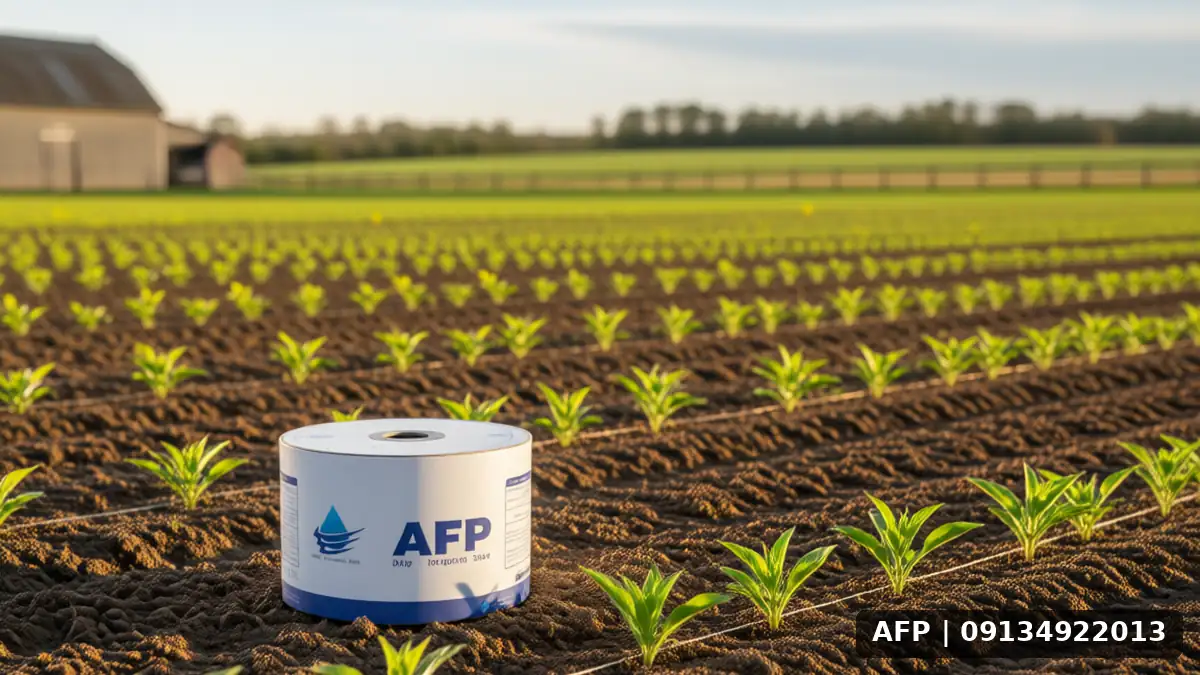
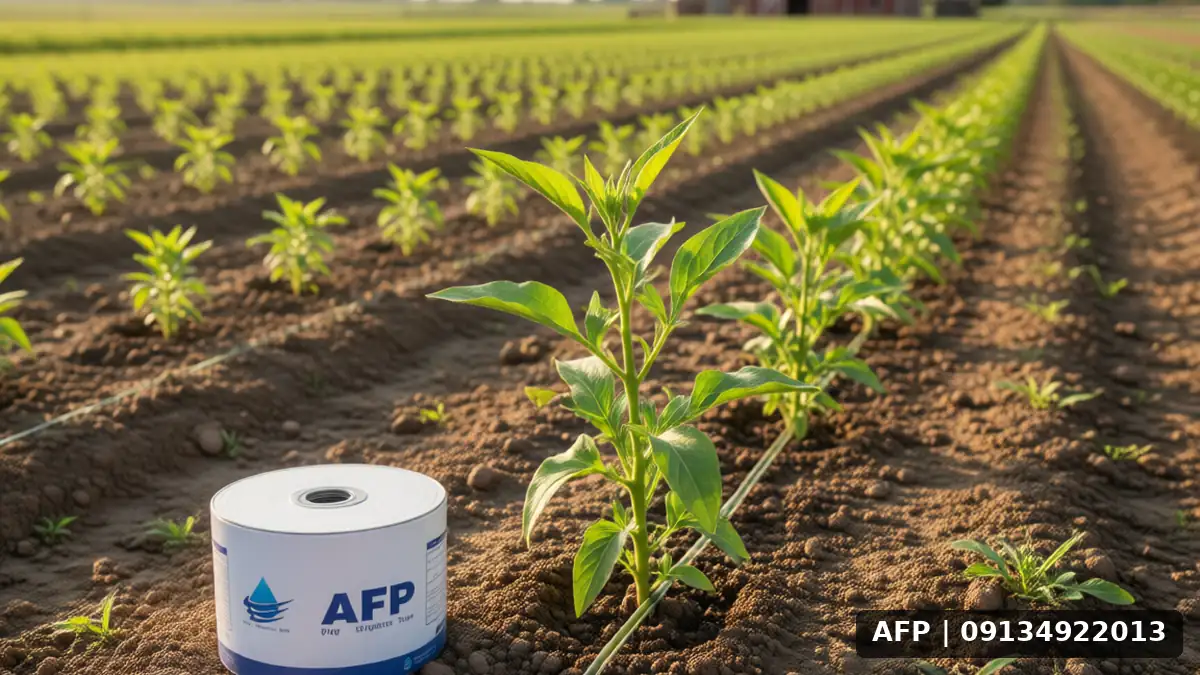
The above image shows the installation of a drip tape in a rainfed and irrigated field. The pipe spacing is observed to be regular and in accordance with hydraulic principles. Uniform moisture coverage within the plant root zone is the direct result of this sound design.
This image shows a close-up of the drip tape head and its connection to the main line. Secure, leak-free connections ensure system safety against pressure drops and contamination. The use of standard clamps increases the durability of the connections against mechanical forces.
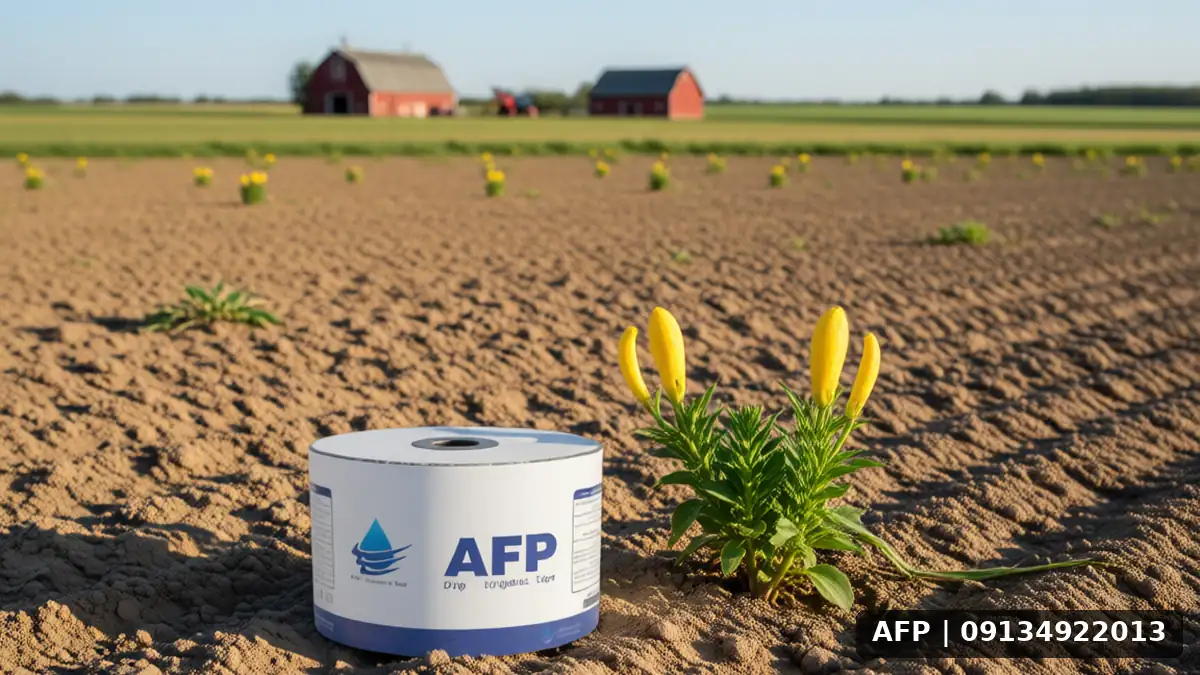
The final image shows an overview of the irrigation network in a field with various elevations. Pressure management across different field slopes has been achieved by adjusting the jet pump and regulating valves. Uniform output at all points in the field, including the main success criteria in design, is key.