Center Pivot Irrigation for Okra Farming: A Comprehensive and Practical Guide
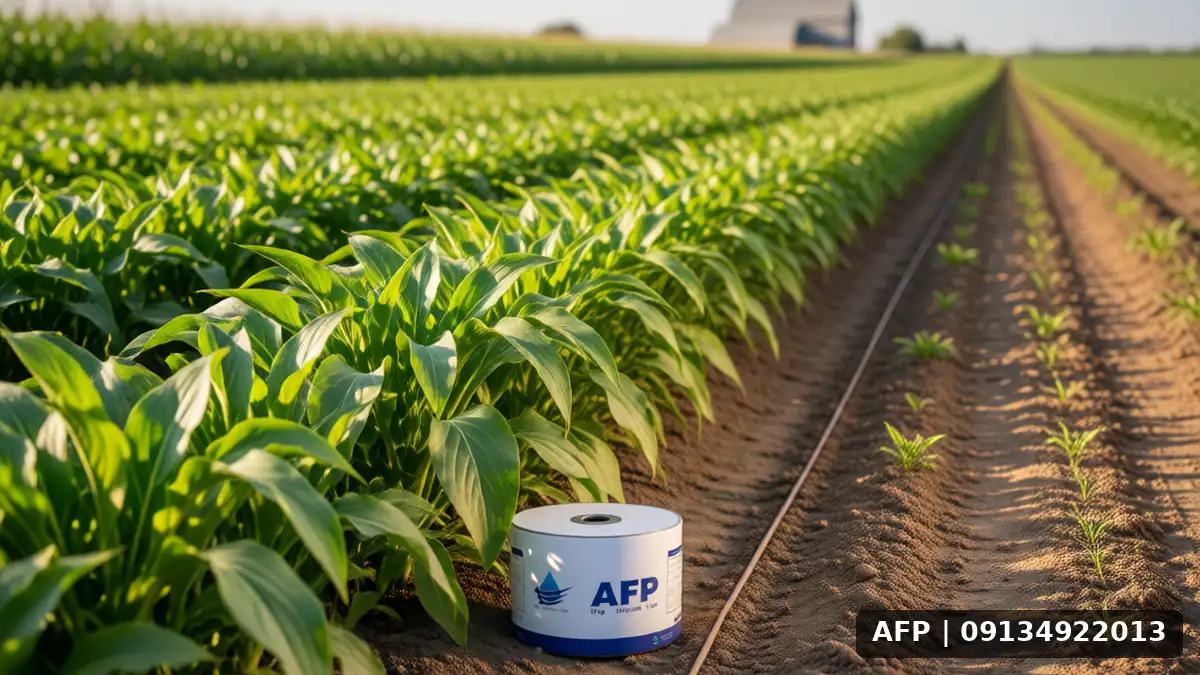
Zucchini, or sweet pepper, is one of the most popular vegetables in modern agriculture, and its delicate root system is highly reactive to early drought or waterlogging. The use of central pivot irrigation systems, which includes advanced methods such as dense-furrow strip and drip irrigation, can be a turning point in the production of this crop. Central pivot irrigation focuses on optimizing water distribution around the plant’s crown to maintain maximum moisture in the root zone. This method not only significantly reduces water consumption but also minimizes the risk of soil-borne fungal diseases. By establishing a stable moisture environment, plant stress is reduced, and fruit texture becomes more uniform and glossy, a crucial factor for end-consumer satisfaction.
Technical Principles of Central Pivot Irrigation in Zucchini
A deep understanding of soil physics and zucchini’s water requirements is the foundation of any successful irrigation plan. Central pivot irrigation is built on the principle that water must be supplied with the lowest possible operational pressure and precise timing to avoid heat and moisture stress. For zucchini, the spacing between drip emitters or strip furrows should be designed to ensure that soil drainage permeability is maintained within a 30 to 50-centimeter radius of the main root. This indirectly encourages roots to explore deeper areas in search of water, resulting in a stronger root system and greater resistance to short-term drought. Furthermore, soil temperature in the root zone is directly influenced by mineral coverage and the type of irrigation system used, which should not be overlooked.
Combining Strip and Drip Methods
In practice, many modern farmers use a smart combination of drip line layout and regular movement. This method allows drainage to be stimulated along the entire length of the row. To better understand the various systems available and how each performs under different conditions, study the guide to Types of drip irrigation systems and their performance which can expand your perspective on selecting suitable components. Choosing a pressure-compensating or constant-flow drip emitter prevents pressure fluctuations and ensures that plants at the end of the line receive the same water quality as those at the beginning.
Network design and technical calculations
The most important part of center pivot irrigation is the correct design of the lateral network and hydraulic calculations. The water pressure at the beginning and end of the line must have a stable and acceptable difference to prevent uneven water distribution along the row. The use of appropriate filters to prevent clogging of emitters is critical. Additionally, the diameter of main and sub-main pipes must be selected based on the total flow rate and the head loss per unit length. Pressure drop calculations must be performed accurately to prevent cavitation in the emitters, which can cause physical damage to the plastic and leaks.
Field-to-field calculation
Accurate determination of farm dimensions and water resource allocation requires precise calculations. Are you aiming to increase the area under cultivation? Understanding the depth of water infiltration and the infiltration rate of different soil types are other factors that must be considered. To better understand technical fundamentals, examining sunflower seed yield per hectare can serve as a reference for precise calculations regarding water infiltration and resource efficiency in similar crops. These calculation principles are fully applicable to Bamia. Also, consider that uniform fertilizer distribution via the center pivot irrigation system must be calculated to prevent salt accumulation around the roots.
Practical and operational tips for Bamia cultivation
The technical implementation of center pivot irrigation for Bamia requires attention to subtle details that make the difference between a standard crop and a first-class crop. Managing fertilization in conjunction with the irrigation system (fertigation) is one of the most important aspects. Foliar feeding for Bamia is highly effective; therefore, combining the appropriate concentration of nutrient salts with the center pivot water flow leads to better element absorption. It is important to note that alkaline and acidic fertilizers should not be mixed in the same tank simultaneously, as this causes precipitation. Instead, use separate tanks or sequential injection systems. Additionally, monitoring the EC of the discharge water (drainage) helps control plant absorption efficiency.
Preventive measures against clogging
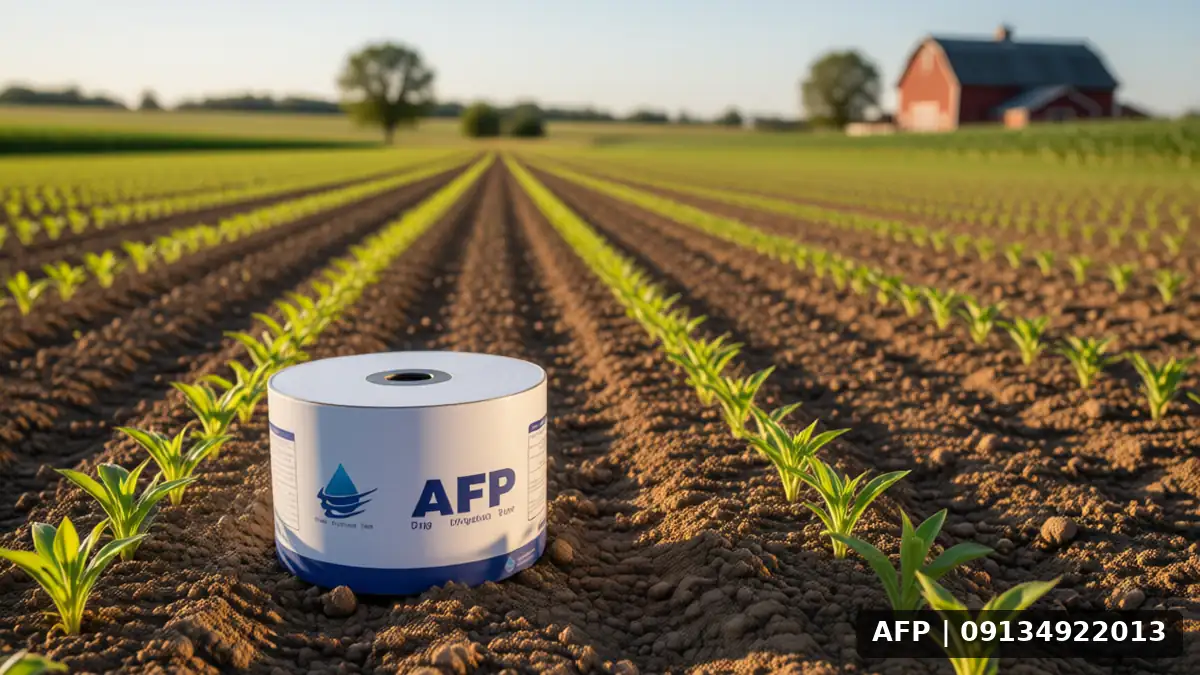
One of the main concerns in drip irrigation systems is the clogging of drip emitters due to iron, calcium, or microbial buildup. Regular acid and chlorinated flushing, according to a specific schedule, is mandatory. Although this process is usually automated, manually monitoring water pressure and output flow at the end of the lines indicates the system’s health. To understand similar challenges in other drip systems and their solutions, you can review the article “What is drip irrigation? Characteristics and disadvantages” as a comparative source to avoid similar design errors in melon cultivation. Regular cleaning of filters and checking of manifolds before each planting season minimizes the risk of failure.
Product quality and stability management
Melon quality depends not only on color and weight but also on taste and post-harvest shelf life. Drip irrigation, by reducing fluctuations in soil infiltration variability, helps the plant rind become thicker and more resistant. Additionally, reducing surface soil moisture after each drip application prevents root rot during rainy periods. This stability ultimately leads to an increase in the commercial value of the product in export markets. Uniform moisture leads to uniform fruit growth, which is a key parameter for receiving higher prices from retailers.
Frequently Asked Questions (FAQ)
What is the appropriate distance for tip-line drip lines in melon cultivation?
Depending on the soil type, a distance of 40 to 60 cm from the center of the row is generally optimal. This distance should be adjusted based on the soil infiltration rate.
Are drip irrigation systems economical for large-scale melon cultivation?
Yes. Given the reduction in water consumption by 30 to 50 percent and improved fertilizer uptake, operational costs will see a significant long-term decrease.
What is the best time for center irrigation of okra?
The best time is early dawn or late evening to prevent rapid evaporation, water infiltration, and direct solar heat on the plastic lines.
Final Conclusion
Center irrigation in okra cultivation is not just a technique; it is a management philosophy for modern farming. Combining soil knowledge, hydraulics, and biology allows you to produce high-quality and sustainable crops. By starting with a simple plan and gradually expanding it, you can achieve excellent efficiency. We suggest that for a better understanding of how to allocate water resources on a larger scale, refer to the article on Rosemary yield per hectare as well, to understand similar resource allocation patterns. Ultimately, the key to success in center irrigation of okra is continuous monitoring and feedback from the field.
Related articles: fosila khati bodiring standard, ushuli shinodani piyaz obri nuqravi, drip tape for beans guide