Center Pivot Irrigation for Lettuce Cultivation: A Comprehensive Guide to Cost Optimization and Productivity Enhancement
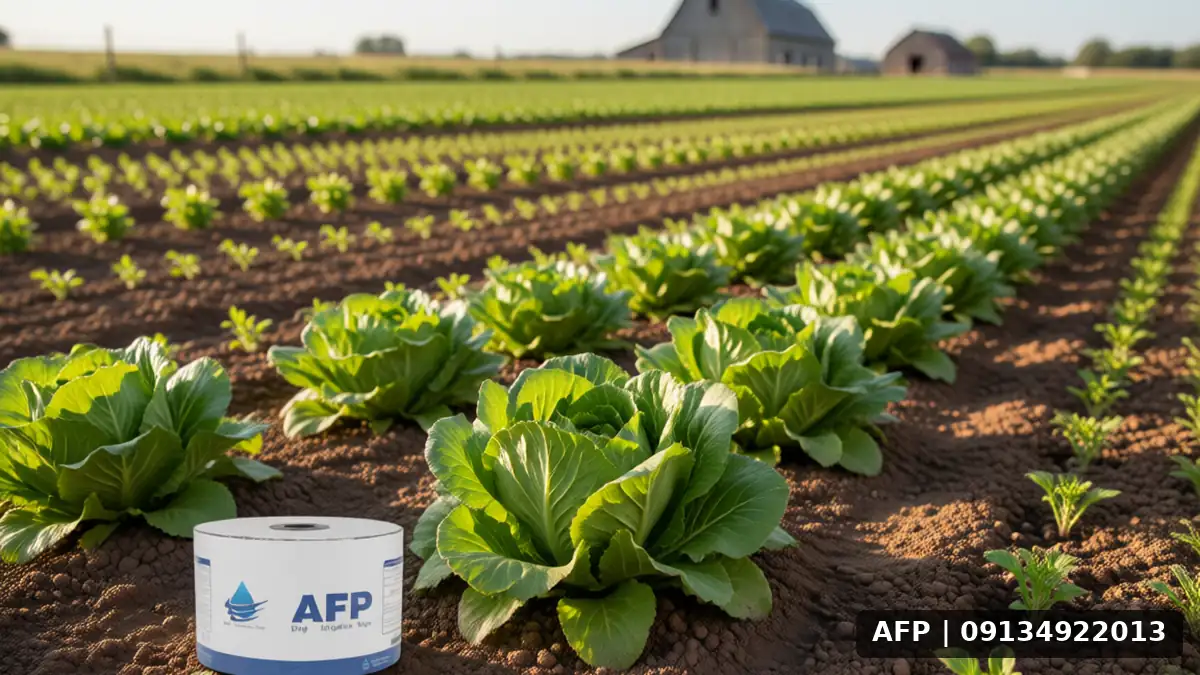
Introduction: The Necessity of Cost Optimization in Centralized Lettuce Irrigation
Lettuce, as one of the most sensitive leafy vegetables, has become an ideal candidate for precision irrigation systems due to its rapid growth, short cropping cycle, and precise moisture requirements. However, the main challenge for Iranian producers is finding the balance between initial costs (CAPEX) and long-term economic efficiency. Centralized irrigation, by directing water directly to the growth axis and active root zone, not only reduces evaporation and leaching but also ensures uniform distribution of nutrients. Yet, implementing this system without technical and economic knowledge can lead to increased operational costs (OPEX). In this article, relying on field data and engineering principles, we examine cost-optimization strategies step-by-step to design a system suited to your farm’s budget and climate.
Technical Principles and Operating Mechanism of Centralized Irrigation in Vegetable Gardening
Precise Definition and Difference from Other Methods
In lettuce farms, centralized irrigation combines advanced drip irrigation with precise hydraulic management. Unlike tape drip, which is typically laid linearly along rows, centralized systems use independent emitters or shorter tapes to cover the circular root zone. This structure offers greater flexibility in planting layout, allowing water to be placed exactly at the root initiation site. To better understand the difference in hardware components, familiarity with Guide to Selecting the Appropriate Tape Drip is useful, although in centralized systems, precision in controlling the output flow of each emitter and pressure uniformity play a more critical role.
Impact on Root Physiology and Nutrient Uptake
Water-driven nutrient application allows roots to function in a wetter, nutrient-rich zone. This leads to a phenomenon known as ‘reduced vertical leaching’; in other words, nutrients injected into the solution are absorbed near the root zone rather than moving deeper into the soil. The direct result of this process is an increased Fertilizer Utilization Efficiency (FUE) and a reduction in nutrient volume, resulting in direct cost optimization. Additionally, maintaining stable moisture reduces plant physiological stress and prevents leaf rolling or cracking.
Economic Analysis: Fixed Costs vs. Variable Costs
Capital Expenditures (CAPEX) and Key Components
- Main and Sub-lines: Selecting the appropriate PE pipe diameter to prevent unwanted pressure loss and maintain uniform flow rate at the end of the line.
- Drip Emitters: Using anti-clog drip emitters to increase system lifespan and reduce the failure rate.
- Filtration Standards: Installing disk and check strainers, which reduces emergency repair costs and production downtime to zero.
In estimating the initial cost, equipment market prices play a significant role. For example, The core of a 20 cm Type 2 tape can serve as a pricing reference, although for a central pivot system, priority should be given to the quality of joints, brass valves, and Litzel frame drip emitters. Initial investment in these components guarantees stable performance in subsequent years.
Operating costs (OPEX) and energy consumption
Operating costs include water, pump electricity, and supervision labor. Due to the reduction in total water volume consumed, the pump workload decreases, and consequently, electricity consumption (the most expensive variable in irrigation) is reduced. Additionally, the relative dryness in the space between rows (which is better maintained in central pivot irrigation) limits weed growth and reduces herbicide spraying costs. These savings are directly reflected in the net profit of the final accounts.
Practical solutions for reducing costs in lettuce cultivation
Hydraulic calculations and component selection
- Accurately calculate the required flow rate for each lettuce stand based on the water use coefficient and the soil’s water holding capacity.
- Avoid using oversized pipes, which increases costs; standard piping must strike a balance between pressure drop and expense.
- Perform periodic review of the filtration system; filter failure is the most expensive repair component and can damage all emitters.
To ensure the correct selection of auxiliary equipment, even if using the central method, familiarity with purchase criteria for drip tape is recommended due to similarities in filter structure and control systems. These resources help avoid purchasing counterfeit products from unorganized sellers.
Integration with smart filtration systems
Clogged drip emitters are the primary economic threat to lettuce production. A combined filtration system (disc + mesh) paired with pH and EC testers ensures lines remain consistently clean. This small initial investment prevents production stoppages and crop loss due to root desiccation or waterlogging from flow rate fluctuations. Automating this process also minimizes labor requirements.
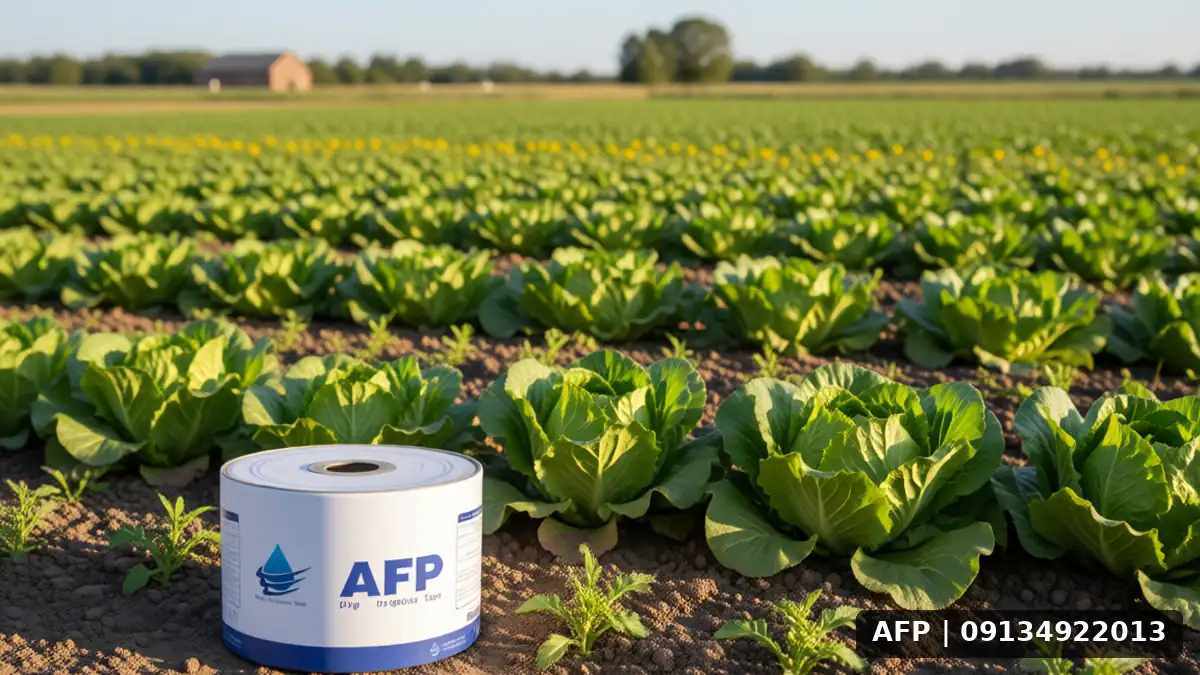
Optimization Based on Climate and Substrate Type
Impact of Soil Texture on Irrigation Scheduling
Light (sandy) soils exhibit high permeability, necessitating shorter and more frequent irrigation cycles. Clay soils have higher water holding capacity, which helps prevent waste. Adjusting the lateral irrigation schedule according to these differences is key to reducing pumping energy costs. Comparative studies indicate that leafy vegetables such as lettuce achieve higher economic returns in precision drip systems compared to surface irrigation, particularly in water-scarce regions.
Design for Multiple Crop Cycles (Multi-Functional Architecture)
Lettuce is often cultivated across multiple cycles per year. The lateral system design must offer flexibility for consecutive cycles. Selecting components with long service lives and easy replaceability reduces replacement costs in subsequent years, keeping expenses optimized over the farm’s economic lifespan. Additionally, the ability to utilize the same infrastructure for other crops such as cucumber or corn adds value to the investment.
Frequently Asked Questions (FAQ)
Is central pivot irrigation economically viable for small lettuce farms?
Although the initial overhead cost is higher, reduced crop loss due to uniform growth, lower labor costs (elimination of manual watering), and decreased energy consumption typically result in a return on investment (ROI) within 2 to 3 growing seasons. For small farms, equipment leasing or purchasing smaller packages are also available options.
How do we prevent clogging of drip emitters?
Use appropriate filters, perform periodic pipe flushing (Flush), and avoid injecting fertilizers that are insoluble or prone to precipitation. Never inject chemical solutions directly into the system without prior pre-filtering. Regular cleaning of tanks also prevents sediment accumulation.
What is the cost difference between central pivot irrigation and regular drip irrigation?
The main cost in advanced central pivot systems lies in the smart control units and more precise components, which slightly increases expenses; however, these systems reduce water and fertilizer consumption by up to 40% and significantly lower operating costs (OPEX). This long-term savings is highly significant.
Final summary and management recommendations
Choosing center pivot irrigation for lettuce production is an investment in long-term stability and profitability. The key to success is combining precise technical knowledge (hydraulic calculations) with economic management (CAPEX and OPEX cost estimation). The final recommendation is to align your budget with market realities before purchasing equipment. You can also study related articles such as Common bean seed rate per hectare + influencing factors, to gain a broader perspective on resource management in crop production. This comprehensive approach helps farmers optimize the entire value chain.