Technical Specifications for 75mm NPT Pipe: A Comprehensive Selection and Installation Guide
Introduction: The Role of Threaded Pipes in Modern Irrigation Systems
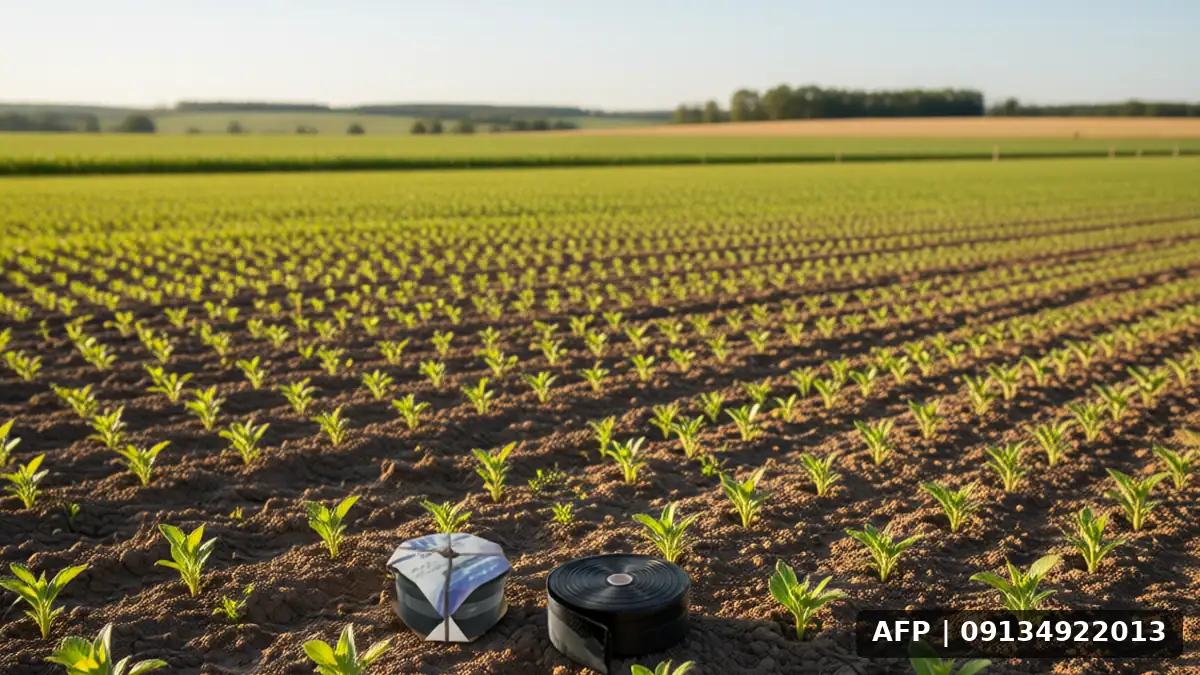
In drip and tape irrigation systems, selecting the appropriate pipe for main and lateral lines is of paramount importance. 75 mm Threaded Pipe Due to its medium diameter and ease of connection, it is widely used in many small to medium-sized farms in Iran. These pipes are generally made of polyethylene (PE) with various specific gravities and feature external threads, which enable quick connections with threaded fittings. Correct selection of this pipe directly affects not only the efficiency of the irrigation system but also its lifespan and maintenance costs. Below, we will comprehensively examine the technical specifications, applications, and key selection points for 75 mm threaded pipes. Additionally, a more detailed review of various irrigation systems, such as different types of drip tape irrigation, can provide a better understanding of this pipe’s role in the overall farm layout. Furthermore, for farmers cultivating legumes like peas, studying pea yield per hectare can help determine water requirements. For vegetable cultivation, such as Chinese cabbage, familiarity with Chinese cabbage irrigation using tape systems is necessary. Also, row spacing in sugar beet cultivation is of great importance, as discussed in Sugar beet row spacing standards It is presented. Ultimately, a precise understanding of drip tape types and their performance helps the farmer position the 75 mm pipe at the appropriate location in the system.
Technical specifications of 75 mm threaded pipe
Diameter and wall thickness
The 75 mm threaded pipe has a standard outer diameter, but the key factor in selection is wall thickness (Wall Thickness). Common wall thicknesses for these pipes are usually 3.2 mm, 4.0 mm, 5.0 mm, 6.2 mm, and even more. The greater the wall thickness, the higher the practical working pressure of the pipe and the increased resistance to pressure fluctuations in the irrigation system. For systems operating at 1 to 1.5 bar, a thickness of 3.2 to 4 mm may be sufficient, but for higher-pressure systems or in mountainous regions with significant elevation differences, using pipes with 5 or 6.2 mm thickness is recommended. Accurate calculation of these parameters requires considering the operational realities of the farm. If you are looking to optimize the efficiency of your vegetable farms, studying the tonnage of seed watermelon per hectare can provide a better understanding of the water volume required and, consequently, the diameter of main pipes for feeding drip systems in larger farms. However, for most farms ranging from 1 to 5 hectares, a 75 mm pipe is an ideal option.
Material and quality
Let us address a critical aspect of the technical specifications: material composition. High-quality pipes are manufactured from High-Density Polyethylene (HDPE). The inclusion of antioxidants and UV stabilizers in the pipe composition extends its service life against solar radiation and harsh climatic conditions. When purchasing, always check the label on the pipe roll, which indicates the material type, thickness, and nominal pressure (PN). Selecting reputable brands that source raw materials from standard suppliers prevents long-term chemical issues and instability. Many farmers believe that only pipe diameter matters; however, the quality of the base polymer is the primary determinant of resistance to creep and plastic deformation under sustained pressure.
Threaded nature of the pipe
For a 75 mm threaded pipe, the specific feature is the presence of external threads on both ends. These threads allow quick connection to threaded metal or plastic fittings without the need for drilling or clamping. This feature reduces installation time and is highly practical at points requiring connections to valves, filters, or lateral line outlets. Ensure that the thread dimensions comply with common market standards for fittings. In specific cases, such as installing disc filters or solenoid valves, threaded connections offer significant advantages by improving sealing performance and facilitating subsequent connections. Additionally, this type of connection is generally more mechanically stable and impact-resistant than barbed connections.
Application of 75 mm threaded pipe in trickle and drip systems
One of the most common applications of this pipe is as the main line (Main Line) In fields where the spacing between drip tape laterals is narrow, this design is commonly used. For example, when using drip tape for row crops such as squash or potatoes, a 75 mm pipe can provide sufficient flow to supply multiple rows. Due to its relatively modest diameter, this pipe experiences a higher pressure drop compared to 100 mm or 150 mm pipes; therefore, this factor must be considered when designing the length of main lines. In drip tape systems, laterals typically have smaller diameters, but the main line, due to the high volume of water it must convey, requires an appropriate diameter, such as 75 mm. A simple analogy is that a 75 mm pipe is like the main road of a small town: if traffic (water flow) exceeds capacity, a wider road (a larger pipe) is needed. Accurate calculation of pressure drop ensures system governance. To better understand these concepts, you can review sections related to water consumption rates per hectare, as the water requirement for certain products is lower than for other vegetables and sugar beets, and smaller pipes, such as 50 mm or 63 mm, may be acceptable for some local systems. However, for larger farms covering diverse crops like squash and potatoes, a 75 mm pipe is the more standard option. This flexibility is one reason for the popularity of this pipe size.
Practical notes on installation and maintenance
- Pressure drop calculation: Before purchasing, always calculate the required flow rate for the system. If the flow exceeds the transport capacity of a 75 mm pipe, a severe pressure drop will render the pipes at the field’s far end inoperable. In such cases, larger pipes are required. These calculations must be based on pipe length, terrain slope, and desired discharge rate. Simple formulas exist for initial estimates, but the use of software is recommended for commercial projects.
- Spiral coupling method: When tightening connections, use Teflon tape or Teflon tape to prevent leaks. Plastic threads are delicate and over-tightening can cause them to break. A dedicated band tool is ideal for this task.
- UV Radiation Protection: If 75 mm ribbed pipes are to be exposed to sunlight for extended periods (e.g., in main ground lines that sometimes emerge above the surface), always use pipes containing UV Stabilizer additives. Pipes without this additive will crack and lose mechanical strength after one summer season.
- Proper Unwinding and Spooling: When unwinding pipe from a roll, ensure the pipe does not twist. Twisting causes kinking and reduces the flow cross-section. This operation must be performed at a suitable speed without excessive tension to prevent the pipe from being stretched along the path.
- Depressurizing Before Disconnecting: Whenever you intend to disconnect threaded joints, first close the system’s main valve and release the pressure in the pipe. Disconnecting under pressure causes water to spray and can damage the threads or valves.
Frequently Asked Questions (FAQ)
Is 75 mm threaded pipe suitable for potable water?
These pipes are typically manufactured for agricultural irrigation systems using industrial-grade raw materials. Although some producers claim potable water grade, using this pipe for drinking water supply is not recommended without the relevant national standard certification for potable water. It is better to use HDPE pipes specifically designed for potable water that have passed complete health tests.
What is the difference between threaded pipe and standard PE pipe?
The main difference lies in the connection method. Standard PE pipes require hydraulic clamps or fusion joints, which may sometimes leak. Threaded pipes create mechanical adhesion through screw connections and do not require clamps. Of course, the price of threaded pipes is usually slightly higher than simple pipes, and in long branch lines, clamped connections may offer greater economic efficiency. However, for main lines with fewer connections, threaded pipes are more economical and safer in terms of total project cost (number of connections and installation time).
What pipe wall thickness is suitable for a pressure of 2 bar?
For a working pressure of 2 bar, a wall thickness of 5 mm or 6.2 mm is generally recommended. A thickness of 3.2 mm is insufficient for this pressure and carries a risk of rupture. Always check the manufacturer’s pressure-diameter chart, and if your system pressure exceeds 2 bar, consider an even thicker wall. A key point is to add a Safety Factor, for example 25 percent.
Can I use 75 mm pipe in 100 mm or 50 mm sizes in parallel?
It is generally not recommended unless precise hydraulic calculations are performed. Flow in two parallel pipes will be asymmetric due to differences in resistance. To simplify the system, it is better to use a specific, appropriate size. If pressure drops at the end of the pipe, instead of paralleling, it is better to add a pressure regulating valve or reduce the pipe length.
Conclusion and final recommendation
75 mm threaded pipe A balanced choice for the mainlines of drip and tape systems in medium-sized farms. For the final selection, you should consider three main factors: System pressure (which determines the wall thickness), Required flow (which determines the required diameter), and Environmental conditions (which determine the type of additives and UV protection). By studying the types of irrigation tapes and the performance of each, you can better understand which system is more suitable for the busy 75mm pipe. Ultimately, purchasing from reputable brands with warranties and having transparent technical specification sheets can keep your investment intact for years. Always remember that a quality pipe is half of quality irrigation. For large-scale farms, system design by a specialized irrigation engineer guarantees cost optimization and increased crop yield.
Related articles: Types of drip irrigation tapes, Chickpea yield per hectare, standards for squash row spacing per hectare