Comprehensive Guide to Maintaining 3-Inch (75 mm) Retractable AFP Tubes for Extended Service Life
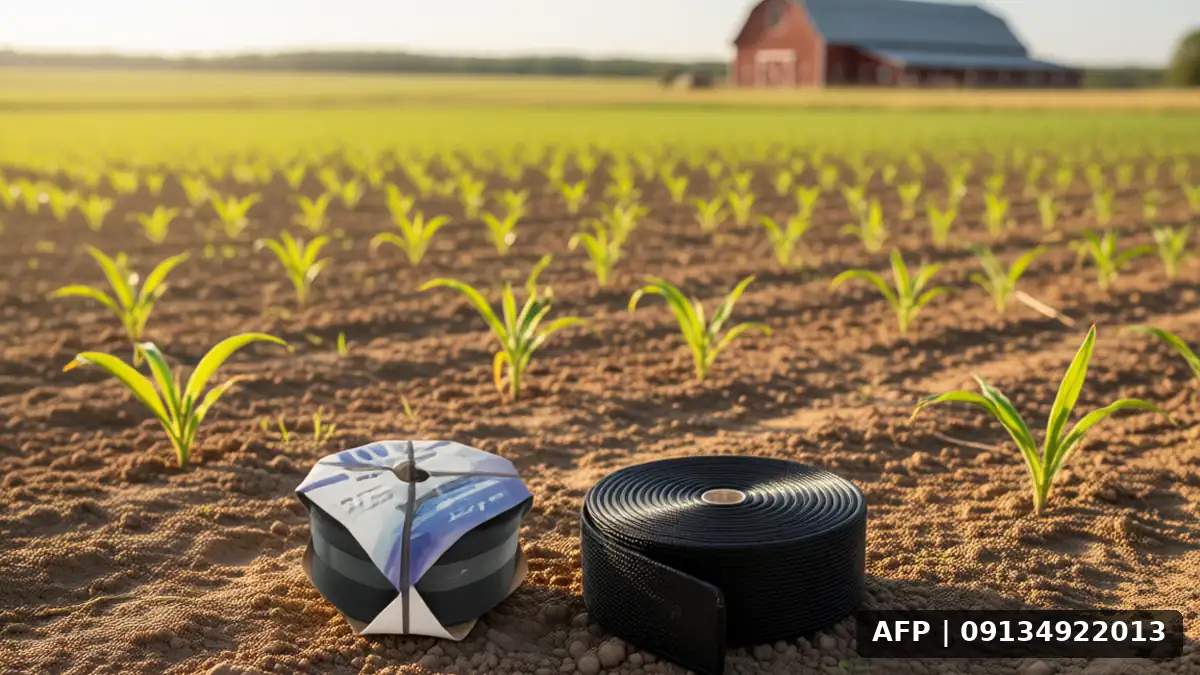
Introduction to the importance of proper maintenance for 3-inch corrugated pipes
In drip irrigation systems, corrugated pipes play a vital role in delivering water and nutrients to plant roots. The 3-inch (75 mm) model, capable of handling higher flow rates, is often used as a main or sub-main pipe in medium and large-scale farms. However, one of the key challenges for farmers is the reduced service life of these pipes. Unfortunately, many farm owners treat these pipes as cheap plastic hoses, carelessly leaving them in the corner of the field at the end of the season. This incorrect habit reduces the pipe’s service life from 3 to 5 years to just 1 to 2 years. In this article, based on technical principles and field experience, we discuss how you can reduce your financial burden and ensure the stable performance of your irrigation system through a regular maintenance program.
Main factors causing the deterioration and reduced service life of corrugated pipes
To maintain 3-inch corrugated pipes, you must first understand the main threats to this product. Factors such as ultraviolet (UV) radiation, extreme temperature fluctuations, mechanical stress caused by improper collection, and clogging of the thin internal strips by sediment and algae are key contributors to damage. 75 mm corrugated pipes usually have internal drip or tape lines; if these become clogged, pressure builds up behind them, causing micro-tears and eventually destroying the pipe. Furthermore, using salty soil water or water containing iron and magnesium sediment without proper treatment significantly increases the rate of corrosion and clogging of the tape’s holes.
Effects of UV radiation on plastic material
A key advantage of drip irrigation tape is its stabilized polyethylene material. However, no plastic is completely UV-resistant. If 3-inch flushable hose is left directly in sunlight, polymer chains break down, causing the hose to become hard, brittle, and prone to cracking. Therefore, avoiding prolonged sun exposure is the first step in extending its useful life.
Practical tips for seasonal harvest and storage
The most critical aspect of flushable hose maintenance is the harvesting method at the end of the planting season. Improper collection, such as twisting, sudden coiling, or leaving it exposed to rain, causes permanent structural weakness in the tape. To optimize the next installation, collection must be handled with equal care. The hose should be coiled slowly to avoid shear stress. The best method is to use a grip or industrial drill to wind the hose around a spool, creating a regular helix that is shielded from air exposure.
- Final flushing: Before harvesting, always flush the system with water at appropriate pressure to wash away sediment at the bottom of the tape.
- Avoid over-compression: When coiling the hose onto the spool, avoid applying excessive hand pressure to prevent the internal tapes from kinking.
- Storage in shade: Coiled pipes should be stored in a warehouse or under a sunshade covered with anti-UV fabric.
Bacterial flushing and clog prevention
One of the main causes of failure in 3-inch retractable hoses is the growth of microbial colonies and green algae inside the tube. These organisms form clear clumps (biofilm) that narrow the water path. To prevent this issue, it is essential to use edible acids such as citric acid or hot acidic water (at low concentration) at the end of the season. This process dissolves calcium deposits and bacteria. Additionally, using appropriate filters and preventing fine particles from entering the system helps keep the tubes healthy. If you are looking for ways to extend the operational life of your drip tube, bacterial flushing every 2 to 3 months during the season is a more effective preventive measure than repairs after failure.
The role of water quality in tube systems
Surface and well waters often contain algae, calcium scale, and suspended particles. Without proper treatment, these particles enter the 75 mm retractable hose capillaries and clog them. Using appropriate flushing systems or screen filters creates a protective layer for your tube.
Minor repairs and preventive solutions
Sometimes, tube hoses suffer from small tears or leaks. Instead of replacing the entire hose, repair kits specifically designed for thin and retractable hoses can be used. For 3-inch hoses, connecting tape and resistant epoxy adhesives are temporary options. However, if the inner tube is damaged, replacing the inner tube within the main hose is often more expensive than replacing the entire hose. In this case, it is better to cut the damaged section of the hose and connect it using a standard 75 mm coupling.
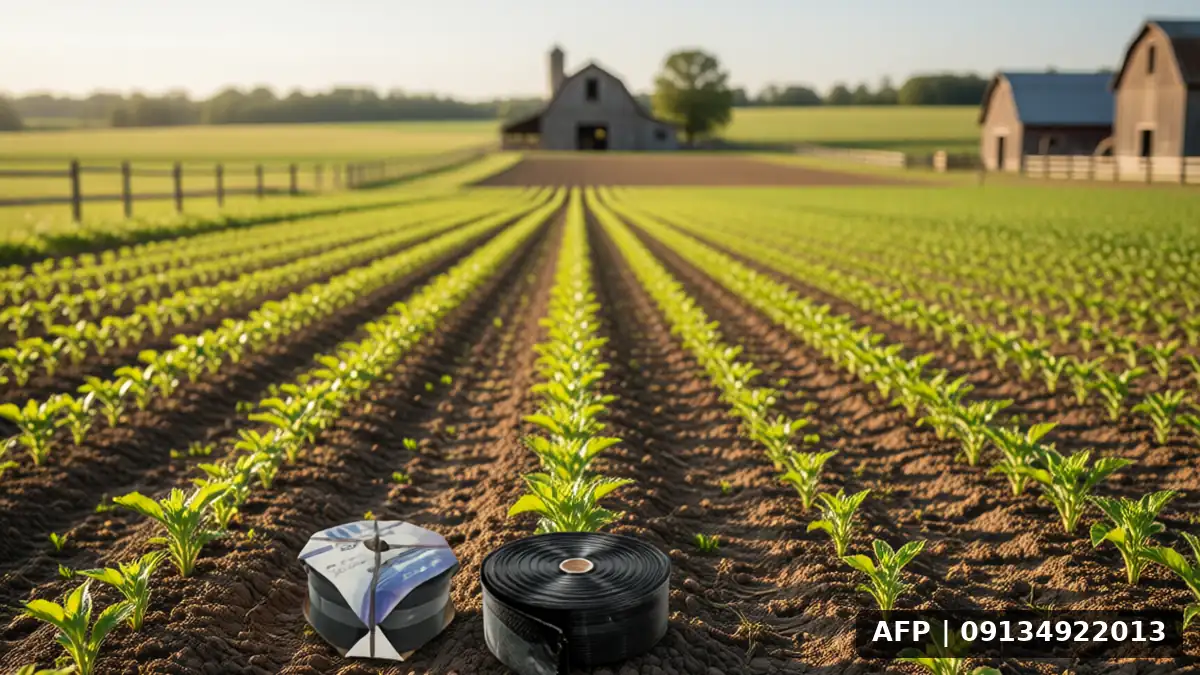
For farmers using subsurface irrigation systems, pressure management is critical. Pressures exceeding the allowable limit for 75mm pipes cause expansion and cracking. Always install a flow meter at the system’s intake to monitor and control the pump’s output pressure.
Frequently Asked Questions (FAQ) About Retractable Hose Maintenance
Can I store the retractable hose for the next season without washing it?
No, that is incorrect. Bacterial washing using citric acid or boiling water removes scale and algae, preventing emitter clogging in the next season. Without washing, the system’s efficiency may drop in the first season due to microbial blockages.
What is the best material for retractable hoses in hard water?
Hoses with drip emitters made of LLDPE are more resistant to iron sediment. Additionally, using an appropriate filtration system protects even the toughest hoses against hard water. The water quality and hose integrity directly impact final performance, particularly in specialized crops and sensitive applications.
What happens if the pipe freezes in winter?
Drip tapes are highly sensitive to freezing. If the pipe is filled with water and freezes, the expanded volume of water will burst the inner liner from the inside. Therefore, before severe cold sets in, ensure you drain the water from the pipe (Blowdown) or leave the system empty.
Conclusion and Final Recommendations
Maintaining a 3 inch 75 millimeter reel-type hose is a continuous process, not a one-time action. From installation to autumn collection, every decision affects the useful life of the hose. By adhering to principles of avoiding sun exposure, bacterial flushing, pressure management, and proper storage, you can reduce annual replacement costs to zero. This sustainable approach benefits not only your farm but also the broader agricultural economy. For more details regarding drip tape irrigation guide for squash and other crops, please refer to the main website. Investing in proper maintenance is not the most expensive part of your purchase; rather, it is the most cost-effective way to prevent resource waste.
Related articles: How to increase the operational life of drip irrigation tape, miqdori tuxmii salat dar yak hektar nasoyihi kisht u obyori, fava bean seed rate per hectar yield factors