Wheat Drip Taping Cost per Hectare: A Comprehensive Economic Efficiency Guide
Introduction: The Necessity of Cost Management in Wheat Cultivation Using Modern Methods
Wheat is one of the most important food grains and animal feed crops in Iran and many other countries worldwide. Due to water scarcity and rising prices of fuel and chemicals, farmers are seeking methods that reduce production costs while maintaining or increasing yield. Cost of Wheat Cultivation with Drip Irrigation per Hectare One of the most common questions among growers is the breakdown of costs, which requires a deep understanding of the combination of capital, current, and operational factors. Understanding this cost structure is vital not only for determining the full production cost but also for justifying the economic viability of initial investment.
Drip irrigation, due to its ability to distribute water and nutrients uniformly to the root zone, can significantly reduce resource waste and improve plant health. However, are these benefits economically justifiable? Below, we transparently examine the cost structure so you can make an informed decision for your cultivation. We also examine how the correct selection of equipment can directly affect maintenance costs in future years.
Structure of Fixed Costs in Wheat Cultivation with Drip Irrigation
Initial Equipment and Installation Costs
A significant portion of the initial costs in a drip tape system involves purchasing the tape, filters, valves, pumps, and installation. While the price per meter of drip tape varies depending on thickness, flow rate, and quality, an accurate estimate requires current market analysis. For one hectare, a specific length of tape is required, which directly impacts the initial cost. In addition to the tape itself, the cost of irrigation pumps and filtration systems falls into this category. Using high-quality filters prevents clogging of the tape emitters and reduces the need for potential repairs. To understand the key factors determining drip tape quality, you can refer to Considerations before purchasing irrigation drip tape you can refer to these points. These tips help you avoid costly or low-quality purchases and ensure a proper investment from the start. Additionally, selecting tape with high resistance to UV radiation and environmental conditions extends the system’s lifespan.
Cost of seeds and pesticides
In wheat cultivation using drip tape, the type and quantity of seeds are approximately similar to conventional planting, unless improved, more resistant seed varieties are used. Pesticide costs also vary based on area and the type of problem. A key point is that drip tape systems allow for fertigation (injecting chemicals under pressure), which can reduce transportation costs for chemical materials. Additionally, reduced water and pesticide usage directly contributes to lowering variable costs. Proper management of seeds and pesticides, considering yield rates and climatic conditions, is key to cost reduction. You can study the article Factors increasing crop yield per hectare to examine similar resource management principles for other crops and gain a broader perspective on detailed costs.
Variable and operating costs: water, energy, and labor
Water and energy savings
One of the most attractive aspects of drip-irrigated wheat cultivation is the reduction in water consumption compared to surface irrigation. Although precise calculation Drip tape cost per hectare requires local data, but in general, a 30 to 50% reduction in water consumption leads to lower electricity bills or pump fuel costs. This saving can significantly reduce operating costs in the long term and increase return on investment. The reduction in water loss due to the absence of evaporation and deep percolation is a technical advantage of drip tape that directly impacts the farmer’s financial balance. Additionally, using renewable energy for irrigation pumps can reduce energy costs over the years.
Labor and crop care
Drip tape application requires closer monitoring to prevent emitter clogging. This may increase the labor required for maintenance in the first year, but this cost naturally decreases in subsequent years as experience is gained. Furthermore, plowing the land for the next crop must be done cautiously to avoid damaging the underground tape, unless the tape is removable. Proper scheduling for periodic crop care can prevent product waste and reduce lost costs. Monitoring system pressure and tape health is part of the hidden costs that should be included in the budget.
Productivity analysis and long-term effects on performance
Does cost-saving always mean reduced yield? No, sometimes the opposite is true. Targeted root nutrition leads to more uniform plant growth and reduces environmental stress. In some regions, reports indicate that reduced water stress can decrease tillering but increase grain weight, which collectively stabilizes yield. This stability doubles its economic importance. Improved yield stability against climate variability reduces the farmer’s financial risk and allows for more accurate yield forecasting. Additionally, reduced weed competition with the main crop lowers mechanical control costs.
Impact on Crop Quality
Wheat quality is also affected by the irrigation method. Precise irrigation control can prevent early grain abortion or over-irrigation. To better understand how to manage other crops in similar systems, you can refer to the caraway seed rate per hectare + planting and maintenance tips, as resource management principles overlap significantly with drip tape in many crops. Understanding growth mechanisms and the water requirements of different products helps the farmer create an integrated roadmap for irrigation and nutrition. This comprehensive approach optimizes the entire irrigation budget.
Practical Challenges and Key Implementation Tips
- Selecting tape thickness: For wheat, which has a deeper root system, it is essential to use tapes of appropriate thickness and emitters that are resistant to solution deposition.
- Maintenance and cleaning: The cost of filter cleaning and line flushing must be included in the budget. Maintenance costs are a small but critical component of total expenses.
- Integration with fertigation: Using a drip tape system without a fertigation plan eliminates its economic potential. Calculating fertilizer costs based on crop needs in each growth phase is the key to success.
Frequently Asked Questions (FAQ)
Is drip tape usage economically justified for wheat in Iran?
The answer to this question depends on several factors, including water price, electricity cost, local agricultural practices, and climate type. However, in areas where water is expensive or access is limited, drip systems generally offer better economic returns. It is recommended to review the following before investing, Methods for extending the service life of irrigation tape to ensure greater system durability. Longer equipment life directly reduces replacement costs in future years.
How long does it take to recover the initial costs of drip tape?
Recovery of initial costs (payback period) is typically estimated at 3 to 5 years, provided that water and energy savings and yield increases are correctly calculated. In some dry climates, this period may be even shorter due to the high value of water and significant reduction in pumping costs. Accurate calculation of variable costs for each season provides a better understanding of the break-even point.
Does wheat irrigated with drip tape require specific soil preparation?
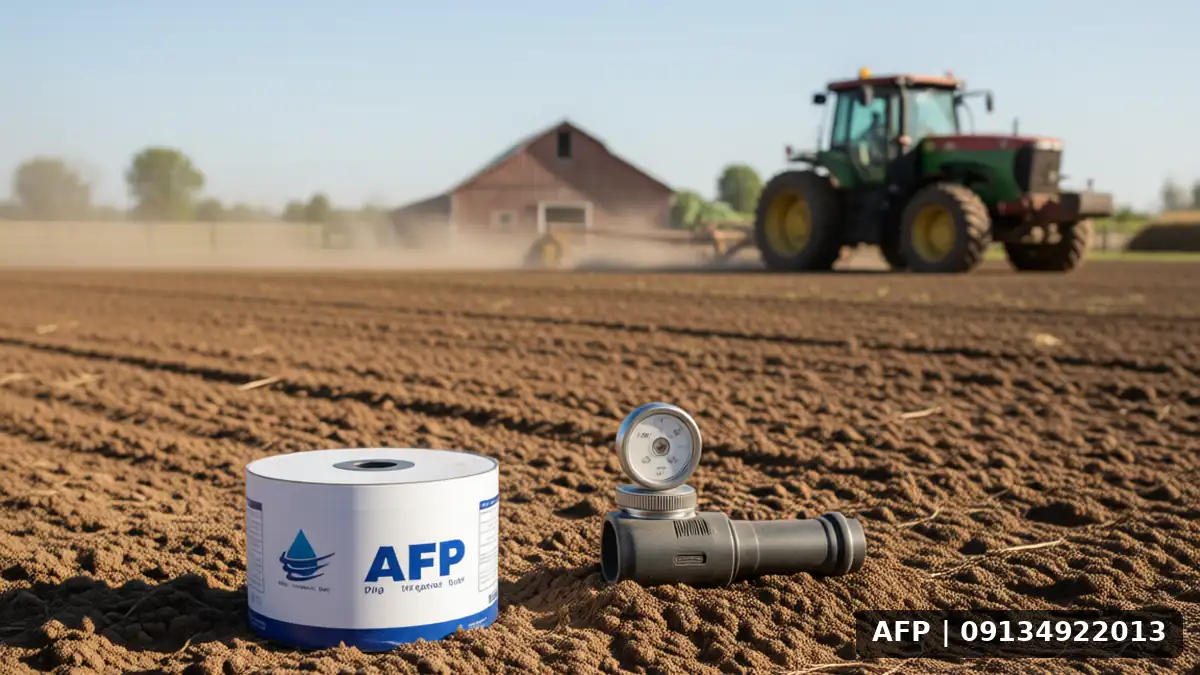
Yes, the seedbed must be uniform and free of stones to ensure tapes are installed correctly and embedded in the soil consistently. Proper plowing and leveling is a prerequisite to preventing additional costs. Correct land preparation reduces labor costs and minimizes the risk of tape damage. Additionally, using precision machinery during planting eliminates interference with the tape.
Conclusion: The Future of Wheat Cultivation with an Economic Approach
Calculation Wheat cultivation cost with drip tape per hectare It is not merely a mathematical formula, but a dynamic process involving risk management, resource optimization, and attention to product quality. Although initial costs may appear higher than those of conventional methods at first glance, the significant reduction in water and energy consumption, and the resulting increase in environmental sustainability, make this approach a wise choice for forward-thinking cultivators.
To establish a solid foundation for every crop, understanding the fundamental principles of irrigation is essential. You can also gain broader regional perspectives by studying articles related to drip irrigation in different areas. Finally, it is recommended that a precise and up-to-date financial forecast be prepared for each new project, and that you consult with a local expert to adjust costs based on your local realities. The future of agriculture lies in the smart use of irrigation technologies, and wheat, as the most affordable means of combating hunger, deserves the use of the best maintenance methods. By adhering to economic and technical principles, it is possible to achieve the goal of maximizing the efficiency of limited resources.