Vegetable Yield per Hectare Using Drip Tapes: A Guide to Boosting Productivity
Introduction: The Importance of Drip Line Irrigation in Vegetable Cropping
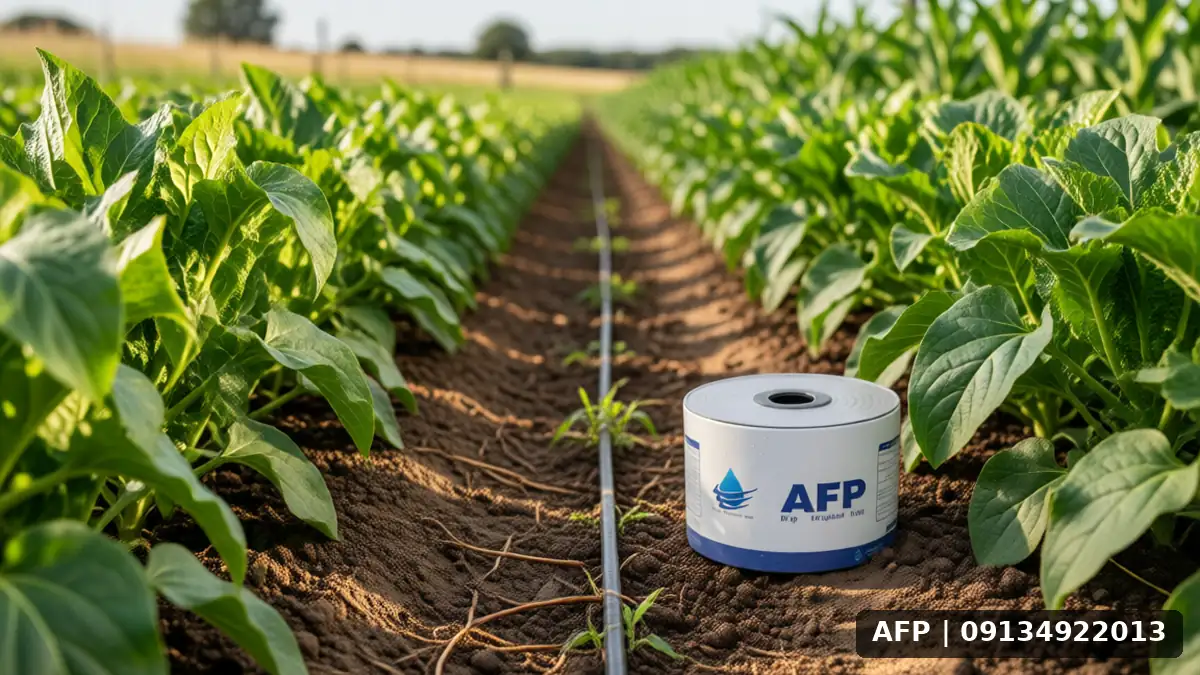
In modern agriculture, optimal water resource management is a primary challenge for achieving high yields. Due to their rapid growth and moisture sensitivity, vegetables have become some of the most dynamic garden crops. Many farmers are concerned about how to prevent excessive water consumption while maintaining product quality. Drip Line Irrigation precisely addresses this need. By delivering water directly to the plant’s root zone, this method minimizes waste while keeping the soil at an appropriate moisture level. This article covers the technical and practical details for increasing vegetable yield per hectare using drip line systems so that farmers can upgrade their farm performance with up-to-date knowledge. [[ [IMAGE_1] ]]
Principles of Drip Line Technology and Its Impact on Vegetable Root Systems
Why is Drip Line Ideal for Vegetables?
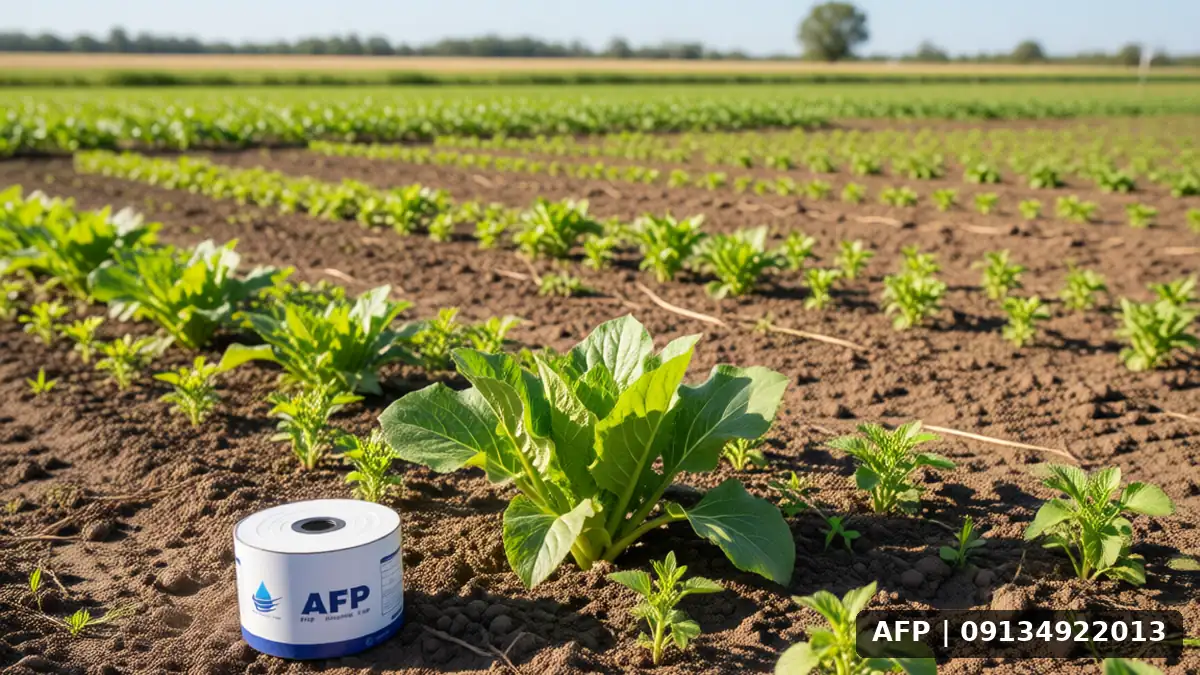
Vegetables such as cabbage, broccoli, celery, and lettuce have delicate root systems that are sensitive to drought stress. Rain or flood irrigation can lead to fungal diseases and flower drop. Drip line systems, by delivering water in controlled, intermittent intervals, create a moist zone precisely within the root zone. This encourages the plant to direct more energy toward increased root growth and better nutrient uptake from the soil. When roots are in a suitable environment, ground coverage rate increases, ultimately leading to an increase in final product weight and quality.
Direct impact on Vegetable yield per hectare with drip line
Research shows that using drip irrigation can increase vegetable yield by 20 to 35 percent compared to conventional methods. This increase is due not only to water cost savings but also to reduced physiological stress in the plant. By maintaining soil water homeostasis, the plant’s surface area remains stable, and the loss of outer vegetable layers decreases. Consequently, the percentage of marketable produce increases at harvest.
Key factors affecting farm yield increase
To maximize the return on your investment in an irrigation system, you must consider several factors. Simply installing a drip line is not enough; field management, planting distance, and vegetable type all affect Vegetable yield per hectare with drip line the result.
- Irrigation interval: Adjusting the schedule to the local climate and soil type is critical. Sandy soils require frequent, short-duration cycles.
- Tape line burial depth: Where possible, bury the lines 5 to 10 centimeters below the soil surface to reduce evaporation.
- Fertigation: Tape line systems are the ideal medium for delivering plant nutrients with water. This method promotes faster nutrient absorption, resulting in quicker growth and higher yields for vegetables.
To better understand the impact of modern irrigation systems on fast-growing crops, you can refer to the article on wheat tape line spacing and modern irrigation methods, which describes similar principles for uniform water distribution.
[[ [IMAGE_2] ]]
Practical guide for farmers and orchardists
Practical implementation of a tape line system requires attention to detail. This section provides a checklist of essential actions for optimization Vegetable yield per hectare using drip line is presented.
- Design appropriate filtration: Drip lines are highly sensitive to sediment and clogging due to their small emitter orifices. Always use disc or mesh filters with the appropriate mesh size to prevent blockages.
- Control input pressure: Excessive pressure can cause pipeline burst, while low pressure prevents uniform distribution. Adjust pressure drops using manifolds.
- Drip line orifice spacing: For vegetables, a spacing of 20 to 30 cm between orifices is ideal. This spacing ensures uniform moisture distribution throughout the root zone.
Attention to soil type and land slope is also essential. On steep slopes, slope division zones should be considered to reduce the impact of gravity on flow. Proper ridge management is another key point; forming ridges helps prevent weed growth and reduces open soil pores, which benefits drip tape systems.
Comparison with other crops and supplementary notes
Most farmers have multi-crop farms. Understanding the differences in irrigation between vegetables and other crops helps them adjust the system according to the needs of each farm section. For example, vegetables require continuous irrigation, while crops like tomatoes have different stress tolerance periods. Although our focus is on vegetables, familiarity with the irrigation principles of high-temperature crops such as tomatoes can expand your perspective on moisture management. You can read the Increasing tomato yield per hectare: A comprehensive guide to observe the similarities and differences in irrigation management between these two high-temperature crops.
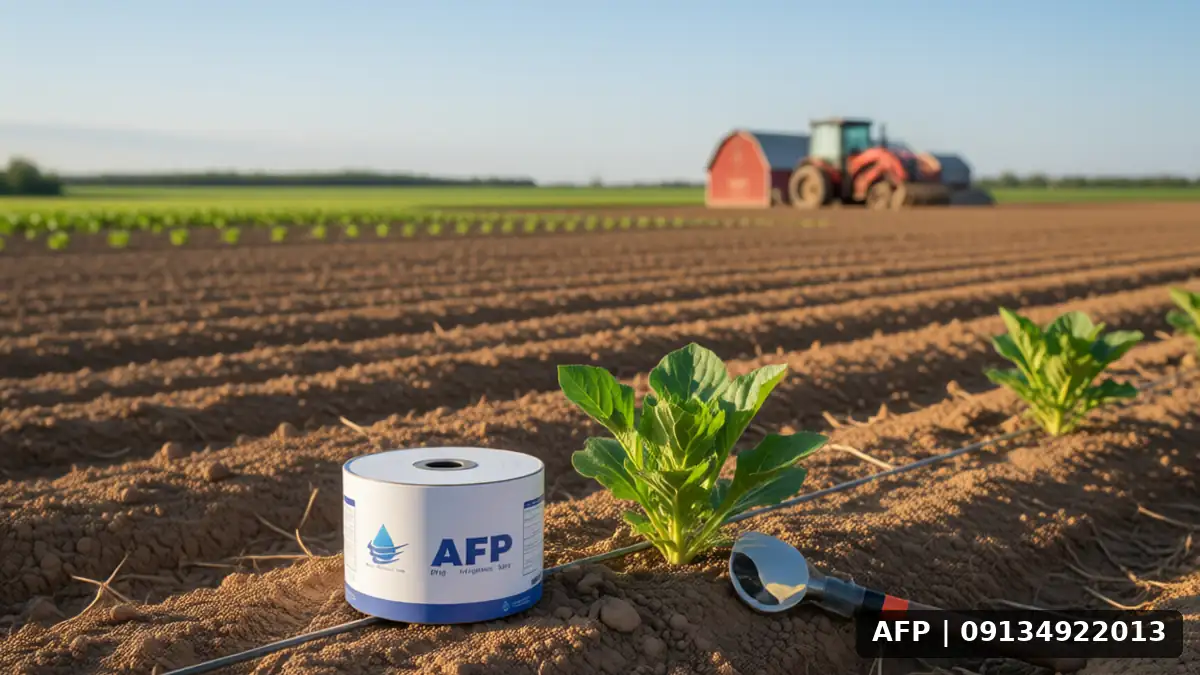
Ultimately, collecting farm performance data (weighing, stem diameter measurement, root inspection) helps you optimize the irrigation algorithm. The more precise data you have on soil moisture, the smarter your water usage becomes.
[[ [IMAGE_3] ]]
Answering Frequently Asked Questions (FAQ)
Question 1: Is drip tape suitable for all types of vegetables?
Yes, drip tape is suitable for most root and shallow-rooted vegetables. Even for low-yield crops such as dill or sea buckthorn, adjusting the emitter spacing will yield favorable results.
Question 2: How can I prevent clogging of the tapes?
The best solution is using appropriate filters and preventing mineral fertilizer from entering the pipes without being fully dissolved. Regular flushing of the system is also recommended.
Question 3: Is the cost of drip tape recoverable?
Given the significant increase in vegetable yield per hectare with drip tape and the reduction in maintenance costs for fields and labor for irrigation, the investment usually reaches a return on investment in two growing seasons.
Question 4: What is the impact on crop quality?
Vegetable quality improves due to stable moisture conditions. Vegetables irrigated with drip systems are generally fresher, larger, and have a higher dry weight.
Conclusion
Selecting the appropriate irrigation system is the first step towards successful vegetable cultivation. Drip irrigation is a powerful tool for increasing efficiency and reducing costs. By focusing on technical principles such as filtration, pressure regulation, and clogging management, you can maximize the output of every square meter of your field. We recommend verifying your local conditions against reliable sources before implementation. To learn about other high-value products that benefit from drip irrigation, you can read Yield per hectare of cauliflower this article. Finally, remember that success in modern agriculture lies in the precise segmentation, accuracy, and consistent management of resources. With proper execution Vegetable yield per hectare with drip irrigation, take an effective step towards preserving the environment and increasing economic productivity.
Related articles: migdori tumi gandomi chorsu, rosemary yield per hectare iraq