Tipe Tape Drip Irrigation in Squash Cultivation: Challenges and Practical Solutions
Introduction to the Importance of Precise Irrigation in Squash Fields
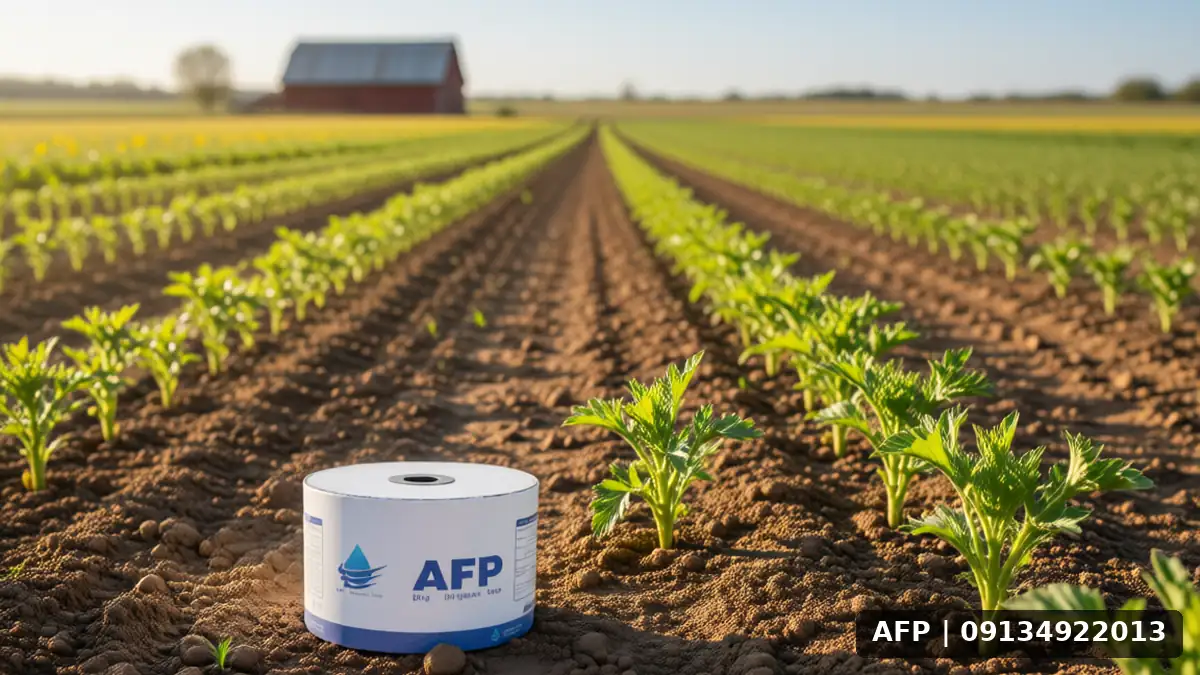
Squash, particularly high-yielding commercial varieties, requires regular and uniform irrigation. This crop is highly sensitive to soil moisture fluctuations during various growth stages, and both water deficit or even localized waterlogging can lead to a significant reduction in fruit weight and altered taste. Drip irrigation using tape lines is a popular choice among farmers for this crop due to its reasonable cost, wide coverage, and the ability to deliver water and nutrients precisely. However, this technology is not without challenges. Differences in farm conditions, water quality, and soil type can all affect the efficiency of tape lines . The following section examines the key challenges of this irrigation method in squash cultivation and provides practical solutions to maximize system efficiency and minimize plant water stress.
Technical and Installation Challenges of Tape Lines in Squash
Sensitivity to Climate Conditions and Mechanization
Tape lines are made of thin PVC or LLDPE and, if not handled with care during installation of tape irrigation linesThey may quickly tear or sustain damage. Squash planting is typically done with heavy machinery, whose tracks can rest directly on the drip lines, causing displacement or rupture. The main challenge is the lack of coordination between the horticultural worker and the machine operator. It is recommended that during the planting phase, the drip line be temporarily cut and reconnected after the machinery has passed, although this is time-consuming. Additionally, prolonged exposure of the line to direct sunlight can cause the polymer material to fade and become brittle. To mitigate this risk, using drip lines with UV stabilizers and burying the lines in the soil or under mulch during idle periods is important. In sloped farms, managing pressure variations due to elevation differences is also a technical challenge that requires installing pressure regulators at the end of lower sections of the farm to prevent emitter damage and unauthorized flow rate increases.
Improper pressure distribution in lines
If the length of the submain lines exceeds the permissible limit, pressure drop occurs at the end of the line, causing the terminal emitters to operate under low pressure. In squash farms, which typically have long lines, this leads to inaccurate irrigation and uneven plant growth at the end of the lines. Proper irrigation network design must be based on the maximum elevation difference and the lengths of the main and submain lines. Precise hydraulic calculations are essential to ensure that the pressure drop along the line is less than 10% of the nominal flow rate. Otherwise, the farmer must use lines with a larger diameter or divide the field into several independent irrigation units to guarantee uniform water distribution. Neglecting these technical details can significantly affect the final fruit yield, causing some parts of the field to become dry while others suffer from fruit drop due to rot.
Chemical challenges and water quality
Emitter Clogging
One of the biggest enemies of drip irrigation is the clogging of emitter holes. Water sources in Iran often have high hardness, with calcium and magnesium sediment or silt. If the filtration system is not adequate, sediments will deposit inside the drip tape, significantly reducing its lifespan. In squash farms, which have long harvest cycles, even partial emitter clogging can cause temporary water stress due to uneven irrigation. In addition to physical clogging, chemical clogging from salt deposition and biological clogging from algae and bacterial growth inside the tape are also common. Using chlorine or bleach to disinfect the system before the start of the growing season and during peak production can help control algae growth. Regular flushing of the system with reverse flow and completely draining the lines after each irrigation are key to preventing these problems.
Rot and root diseases
Drip irrigation causes the root zone (moisture zone) to be constantly wet. If soil drainage is poor, this zone can become a suitable environment for root fungal diseases such as Phytophthora and Ganoderma. Pumpkins are particularly sensitive to healthy roots, and root infections can cause plant death or a significant decrease in fruit weight. Moisture control and using appropriate drainage mulches are key challenges. Repeatedly planting pumpkins in the same plot without proper crop rotation leads to the accumulation of disease-causing pathogens in the soil. If micro-tube drip (nipple tape) is applied without proper drainage management, it can leave roots in stagnant, anaerobic conditions. Therefore, field design should include appropriate spacing between rows and slope towards drainage channels to ensure excess water is quickly removed from the root zone.
Ecological challenges and field management
Increased relative management costs
While nipple tape is cheaper compared to conventional drip tubing, its management requires more attention. Daily inspection of tubes for leaks, checking pressure at the beginning and end of lines, and flushing lines after each irrigation are operations that many farmers overlook. Failure to flush the tubes causes water to stagnate inside, promoting the growth of bacteria and green algae that can clog the emitters. Additionally, maintaining filters and pumps requires technical knowledge. Pump or filter failure can quickly damage the entire system. Training the workforce to detect small leaks and quickly replace faulty parts is essential for managing this type of irrigation. The operational costs (O&M;) of nipple tape irrigation are significant and must be considered in the economic feasibility of growing pumpkins. However, water savings and increased net yield offset these costs.
Interference with chemical fertilization operations
To increase tonnage of oval watermelon per hectare and to also increase pumpkin yield, fertigation is used. The main challenge in this case is the precipitation of complexed fertilizers and the incomplete solubility of some chemical compounds in narrow drip lines. This issue requires filtration and high-pressure pumping, and if neglected, it significantly increases production costs. Furthermore, using solid fertilizers that are applied without being dissolved poses a very high risk of clogging emitters. Careful planning of fertilization according to plant needs at each growth stage, avoiding the mixing of incompatible fertilizers, and using appropriate dosing tanks are vital principles of fertilization management in drip systems. Cleaning the fertilizer tank after each cycle is essential to prevent scale buildup in equipment.
Practical solutions and key points in addressing challenges
1. Optimizing the filtration system
- Use a disc filter with 100-200 micron holes as the main filter for most water sources.
- Inspect the filter mesh weekly and wash it with pressurized water to remove accumulated sediments.
- If calcium deposition or high water hardness is present, use a sand filter as a pre-filter in the correct sequence.
- Regularly inspect and wash filter screens to prevent flow rate and pressure reduction.
2. Adherence to installation and startup principles
- Before connecting the drip line to the valves, test the system at medium pressure for 30 minutes to purge trapped air.
- Lay the drip lines from the inlet side towards the outlet side to minimize pressure drop.
- Do not create loops with the drip line at bending points, as this creates flow obstructions.
- Use standard connectors and clamps to prevent clogging and leaks at connection points.
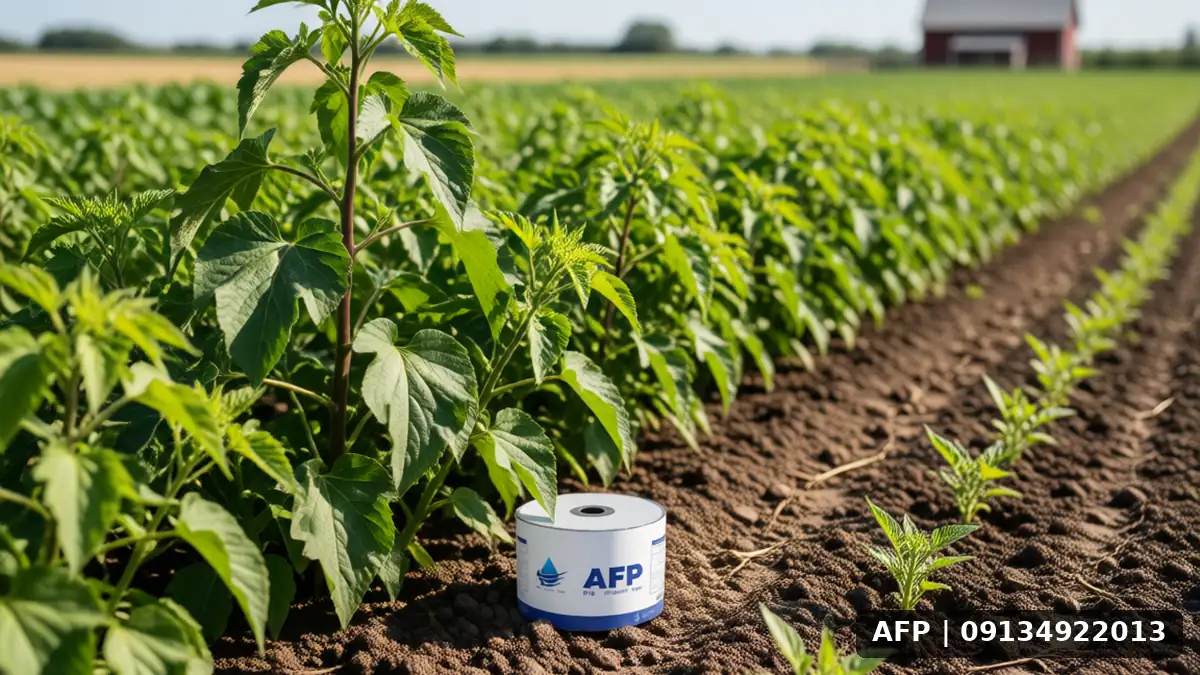
For more details on Drip tape installation steps You can use the technical guide. This documentation describes the fine details of screwing and packaging the tapes; ignoring them can severely reduce the system’s service life.
3. Moisture and drainage management
- Avoid planting in low-lying areas and waterlogged fields, or design a strong drainage system for them.
- Developing lateral channels to discharge excess irrigation water in areas with fine-grained and heavy soils.
- Use of preventive fungicide solutions if symptoms of leaf yellowing and fruit drop are observed.
- Monitoring soil moisture with manual or automatic moisture sensors to adjust irrigation timing.
Frequently Asked Questions (FAQs) on Drip Tape Irrigation for Cucumbers
Is drip tape suitable for paddy-style or flooded cucumber farms?
No, drip tapes are not designed for flooded or paddy-style farming. Prolonged exposure to direct sunlight or submersion causes chemical oxidation and rapid brittleness. For dry and semi-dry conditions, drip tape is the primary option for cucumbers. Cucumbers are sensitive to severe flooding, and precise drip irrigation is the most accurate method for meeting their early-stage needs. If the farm has severe drainage issues, growing cucumbers with drip tape is not recommended unless drainage has been corrected.
How often should the tapes be replaced?
The useful life of drip tape is generally between 3 to 5 years, depending on tape quality and maintenance conditions. Low-cost tapes may develop issues as early as the second year. It is recommended to inspect the internal condition of the tape annually or bi-annually by opening one end. If sediment accumulation is heavy, the tape’s lifespan decreases and early replacement becomes necessary. Proper maintenance of the filtration system can extend the tape’s life to over 5 years.
Can the tape be used for two consecutive years?
Yes, it is technically possible, but dropper precision usually declines and more sediment is observed in the second year. For high-value crops like cucumbers, annual or biennial replacement is recommended to maintain maximum water efficiency. The cost of tape replacement is justified by increased yields and reduced risk of root diseases due to improved water delivery quality.
Which type of filter is most suitable for well water in squash farms?
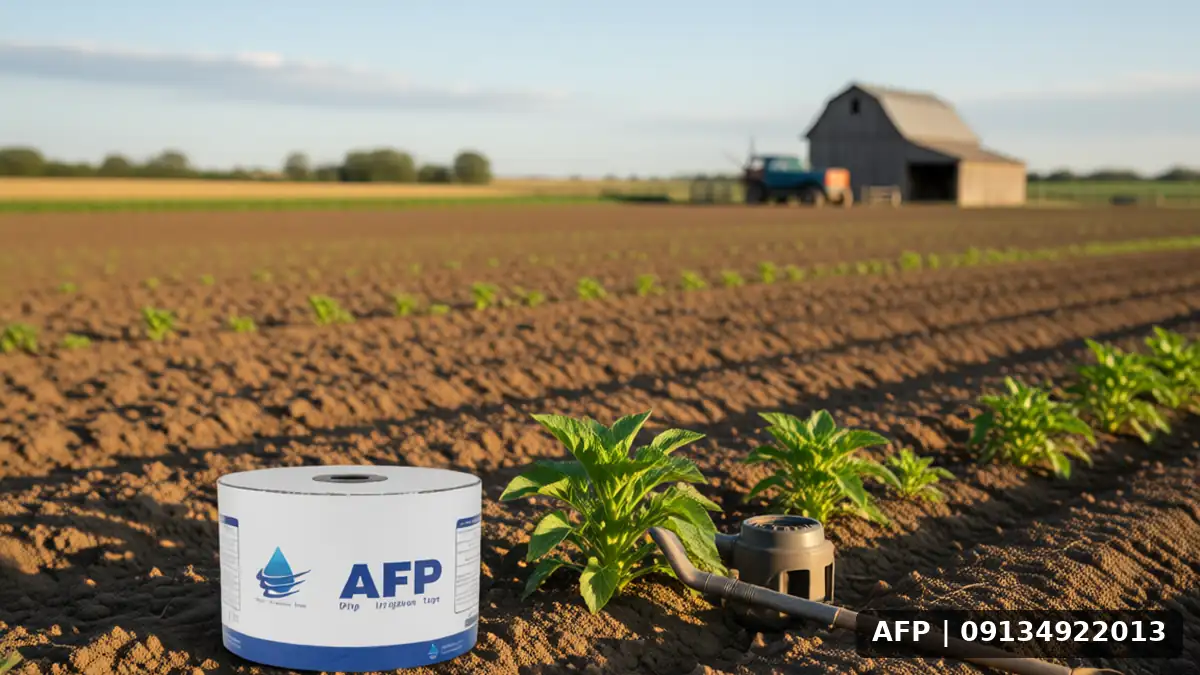
Water analysis is essential. If sediment is present, use a sand filter; if TDS is high, use a disc filter + filter valve. In most Iranian farms, a 100-micron screen disc filter is the default option. Combining a sand filter and a disc filter yields the best results for the hardest water conditions. Always use two filters in parallel so that the system does not stop when one requires backwashing.
Conclusion
Drip irrigation with tape has significant potential to increase bitter melon yield per hectare and other orchard products, but it involves specific complexities. The main challenge is the synergy between installation precision, water quality, and soil moisture management. By adhering to filtration principles, regular drainage, and attention to field slope, costs associated with diseases and irrigation deficits can be reduced. It is recommended that before investing, you include filter maintenance costs and annual tape replacement in your economic calculations. For a better understanding of water efficiency in other agricultural crops, you can refer to the article bitter melon yield per hectare as well.
Related topics: white bean seed amount per hectare iraq, Spinach yield per hectare: Influencing factors and methods for improvement