Tubular Strip Drip Irrigation for Broad Bean Cultivation: Key Technical Considerations
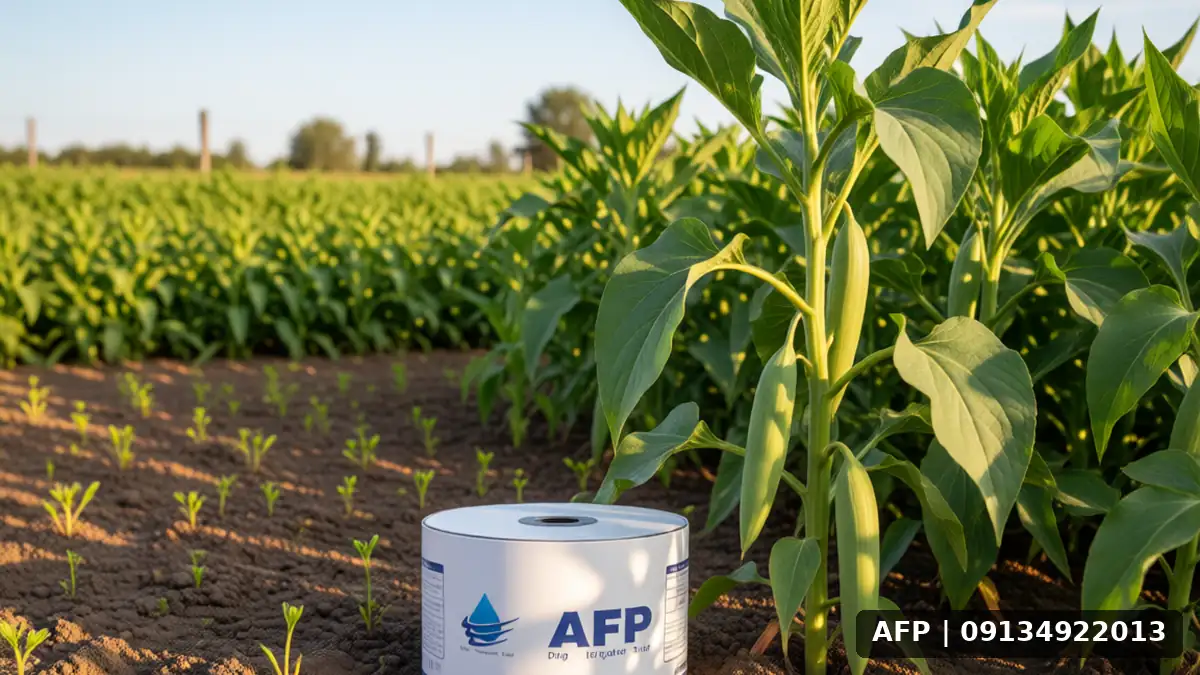
Introduction: The Importance of Optimal Irrigation in Broad Bean Cultivation
Broad bean is a valuable industrial crop cultivated for seed and fodder production. A primary challenge in growing this crop is the proper management of water resources. The use of traditional irrigation methods, such as flood or furrow irrigation, can lead to water wastage, fungal diseases, and reduced crop quality. In contrast, drip irrigation using a tape system is a modern and efficient solution that enables the precise delivery of water and nutrients to the plant roots. This method is particularly suitable for broad bean, which requires uniform soil moisture. This section explains the advantages of this method and the reasons for its high demand in Iranian agriculture. Our aim is to provide practical guidance so that farmers can achieve desired yields at the lowest cost and highest efficiency.
Understanding the Tape System and Its Operating Principles
A tape system is a type of drip irrigation hose featuring small holes for water discharge at specified, regular intervals (for example, every 20 or 30 centimeters). Unlike point drip emitters, which concentrate water at a single point, a tape system creates a parallel moisture band that aligns with the planting rows of row crops or seedbeds. For broad bean, which is typically planted in rows, placing the tape directly below or adjacent to the seed row ensures moisture is retained in the precise zone required by the roots. This system requires lower water pressure and allows for the use of lightweight tapes that are easy to install and move. If you seek a better understanding of how to connect the tape system to the main network, studying agricultural tape system connections can complement your technical perspective.
Technical specifications of drip tape suitable for fava beans
- Emitter spacing: Usually, 20 to 30 centimeters is ideal for fava beans.
- Tape width: Between 1 and 2 millimeters to prevent clogging of the holes.
- Material: High-quality polyethylene resistant to light degradation.
- Service life: Usually single-use or multi-season, depending on climatic conditions.
Key points in fava bean drip tape irrigation planning
To succeed in fava bean irrigation, several key points must be considered. Fava beans are sensitive to water stress during two critical stages: initial vegetative growth and seed filling. Using drip tape during these periods can make a significant difference in yield. Based on technical studies, the flow rate for each tape must be adjusted so that soil moisture is maintained uniformly at a depth of 30 to 40 cm (where the main roots are located). Additionally, irrigation timing is critical. Nightly or early morning irrigation is recommended to reduce evaporation. In hot climates, the frequency of irrigation should be increased while the amount per application is reduced to ensure roots have continuous access to moisture. This improves nutrient uptake and, consequently, seed quality.
Pressure and flow rate management
One common mistake is using excessive pressure. Drip tapes are designed for low pressures. If the water pressure exceeds the allowed limit, the tape will be damaged and the water flow will not be uniform. Conversely, very low pressure can cause irregular droplets or water splash outside the irrigation band. Using a pressure regulator at the beginning of the main line is a good solution for stabilizing pressure. The outlet flow rate should be determined by measuring the irrigation of one full tape circuit and calculating the discharged water volume. This operation should be performed periodically to monitor for clogged holes.
Practical tips for system installation and maintenance
Correct installation of the drip tape is as important as irrigation settings. The first step is precise alignment of the tape with the seed row. The tape must lie flat on the soil without wrinkles. If root obstacles or small stones are present, the soil must be plowed and loosened before installation. Use standard connectors to attach the tape to drip emitters or main hoses to prevent leaks. For maintenance, cleaning filters every two weeks is essential, as fava bean plants can cause organic material deposits in the soil. If you use sub-surface fertigation, always use a strong pump and suitable filters. Regarding how to choose the appropriate hose for a drip system, you can read the article Method for selecting successful point target drip fertilizer application to study. Additionally, not using chemical codes with unbalanced pH in the irrigation system prevents chemical clogging. At the end of the growing season, completely flushing the system with clean water until the last drop increases the useful life of the tape for the next season (if possible) or prepares it for recycling.
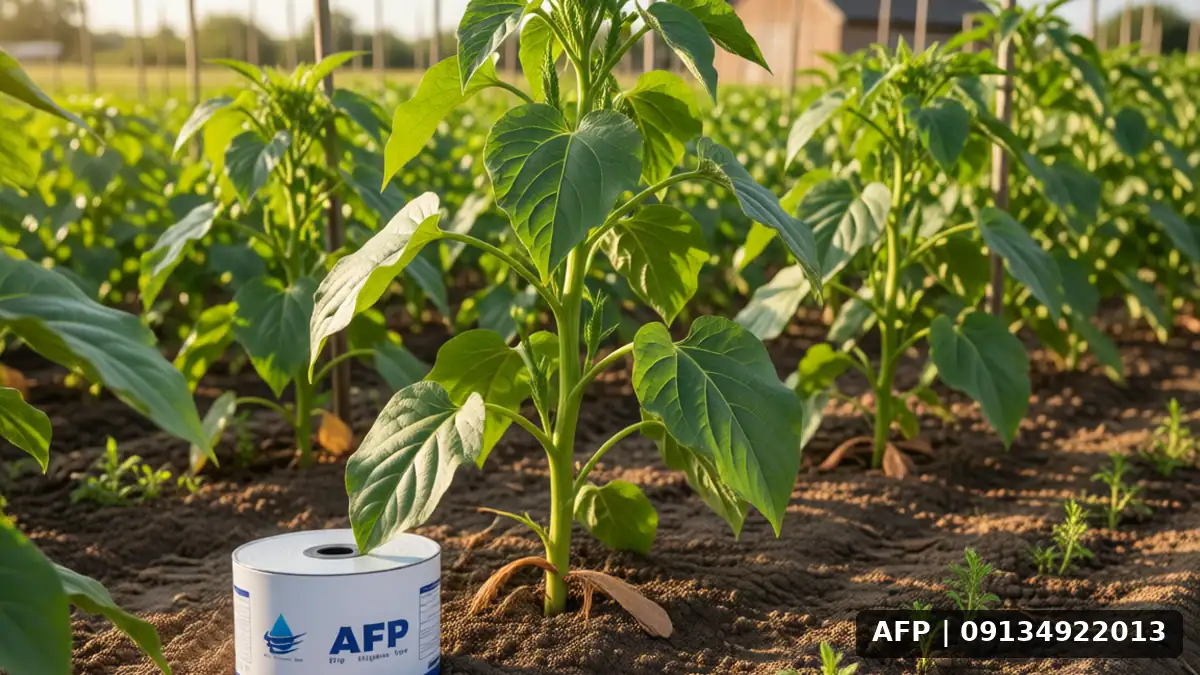
Sub-surface fertigation with drip tape
- Wash and prepare the hose manifold.
- Mix the liquid fertilizer at the recommended concentration for fava beans (usually balanced NPK).
- Inject the code during the first 20 minutes of irrigation.
- After fertilization is complete, flush the system with clean water for 10 minutes to prevent clogging.
This method increases fertilizer efficiency and reduces consumption. To better understand the relationship between crop, yield, and productivity, you can refer to the Drip Fertigation IQ Guide for yield per hectare of furrow irrigation which demonstrates how optimizing irrigation and fertilization can increase productivity.
Conclusion and Frequently Asked Questions (FAQ)
Furrow irrigation of fava beans is a strategic investment that reduces long-term water and labor costs. Success relies on precise installation, correct pressure adjustment, and regular maintenance of filters. By following the guidelines above, you can maximize water resource efficiency. Below are answers to common questions about this method.
Frequently Asked Questions
Is drip tape suitable for grain and green fava beans?
Yes, but the emitter spacing settings for grain fava beans may differ from those for green fava beans. For green fava beans with faster growth, a 20 cm spacing is generally more suitable.
Can drip tape be reused for multiple seasons?
Yes, multi-season tapes are available that can be used for up to 3 years, provided they are protected during winter and flushed.
When should drip tape be replaced?
If it is torn, if sagging is severe, or if the emitter holes are excessively clogged and cannot be cleared.
What is the impact of spray irrigation on fava beans?
Spray irrigation is an inefficient method that causes surface salinity. To compare it with conventional methods, read the article on spray irrigation of farmland and its effects to understand why drip tape is superior.
Ultimately, paying attention to local conditions and conducting controlled trials on your farms is the best way to optimize your pea irrigation system. By following the principles of drip irrigation engineering, you can increase the economic efficiency of pea cultivation while simultaneously preserving the environment.
Related articles: quinoa tuhmi dar ghektar
/”>quinoa tuhmi dar ghektar