Tuber Yield per Hectare Using Drip Irrigation: Technical Guide
Introduction: The importance of improving lettuce yield using drip line irrigation
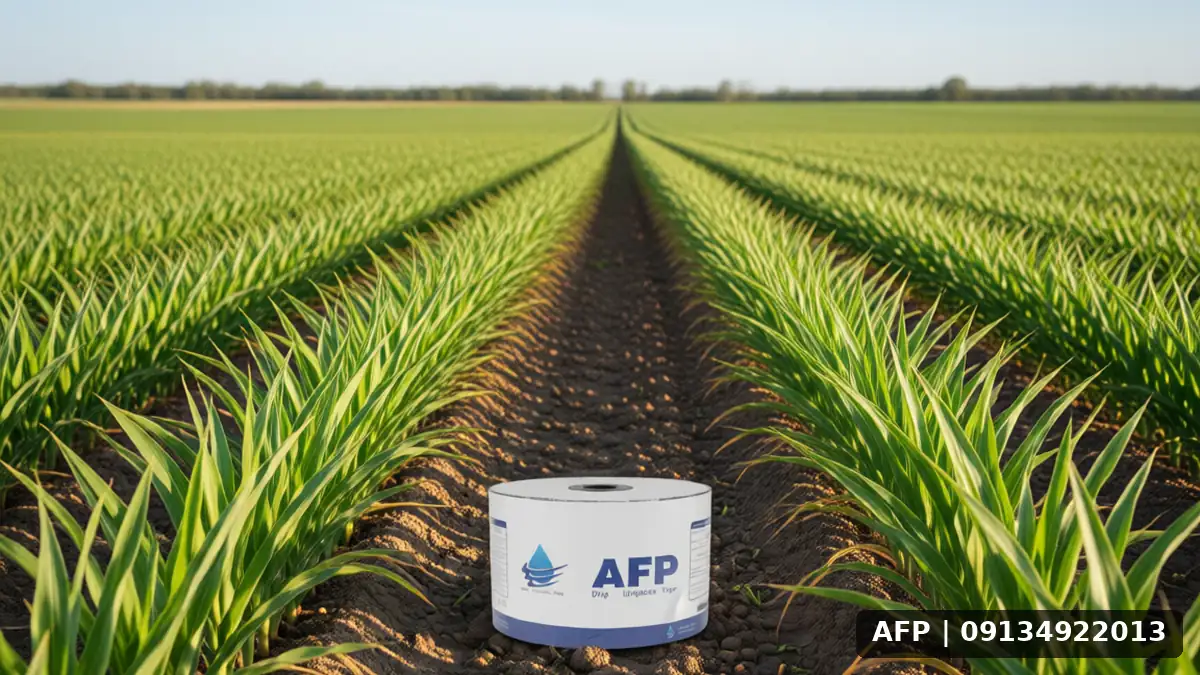
Land fragmentation and rising production costs have forced farmers to seek methods that simultaneously reduce water consumption and maximize per-hectare lettuce yields. In this context, drip line irrigation has attracted particular attention as one of the most efficient drip irrigation methods. By supplying plants directly from a moistened zone, this method significantly improves final crop performance.
Unlike sprinkler irrigation, which causes surface salinization and water loss through evaporation, drip line irrigation creates a narrow, deep water channel beneath the soil surface, ensuring main lettuce root access to moisture and nutrients. This article aims to examine the specific factors affecting per-hectare clover yields: influencing factors and strategies for improvement (as a similar example in vegetable cultivation) and adapt them to lettuce conditions, enabling farmers to make better decisions with technical knowledge.
Drip line irrigation principles and their impact on lettuce roots
Mechanism of moisture distribution in the root zone
Endive is a plant with a shallow root system that is highly dependent on surface and mid-depth moisture. Unlike wide strips, the drip tape system controls penetration depth more precisely. Using small droplets that discharge at a low rate, moisture is distributed uniformly at a depth of 10 to 20 centimeters. This depth coincides exactly with the main zone of root activity for endive.
For better understanding, refer to furrow irrigation which uses a similar mechanism, but modern drip tape offers higher precision in flow rate control. This precision prevents root dryness or waterlogging and improves root oxygen supply. When drip tape is installed correctly, moisture levels remain constant, and endive plants experience less stress.
Impact on nutrient uptake
One of the key benefits of drip tape is the capability for Fertigation. In endive cultivation, which is sensitive to phosphorus and calcium, direct injection of soluble fertilizer through the drip tape line significantly increases the uptake of these nutrients. Unlike conventional methods where fertilizer is broadcast on the surface, this method increases fertilizer availability by up to 30%, resulting in a higher average head weight of endive per hectare.
Determinants of letch yield per hectare
Planting spacing and furrow layout
The duration and spacing of furrows are the main determinants of the cultivation area. Typically, for letch, a furrow spacing of 60 to 80 centimeters is recommended. If the spacing is too narrow, moisture from adjacent furrows merges, promoting lush leaf growth; however, if the spacing is excessive, dry zones develop, inhibiting plant growth. In bell pepper yield per hectare iraq farmers guide furrow spacing optimization for leafy vegetables is also referenced, which is applicable to letch.
Soil type and permeability
In sandy soils, furrow drip systems must operate with higher flow rates to ensure sufficient vertical moisture spread. In clayey soils, the drainage rate must be very low to prevent waterlogging and oxygen deficiency. Farmers should conduct a permeability test before installation. Mismatching the furrow flow rate with the soil type is the primary cause of yield loss in black cumin per hectare (and similarly for other broadcast plants), as the crop becomes susceptible to soil compaction and salinization.
Practical tips for maximizing letch performance
Irrigation scheduling
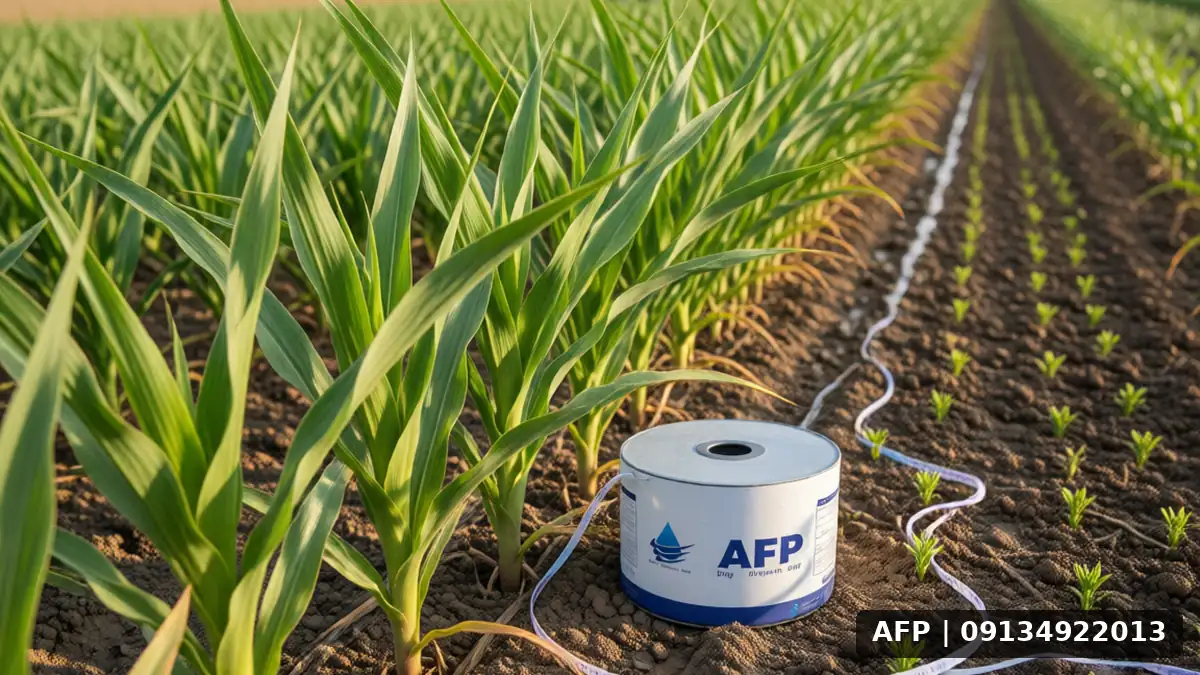
- Preparation period: Perform deep irrigation via drip tape 3 to 5 days before planting to ensure sufficient soil moisture for seed germination.
- Vegetative growth period: Frequent irrigation (every 2 to 3 days) with a low flow rate (2 to 3 liters per hour) is recommended. Lettuce is sensitive to moisture fluctuations, and interruptions in moisture cause stem stiffness.
- Harvest period: Cease irrigation 48 hours before final harvest to reduce surface moisture and facilitate storage.
Pest management and moisture control
High humidity in the drip line zone can predispose the plants to leaf fungal diseases unless surface humidity is controlled. It is recommended to use a lightweight plastic cover over the drip line to prevent evaporation and weed growth. Regarding kammiyat buthour al kanwala fi al hahtar (canola yield per hectare) similar principles apply to moisture management and disease reduction. Using an acid or alkaline flushing system to prevent deposition increases the service life of the equipment.
Monitoring pressure and flow rate
A constant pressure of 1 atmosphere is ideal for standard drip lines. A pressure drop at the end of the line can cause dryness in the plants at the end of the field. Installing a pressure regulator at the start of the field is required. Also, every 10 to 15 days, open a section of the line and flush out sediment deposits with a fast flow of water.
Answering Frequently Asked Questions (FAQ)
1. Is the drip line only suitable for flat farms?
Drip lines are inherently designed for flat farms, but with the use of pressure balance chambers and slope calculation, they can also be used on farms with gentle slopes up to 10%. On very steep farms, drip emitters are used instead of drip lines.
2. How to detect salinization in lettuce?
Salinization is identified by severe dryness at the inter-band corners and soil color changing from gray to white. In lettuce, signs of salinization include young leaves turning bronze and the head becoming hardened. Reducing flow rate and increasing irrigation duration for vertical moisture absorption resolves the issue.
3. What is the cost difference between solid-line and drip tape?
Solid-line tape has a longer service life and requires less replacement due to its robust pipe structure and pressure resistance. While drip tapes are generally lighter and cheaper, they are easily damaged if stepped on by personnel or run over by machinery. For lettuce fields with frequent planting and harvesting, solid-line tape with flushable coverage is a more sustainable option.
Conclusion: The Future of Lettuce Cultivation with Modern Irrigation
Use of solid-line tape in lettuce cultivation combines water savings with increased efficiency. By adhering to layout principles, flow control, and periodic flushing, lettuce yield per hectare can be increased by 20 to 35 percent. Farmers who How to Extend the Operational Life of Drip Irrigation Tape Farmers who focus on extending the life of the tape system will achieve better economic returns in the long term. This method not only preserves leafy vegetable quality by reducing disease but also makes the field more suitable for mechanized harvesting. Investing in a suitable drip tape system is a green step toward sustainable agriculture.