Triticale Yield Per Hectare with Drip Tape: A Practical Guide for Farmers
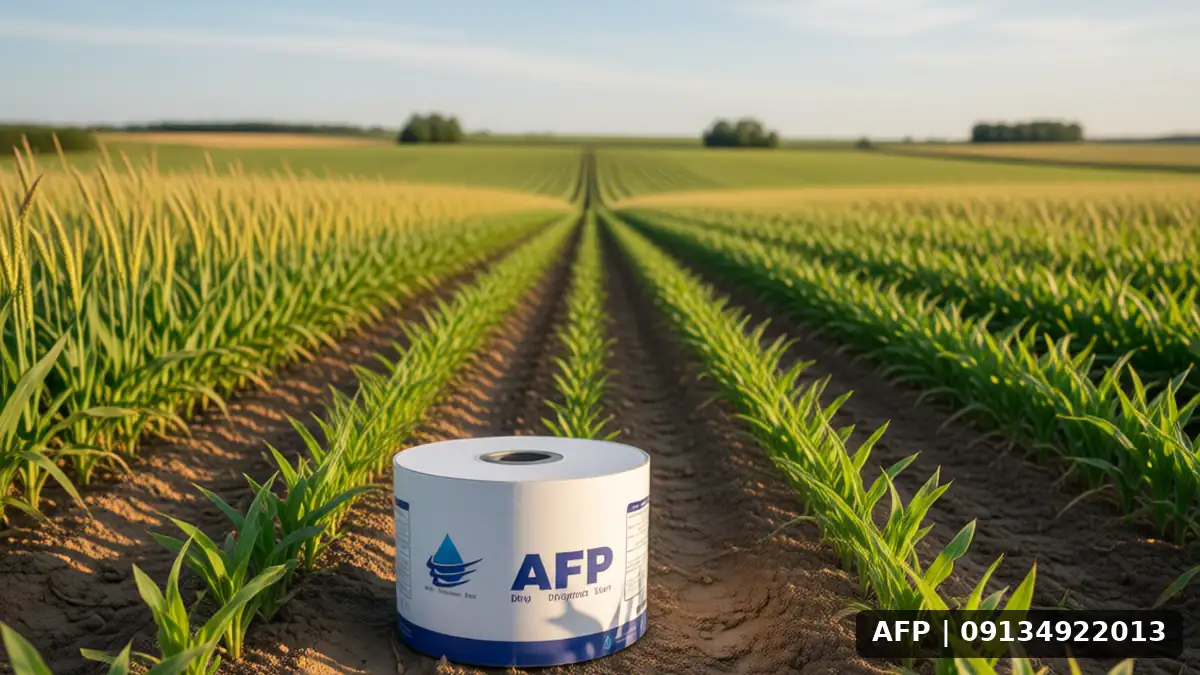
Triticale is an important cereal crop that holds a special place in agricultural planting due to its relative drought tolerance and adaptability to diverse climatic conditions. However, achieving the expected yield of triticale per hectare requires precise management of input resources, particularly water. In recent years, tape-line drip irrigation systems have become a popular choice among farmers due to their high efficiency, lower cost compared to traditional drip emitters, and flexibility in broad-row crops. This method not only prevents moisture waste but also facilitates better nutrient uptake by focusing irrigation on the root zone.
This article examines the technical details of how tape-line drip systems affect triticale performance, along with key planting considerations and common challenges, enabling you to make more informed decisions for your farm.
Why is tape-line drip ideal for triticale?
Triticale has a deep and extensive root system. Spray systems typically result in uniform irrigation across the entire soil surface, leading to high surface evaporation. In contrast, tape-line drip, a type of drip tape with regular holes, delivers water at low pressure directly to the roots. This reduces water stress during critical plant growth stages.
- Improving irrigation uniformity: Tape-line drip prevents water accumulation in specific spots of the field.
- Reduced weed competition: Since only the planting rows are irrigated, weeds between the rows have less opportunity to grow.
- Energy savings: The system’s low operating pressure reduces pump consumption.
To better understand the general principles of these systems, you can read the articleIrrigation using perforated drip tape to familiarize yourself with the types of holes and their spacing. Choosing the appropriate tape type (e.g., N-type or D-type) is crucial depending on your farm’s soil texture; for fine-textured soils, smaller and denser holes are recommended to prevent rapid clogging.
Factors affecting forage sorghum yield per hectare
Increasing triticale production is not solely dependent on irrigation, but improper irrigation can negate other efforts. The following factors simultaneously affect the final yield:
- Soil type and texture: Triticale grows well in light sandy and silty soils, but rooting is more difficult in heavy clay soils.
- Base and side-dressing fertilization: Timely nitrogen application during the vegetative growth period can increase plant biomass by up to 20%, thereby affecting triticale seed yield per hectare.
- Pest and fungal disease control: Triticale is susceptible to brown and white rust; base irrigation rather than foliar application helps reduce leaf relative humidity.
To compare performance with other grains and cereals, read the articleQuinoa per hectare It can provide a broader perspective on crops with similar yields, although triticale has slightly different water requirements.
Drip irrigation scheduling for triticale
Irrigation timing is the most important part of this process. Triticale is most sensitive to water stress during the vegetative growth and flowering stages. Using drip irrigation allows you to apply smaller volumes of water more frequently to the field.
The key point is to avoid abruptly stopping irrigation at the end of the season; gradually reducing water volume allows the crop to naturally reach dormancy or maturation. Additionally, checkingForage corn seed rate per hectare may be beneficial for mixed cropping with triticale, as in some crop rotation systems, forage corn is used as a cover crop.
Practical tips for optimizing performance
Field experiences have shown that many yield reductions in triticale are due to execution problems in the irrigation system.
1. Row spacing
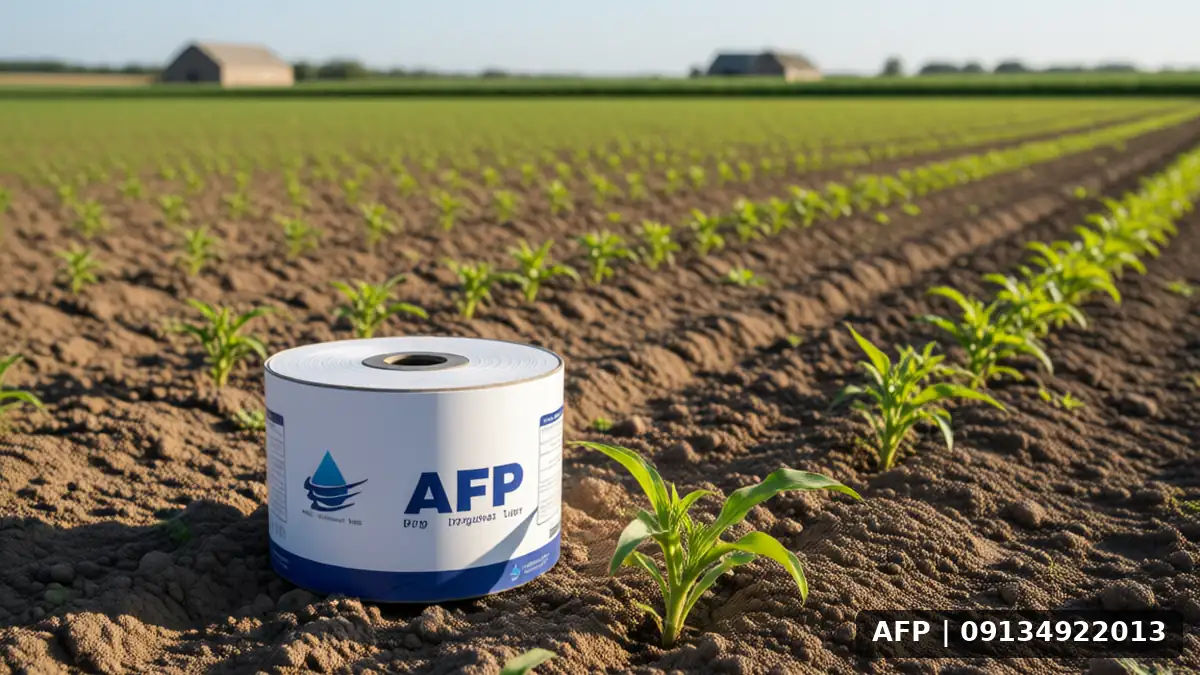
The planting spacing of triticale must align with the drip tape spacing. Generally, spacings of 20 to 30 centimeters between lines are recommended. If the spacings are excessive, dry spots will form in the field, resulting in inconsistent yield. The row spacing standards for other crops, such as beetroot, can serve as a model; therefore, studyingthe row spacing criteria for beetroot will give you a better understanding of the engineering principles of planting lines.
2. Pressure Management and Filtration
Drip tapes are sensitive to sedimentation and soil particles. Using an appropriate filter (disc or screen) before water enters the tapes is essential. Additionally, high water pressure can cause the tape wall to rupture or the holes to deform. Adjusting the pump output pressure based on the length of the lateral lines is the key to preventing irrigation anomalies.
3. Fertilization Through the Drip Line (Fertigation)
One of the major advantages of drip tape is the ability to fertilize simultaneously with irrigation. Water-soluble fertilizers are delivered directly to the root zone, optimizing their uptake. For triticale, staged nitrogen fertilization at the start of growth and before flowering has a direct impact on increasing grain yield.
Frequently Asked Questions (FAQ)
Is drip tape suitable for all types of millet?
Yes, but the hole size and spacing must be compatible with the soil type. In clay soils, use tape with larger emitters or a low density (LDI) to reduce clogging.
What is the millet yield per hectare in row cropping systems?
Under ideal conditions and regular irrigation, the average yield is typically between 4,000 and 6,000 kg per hectare. Using drip tape can increase this figure to the upper genetic limits of the variety.
What is the maintenance cost of drip tape?
Depending on the useful life, which is generally one season (for disposable tape) or several years (for permanent tape), maintenance costs primarily involve replacing the tape at the end of the season and cleaning the filters.
To find out about other crops with similar cultivation potential and irrigation requirements, you can refer to the articlePerformance of dryland barley and tips for increasing yield Review the following. Barley and triticale are both cool-season crops, but they differ in root behavior.
Conclusion
Using a drip tape system for triticale cultivation is a smart solution for synchronizing water and nutrient management. By adhering to planting technical principles, selecting the correct tape type, and planning irrigation schedules precisely, it is possible to increase triticale yield per hectare to a satisfactory level. The final point is that these systems do not replace proper farm monitoring; rather, they are tools that, if used correctly, can multiply the economic and environmental efficiency of your crop. Collaborating with specialists to adjust pressure and select filters is the first step for a successful start.