Tipe Strip Spacing in Parsley Cultivation: Recommended Standards
Introduction
Parsley is a fast-growing aromatic plant with high demand in domestic and industrial markets. Proper irrigation management for this crop not only maintains the necessary root moisture but also helps prevent decay and fungal diseases. Because parsley has a shallow root system, using drip irrigation systems, particularly drip tape (Drip Tape), as one of the most efficient methods for delivering water and nutrients, plays a key role. Determining the drip tape spacing in parsley in a way that ensures optimal root coverage is one of the main challenges for farmers. In this section, we will familiarize ourselves with the basic principles that must be considered when designing the row layout and line spacing for this crop.
Technical review of planting and drip tape spacing
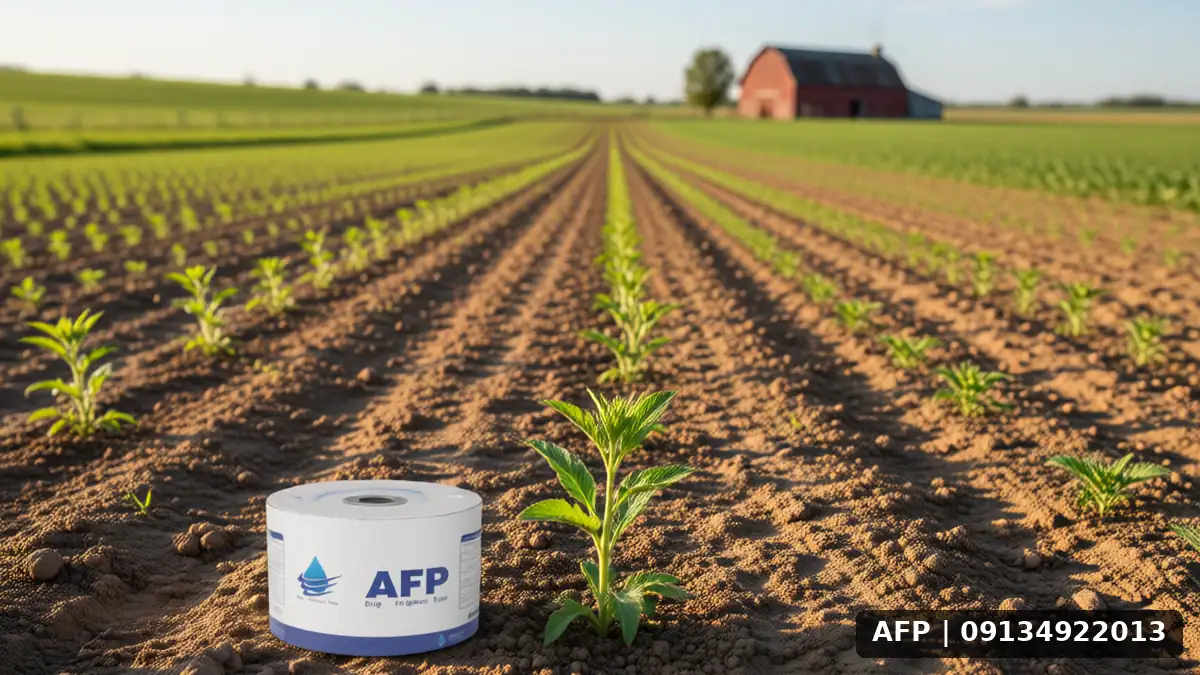
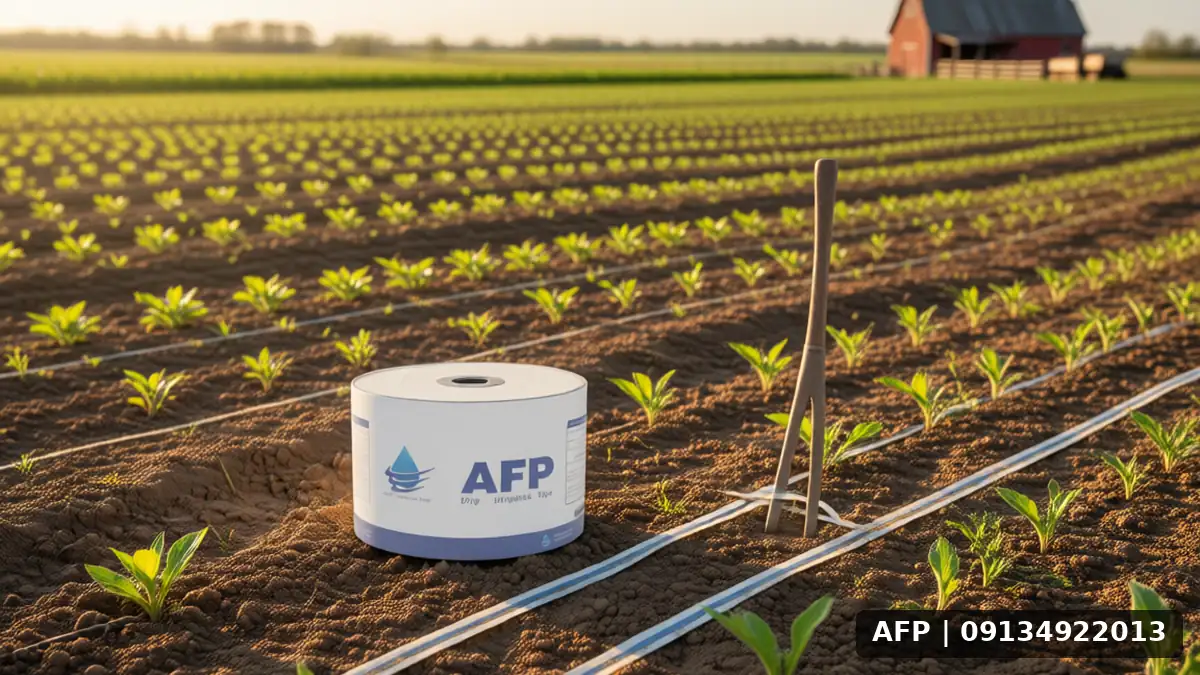
for precise determination of drip tape spacing in parsley cultivation, one must first pay attention to the plant canopy dimensions and effective rooting depth. Parsley is typically planted at a spacing of 20 to 30 cm within rows. Regarding row spacing, common standards are defined between 40 and 50 cm, depending on soil type and machine access. When using drip tape, its placement relative to the planting row is critical. If the drip tape is placed exactly under the planting line, it may cause soil erosion and damage to delicate roots. Therefore, the technical recommendation is to place the drip tape 15 to 20 cm from the edge of the planting row, parallel to it. This spacing keeps the soil around the tape moist and draws roots toward the tape for water access (Root Zone concept) without the roots having direct physical contact with the pipe.
Impact of row layout on water distribution
Soil moisture distribution modeling indicates that the irrigation pipe pattern affects the intensity of uniform wetness in the root zone. In coriander cultivation, due to the plant’s sensitivity to rapid relative drying, using drip tape with standard spacing prevents the formation of dry zones between rows. Additionally, when using more complex systems, understanding yield and osmotic pressure (or soil solution potential) can help optimize the discharge rate from the drip tape. Generally, maintaining balanced spacing ensures that energy costs and water consumption reach optimal levels.
Practical tips for implementing drip tape systems
In the implementation phase, adhering to practical principles is as important as selecting the spacing. The following key points are noted for farmers:
- Backfilling soil around the tape: When unrolling the drip tape from the package and laying it along the row, backfill the soil so that the tape is not directly exposed to sunlight. Although modern drip tapes are thicker and more durable, protecting them extends their useful life.
- Angling the tape: At the end of each row, the tape line must be angled toward the dripline or drainage point to prevent water accumulation at the end of the line and the resulting excess moisture.
- Main line pressure adjustment: The pressure required for the proper operation of the tape line is usually lower than that for drip irrigation. Ensure that the pressure is uniform at the beginning and end of the line to distribute flow correctly. For this purpose, careful selection of the main pipe size is critical, as detailed in the Navar Havaei tape line guide.
- Suspended particle management in water: Parsley is sensitive to soil acidity and water clarity. Using an appropriate filter before water enters the tape line prevents clogging of the micro-perforations.
In addition, understanding the plant’s water requirements at various growth stages is essential. During germination, high moisture must be maintained; however, as the plant matures, the need for irrigation decreases in frequency but increases in depth. These settings directly affect how the tape line distributes water.
Comparative analysis with other aromatic plants and vegetables
To better understand the positioning of tape line spacing for parsley, it can be compared with plants from the same family or region, such as dill or rosemary. For example, in the case of Rosemary and single-hectare productivities, plant spacing is generally wider (about 30 to 40 centimeters), so the drip tape spacing from the row must also be increased. However, in coriander, where planting density is higher, a 15 to 20 centimeter spacing is optimal. These differences show that standardizing spacing without considering the crop species can lead to under- or over-irrigation. Additionally, studying other products such as peppers or flowers can enhance our understanding of root uptake mechanisms. The article دعو شریحات الري بالتنقيط can be used as a complementary resource for learning the general principles of drip irrigation under similar climatic conditions.
Frequently Asked Questions (FAQ)
1. Can the drip tape be placed directly under the planting row?
No, this is not recommended. A 15 to 20 centimeter gap between the drip tape and the planting row allows the roots to actively grow toward the water source and prevents root rot caused by constant wetness at the planting site. This spacing also makes weeding and spray operations between rows easier.
2. What is the required spacing along the row?
For coriander, a single row layout is typically used, meaning one drip tape line is sufficient for the entire length of the row. If the planting row is very long, two shorter lines or specific adjustments can be used to prevent pressure drop, but for typical farm dimensions, one drip tape line parallel to the planting row at the specified distance is sufficient.
3. What to do in case of drip tape contamination?
If a decrease in outlet flow rate is observed, the flushing system must be activated. Using chlorinated water at permitted levels or formic acid within the system helps eliminate biological deposits. This procedure must be performed before shutting down the irrigation system.
Summary and Final Recommendations
Correct Selection Drip tape spacing for parsley is a vital step in improving production efficiency and product quality. Adhering to the standard spacing of 15 to 20 centimeters from the planting row, combined with selecting the appropriate drip tape size and proper pressure management, ensures that water and nutrients are evenly distributed in the root zone. Farmers should remember that the regional climate and soil type also affect water infiltration depth and, consequently, the required drip tape length. By consulting specialized resources such as guides on Klazaa application rates per hectare and articles related to irrigation calculations, they can implement further optimization in their fields. Ultimately, combining technical knowledge with continuous field monitoring is the key to success in parsley cultivation with modern irrigation systems.
Related articles: Related article Related article Related article D8AFD8B1 Related article, clover seed per hectare guide tajik farmers, kidney bean seed rate per hectare factors iraq