Teff Drip Irrigation Cost Per Hectare: Comprehensive Economic and Technical Guide
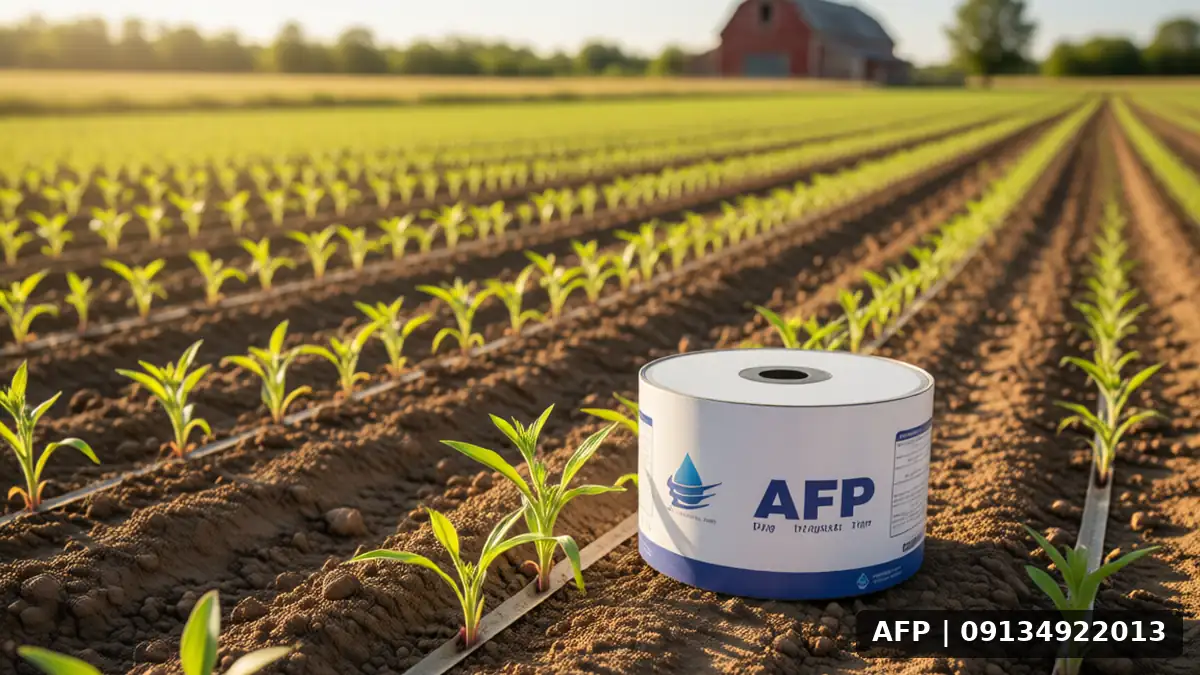
Introduction: The Necessity of Using Drip Tape in Field Pea Cultivation
Field pea, as a winter cereal crop and a primary source of plant protein, holds a crucial position in the agricultural economics of our country. Considering the pressures arising from water resource scarcity and the daily increase in production costs, the transition from traditional soil irrigation or rain-fed farming to modern drip irrigation systems, particularly drip tape, is no longer a luxury option but is regarded as a survival necessity for modern farmers. This advanced system, by placing thin plastic strips with microscopic holes (perforations) adjacent to crop rows, allows for the precise and uniform distribution of water and nutrient solutions without waste. This precision in liquid delivery leads to a significant reduction in evaporation from the soil surface and prevents salinity accumulation in the root zone. In fact, using drip tape not only saves up to 40% in water consumption but also directly affects the final crop yield and, consequently, the farmer’s profit margin by improving moisture conditions and accelerating root establishment. In the following comprehensive guide, we examine each cost component in precise detail to provide a clear picture of the required budget per hectare of land.
To better understand the importance of this irrigation system, one must recognize that the proper and optimal management of costs is only possible with precise knowledge of the system’s various components. Many farmers are under the mistaken impression that the main cost is merely the purchase of the tape, while ancillary and hidden costs such as filtration, pumping, labor, and maintenance account for a significant portion of the total budget. In this article, in addition to precise financial calculations, we also address technical aspects to ensure that by selecting equipment appropriate for the bio-technical needs of field pea, you avoid unnecessary expenses related to frequent repairs and premature replacements. Additionally, familiarity with the principles of determining drip tape irrigation points can be the key to success in optimizing budget consumption and preventing the waste of your resources.
Detailed Analysis of Fixed and Initial Costs per Hectare
Fixed costs include all financial commitments and heavy investments that are paid at the beginning of the planting season or upon installation of the irrigation system. This part of the budget usually constitutes a significant portion of the initial capital and plays a vital and decisive role in assessing the economic viability of the project. These costs have a one-time nature and are allocated to subsequent years based on the useful life of the equipment.
Cost of Drip Tape Strips and Installation
The most tangible cost in this section relates to the purchase of the tape itself. The price of the tape varies based on several factors such as material thickness, station length, hole diameter, and the raw material composition (with or without UV resistance). For field pea cultivation, tapes with a spacing of 10 to 20 centimeters and a diameter of 16 to 20 millimeters are usually recommended. Since the row spacing in field pea is approximately 15 to 20 centimeters, the tapes must be placed exactly between the rows or in close proximity to them to ensure moisture reaches the root zone directly. It must be noted that proper installation of the tape requires specific equipment or the labor of specialized workers, which must be added to the total cost. Purchasing non-standard tapes may seem inexpensive in the short term, but due to early tearing and geometric deformation under pressure, it multiplies replacement costs and downtime.
Cost of Ancillary Equipment and Pumping System
The drip tape system is not self-sustaining and requires a steady and reliable pressure source. Depending on field area, elevation, and network efficiency (discharge coefficient), you need diaphragm or radial piston pumps with appropriate power. Filtration also plays a vital and undeniable role. Using disk or sand filters with sufficient capacity to prevent clogging of the fine drip tape emitters is essential. Installing high-pressure fittings, shut-off valves, and smart control equipment is also part of the other fixed costs. If your land requires grading and bed preparation, the cost of execution operations should also be added to this section. By studying the comprehensive guide Selecting the Suitable Drip Tape you can avoid purchasing equipment beyond your actual needs and bring costs to an optimal level.
Variable and Operating Costs: From Seed to Spraying
Variable costs are those items that recur in each planting season and are directly related to production volume and plant count. These costs are the main determinants of your seasonal profitability and should be tracked carefully.
Seed and Planting Operation Costs
Mâche is a root vegetable that is usually produced using hand-seeding or mechanized planting methods. Seed usage ranges between 15 and 25 kilograms per hectare, depending on whether local or hybrid varieties are used. The key point is that using certified and disinfected seed, although it has a higher initial cost, significantly reduces the risk of disease damage and prevents expensive pesticide costs in the long run. Also, costs associated with plowing, harrowing, and bed preparation must be calculated at this stage. Precise mechanized planting guarantees uniform plant density and, consequently, equal benefit from water and fertilizer.
Fertilization and Fertigation
One of the main pillars of cost saving is Fertigation (fertilization simultaneous with irrigation). Instead of broadcast scattering of nitrogen and phosphorus fertilizers, you can deliver specialized solutions directly to the roots through the drip tape system. This practice reduces fertilizer waste by up to 30 percent, as the fertilizer is dissolved and absorbed exactly in the root zone. Additionally, using liquid fertilizers with precise dosage eliminates the need for laborers for fertilizer application. To better understand the principles of nutrient usage in vegetables and similar cereals, you can refer to the related article on nutrient quantities per hectare which examines similar concepts.
Practical Strategies for Cost Optimization
Cost saving does not only mean reducing the budget; it means getting the most value from every rial spent. In this section, we provide key technical and management tips.
- Precise Control of System Pressure: Water pressure at the pump outlet and throughout the tapes must be regulated. High pressure causes damage to the tape body and uncontrolled water temperature, while low pressure leads to water accumulation at the beginning of the tape and drying at its end. Correct pressure regulation increases the useful life of the tape from one season to several seasons and reduces replacement costs.
- Water Hygiene and Filtration: Unclean water contains algae, sediments, and organic matter that can clog the fine drip tape emitters within days. Regular cleaning of filters and, if necessary, periodic chlorination of the system prevents expensive repair and tape replacement costs.
- Use of recoverable drip tapes: Although disposable strips are common, thicker, higher-quality strips that can be collected and washed can be reused in subsequent seasons if collected and stored with care. This reduces annual purchase costs. A guide to Porous drip tape irrigation explains the technical details of these strips.
Additionally, proper scheduling for planting and harvesting reduces labor costs during peak heat and improves labor efficiency. Attention to these minor details results in a significant reduction of hidden annual costs.
Frequently Asked Questions (FAQ) and short answers
Is the cost of drip tape installation for mung bean economically justified?
Yes, calculations show that a 30% to 40% reduction in water and fertilizer consumption, combined with a 15% to 25% increase in mung bean yield compared to soil irrigation, typically results in a return on investment within the first one to two years. Furthermore, reduced fertilizer and labor costs help maintain profit margins in subsequent years.
What is the best time to plant mung beans with drip tape?
Depending on the climate zone, mung beans are usually planted from late autumn to early winter to allow plants to tolerate water and heat stress during early growth stages. Using drip tape in this period enables precise soil moisture management and prevents the rapid growth of weeds compared to soil irrigation.
Can old drip tapes be used for mung bean crops?
Final Conclusion: Investing in the Future of Agriculture
Mung bean cultivation with drip tape is more than a technical change; it is a shift in perspective toward modern and sustainable agriculture. Although initial costs may appear prohibitive at first glance, a closer look reveals that this investment reduces environmental and economic risks and ensures income stability. It is recommended to consult irrigation technical experts and use reputable brands with after-sales service warranties before making a purchase. By following optimal management principles and maintaining system order, you can optimize mung bean cultivation costs and produce world-quality products. Remember that every drop of water and every kilogram of seed is your capital; therefore, smart management is the key to your economic success.
Related articles: Seeding rate of forage corn per hectare, okra yield per hectare guide tajik farmers, how to choose suitable drip irrigation tape, potato drip tape irrigation guide iraq