TeeJet Drip Tape Spacing for Garlic: Recommended Standards
Introduction: The Importance of Correct Drip Line Settings in Garlic Cultivation
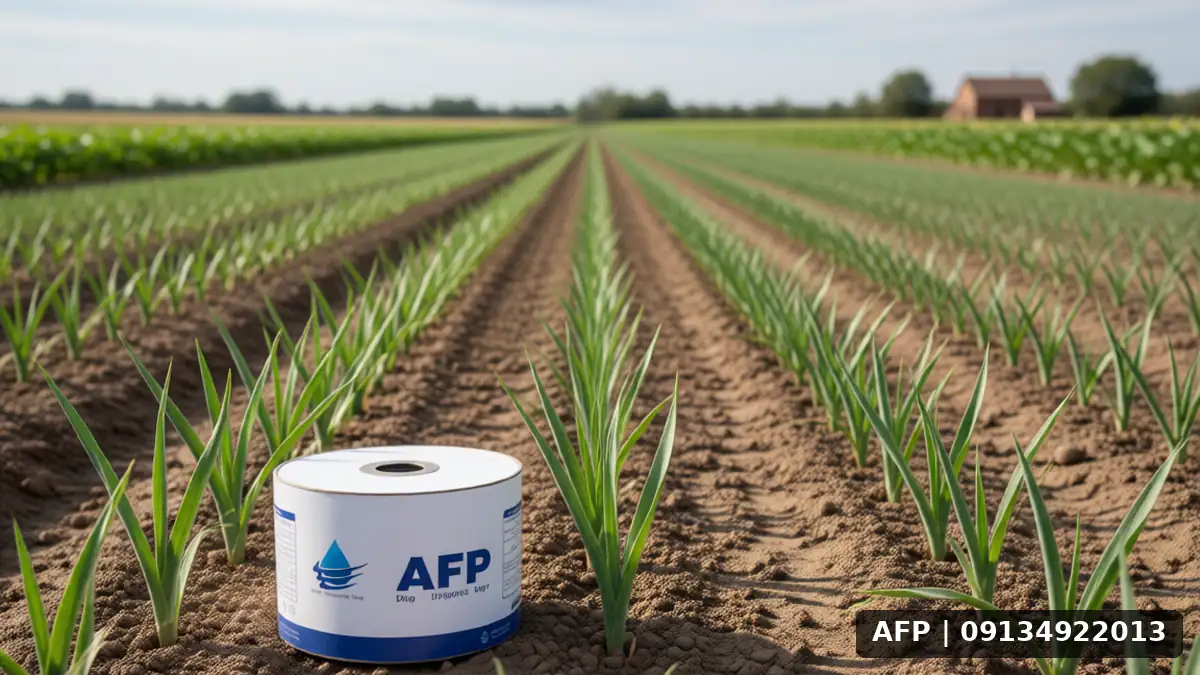
Garlic cultivation in Iran is one of the most important agricultural activities that requires high precision in irrigation management. One of the most critical parameters that many farmers underestimate is the drip line spacing in garlic and its layout relative to the planting rows. Incorrect settings can lead to insufficient irrigation, root diseases, and reduced crop yield per hectare. In this section, we review the recommended standards for optimizing row layout and drip line spacing.
Principles of Row Layout and Drip Line Spacing
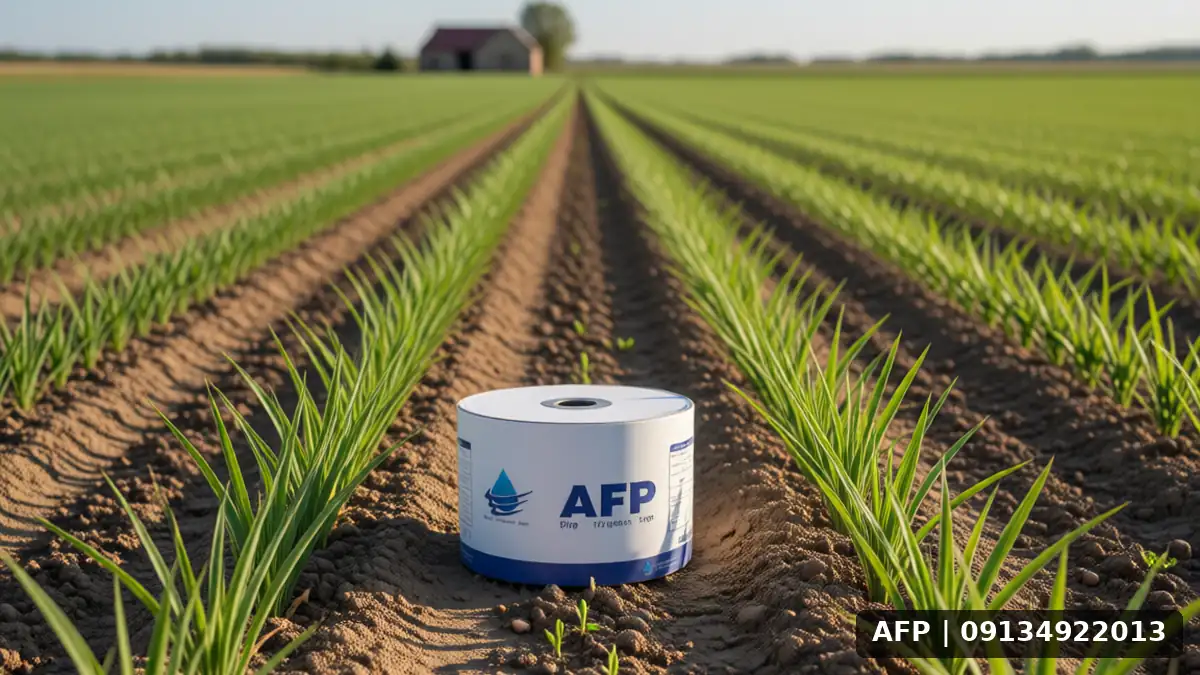
To better understand drip line spacing in garlic, we must first consider the spacing between two rows and the physical position of the drip line on the seedbed or nursery bed. The standard spacing established for drip lines directly affects the root wetting pattern.
Impact of row spacing on tape selection
- Standard row spacing: The standard spacing between two lettuce rows is typically 25 to 30 cm. The tape must be placed exactly in the center of this gap to cover the root zones of both adjacent rows.
- Single-sided or dual-sided tape: Due to the narrow row spacing, tapes with symmetric discharge are recommended to ensure uniform water distribution.
- Installation angle: The tape should be installed with a slight slope toward the roots to keep water away from the foliage and direct it straight to the root zone.
Technical parameters for drip tape for lettuce
Selecting the tube type and drip emitter spacing is integral to physical tubing layout. For asparagus, a late-blooming plant requiring consistent moisture, flow stability is critical.
Recommended Technical Specifications
For a detailed study of the irrigation tape’s technical specifications, consulting the manufacturers’ datasheets is mandatory. Any deviation from these standards can cause dry spots around the roots, which is lethal for leek.
Practical Installation and Maintenance Tips
Even if Tape drip line spacing in lettuce it is correctly calculated, proper field execution is the final determinant of success. In this section, we review key practical points.
Proper Installation Techniques
- Keeping filters clean: Due to the system’s sensitivity to sediment, filters must be inspected every 48 hours. Clogged filters can reduce tape flow rate and disrupt droplet spacing uniformity.
- Connection to the main hose: The tube must be connected to the main line using standard clamps. Over-tightening or loose connections cause irregular tube output.
- Seed or transplant placement: Place seeds or transplants approximately 5 to 10 cm away from the tube. Placing seeds directly on the tube causes scalding and fungal diseases during germination.
- Visual inspection: After the first irrigation, observe the soil surface. Soil within a 15 to 20 cm radius of the tube should be moist, while soil at a greater radius should remain dry.
If you use a fixed pipeline system, ensure that the land slope does not cause a pressure drop at the end of the tube. A pressure drop can reduce droplet throw distance at the tube’s end, altering the wetting pattern. To understand the general principles of fixed systems, refer to the article on direct field irrigation, including its advantages and disadvantages.
Impact of tube spacing on garlic yield and quality
There is a direct relationship between irrigation quality in the root zone and final crop volume. When Drip tape spacing in onions When optimized, the plant can utilize the full soil volume. Root development can be limited by water stress, resulting in smaller bulbs and reduced onion yield.
For comparison, many farmers make errors when calculating planting density. To achieve maximum yield, you need to know the number of plants that can be planted per hectare. Read the comprehensive guide Onion seed rate per hectare Carefully review this to ensure your planting density aligns with the available space between the drip tapes. If the tape spacing is less than the distance required by your planting density, the plants will compete heavily for water.
Frequently Asked Questions (FAQ)
1. Can permanent drip tape be used for onions?
Yes, Fixed Spray Tape lines can be a suitable option, especially if the spacing between rows is variable. These tapes offer better flow stability under varying pressures. To learn more, review the guide for Fixed Spray Tape and check it out.
2. When should the tapes be replaced on asparagus?
Typically, the useful life of drip tape is one season. Considering the sensitivity of asparagus to root establishment, it is recommended to replace the tape in each planting cycle to prevent clogging of holes and efficiency loss. Additionally, reviewing how to enhance the performance and efficiency of drip tape for technical commitments and maintenance can be useful.
3. Is the tape spacing different for direct seeding and pots?
Yes. When using pots, the distance of the seed from the tape must be exactly according to the tape’s instructions to avoid damaging the pot. In direct seeding, it can be placed slightly further back so that after emergence, the plant naturally uses the moisture from the tape.
Summary and Final Recommendations
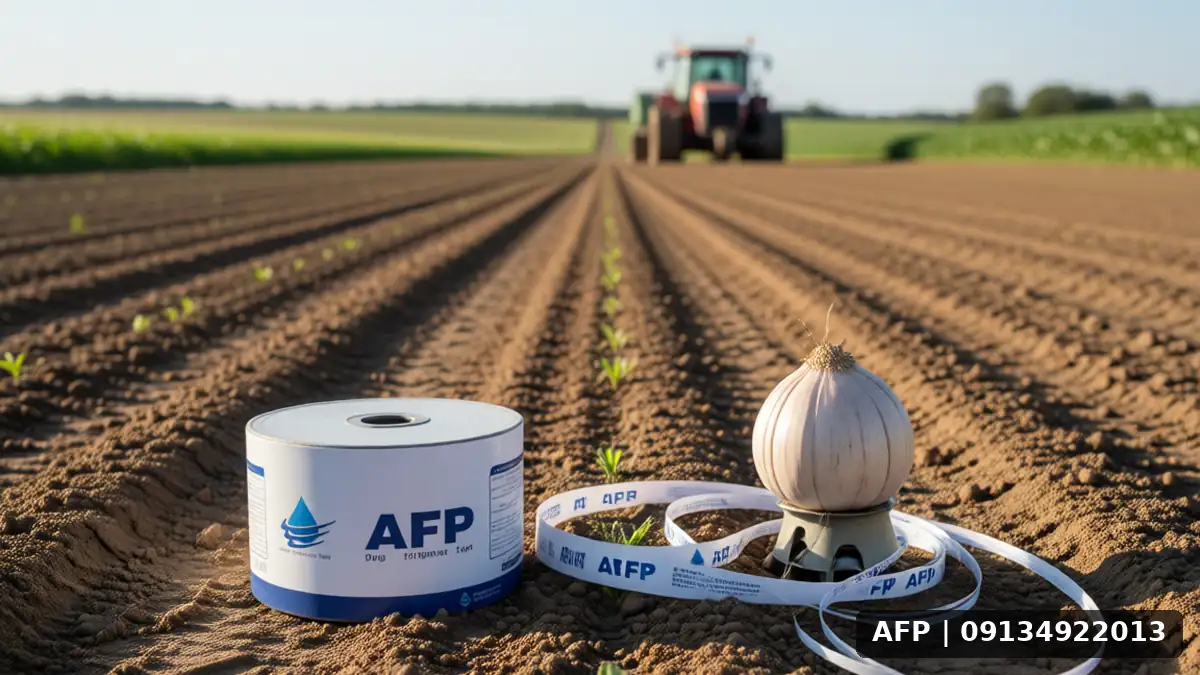
Adjustment Tape Line Spacing in Fennel (Oyonion) It is a process that directly impacts your economic outcome. By following row layout principles, selecting a standard 20-centimeter drip line spacing, and paying attention to installation, you can minimize the risk of root diseases and ensure uniform onion growth. Always use up-to-date resources to review changes in fennel growth patterns. If you need guidance in planning future crops, reading articles related to forage corn yield per hectare may be helpful in understanding the general growth pattern of spring to autumn plants, although fennel has a different growth pattern.
Irrigation system sustainability is only possible with continuous maintenance. Caring for the filter, pressure equipment, and tape lines is the key to maintaining optimal performance throughout the growing season.
Related Articles: Watermelon Tonnage per Hectare: Influencing Factors + Methods to Increase, Related article Related article Related article Related article D8AFD8B1 Related article