Tape Irrigation: A Comprehensive Guide to High-Efficiency Drip Irrigation
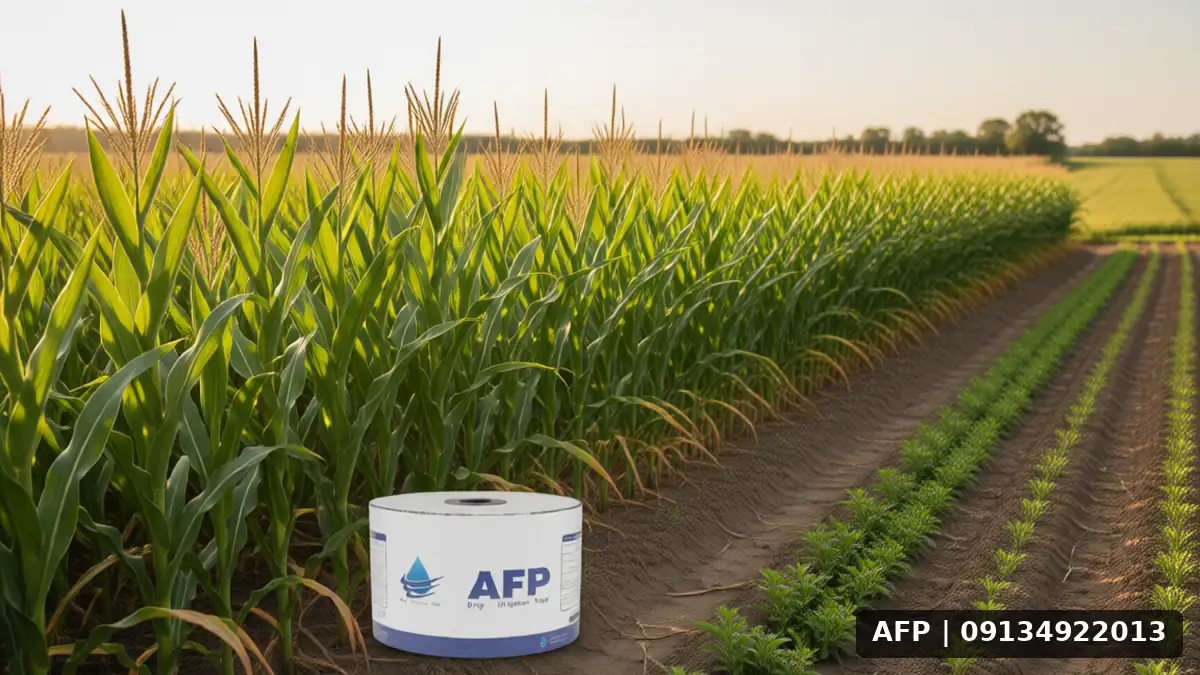
Drip Tape: A Novel Solution to Boost Agricultural Yield
In the world of agricultural industry, water resource management has always been a major challenge for producers. With the spread of new technologies, methods like drip tape have been introduced as an efficient alternative to traditional drip systems. This method not only saves water but also ensures uniform distribution of moisture, uniform root growth, and ultimately, an increase in yield per hectare. In the following section, we will examine this irrigation system in detail, its advantages, and practical execution points in operations, so that farmers can improve their farm efficiency in a sustainable and economic way using this new technology. The importance of this system is particularly evident in current global conditions, especially in semi-arid and arid regions where water shortage is a major concern. Drip tape, by providing intelligent solutions for the precise delivery of water to plant roots, plays a central role in the sustainability of corresponding resources, enabling farmers to guarantee maximum crop yield with minimum water consumption.
Definition of the Drip Tape Irrigation System
The drip tape is a plastic strip that delivers water directly and slowly to the soil through small emitters rather than through overflow. These emitters are located on the surface of the tape and create a consistent flow under appropriate water pressure. The main advantage of this system over conventional drip hoses is that the tape can be removed from the field after the crop’s growth cycle and reused for the next season, which significantly reduces maintenance costs. The structure of the drip tape allows for quick and easy installation without the need for deep excavation. This feature enables farmers to establish the system with minimal soil disturbance and without damaging soil structure. Furthermore, the ability to collect the tape at the end of the growing season not only frees up field space but also allows for the reuse of the same tape in subsequent cycles, which is highly cost-effective. This recycling cycle offsets the initial investment cost in the long term and creates greater incentive for the widespread adoption of this technology. In essence, drip tape is not just an irrigation tool, but a long-term investment in water resource sustainability and maintaining soil productive capacity, which, when implemented according to proper principles, will yield significant benefits for farmers.
Key advantages of drip tape compared to conventional methods
- Increased water efficiency: Drip tape irrigation, by reducing evaporation and water infiltration into deep soil layers, achieves up to 40% water savings. This saving directly reduces the energy costs associated with water pumping. In arid regions where water resources are limited, this level of efficiency can determine the success or failure of a cropping season. Furthermore, reduced vertical water movement prevents the leaching of nutrients from upper soil layers, which is crucial for environmental protection and the prevention of groundwater contamination.
- Reduced labor costs: The quick installation of drip tape, which requires no plowing of the furrow bottom, reduces the time required for planting and harvesting. The laying process for drip tape can be performed automatically or semi-automatically, reducing the burden on farmers. Compared to fixed drip systems that require permanent pipe installation, drip tape offers greater flexibility in field layout. Farmers can adjust the length and width of planting lines based on field conditions and modify the system according to crop needs in different seasons. This flexibility increases overall cropping efficiency and enables more precise resource management.
- Improved crop quality: The uniform distribution of nutrients along with water ensures consistent growth and grain quality. By precisely controlling soil moisture, water stress is eliminated, which directly impacts crop size, weight, and final quality. Under the drip tape system, plants allocate their energy to vegetative growth, leading to improved quality metrics. For example, in quality-sensitive crops such as small fruits or legumes, uniformity in seed and fruit size increases commercial value and allows for better pricing. This quality improvement is not merely a side effect but a primary objective of implementing this modern irrigation system, which also guarantees end-consumer satisfaction.
Implementation notes for installation and execution
Success in using drip tape requires adherence to specific principles during installation. First, the distance between drippers and the pipe diameter must depend on the plant crop. For example, in bean cultivation, dripper spacing is generally smaller and their density is higher than in large adult grains. Additionally, land slope affects water pressure; therefore, in farms with high slopes, the use of pressure regulators is essential to prevent dripper clogging. In this regard, study the article Drip Tape for Beans: A Comprehensive Drip Irrigation Guide It can provide precise information regarding specific settings for potato plants. Correctly adjusting the system’s operating pressure is the most critical part of installation. If the pressure is too high, droppers may break or water may be discharged as spray, reducing efficiency. If the pressure is too low, the water application volume decreases, causing water stress in the plants. Additionally, the spacing between planting rows and the position of the drip line on the row directly affect uniform root coverage. In corn cultivation, which requires high water volumes during mid-growth, a drip line with appropriate pressure facilitates uniform plant growth. To learn about seed quantity and optimal planting methods that align with the irrigation system, you can refer to ‘How much is the corn seed rate per hectare?’. This coordination between planting and irrigation is the key to achieving the full genetic potential of the plant.
In addition to beans, many other vegetables also benefit from the advantages of this system. For example, in corn cultivation, which requires high water volumes during mid-growth, a drip line with appropriate pressure facilitates uniform plant growth. To learn about seed quantity and optimal planting methods that align with the irrigation system, you can refer to ‘How much is the corn seed rate per hectare?’. This coordination between planting and irrigation is the key to achieving the full genetic potential of the plant. Also, in sunflower cultivation, which requires high temperatures and appropriate humidity, precise irrigation management with drip lines can lead to increased flowering events and consequently higher seed yield. Study of factors affecting sunflower seed yield per hectare factors indicates that soil moisture during the mid-flowering period is a critical factor for seed volume, which can only be controlled by drip irrigation.
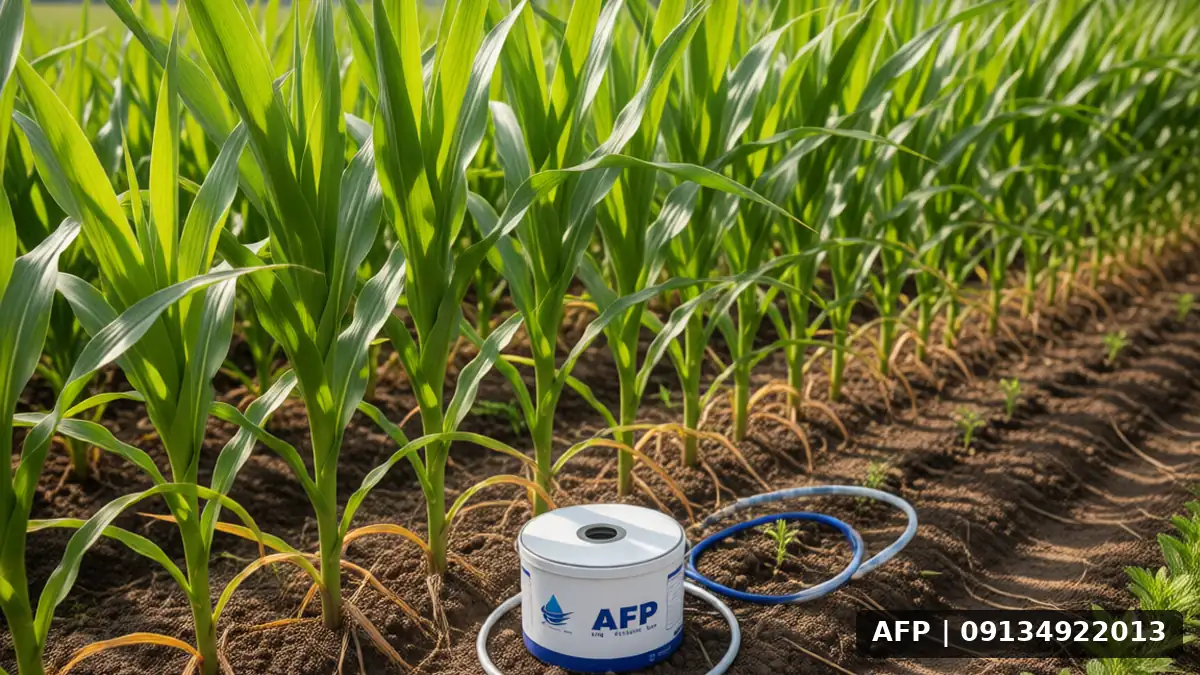
Impact of the irrigation system on final performance
The final conclusion in irrigation is directly linked to the amount of harvestable crop (metric tons). Fluctuations in water supply can significantly affect overall productivity. In arid regions with limited water resources, the correct choice of drip line or subsurface drip tube is the difference between a successful season and an economic failure. In this regard, understanding the factors affecting hosili ju dar yek gektar omilhoi tasirrason becomes of paramount importance. Additionally, for farmers seeking to maximize yields on small plots, the study of pakhtahosil yeki gektar rahnama kishovarzon can serve as a valuable operational guide. These articles help you understand how you can achieve the highest crop density on your small plots by smartly managing resources. Moreover, combining subsurface drip tubes with new technologies such as soil moisture sensors brings irrigation precision to a level where every drop of water is used exactly when the plant needs it. This convergence paves the way for a promising future in smart agriculture.
Maintenance and Management of Subsurface Drip Systems
The longevity of a subsurface drip irrigation system depends on regular maintenance. The clogging of emitters (Clogging) is the primary technical issue in this system, usually caused by calcium deposits or the entry of dissolved silt into the system. The use of appropriate filters and regular flushing of the lines extends the useful life of the subsurface drip tubes. In hot climates, where soil temperatures are high, the temperature of the water flowing through the system also affects root growth; therefore, temperature management and irrigation intervals are critical issues. In this regard, the article Maintaining Thermal Subsurface Drip It addresses mitigation strategies for arid climate challenges. A thorough evaluation of these strategies can prevent reduced system performance during the year’s hot seasons. Additionally, an annual visual inspection of the drip lines to identify pinholes or physical damage is a mandatory part of the maintenance protocol. Any leakage, even minor, can result in water loss and create unfavorable moisture conditions around the line that facilitate root rot. Therefore, a rigorous and systematic maintenance cycle is essential to guarantee the stable and sustained operation of the system over time.
Conclusion
Drip tape is more than an irrigation tool; it is a management strategy to ensure sustainability and profitability in agriculture. By carefully selecting the dropper type, operating pressure, and properly managing resources, one can achieve significant savings in water and energy consumption while substantially improving final yield. The successful implementation of this system requires farmer training and access to reliable advisory resources. We recommend reviewing all technical and environmental considerations before starting each planting season and optimizing your system using local data. The future of agriculture in sustainable systems is realized through technologies such as drip tape. With an understanding of its advantages and operational principles, you are on the path to achieving a high-yield farm with responsible resource use. Continuing on this path benefits not only the farmer but also the broader ecosystem, helping to conserve water resources for future generations.