Subsurface Irrigation in Wheat: Comprehensive Comparison Guide and Practical Tips
Why is sub-surface irrigation important in wheat cultivation?
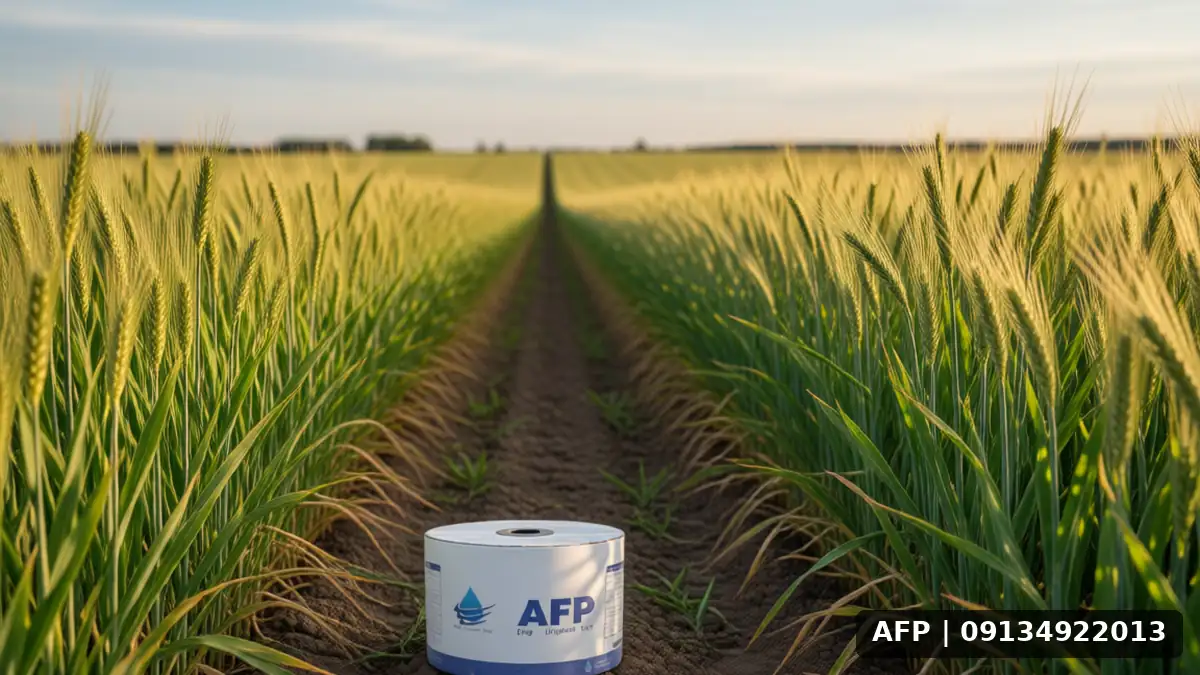
Wheat, one of the world’s most important food grains, requires smart water resource management. When water resources face severe constraints, innovative irrigation methods such as sub-surface irrigation are a proven solution for increasing water use efficiency. This method delivers water directly to the roots, significantly reducing direct evaporation from the soil surface and creating optimal conditions for wheat root system growth. Contrary to the common misconception that drip irrigation is exclusive to orchards, the application of pressure pipes and wells in grain crops like wheat and rye has been successfully implemented. To better understand wheat’s position among other crops, you can review articles related to rye yield per hectare to better understand the management differences between these two plants. This comparison demonstrates how water distribution methods affect final yield.
Technical comparison of sub-surface irrigation with conventional methods
The use of underground systems in wheat farms requires a precise comparison with surface methods such as travel watering. In sub-surface irrigation, water is delivered to the roots via piped networks at a soil depth of 10 to 20 centimeters, creating specific wetting zones. In contrast, in other similar systems, water is distributed on the surface. For example, in travel watering systems, water moves continuously and uniformly along the travel hose, which requires specific attention to input pressure.
- Water use efficiency: In subsurface systems, the applied water efficiency (Ea) is significantly higher than other methods due to the elimination of evaporation. Additionally, pressure management in these systems can prevent bubble blanching. To better understand the principles applicable to all irrigation systems, studying the characteristics of a typical zone is helpful, as many hydraulic principles are common. Familiarity with typical zone properties can also be useful in selecting appropriate components for subsurface networks.
- Impact on growth stresses: Wheat is sensitive to water stress during critical stages such as stem elongation and grain filling. Subsurface irrigation allows for more precise control of water volume and timing during these stages. This control prevents severe moisture fluctuations that can cause grain cracking.
- Soil compatibility: In clay or clay loam soils with low surface permeability, this method prevents surface crusting. It also prevents soil wind erosion and better preserves vegetative cover.
One of the main challenges in comparing these methods is the initial installation cost. Pressurized systems require powerful pumps and precise filtration. In contrast, simpler methods such as furrow or trench irrigation, which have been used for decades, are simpler but have significantly lower efficiency in hot and dry conditions. Farmers must carefully evaluate these two scenarios based on their budget.
Practical tips for irrigation management in wheat fields
Implementing sub-surface irrigation on level wheat fields requires adherence to several key technical and operational principles. Advanced farmers use this method to stabilize root-zone moisture, but they must also be aware of certain risks.
- Pipe installation depth: Placing pipes at a depth of 15 to 20 centimeters generally produces the optimal yield. Shallower depths increase evaporation, while greater depths reduce the growth rate of shallow roots in grains like wheat. This depth must be adjusted for soil erosion over different years to ensure roots retain access to the moist zone.
- Flow rate and pressure: To prevent asymmetric water distribution in heterogeneous soils, low pressure and continuous flow must be used. This aligns with the principles observed during the installation of consumable components; details covered in drip tape connector guide articles are well explained. Selecting high-quality connectors prevents water leakage and the resulting pressure changes.
- Disease management: High moisture in the root zone can create a favorable environment for Fusarium and Thrips. Therefore, selecting resistant cuttings and implementing preventive chemical spray management is essential. The use of fertigation through the system must also be performed with caution to prevent root burn.
- Overlap with rainwater irrigation: In areas with adequate rainfall, the subsurface system must be capable of preventing root saturation through rapid shutdown and bionometric control. The network design must allow for the rapid discharge of excess water.
For intercropped or double-cropped fields, the layout of the pipes is critical. In wheat fields, where row spacing is usually narrow, the network design must minimize interference with harvest machinery. Additionally, attention should be paid to the production line of the strip type to prevent water flow interruption at connection points.
Frequently Asked Questions about Wheat Irrigation
To address common farmer concerns, we review selected Frequently Asked Questions (FAQ) here.
Is subsurface irrigation suitable for all soil types?
Soils with very low permeability (such as clay) require wider pipe spacing and lower pressure. Sandy soils, due to their high infiltration rates, require closer spacing of irrigation points; these concepts are taught in detail when determining the irrigation points for drip tape systems, and their principles can be extended to this system as well. It is strongly recommended to review site maps and analyze the soil before installation.
How does it affect wheat quality?
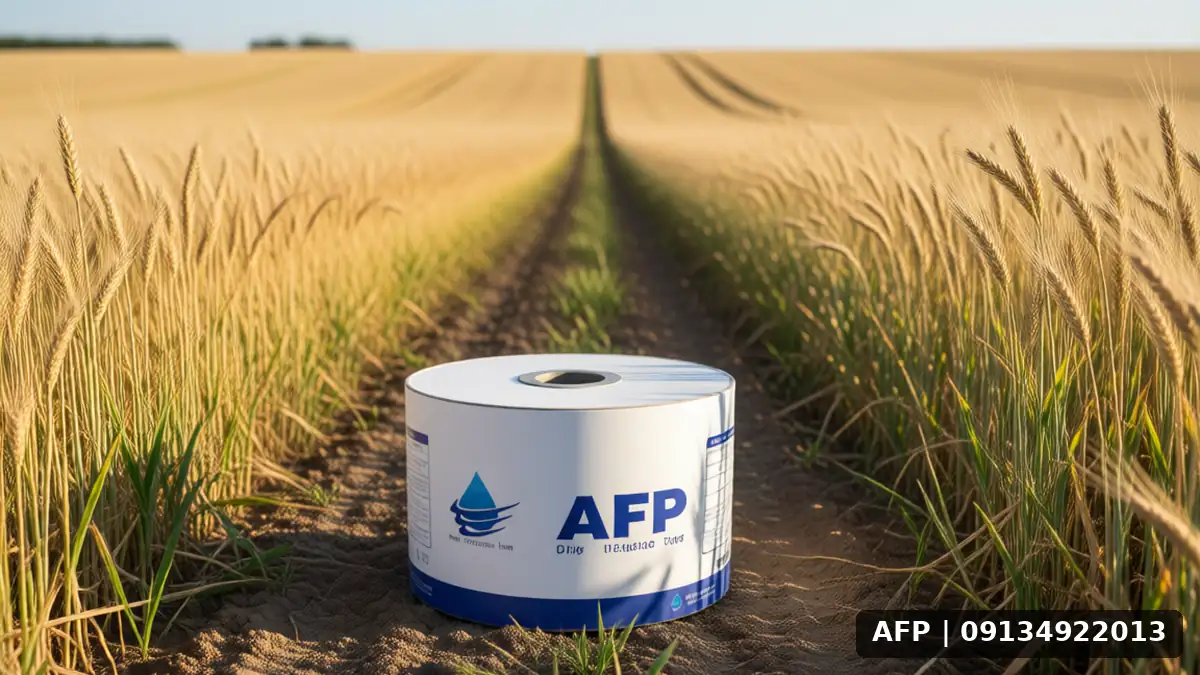
Precise control of water at the grain-filling stage increases grain specific weight and reduces grain breakage caused by severe dryness. This directly impacts milling quality and the final product value. Uniform crop quality is a primary advantage of this method.
What is the cost of system maintenance?
Unlike costly systems such as flood irrigation or six-gutter channels per hectare which require excavation and extensive infrastructure, subsurface pipe systems with proper filtration have lower maintenance costs for preventing minor clogging, provided that the network is periodically drained and flushed. Recurring costs include pump electricity and filters.
Conclusion and Summary
Subsurface irrigation in wheat cultivation, although it involves a high initial investment, offers stronger long-term economic returns due to water economy and increased yield stability. Comparison with other methods shows that this technology is particularly an efficient option in regions with water scarcity. Success in this method depends not only on the correct network design but also on a deep understanding of wheat plant ecology and field climatic conditions. Farmers are advised to consult irrigation experts and review technical documentation, such as mandatory installation conditions for the irrigation system, to ensure installation quality before installation. Failure to adhere to technical principles may lead to unsuccessful return on investment.
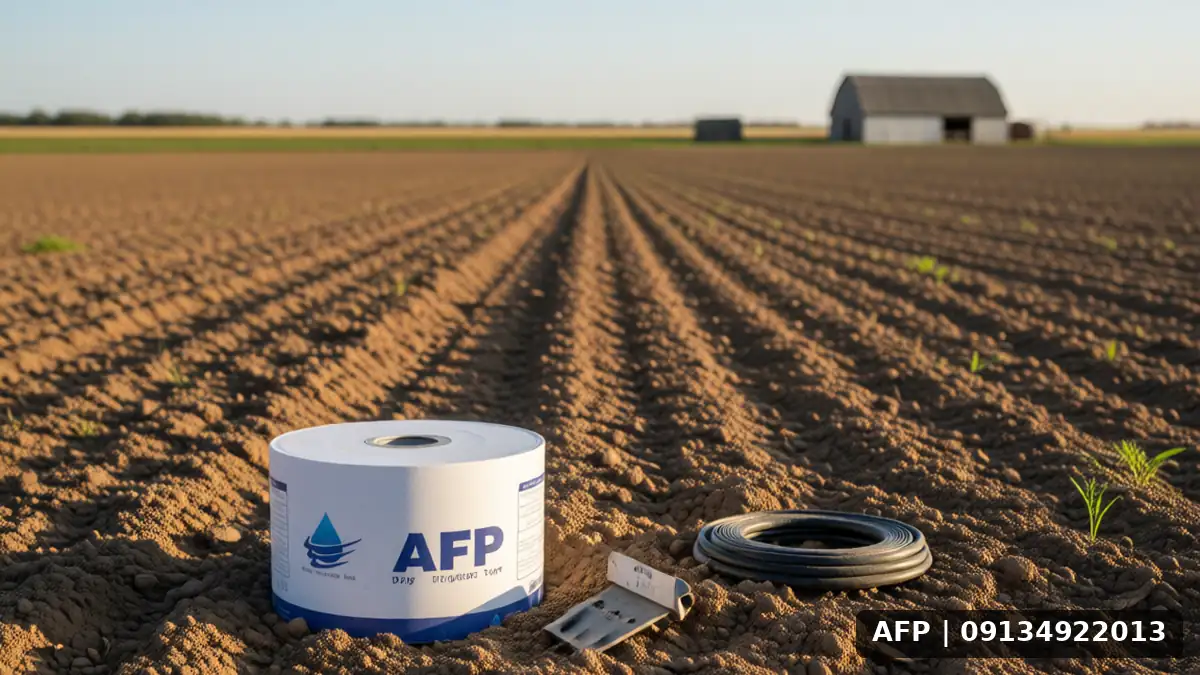
Smart water management is no longer an option but a necessity for the survival of wheat farms in stress climates. By combining soil moisture sensor data and hydraulic principles, farms can achieve minimum losses and maximum efficiency. Furrow or trench irrigation still has a place in traditional cropping, but the future lies with modern systems. Monitoring current equipment prices is also important for proper budgeting.
Related Articles: Furrow or Trench Irrigation and how to determine drip tape irrigation points for further study.