Subsurface Irrigation in Vegetable Cultivation: A Comprehensive Guide
Introduction to Subsurface Irrigation in Vegetable Cultivation
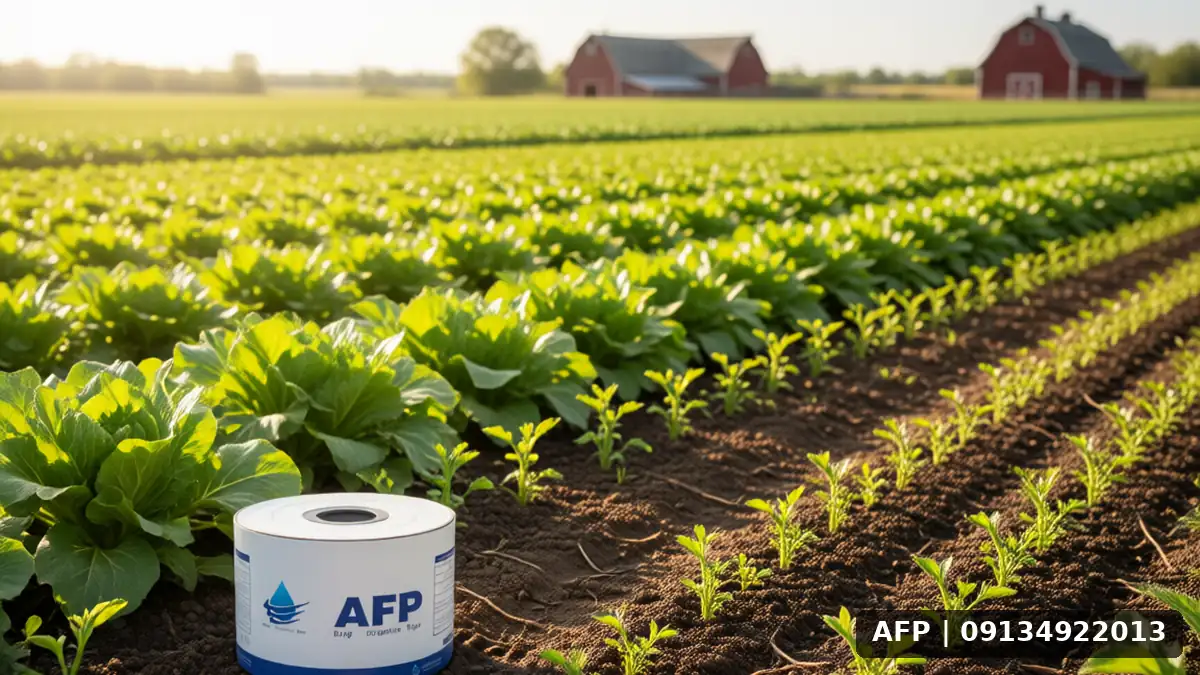
Subsurface irrigation is one of the most advanced and efficient methods for supplying moisture to crops, particularly in vegetable farming. In this method, water is released directly within the root zone depth rather than being distributed on the soil surface, ensuring that roots remain in a moist and stable environment. Unlike conventional surface irrigation methods, which lead to high evaporation, create favorable conditions for fungal growth on the bedding surface, and increase chemical pest control costs, subsurface irrigation keeps leaves clean and prevents leaf yellowing and surface fungal diseases. This method not only optimizes water usage but also promotes uniform plant growth and improves final crop quality by maintaining consistent soil moisture. In this article, we examine the technical details, pros and cons, key implementation principles, and optimization tips for this method in vegetable farms. If you are looking to increase farm yield, reduce labor costs, and manage water resources more precisely, this guide serves as your roadmap.
Technical Principles and Key Advantages of Subsurface Irrigation
In subsurface irrigation systems, water is delivered via drip tape or specialized drip lines typically installed at depths of 5 to 15 cm below the soil surface. This selected depth is designed to directly impact the primary root zone while preventing water access to deeper or more superficial root layers. One of the most significant advantages of this method is the substantial reduction in evaporation; because the water does not come into contact with open air, it moistens only the root zone. Additionally, Fertigation is highly efficient in this system, as nutrients are placed precisely at the site of root uptake, minimizing nitrogen leaching and the volatilization of other elements. For moisture-sensitive vegetables such as spinach and lettuce, which require stable and consistent humidity, maintaining consistent pressure and flow rate in the drip tape is critical.
Selecting the appropriate drip tape for vegetables
Drip tape must be selected based on soil type, plant rooting depth, and regional climatic conditions. In light, sandy soils, tapes with a shorter drip spacing and shallower installation depth are recommended to keep moisture concentrated within the limited root zone. The alignment between seed sowing location and the drip tape path is of infinite importance to prevent root rot during the early germination stage. In this context, studying the drip tape spacing of a ‘Zero device’ with dimensions of 120 by 80 and days of 30 and 40 can provide valuable insight into sowing geometry and its geometric coordination with irrigation lines. This coordination ensures that the main root is located precisely in the path of water flow.
Practical guide to proper installation and execution
Correct installation of subsurface drip irrigation requires high precision in pipelining, connections, and pressure monitoring. A common error in vegetable farms is failing to maintain constant pressure along lateral lines, which causes root saturation at one point and dryness at another. To prevent this issue, use pressure-regulating valves and design main lines so that pressure drop at the end is negligible. Additionally, managing cropping cycles in fast-growing vegetable farms, such as parsley and green onions, with a subsurface irrigation system requires more precise planning. For more details on planting density and density coordination with the irrigation system, refer to the article Parsley seed rate per hectare: A comprehensive guide to planting and cultivation You can consult this. Knowing the exact planting density helps you adjust the discharge rate of tape emitters to match plant population per square meter and prevents competition for moisture.
- Installation depth: The standard depth for tape emitters for most vegetables is 5 to 10 centimeters below the soil surface. If seeds are sown at a deeper depth, fingering (deep leaching) must be prevented to avoid moisture loss.
- Slope: The pipeline slope should face the tank or system outlet to reduce clogging caused by sediment deposition and mineral settling, preventing accumulation at low points in the system.
- Water filtration: It is mandatory to use screen or disc filters with appropriate mesh sizes to prevent clogging of drip tape emitters. Sediment or biological contamination is the fastest factor causing flow rate loss.
Technical considerations and soil moisture management
One of the main challenges of subsurface irrigation is monitoring soil moisture. Because the soil surface is dry while the subsurface zone is moist, farmers may mistakenly believe the plants are thirsty, even though the roots have sufficient moisture. Using soil moisture sensors at the target depth is the key to success with this method. For vegetables with shallower root systems, such as leafy greens, precise management of temperature and ambient humidity is also important. In this regard, the study Spinach seed rate per hectare + enhancing factors can help you calculate the total water requirement of the field based on plant density. Spinach is a crop sensitive to high moisture in the root zone, and extreme moisture fluctuations cause stunted growth and reduced leaf quality. Subsurface systems eliminate these fluctuations by maintaining uniform moisture.
Frequently Asked Questions (FAQ)
Is subsurface irrigation suitable for all vegetables?
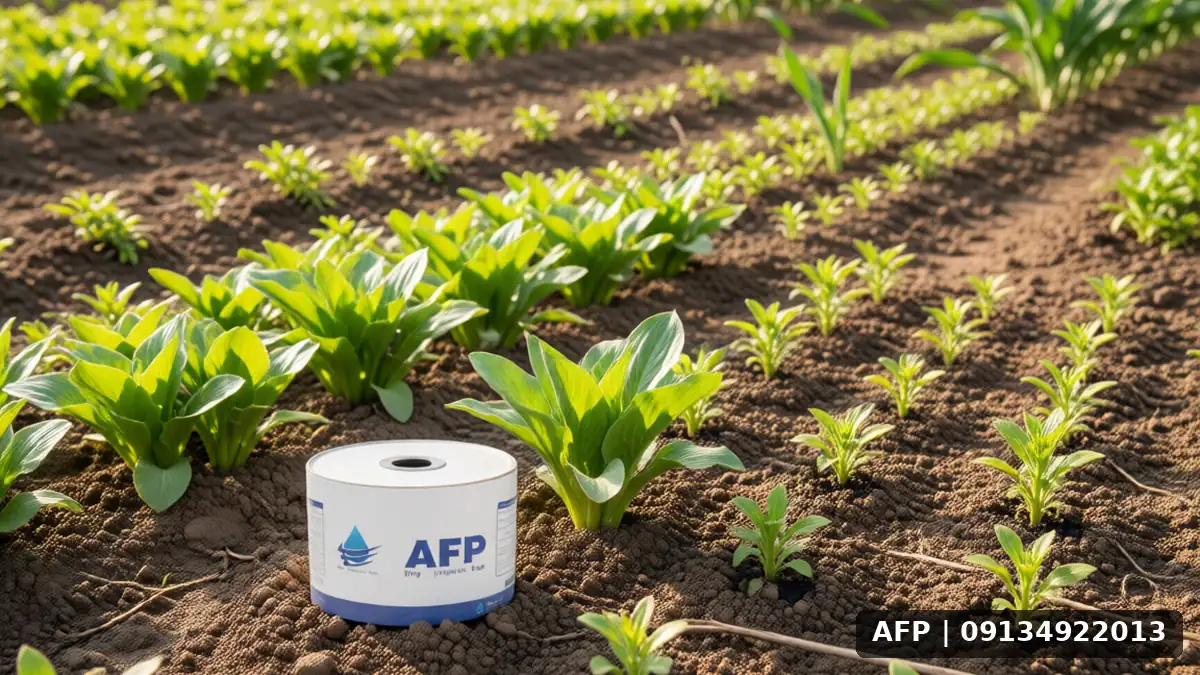
Yes, but with minor differences in installation depth. Root vegetables such as carrots and leeks have deep rooting systems; therefore, drip tape should be installed deeper or exactly at the root growth level to prevent root damage. Leafy vegetables like lettuce and cilantro have shallow roots and require a shallower drip tape installation depth (approximately 3 to 5 cm).
How do we prevent root rot in a subsurface system?
Root rot is typically caused by root-zone waterlogging. Using drip lines with automatic flushing and precise irrigation cycle timing (e.g., 30 minutes of irrigation, 10 minutes of rest for air infiltration, and 15 minutes of total rest) prevents excessive saturation. Additionally, open piping and the use of appropriate filters prevent clogging and the creation of prolonged wet spots in specific sections.
What is the cost of installing subsurface irrigation?
Costs vary depending on farm area, soil type, land slope, and the equipment used. Instead of providing a fixed price, it is better to consult with local equipment providers. However, the key point is that the initial installation cost is usually offset within two to three growing seasons by significant water savings, reduced labor costs, and increased product quality.
Conclusion and Final Recommendations
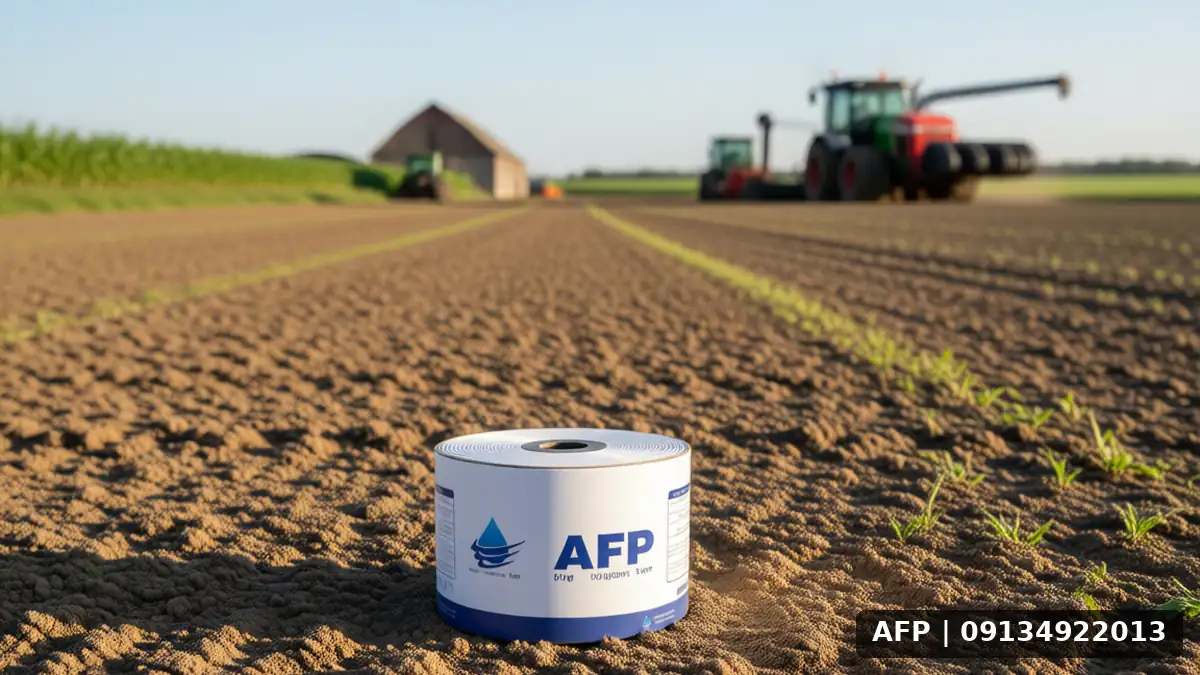
Subsurface irrigation in vegetable cultivation is a strategic investment for modern farmers seeking high quality, resource sustainability, and reduced operational costs. By adhering to installation principles, selecting the appropriate drip line based on soil type, and continuously monitoring moisture with sensors, you can optimize crop yield. To learn more about optimizing rooting and growth management under various conditions, read the article Garlic seed rate per hectare: influencing factors and methods to increase it It is recommended because even vegetables such as garlic, which are usually cultivated using surface drip irrigation, can benefit from the stability of subsurface moisture and exhibit uniform growth speed. Ultimately, the key to successful subsurface irrigation is patience, precision in initial installation, and continuous monitoring of soil conditions.
Related articles: Adjusting the planting population per hectare, Fennel seed rate per hectare + methods to increase yield, the distance of the closed arc emitter band with 200-meter length, Subterranean ginger plant emitter band