Subsurface Irrigation in Spinach Cultivation: Cost Optimization
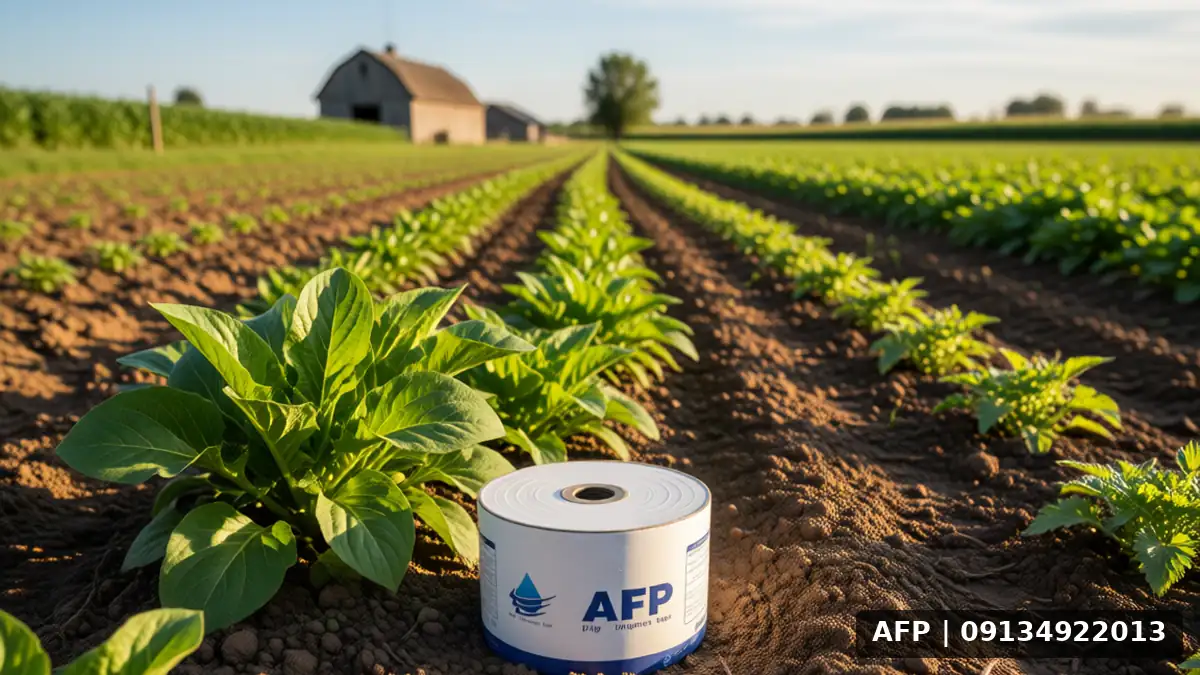
In the dynamic world of modern agriculture, optimal water resource management is a primary and critical challenge for vegetable producers. Spinach Due to its rapid growth cycle, high need for sustained moisture, and sensitivity to salinity stress, it requires precise, efficient, and low-cost irrigation systems. One of the most recent and yet highly effective methods that has attracted special attention from agricultural engineers and farmers in recent years is subsurface irrigation . This method addresses many of the chronic and expensive problems associated with surface and drip tape methods by directing water precisely and in a controlled manner to the root zone. In this comprehensive article, focusing on the key topic of cost optimization, we conduct an in-depth examination of the technical, economic, and practical dimensions of subsurface irrigation in spinach farms to ensure your decisions are based on precise and analytical data.
The Concept of Subsurface Irrigation and Why Spinach?
Subsurface irrigation is a process in which water is emitted through specialized pipes (typically made of polyethylene with micro-holes or drippers) at a depth of 10 to 20 cm below the soil surface. This depth is strategically selected to align precisely with the active root zone of spinach. Since spinach is a leafy crop with a weak, shallow root system, precise and direct irrigation helps maintain plant bed openness, reduces weed growth, and prevents fungal contamination on leaves. When it comes to costs and benefits, farmers’ primary concern is usually the initial installation cost of the piping system. However, a more detailed analysis of total farm costs reveals that operational costs with this method are extremely low. This includes pumping costs, system flushing, labor, and minimal water loss. To better understand the water-to-yield ratio and manage resources more precisely, you can consider the fenugreek seed rate per hectare as a general indicator of material and water consumption per unit area, although each crop has a different profile.
Economic Analysis: How Is the Optimal Cost Calculated?
Optimal cost in subsurface irrigation for spinach refers to the point where total fixed costs (installation and equipment purchase) and variable costs (energy, water, maintenance) are balanced by maximizing economic efficiency (economic return). Unlike surface irrigation, where labor costs for repiping and tilling in each cropping cycle are incurred, the subsurface system is installed once and can be reused for multiple spinach cropping cycles. This durability spreads overhead costs over time. Additionally, reduced water loss leads to a significant long-term reduction in the cost of purchasing or extracting water and pumping energy, which is considered one of the key justifications for the economic viability of this system.
Reduction of energy costs and losses
- Evaporation reduction: In tropical regions, up to 30% of water is lost to evaporation using surface methods. With subsurface methods, this loss is virtually eliminated, directly leading to savings in operational costs.
- Pumping cost reduction: With increased water use efficiency (typically reaching 90 to 95%), the need for high-volume water pumping decreases, resulting in reduced electricity or liquid gas consumption.
- Soil conservation: By preventing artificial rainfall on the soil surface, soil structure is preserved, reducing the need for corrective plowing and fuel consumption for agricultural machinery.
For farmers aiming to improve yield per unit, knowing the exact amount of inputs used is critical. Studying seed quantity per acre per hectare can serve as a benchmark for estimating raw material costs alongside water costs, providing a better view of total production expenses.
Technical parameters for cost optimization
You do not need to install the most complex and expensive system. Cost optimization means selecting the most suitable scenario for your farm conditions. These choices directly affect equipment lifespan and final crop quality.
- Pipe depth: For spinach, a depth of 15 cm creates a good balance between excavation costs and root access. Deviating from this depth may increase unnecessary costs or place roots outside the wetted zone.
- Pipe spacing: Based on spinach planting density, an irrigation line spacing of 20 to 25 centimeters is recommended to reduce pipe costs without compromising moisture coverage. This spacing must be calculated based on precise seed broadcast rate.
- Pipe material: High-quality polyethylene (HDPE) pipes are more suitable for longer service life. Although they have a higher initial cost, they prevent frequent replacements in the long term. The importance of site inspection for drip tapes and pipes reminds us that proper bed preparation (layering) before pipe installation increases the safety factor and prevents physical damage to the system. This step takes priority over any subsequent repairs.
Practical tips for implementation without extra costs
Many farmers feel uncertain about managing plant residues and fertilization when transitioning from surface to subsurface methods. Combining subsurface irrigation with Precision delivery can reduce costs and maximize efficiency.
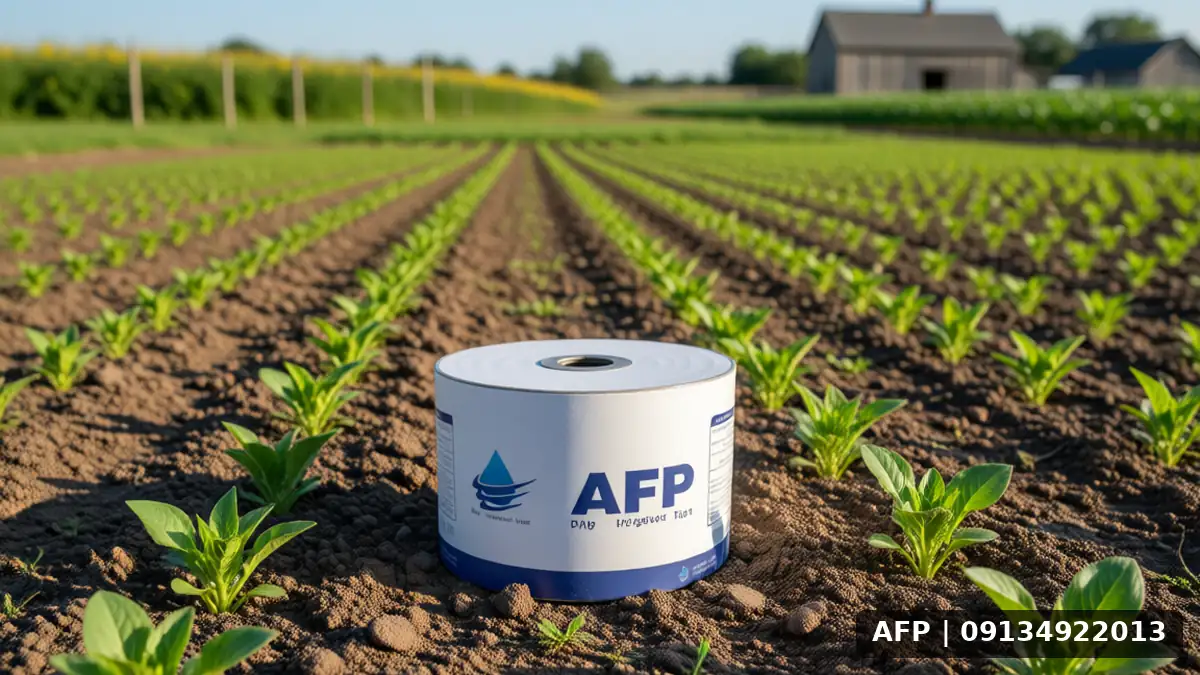
- Combo-Fication feeding: Using sub-surface pipes for fertilizer injection (combo-fication) eliminates plowing and fertilizer distribution costs. This directly impacts the cost per kilogram of imported spinach and nearly eliminates fertilizer loss.
- Pressure management: Maintaining steady pressure in the system extends filter lifespan and minimizes repair costs. To understand the general principles of water cycle and filtration, it is useful to review agricultural field drip irrigation and its impacts, helping you comprehend washing and sediment differences and preventing clogging of pipe micro-components.
- Access to performance data: Unnecessary costs often result from low yields. Using accurate data for yield forecasting aids in better sales planning. View Methods to increase per-hectare yield This shows how higher efficiency spreads fixed costs over a larger revenue base and pushes the break-even point forward.
Frequently Asked Questions (FAQ)
Is sub-surface irrigation economically viable for short-cycle crops like spinach?
Yes, provided the system is designed for reusability. If your farm grows multiple spinach cycles per year, the installation cost is quickly offset. Conversely, if you have only one cropping season per year, a more detailed cost-benefit analysis is required, including peak energy costs.
What level of technical knowledge is required to operate this system?
The required knowledge is lower compared to surface drip systems, as there is no need for surface emitter adjustments. However, understanding basic filtration principles is critical. You can refer to more comprehensive guides, such as Water Piping and Step-by-Step Operations to learn the installation process step by step.
How can we prevent clogging of pipe openings?
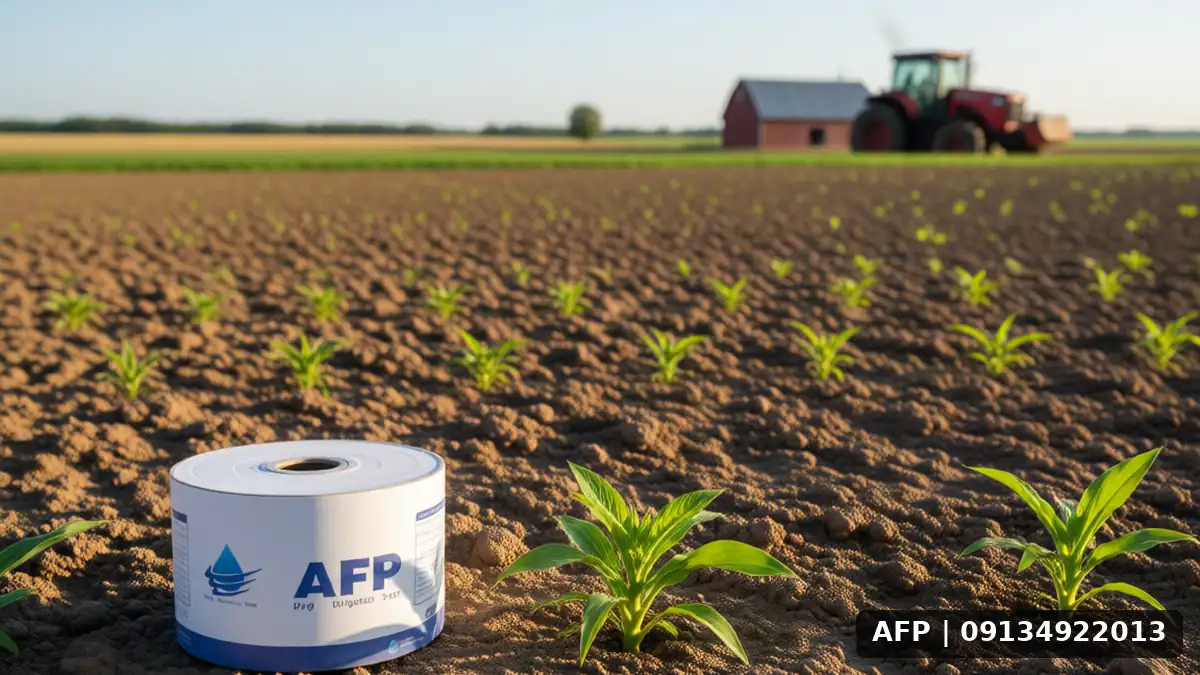
Using appropriate filters (disk or quartz) and employing clarified water. This optimization helps prevent expensive repair costs and reduces the need for frequent system flushing, which itself saves time.
Final Summary
Selection of Subsurface Irrigation in spinach cultivation is a long-term investment decision. Cost-optimization is achieved when you maximize overall system efficiency while reducing losses and operational costs. Given spinach’s sensitivity to salinity and need for consistent moisture, this system can also enhance crop quality and justify a higher selling price. Always conduct a cost-benefit analysis (CBA) based on local climatic conditions and the farm’s energy costs before finalizing the budget, and do not compromise on the quality of polyethylene pipes.