Subsurface Irrigation in Sorghum Cultivation: Key Considerations
Introduction to Subsurface Irrigation in Sorghum Cultivation
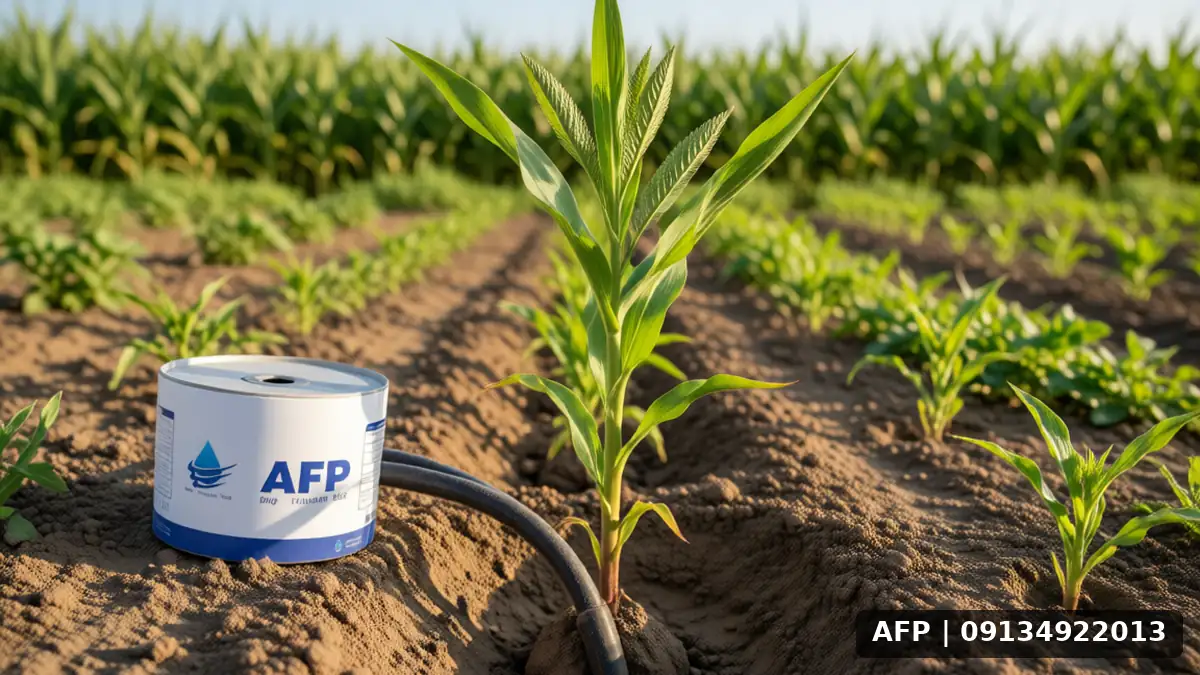
Sorghum is one of the most drought- and heat-tolerant crops grown in many arid and semi-arid regions worldwide. Due to its relatively high final water consumption, selecting an appropriate irrigation method can significantly impact yield, crop quality, and farm profitability. Among these methods, subsurface irrigation is recognized as one of the most efficient techniques for reducing evaporation and improving water use efficiency.
In conventional methods, a significant portion of applied water is lost due to direct evaporation from the soil surface and surface runoff. In subsurface irrigation, water is supplied directly via buried pipes within the root zone. This ensures that moisture is distributed primarily at soil depth, allowing plant roots to access water uniformly. This method not only reduces total water consumption but also enables more precise control of plant chemical nutrition.
This article examines key aspects of subsurface irrigation for sorghum, from technical principles to practical tips and answers to common farmer questions. By studying this guide, you will be able to plan and implement an efficient subsurface irrigation system for your sorghum crop. This method is particularly beneficial for farms in climates with water scarcity and high temperatures.
For a better understanding of the general fundamentals of advanced irrigation systems, you can study the guide on underground irrigationReview the general principles first, then proceed to the specific details for sorghum cultivation.
Technical principles of sub-surface irrigation for sorghum
Pipe types and installation depth
Selecting the appropriate pipe type for sub-surface irrigation in sorghum is critical. Polyethylene pipes of various diameters (e.g., 16, 20, and 25 mm) can be used depending on the system pressure and plant spacing. Pipe installation depth is typically between 15 and 30 cm in the soil, determined by the depth of sorghum root penetration and soil conditions. In soils with greater root spacing, the installation depth may be increased.
Dripper spacing and flow rate
Dripper spacing is a vital parameter affecting water distribution uniformity and water control within the root zone. For sorghum, spacings of 20 to 30 cm are generally suitable. Dripper flow rate must be adjusted according to the plant’s water requirements at different growth stages. Lower flow rates may be sufficient at the beginning of the growing season, while higher rates are recommended during peak growth and grain formation. Precise adjustment of flow rates and spacing prevents soil damage and reduces pumping energy costs.
Chemical fertilizer management
One of the significant advantages of subsurface irrigation is the ability for fertigation (nutrient delivery through water). In this method, chemical fertilizers are delivered directly to the plant root zone via the irrigation system. This improves nutrient uptake, reduces fertilizer leaching, and increases economic efficiency. To plan fertilization correctly, you can use the comprehensive guide to Fertilizer application rate per hectare to calculate appropriate dosages for your field conditions.
Key design and implementation tips for the system
Assess soil and water conditions
- Soil analysis: Evaluate soil texture and permeability before installation. Compacted soil requires deeper installation depth, while very heavy soils may require higher flow rate adjustments.
- Water quality: If the water supply is muddy or contains high levels of suspended solids, a more robust filtration system is required. Clogging of emitters is the greatest challenge for subsurface systems.
- Field slopes: On farms with steep slopes, the use of pressure-compensating devices and precise flow control of emitters is essential to maintain uniform water distribution.
Managing Evaporation and Humidity
Because subsurface irrigation directly prevents evaporation, it keeps soil moisture at the surface dry and controllable. These conditions are ideal for agricultural operations such as spraying and identifying foliar diseases, as the dry surface prevents the moist environment that bacteria and fungi need to thrive. Consequently, this method indirectly helps increase yield and reduce crop loss from pests and diseases. For more information on general irrigation management principles and their impact on yield, you can refer to the guide on Key Considerations in Drip Line Layout which covers basic concepts of water control and moisture distribution.
Maintenance Planning
Subsurface systems are more difficult to access when problems occur due to their depth. Therefore, a long-term and precise schedule for regular flushing and periodic inspection of filters, valves, and emitters is of paramount importance. Any early malfunction must be identified and resolved quickly to prevent the problem from spreading throughout the entire system.
Practical Tips for Farmers
Best Time to Plant Tubing
Installation of subsurface irrigation tubing must before sorghum planting be carried out. This ensures that the crop has adequate water access during its initial growth stages. If sorghum is planted in large fields, mechanized tools can be used to plant seed and tubing simultaneously to increase installation speed and uniformity.
Integration with Drip Tapes
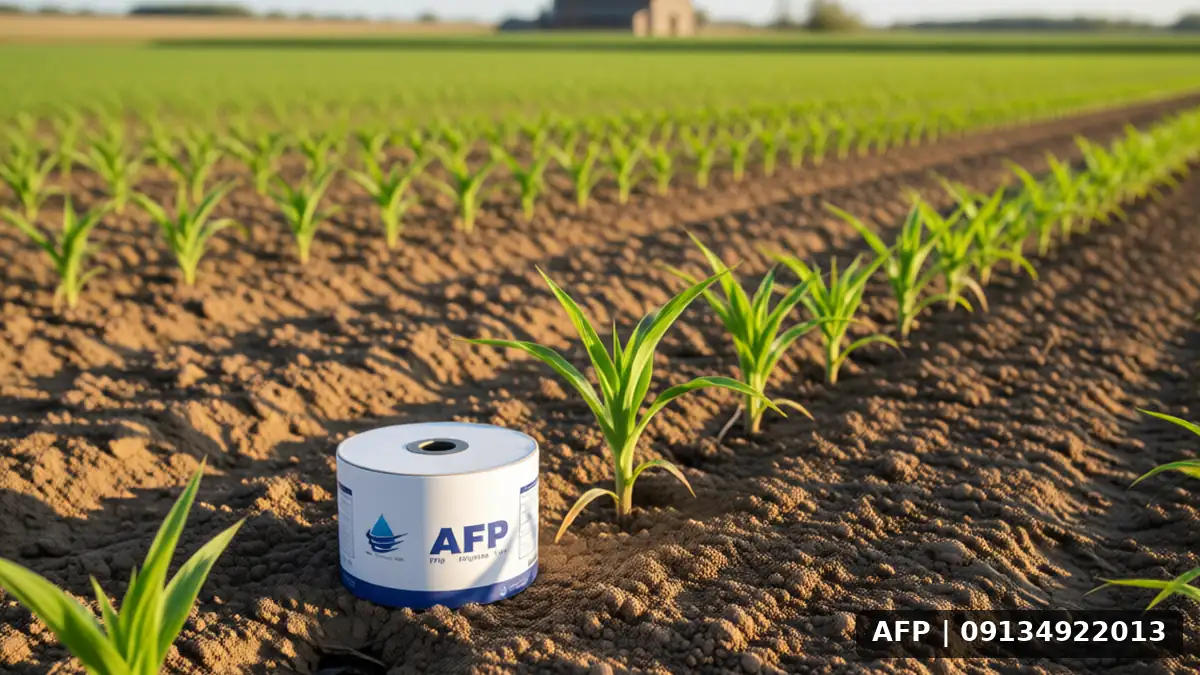
In some combined irrigation systems, a main and subsurface pipe is used to control moisture at depth, while a surface drip line is used to supply water during seasons with very high water demand. This combination can capture the advantages of both methods. For a better understanding of how drip lines work and their design principles, study the drip line production line can be helpful in selecting high-quality components suitable for your farm conditions.
Pest and disease management
Subsurface irrigation helps create a drier environment at the soil surface, which is a key factor in reducing the spread of fungal diseases. However, if the soil surface remains moist, avoid spraying pesticides and performing early physical operations to prevent soil compaction. To ensure that controlled moisture at depth improves product quality, you can refer to forage sorghum yield metrics (considered as a similar crop to sorghum) and strategies to increase its productivity.
Frequently Asked Questions (FAQ)
Is subsurface irrigation economically viable for sorghum?
Yes, although the initial cost of a subsurface system may be slightly higher than surface drip irrigation, the reduction in water consumption, improved fertilizer efficiency, and lower pumping energy costs generally lead to increased long-term profitability.
What is the optimal depth for installing sorghum lateral pipes?
A depth of 15 to 30 cm is typically recommended. This depth ensures access to the plant’s main roots while protecting the pipe from direct damage caused by tilling and fertilization.
What are the common problems associated with subsurface systems?
The most critical issues include emitter clogging due to sediment or algae, soil intrusion into the pipe, and reduced flow in areas with bidirectional manifold fittings. To prevent these problems, using precision filters and performing regular flushing is essential.
Can subsurface systems be combined with drip tape?
Yes, in large fields or where water demand is high, combining these two systems can improve moisture control at both soil depth and surface, increasing overall efficiency. For selecting appropriate components, knowledge of rainfed grain yield and strategies to improve efficiency in arid regions can assist in selecting the appropriate system type.
Conclusion
Subsurface sorghum irrigation is a strategic solution for farmers seeking to increase water use efficiency and reduce costs. By delivering water directly to the root zone, this method significantly reduces evaporation and enables more precise control of nutrient and moisture levels. By considering key factors in design (depth, spacing, flow rate), implementation (planting, installation), and maintenance (flushing, inspection), your farm can benefit from this advanced system.
It is recommended to evaluate your farm regarding soil, water, and climatic conditions before commencement and to consult with specialists if necessary. With this method, not only will your farm’s productivity increase, but your contribution to conserving water resources will also be maintained. This approach is a prudent investment for the future sustainability of your farm.