Subsurface Irrigation in Rye Cultivation: Key Advantages
Introduction to the Importance of Water Management in Rye Cultivation
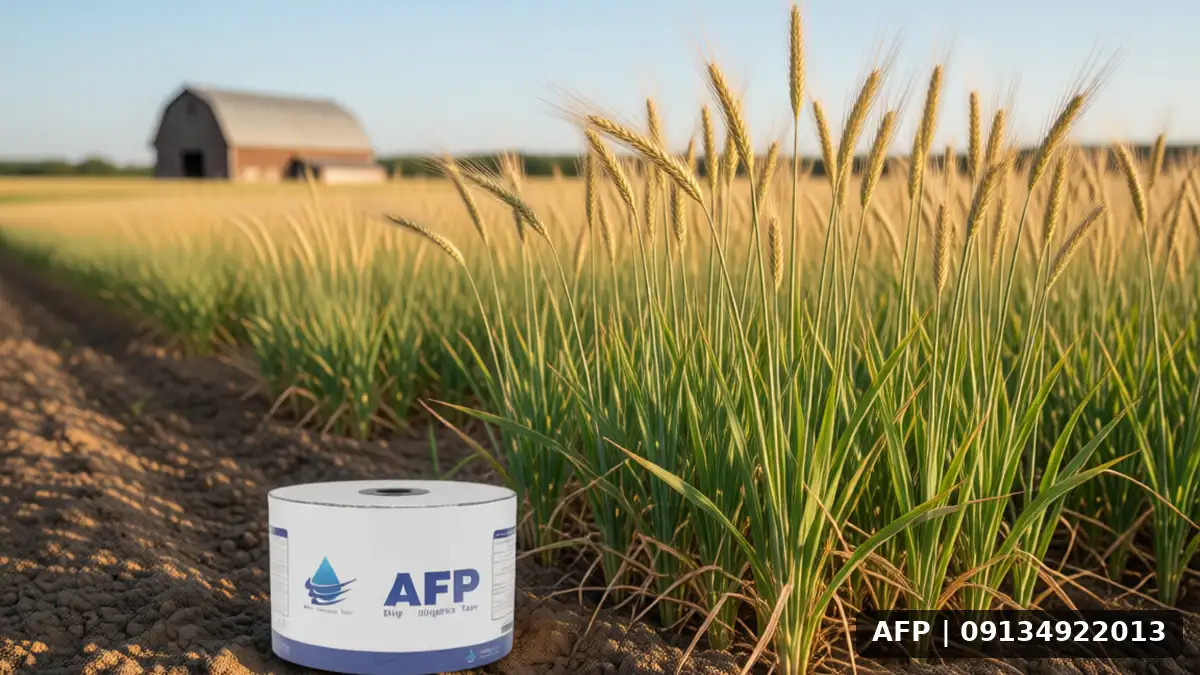
Rye is one of the most important oilseeds, and its cultivation in various regions is accompanied by climate-related challenges. One of the most critical needs of this plant is ensuring adequate moisture during sensitive growth stages. Conventional irrigation methods, which are often performed on the surface, can lead to soil erosion, weed growth, and excessive water evaporation from the soil surface. In contrast, Subsurface irrigation has established a unique position in modern agriculture as an advanced technology. This method delivers water directly to the root zone, not only increasing water resource efficiency but also providing optimal environmental conditions for uniform rye growth. The following section examines the technical details and operational advantages of this method. For a better understanding of how to effectively implement irrigation systems in various farms, we recommend studying the article on the AFP L-rye drip tape to gain a better understanding of modern technologies.
Technical and Environmental Benefits of Subsurface Irrigation in Rye
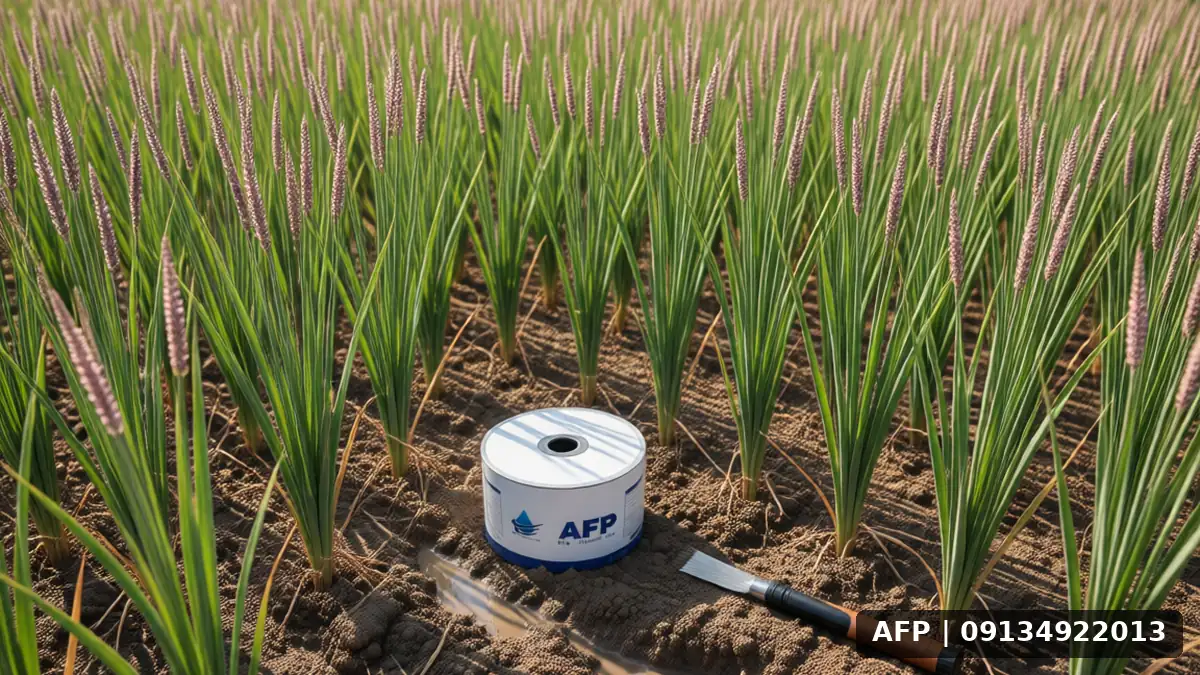
The benefits of this method extend beyond water savings. When water is directed from subsurface lines directly toward the roots, the soil surface remains in a relatively dry state. This directly reduces weed growth, as many weeds require surface moisture for germination. Additionally, from a phytopathology perspective, keeping the soil surface dry prevents the spread of fungal diseases and neck rots, which thrive under conditions of continuous surface wetness. This environmental control directly improves overall plant health and reduces the need for chemical pesticides, which is another hidden advantage of this method. Furthermore, by preventing the formation of a compact layer on the soil surface due to water flow in subsurface layers, the soil structure is preserved for years, significantly improving long-term infiltration. This soil sustainability also directly enhances moisture retention capacity for future drought periods.
Reduced Evaporation and Increased Hydraulic Efficiency
In subsurface irrigation, the surface area where water contacts the open air is minimized. This leads to a significant reduction in evaporation, particularly during warm seasons when oats are in the flowering and grain-filling stages. By accurately calculating water requirements, resource waste can be prevented. It is recommended to refer to the guide study for more precise calculations of these quantities. How much drip line per hectare Consult this reference to establish a scientific basis for designing your system. This reference to basic calculations helps estimate the required tank volume and flow rate more accurately. Additionally, the absence of water loss due to reduced deep percolation and temporary water accumulation at root depth ensures that every unit of water consumed is directly available to the plant, maximizing irrigation efficiency (LE). This provides a significant competitive advantage for farmers in water-scarce regions with limited water resources.
Impact on Root Growth and Nutrient Uptake
One of the key benefits of subsurface irrigation is creating a stable ‘water front’ at root depth. This condition causes rye roots to move deeper during their natural contraction process in search of water. This process, in turn, leads to more extensive rooting and an increase in active root volume. When roots are positioned deeper, access to nutrients such as potassium and calcium, which typically accumulate in lower soil layers, is improved. Consequently, the final quality of rye grain in terms of oil and protein content is also enhanced. This deepening of roots also increases the plant’s resistance to early water stress. Plant regulatory mechanisms for accessing water from various depths result in a more extensive root network, which significantly strengthens the plant’s ability to cope with short-term drought periods. Fertigation is also performed through the same subsurface zones in this system, doubling the efficiency of nutrient uptake.
Practical Points in the Installation and Implementation of Subsurface Systems
To benefit from the aforementioned advantages, proper execution of the system is essential. Subsurface drip lines must be installed at specific distances from the lateral roots of the crop plants. The conventional distance is typically between 10 and 15 cm. The installation depth must also be within the range of the lateral root zone. The main risks include the clogging of drip line emitters by suspended particles or sediment inside the pipe. Therefore, a robust filtration system and regular maintenance are top priorities. To familiarize yourself with these processes, read the article on drip line maintenance and costs, which covers key sections of the system lifecycle. Additionally, selecting the appropriate pipe material (usually polyethylene with specific density) to prevent root intrusion into the pipe and maintain stable flow rates throughout the season is a critical point that should not be overlooked. The use of laser-perforated pipes with uniform distribution ensures that all plants in the row receive similar moisture levels.
- Accurate field mapping and determination of distances between poles.
- Regulating the system input pressure (usually between 2 and 4 bar depending on soil conditions).
- Monitoring the uniformity of water discharge along the lines.
- Conducting an initial test with water and checking for leaks at blind points.
Determining water requirements in different seasons.
The water consumption share of each growth phase of oats varies. The vegetative stage requires less water, while the tillering and flowering stages exhibit high sensitivity to moisture stress. In conditions where temperatures rise, the plant transpiration rate increases. Using soil moisture sensors at different depths helps farmers determine the precise irrigation timing without deficit or surplus. As a complementary reference for basic calculations, you can consult the guide for Quinoa seed rate per hectare Review this as well, as it follows similar principles in estimating crop water requirements. These comparisons help optimize consumption patterns for various species. Scheduling irrigation based on soil moisture rather than a fixed calendar reduces water consumption by 20 to 30 percent and prevents crop water stress.
Frequently Asked Questions (FAQ)
Is the initial cost of subsurface irrigation too high?
Although the initial installation cost of underground piping is higher than surface hoses, the return on investment typically occurs within 3 to 5 years, considering the system’s long useful life, lower water consumption, reduced labor, and increased crop yield. This payback period is acceptable for commercial farmers. Additionally, reduced machinery wear due to fewer mechanized field operations is a significant cost factor in this analysis.
Is this method suitable for heavy and clay soils?
For clay soils with low permeability, the system design must be more precise to prevent waterlogging of areas around the pipes. In this case, using smaller diameter strips and closer spacing is recommended. Irrigation durations should also be shorter with more frequent applications. If surface waterlogging is observed, the system pressure should be reduced or the system divided into two filter zones.
Summary
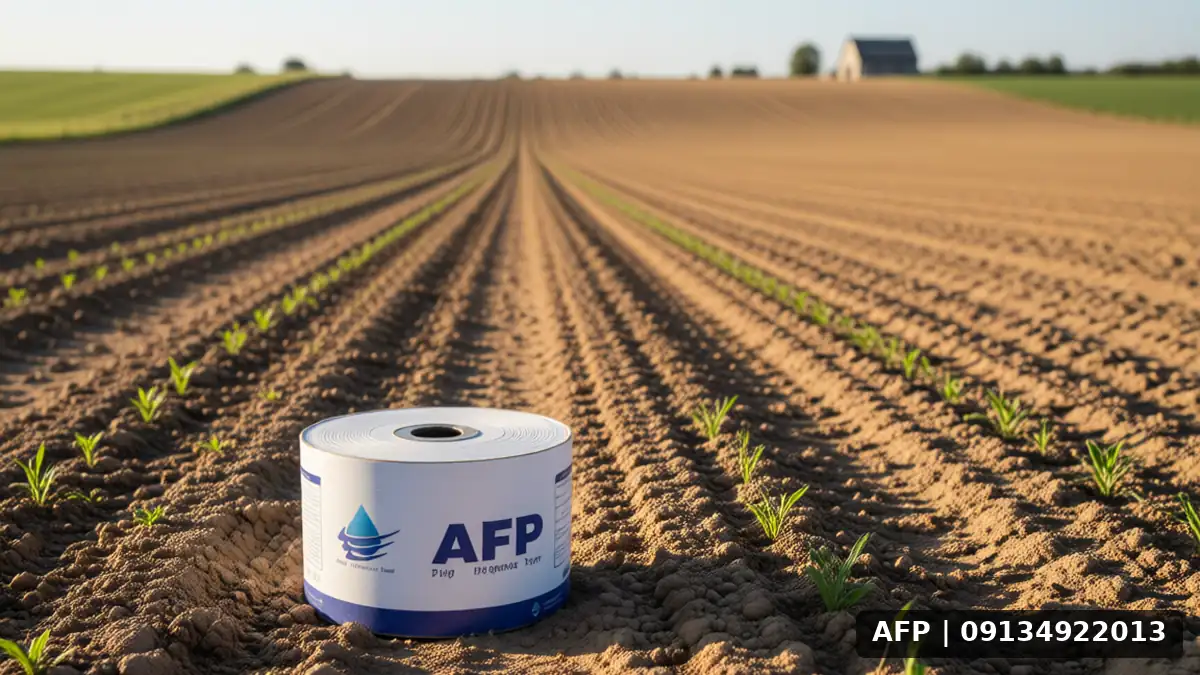
Transitioning from conventional irrigation methods to subsurface irrigation for rye is a strategic step to ensure crop quality and quantity. Its numerous benefits, such as weed control, prevention of fungal diseases, and root system engineering, offset the financial risk and initial installation effort. By considering the technical points provided and consulting with specialists, you can elevate your farm’s productivity to a high level. Familiarizing yourself with the cultivation of other grains like quinoa seeds per hectare can broaden your perspective on intercropping systems and provide a more comprehensive understanding of resource management on farms. Investing in this technology is, in fact, an investment in the future of sustainable agriculture.
Related articles: Drip irrigation strip D981D98A Kirkuk