Subsurface Irrigation in Onion Cultivation: Key Optimization Points
Introduction to Subsurface Irrigation for Chives
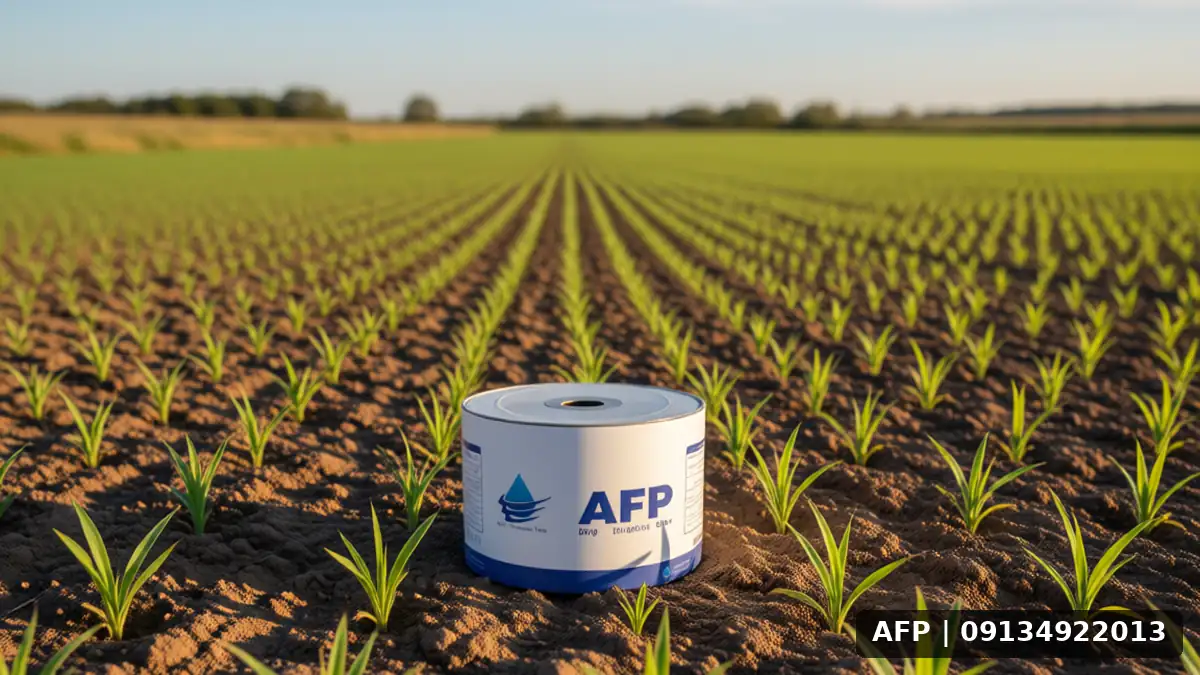
Due to the high sensitivity of chive roots to water stress and their continuous need for uniform soil moisture, the crop is considered one of the most challenging plants in water resource management. The use of subsurface irrigation systems, specifically tape lines that deliver water directly to the root zone, can significantly reduce evaporation losses and surface moisture damage while optimizing water use efficiency. This article comprehensively examines the technical principles, installation considerations, and solutions for common faults in this method for chives, enabling farmers to utilize this technology with greater precision.
Tape drip systems, typically placed beneath the soil surface at depths of 10 to 20 centimeters, play a pivotal role in this system. For chives, which have shallow, fine, and extensive root systems, the depth of the tape line must be carefully designed to prevent physical root damage during planting and agronomic operations. Additionally, attention to the material of the tape and its resistance to soil pressure and acidity is a fundamental element of success for this method.
Technical Principles of Subsurface and Tape Drip Irrigation
Difference between Drip and Subsurface Tape Irrigation
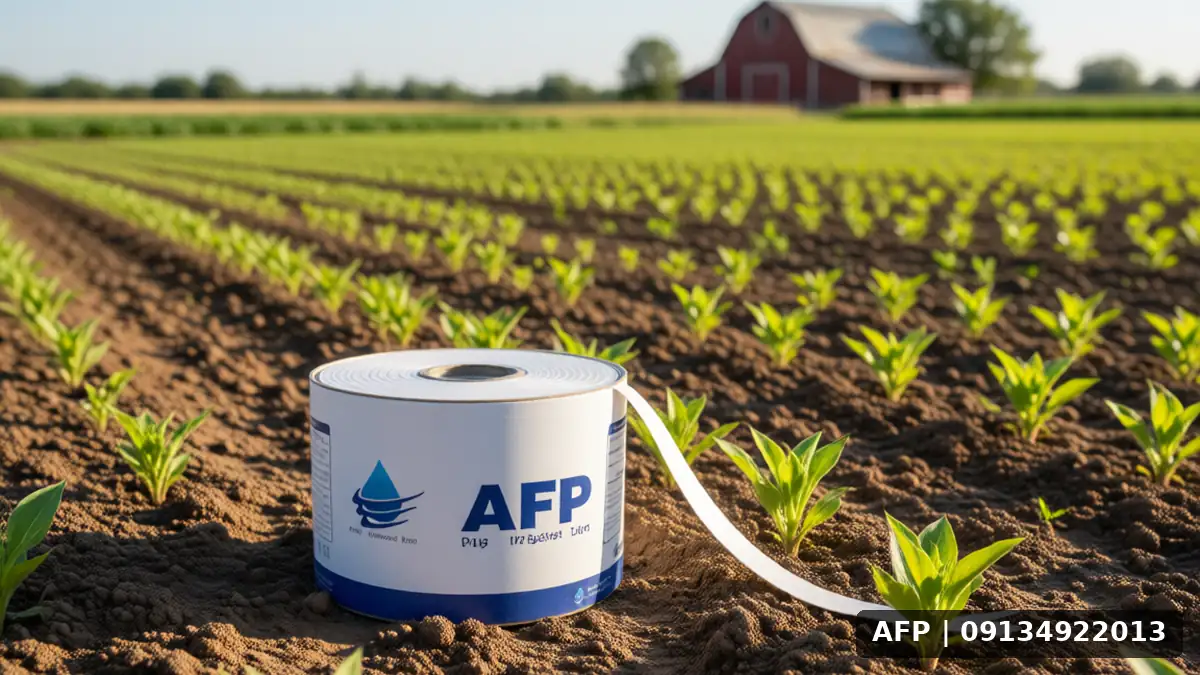
Conventional drip irrigation is usually implemented on the soil surface or slightly above it, whereas in the subsurface method, the lines Drip emitters or tip-emitter tapes are installed within the soil. This reduces surface vapor pressure, causing soil moisture to move gradually and evenly toward the roots. For green onions, this prevents rot in the lower stems that are exposed to surface moisture and susceptible to fungal and blight diseases, while promoting more uniform plant growth along the row. Another important consideration is the reduction of losses caused by wind and direct solar radiation, which are significantly more severe in surface irrigation methods.
Key points for green onions
- Installation depth: The tip-emitter tape should be installed at a depth of 8 to 12 centimeters below the soil surface. Greater depths make water unavailable to green onion roots, while shallower depths lead to runoff and resource waste. Precision in this depth directly affects final yield and must be adjusted based on soil type and regional climate.
- Distance between tapes: Based on stem arrangement, the distance between two tapes is usually equal to the row spacing. For green onions, due to root density, it is recommended to use high-flow tapes and a greater number of tapes per row to ensure complete root coverage. This promotes uniform plant growth within a row.
- Root zone: Since onions have radial roots, the drip tape must pass from the root side (not under the stem) at the calculated angle to prevent root damage during mechanized operation. This is critical for long-term plant health and must be considered in the initial system design.
Practical installation and maintenance tips
Bed and soil preparation
Before planting, the soil structure must be suitable. Clayey or hard soils do not compact well and can clog the drip tape. It is best to use the tips from before purchasing irrigation drip tape. For onions, if the soil is heavy, it is recommended to place the drip tape on a lighter base (such as straw or peat moss) to prevent root suffocation. This is particularly effective in areas with heavy rainfall and reinforces the need for soil amendment before installing the irrigation system.
Irrigation strategies
- Flood irrigation (at the start of cropping): Use lower pressure and shorter duration to create uniform moisture in the root basin. This encourages young roots to move toward the drip tape and establishes better contact with the irrigation system. At this stage, the primary goal is to stimulate root initiation.
- Staged Irrigation (Green Onion Growth Phase): As the nutritional requirement increases, the frequency of irrigation should decrease while the volume per application should increase. Continuous monitoring of soil moisture is essential at this stage to prevent root saturation. Precise pressure settings must also be adjusted according to ambient temperature.
- Final Staged Irrigation (Fruit Development): Gradual reduction of water to prevent fruit rot and enhance flavor and nutrient concentration. This stage requires high precision in timing the cessation of irrigation and must be accompanied by observing visual plant cues.
Resolving Common Issues
One of the biggest challenges in subsurface irrigation for green onions is the clogging of drip line emitters by fine soil particles. For green onions cultivated in clay soils, employing measures to clear drip line blockages is critical. Regular system flushing and the use of appropriate filters before water enters the drip lines effectively address this issue. Additionally, periodic inspection of the lines for signs of blockage can prevent total system failure. If a decrease in water output from emitters is observed, the system must be inspected immediately to avoid crop damage.
Frequently Asked Questions (FAQ)
Is subsurface irrigation better than surface drip irrigation for green onions?
Yes, in terms of water consumption and surface moisture control, subsurface irrigation (using drip tape) is more beneficial for green onions. This practice reduces the risk of pests and diseases caused by high surface humidity. However, it requires more precise installation and incurs higher costs, which are offset in the long term by increased yields. Additionally, the depth of the drip tape must be precisely calibrated to prevent interference with the delicate root system of green onions.
How can we ensure appropriate pressure for green onions?
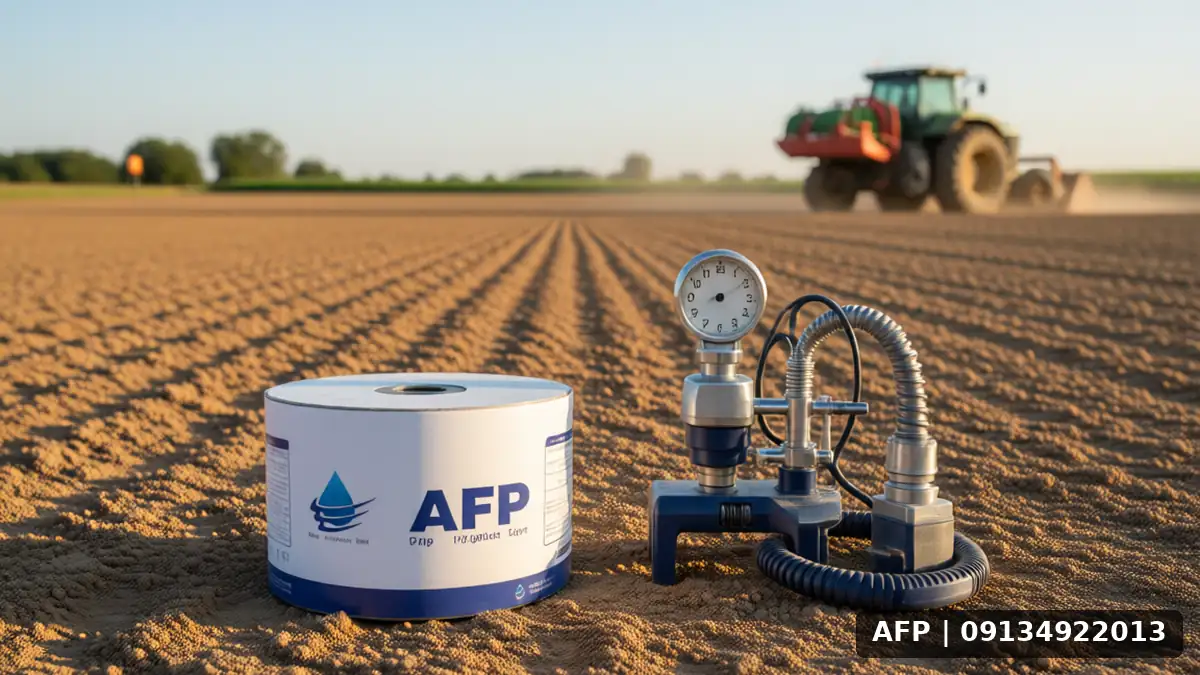
By using fertilizer dosage per hectare and considering soil type, it must be calculated. High pressure causes moisture to reach the roots in excess, leading to rot. Therefore, precise adjustment of the inlet pressure to the drip tape is key to success. Monitoring pressure with a manometer at various points along the line is also recommended to guarantee uniform water distribution.
Can standard drip tape be used for green onions?
Standard drip tapes may not be compatible with the planting density of onion sets and their weak root systems. It is recommended to use a type specifically designed for vegetables, featuring smaller emitter holes and closer spacing between emitters. These tapes typically have a root-resistant protective layer, which increases the system’s useful life and prevents tape tearing by roots. Correct selection of this component is essential for successful onion set cultivation.
Summary and Final Recommendations
Implementing subsurface irrigation for onion sets requires engineered design, precision in installation depth, and continuous system monitoring. By adhering to the mentioned technical guidelines, water consumption can be reduced and yields improved in the face of climatic fluctuations. It is recommended to consult on site-specific conditions before purchasing equipment. For a better understanding of drip systems, you can review sub-surface drip systems in Kirkuk to become aware of the variety of available products. Success with this method requires great effort and precision in all stages, from soil preparation to harvest. Additionally, studying the comprehensive guide drip tape for celery can provide deeper insight into spacing and key watering points for root vegetables. Please note that cure per hectare also relies similarly on precise water and seeding management; therefore, simultaneous optimization of all parameters is the key to achieving maximum economic yield. By following these principles, you can reduce the environmental and financial risks associated with onion set cultivation and supply healthy, high-quality produce to the market.