Subsurface Irrigation for Okra Cultivation: Benefits and Key Considerations
Introduction to Jute Irrigation Challenges
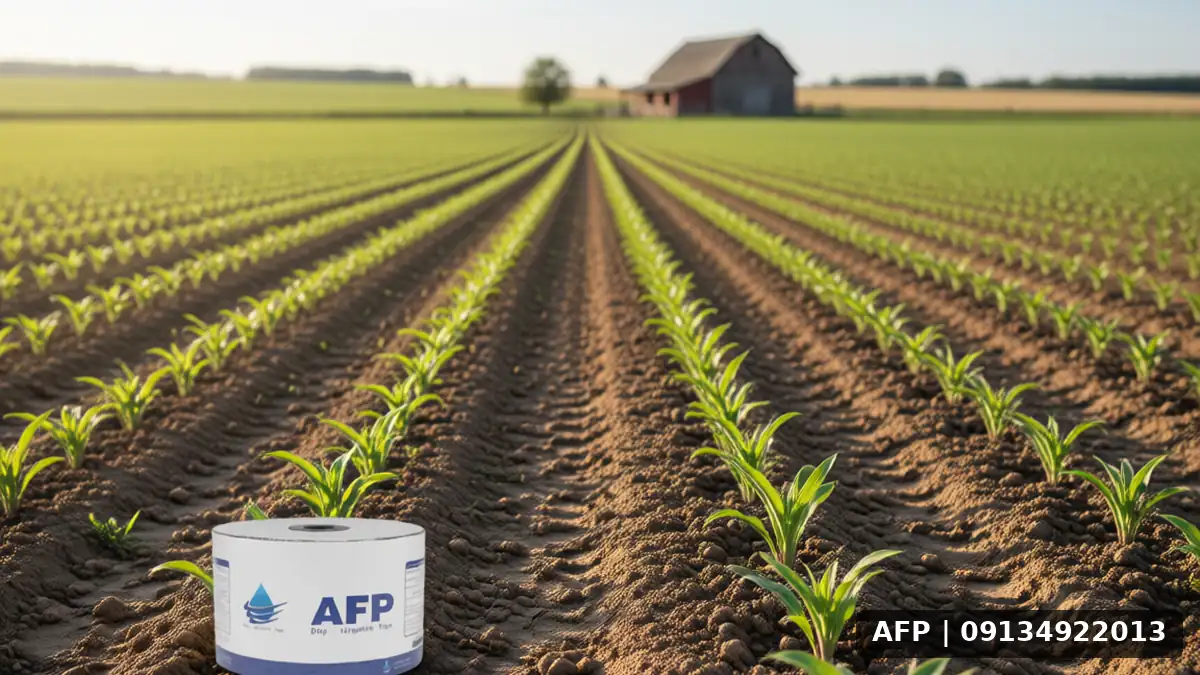
Jute is one of the high-value and expensive crops in the agricultural sector, requiring suitable water and soil conditions. Traditional irrigation methods, such as basin irrigation, not only reduce efficiency but also cause surface soil salinization and increase energy costs. In this context, Subsurface irrigation has attracted significant attention from farmers as a novel solution. By delivering water directly to the roots, this method addresses the environmental and economic challenges of jute cultivation. Below, we examine the benefits and principles of properly implementing this system.
Scientific Principles of Subsurface Irrigation in Sandy and Loamy Soils
Subsurface irrigation operates by delivering water through plastic tapes with small holes at a soil depth of approximately 30 to 50 centimeters. This depth aligns precisely with the main root zone of jute. Unlike surface drip irrigation, water seeps more slowly in this method, keeping soil moisture stable. For farmers dealing with heavy loam soils, using seed quantity per hectare as a companion crop or alternative to jute can be a good combined strategy, although our primary focus remains on jute itself. This method is considered a breakthrough, especially for farmers facing issues with low water infiltration in the soil.
Key benefits of subsurface irrigation for bamboo
The advantages of this technology go beyond water savings. Below are the primary benefits for the farmer and the land:
- Reduced evaporation: Since water is applied directly below the soil surface, a significant portion of evaporation (which can reach up to 40% for bamboo) is eliminated.
- Prevention of salinization: Water movement from the root zone upward and the leaching of salts from the soil minimize the risk of salinization, which is critical for bamboo.
- Improved soil stability: Okra roots grow best in a stable, moist environment, which promotes uniform and stronger stem and seed development.
- Reduced damage from wind and dust: Dry soil surfaces are less prone to ignition, and windblown debris causes less damage to the ground.
Practical considerations for system design and installation
To get the most out of subsurface irrigation, it is essential to understand the operational principles. The first and most important factor is selecting the appropriate pipe depth. The ideal depth should be determined based on soil type (sand, loam, silt). Subsequently, the design of the network system requires careful attention. For example, if you need to combine irrigation methods across multiple fields, you can use strip width in bean cultivation Use this as a reference for spacing between tapes; exact dimensions will vary for okra. The key steps are outlined below.
- Soil inspection and measurement: Before installation, consult an irrigation specialist to determine the appropriate root depth for okra in your region.
- Selecting the appropriate tubing: Use polyethylene tapes with a wall thickness of 25 to 50 microns. Thinner walls are less prone to clogging but come at a higher cost.
- Getting started: Lay the tapes completely straight without excessive curvature and secure them to the specified depth with appropriate tension.
- Pressure and flow test: After installation, test the system at a lower pressure head (minimum 5 meters) to ensure there are no leaks and that flow rates are uniform.
- Starting irrigation: Once the system is stabilized, start with a low flow rate to allow roots to gradually enter the wetting zone.
Impact of Subsurface Irrigation on Mung Bean Yield and Quality
One of the primary reasons for adopting this method is increased yield. Mung beans grown under subsurface irrigation conditions generally perform better in terms of seeds per pod and thousand-grain weight. In this context, comparing with other grain crops is useful. For example, if you use a specific seeding rate of paddy rice per hectare in another section of your farm, it helps you better understand the water consumption per hectare. Mung bean is more drought-tolerant than many other plants, but consistent subsurface moisture is optimal. Additionally, this method makes it easier to control fungal diseases, which often spread through surface water. The table below presents a summary of the comparison between subsurface and conventional irrigation.
Frequently Asked Questions (FAQ) About Subsurface BAMIAH Irrigation
Is subsurface irrigation suitable for all soil types?
No. This method is better suited to loamy and heavy soils (with low permeability). In very heavy clay soils, water may not move properly through the lines and could clog.
How do I detect and clear blockages in subsurface drip lines?
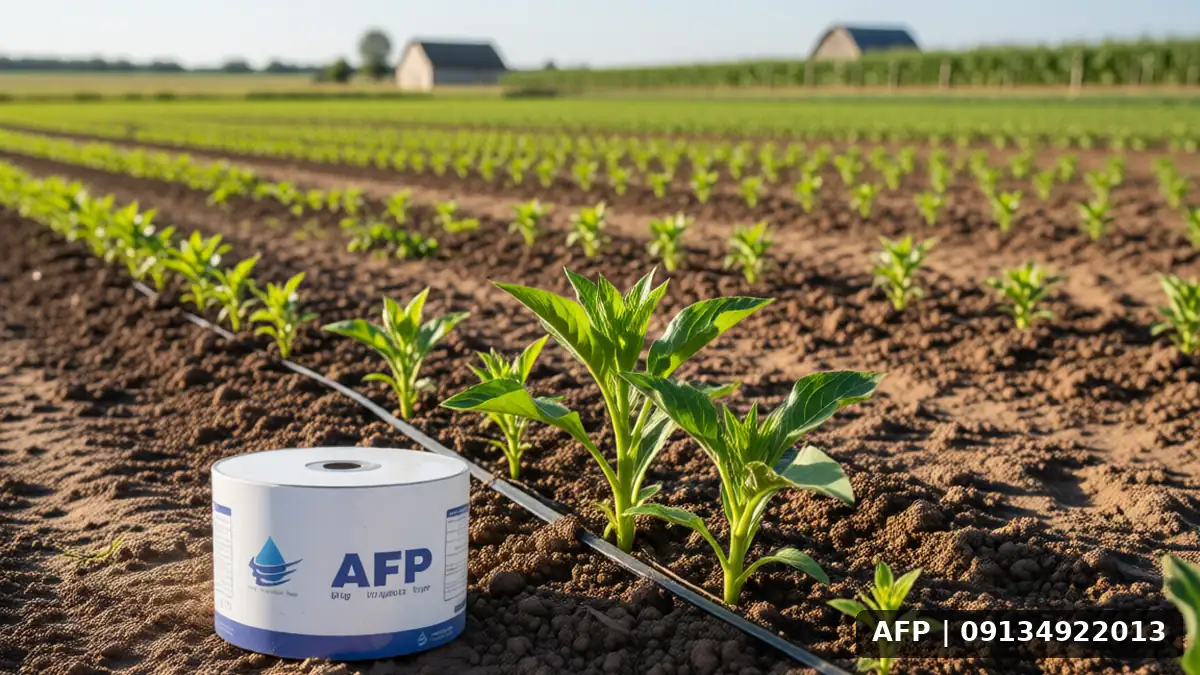
If you observe a section of the drip line not delivering water, it may be clogged with calcium deposits or sand. Flushing at low pressure and using citric acid or descaling agents can resolve the issue. In this regard, reading the sections related to Drip irrigation benefits can help you better understand various drip lines.
What is the installation depth of the lines in centimeters?
The ideal depth for burying is usually between 30 and 50 centimeters. This depth must be adjusted based on root location and soil type. In sandier soils, consider a greater depth.
What pressure is required for a subsurface system?
The required pressure is moderate. Usually, a pressure of 3 to 5 bar is sufficient. Excessive pressure may cause the lines to rupture or wash soil particles away from around the emitters.
Is the initial installation cost high?
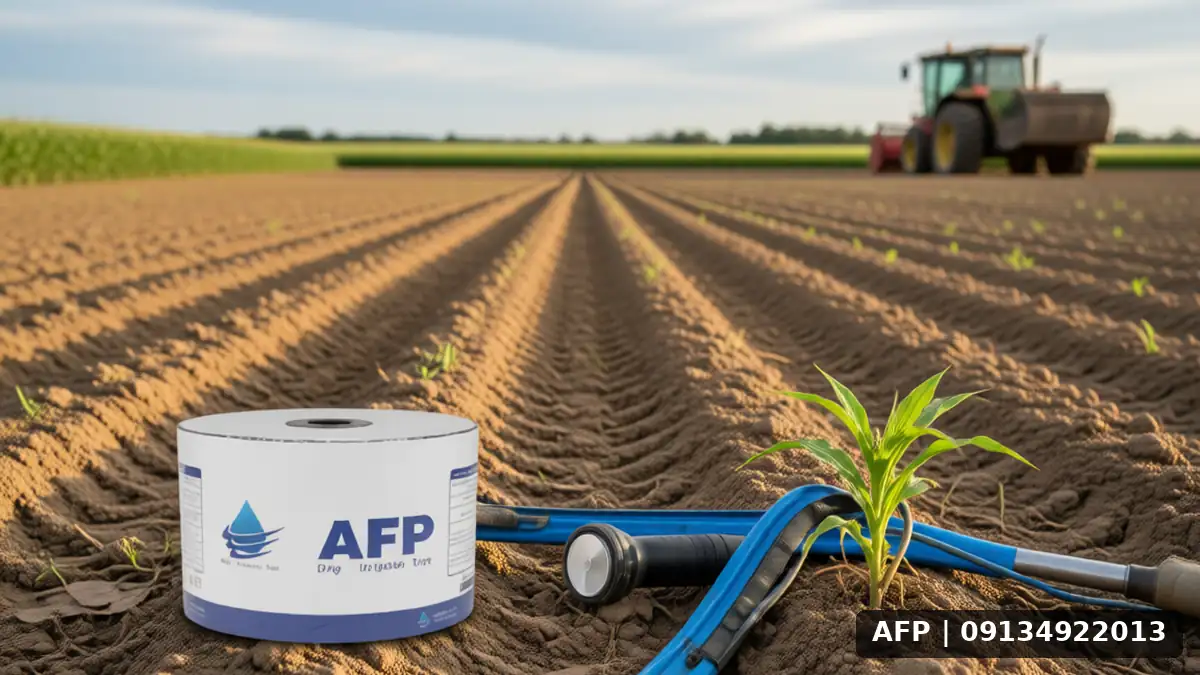
Compared to drip irrigation, the cost of lines may be lower, but the cost of excavation and soil redistribution for placing the lines at depth is higher. However, in the long term, the investment is financially profitable due to savings in water and energy.
Summary and final recommendations
Use of subsurface irrigation in okra cultivation is an important step toward sustainable and more cost-effective agriculture. By considering the benefits of reduced evaporation, salinity control, and soil stability, this method can significantly increase your yield. The key is a proper understanding of soil type and plant type. Also, focus on optimizing your farm’s crop mix, such as using crops with similar water requirements. Learn more about lentil yield per hectare It can help you better understand the yields of crops under similar conditions. Ultimately, always consult with an irrigation specialist to ensure your system is installed and set up optimally. Smart and sustainable agriculture is the result of understanding scientific principles and executing them correctly.