Subsurface Irrigation for Lettuce: Comparison and Key Efficiency Tips
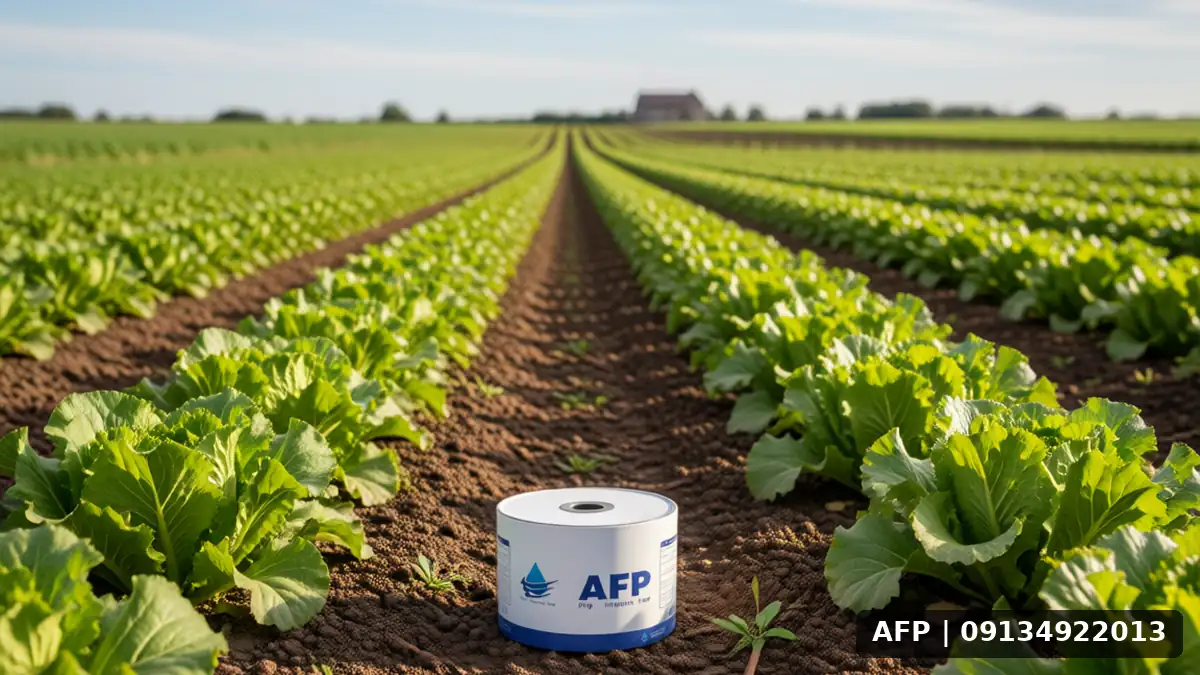
Subsurface irrigation in lettuce cultivation is one of the most innovative water management methods in the vegetable industry, attracting significant attention from modern farmers in recent years. Unlike conventional methods where water is applied at the soil surface, this system injects water directly through polyethylene lines or permeable materials at the root zone depth (usually 15 to 30 centimeters). This approach not only maximizes irrigation precision but also has highly valuable side effects on lettuce plant health, which will be compared with other methods such as drip irrigation below. This technology allows the farmer to inject water and nutrients exactly where the roots need them, preventing resource waste in inactive soil sections. Therefore, a deep understanding of the operational mechanisms of this system is crucial for making correct decisions in lettuce farms.
Comparison of Subsurface Irrigation with Surface and Tipped Belt Methods
For a deeper understanding of the benefits of subsurface lettuce irrigation, it must be compared to the drip-tape method. In the drip-tape system, widely used for irrigating forage corn and other row crops, water is released slowly as narrow bands on the soil surface. Although drip-tape is more efficient than conventional sprinklers, it still wets the soil surface. In contrast, subsurface irrigation reduces plant canopy moisture to near zero. This is biologically critical because many lettuce pathogens, such as crown rot and certain fungal rots, require high ambient moisture above the soil surface to produce spores and infect the plant. Therefore, by transferring water and nutrients below the surface, the root growth space is enhanced and the chance of surface disease outbreaks is reduced. This fundamental difference means that crop management in a subsurface system requires greater precision and care compared to surface systems.
Differences in Water and Nutrient Uptake
One of the key technical advantages of subsurface irrigation is the more uniform distribution of moisture in the root zone. In lettuce, roots are often shallow and mat-like. When water is applied via drip from above, some parts of the soil may remain dry while others become saturated. However, with vertical infiltration of water from specific subsurface points, more regular moisture wedges are formed, and the roots grow towards them. This phenomenon, often referred to as in-soil hydroponics, can also enhance nutrient uptake, especially if used with Subsurface Fertilization the system. In surface methods, the risk of leaching nutrients deeper than needed or their evaporation from the surface is high. As a result, fertilizer efficiency in a subsurface system can be up to 20 percent higher than in surface systems.
Key advantages of subsurface irrigation in lettuce
- Reduction of fungal diseases: Keeping the leaves and plant crown dry inhibits the germination of fungal spores. This is a major strength compared to drip tape, where surface wetting increases the relative humidity around the plant.
- Improved water use efficiency: In hot and dry regions, reducing soil surface evaporation-transpiration, which can be as high as 20-30%, results in significant water savings.
- Reduced weed growth: Because the soil surface remains drier and sunlight does not penetrate deeply, the germination of many weed species is limited, which reduces weed control costs.
However, the disadvantages must not be ignored. Subsurface irrigation has a higher initial cost, and maintaining and cleaning underground pipes is more difficult. Additionally, due to reduced surface soil aeration, the risk of ‘root oxygen deficiency’ increases in clay and heavy soils. If an appropriate DRAINAGE system is not in place, lettuce roots will develop brown lesions under mild waterlogging conditions. Therefore, this system is optimal for farms with loamy-sandy soil and good drainage. Furthermore, precise management of soil salinity is of particular importance in this system, as salt accumulation in the root zone can negatively affect lettuce growth.
Practical Installation and Operation Points
- Line Placement Depth: The optimal depth for lettuce is 15 to 20 cm from the soil surface. Shallower depths cause evaporation, while deeper places the lines outside the primary taproot zone. It must be ensured that the roots do not make direct contact with the pipes.
- Final Fertilization: As with Spring harvest lettuce, nitrogen fertilizers with acceptable permeability should be used to reach the deeper roots. Fertilization in the subsurface system must be very cautious and at low concentration to prevent root burn. The use of high-solubility liquid fertilizers is also recommended.
- Smart systems: Using point soil moisture sensors and programmatic water control is essential. In subsurface irrigation, a failure in an underground emitter or clogging of an infiltration slit cannot be detected externally and may lead to crop unevenness. The use of EC and pH sensors to monitor the quality of water entering the system is also critical.
Frequently Asked Questions
Is subsurface irrigation suitable for all climates?
No. This system performs excellently in arid and hot regions with free-draining soils. In humid areas or heavy clay soils with poor drainage, its use increases the risk of root suffocation. In such cases, combining surface drip irrigation with artificial drainage may be more logical. Additionally, maintenance costs in colder regions increase due to freezing during winter seasons.
What is the best time to start subsurface irrigation for lettuce?
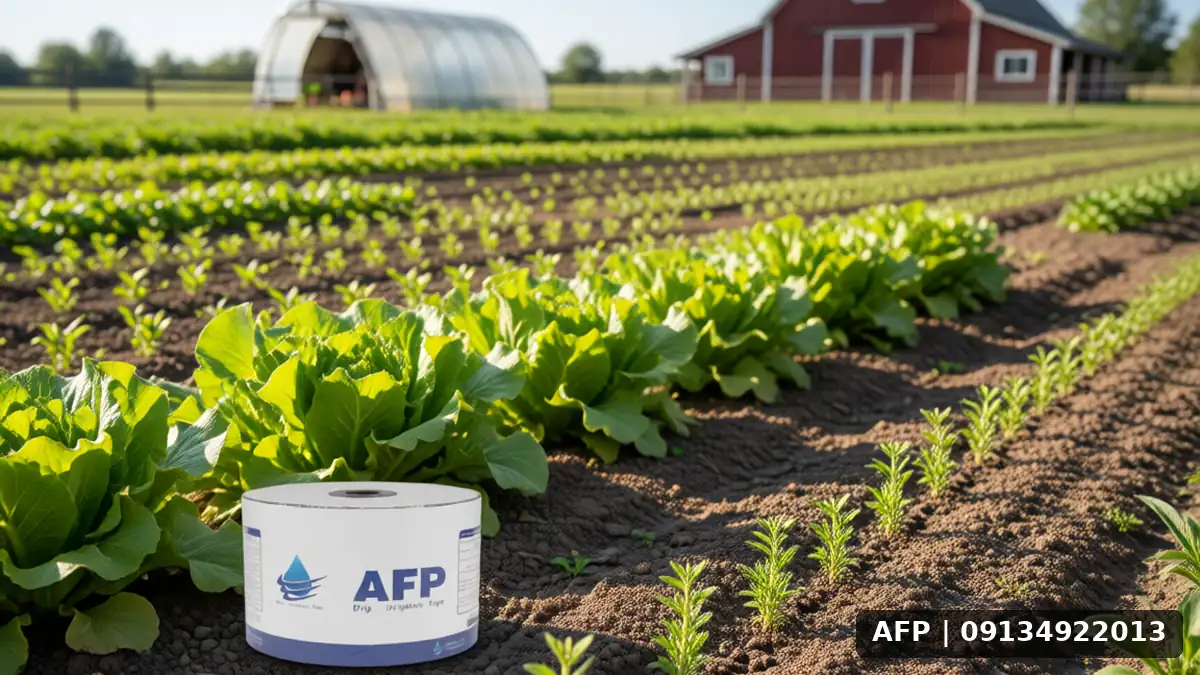
Typically, from the beginning of the seedling stage until about two weeks later, it is better to use temporary surface or rain irrigation to allow the plant to establish roots. Once the plant develops adequate lateral roots, the subsurface system can be activated. Continuing surface irrigation during growth stages causes excessive top growth and reduces leaf quality. Therefore, the correct timing of starting the subsurface system directly affects the final crop quality.
How does the maintenance cost of subsurface drip irrigation compare with conventional drip irrigation?
The installation cost of subsurface irrigation is generally 10 to 20 percent higher than conventional drip systems. However, in the long term, water savings and reduced costs for managing fungal diseases offset this difference. Note that highly precise filtration (200 mesh) is required to prevent clogging of the narrow pores in subsurface permeable media, which represents a fixed monthly cost that is lower in conventional drip systems. Additionally, periodic flushing of underground lines with weak acids is a necessary step that should not be overlooked.
Conclusion
Choosing between subsurface irrigation and conventional drip systems for lettuce cultivation is a goal-based decision. If product quality, rot reduction, and intense water optimization in arid climates are your primary priorities, subsurface irrigation is a strategic investment. However, if you are working with a limited budget and your soil has poor drainage, the conventional drip system remains a more sustainable and cost-effective strategy. Ultimately, accurately understanding the specific needs of the lettuce plant and your farm’s climatic conditions will be the deciding factor in selecting this advanced technology. The proper implementation of either method requires adherence to scientific principles and continuous monitoring.
Related articles: komil rohnomoi lentarii sabzi fosila foyda