Subsurface Irrigation in Garlic Cultivation: Key Considerations and Practical Solutions
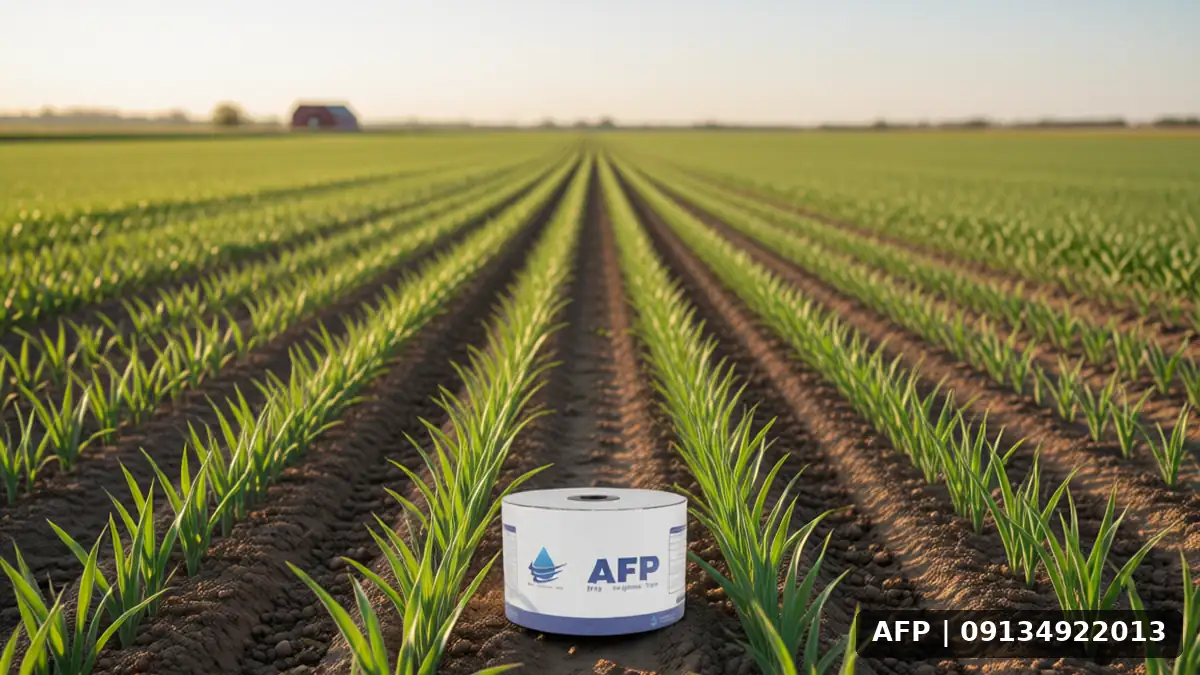
Ramos culture has become a precision irrigation challenge due to its specific need for uniform root-zone moisture and the prevention of fungal diseases, which are exacerbated by surface spray application. Under these conditions, the use of subsurface irrigation for ramos is not only a water-saving method but also the key to producing healthier, higher-quality crops. Unlike conventional methods that cause bulb rot and increase fungal wilts, direct water infiltration into the active root zone maintains soil moisture balance and ensures uniform plant growth. Below, we review the technical details and execution points of this method to prepare you for successful farm management.
Why does ramos require subsurface irrigation?
Ramos is a plant with limited surface root depth, but root distribution at a depth of 20 to 30 cm is highly sensitive. Surface irrigation causes rapid moisture loss through evaporation and increases soil surface salinity. Conversely, subsurface irrigation enables uniform nutrient distribution and minimizes fungal decay by reducing contact between the leaf base and moist soil. This method requires the use of appropriately sized drip tape at low operating pressure to prevent damage to delicate roots.
Key considerations in designing a subsurface irrigation system
Selecting the appropriate installation depth for drip tape
The most critical technical parameter is determining the installation depth of the drip tape. For saffron, a depth of 20 to 25 centimeters from the soil surface is ideal. This depth aligns with the maximum activity depth of lateral roots. Installation deeper than 30 centimeters reduces the absorption efficiency of fine roots, while shallow installation (below 15 centimeters) increases the risk of rapid soil drying. Additionally, ensure the tape strip is positioned at an appropriate distance from the planting row so that water moves directly toward the bulb roots. To better understand material types, you can read the article on the differences between welded and plate-style drip tapes to make a more informed choice for the soil conditions suitable for saffron.
Adjusting Pressure and Emitter Spacing
In subsurface irrigation, the system operating pressure must be between 0.5 and 1.5 pounds per square inch (PSI). Higher pressure causes mechanical stress on roots and damages plant tissue. Emitter spacing should also be set to approximately 10 to 15 centimeters to ensure uniform wetting. Use anti-clog emitters, as clogging in underground tapes is harder to detect and can lead to localized dry zones.
Practical Considerations in the Planting and Installation Process
- Bed Preparation: Before laying the drip tape, level the soil bed and clear it of gravel and stones to prevent pipe damage. The soil suitable for saffron should be light and permeable.
- Planting Method: Green onions are typically planted in rows. Drip lines must be installed at a specific distance (e.g., 50 cm from the planting row). Accuracy in installation depth during planting, using dedicated planting tubes or mechanized equipment, is critical.
- Pressure management before pre-irrigation: Always fill the system with water before planting and pre-irrigation to remove air and minimize line displacement caused by thermal expansion or soil movement. For more information about pre-installation steps, link Key points before installing drip lines in the field is an exact guide.
Irrigation schedule adjustments based on green onion growth stages
Irrigation requirements for green onions vary across different growth stages. A regular planning schedule is essential to prevent water stress:
In field sections with heavy soil, water infiltration rate is slower, and irrigation duration should be extended. Conversely, in sandy soils, to prevent deep percolation and water loss, irrigation time should be shortened and frequency increased. Similarly, scheduling for other similar crops can also be optimized by studying Asparagus yield per hectare: A comprehensive guide and influencing factors This aids comparison and better understanding, as asparagus shares similar root requirements with chives.
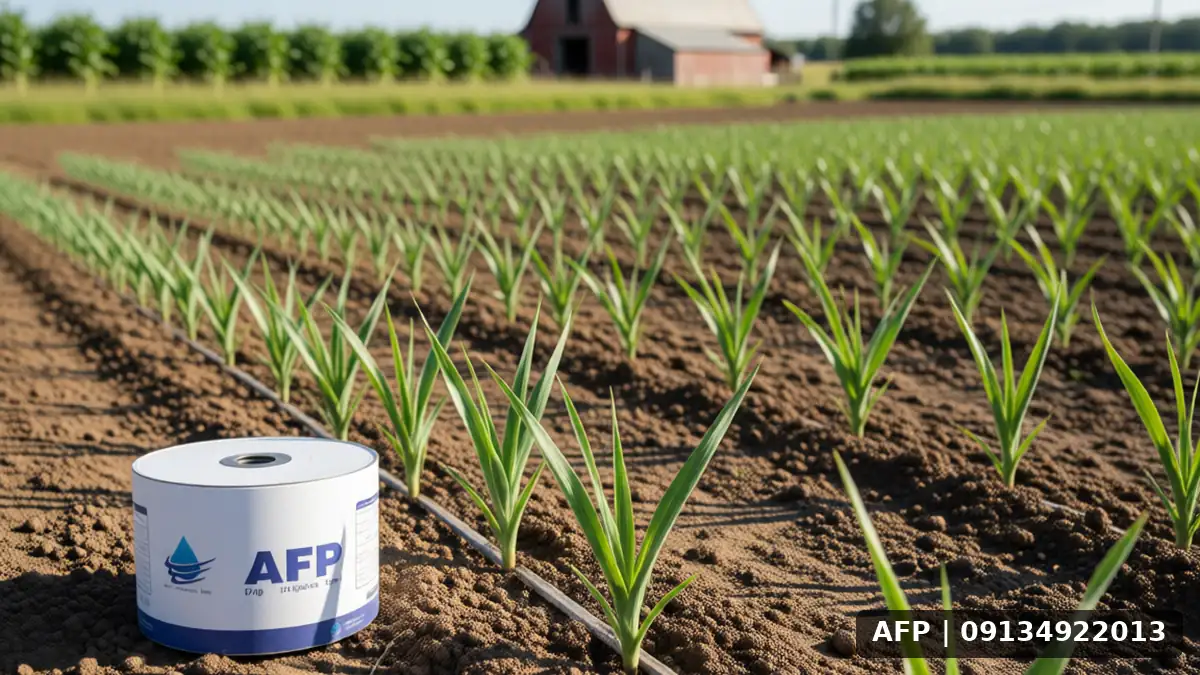
Common challenges and technical solutions
One of the main challenges in sub-surface irrigation is the clogging and blockage of tapes. Always use appropriate filters (such as 120-mesh screen filters) and apply biological biocides to prevent bacterial growth within the underground tapes. Also, if the field has a slope, pressure at the lower end of the system will be higher than at the upper end. To maintain uniform performance, use pressure reducing valves (PRV) in the lower zones to prevent excessive pressure and bursting of tapes. If you need to increase overall field efficiency through changes in tonnage, you can review the factors that increase harvest yield per hectare yield increase strategies.
Frequently Asked Questions (FAQ)
Is sub-surface irrigation suitable for chives in clay soils?
Clayey soils have low permeability. Under these conditions, subsurface irrigation should be applied very slowly with smaller but more frequent doses to allow water to infiltrate and prevent local waterlogging. Otherwise, the root zone will suffocate.
Can the drip line be placed directly under the onion planting furrow?
No. Placing the line directly under the planting furrow causes water to spray directly on the stems and basal leaves, increasing the risk of disease and rot. It is recommended to maintain a distance of 50 to 100 cm from the planting furrow to ensure more uniform moisture distribution.
Is subsurface irrigation as expensive as pressurized drip irrigation?
No, in the long term, due to reduced evaporation intensity, decreased need for re-pumping (due to better system efficiency), and lower energy consumption, the costs of subsurface irrigation are generally more competitive or even cheaper than surface and spray methods. For a general comparison of costs and returns, study Yield of wheat per hectare It can provide a more logical economic perspective on the relationship between water management and final yield.
Summary and Final Recommendations
Scans Subsurface Irrigation of Shallots It has a direct impact on crop quality and storability. By selecting the correct depth of 20 to 25 centimeters, precisely managing pressure, and keeping drip lines clean, you can manage the complete shallot growth cycle with minimal water stress and maximum root establishment efficiency. Attention to installation details and regular system monitoring guarantee success in subsequent seasons. Investing in an efficient subsurface system, in addition to water savings, significantly contributes to producing a cleaner crop that is more resistant to diseases.