Subsurface Irrigation in Full Cucumber Cropping: Comparisons and Practical Insights
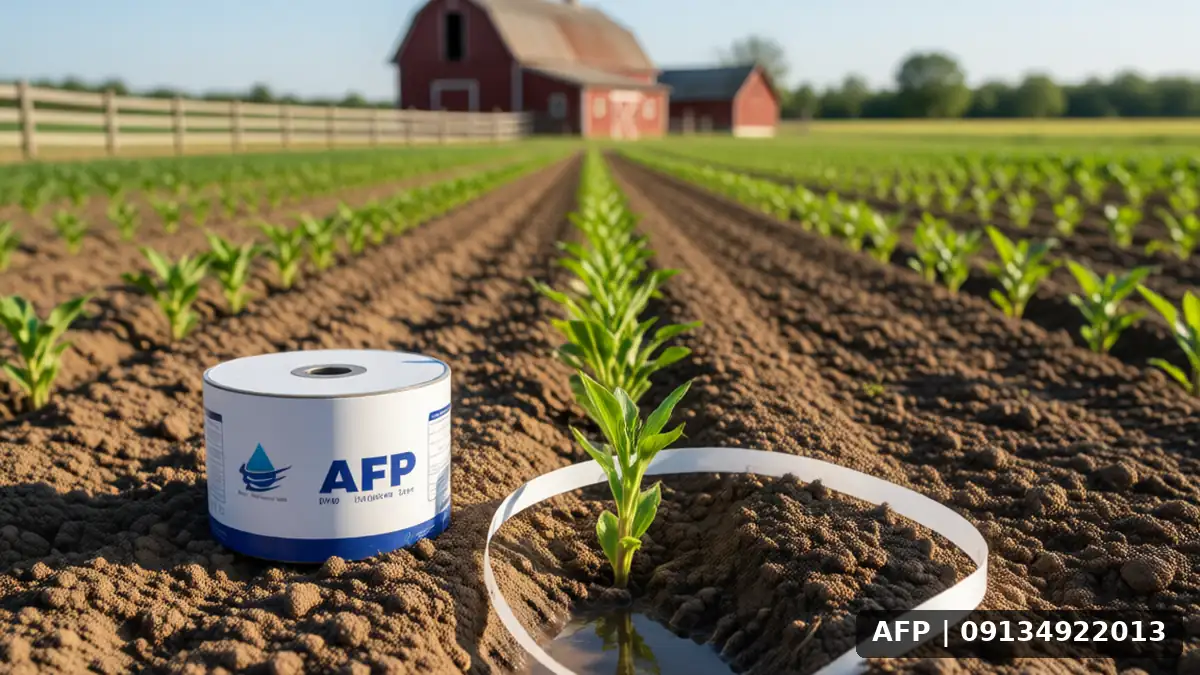
Introduction to Lathyrus Cultivation and Irrigation Challenges
Lathyrus sativus, also known as sweet pea or kalamina, is a crop suitable for diverse climatic conditions. However, proper irrigation plays a vital role in determining its yield and grain quality. Selecting the appropriate irrigation system has always been a major challenge for grain crop farmers, while irrigation practices for legumes are generally similar, kalamina requires greater precision due to its root structure and sensitivity to water stress.
Subsurface Drip Irrigation (SDI), as an innovative solution, enables the direct delivery of water to the root zone. In this section, we compare this method with surface systems such as tape drippers to determine which is more suitable for specific kalamina farm conditions.
Technical Comparison of Subsurface Irrigation with Tape Drip in Kalamina
Water Delivery Performance and Moisture Distribution
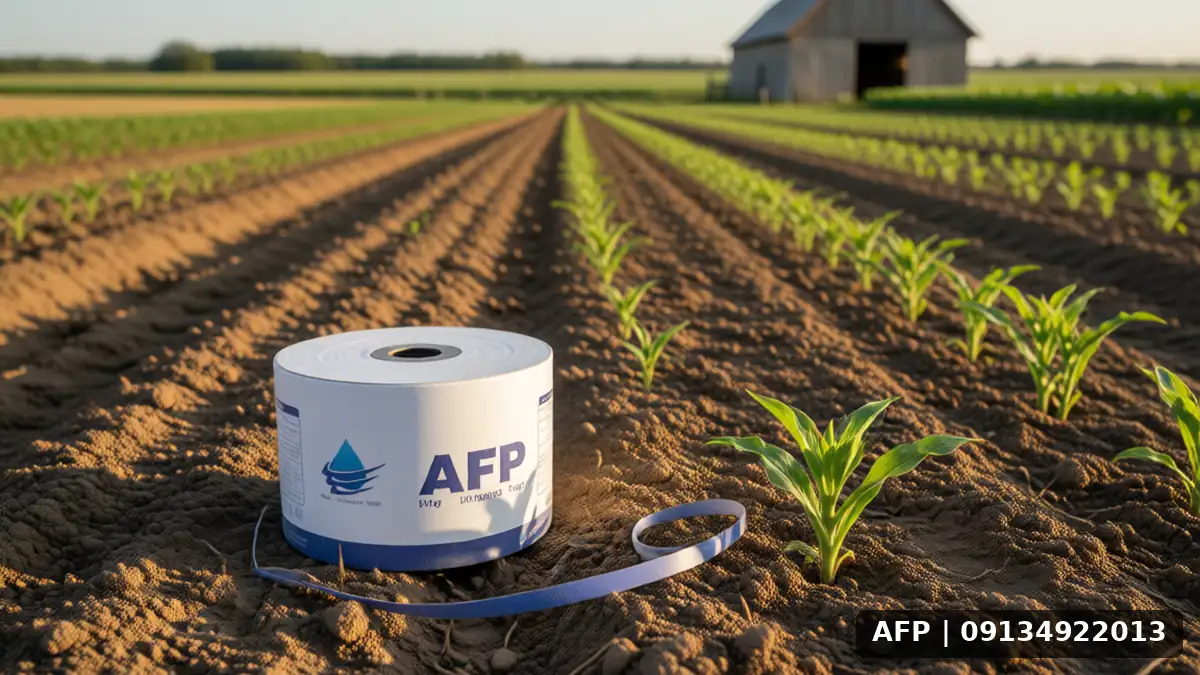
In tape drip systems, water is distributed on the soil surface and must move to depth through infiltration processes. This causes a significant portion of the water to remain in the surface strip, making it susceptible to evaporation. In contrast, Subsurface irrigation The tape is installed below the soil surface (typically 15 to 30 cm). Research has shown that this method improves the uniformity of moisture distribution at depth and reduces the dry zone at the surface in full-season corn cultivation.
For accurate performance evaluation, understanding the system’s working pressure is essential. Familiarity with measuring water pressure for drip tape can help farmers ensure appropriate pressure to prevent tape adhesion to the soil, even in subsurface systems.
Water consumption and yield comparison
- Reduced evaporation: In subsurface drip tape, evaporation is reduced to near zero because water is delivered directly to the root zone. This offers economic advantages, particularly in warm and dry regions where corn is grown.
- Increased water use efficiency: Irrigation Efficiency in SDI systems is 20-30 percent higher than surface drip irrigation.
- Impact on yield: With uniform moisture retention, melons experience less stress. This can help improve the grain-to-box ratio, similar to principles observed in Factors affecting green bean yield as well.
One of the challenges of sub-surface drip lines is selecting the type of joint and seam. Understanding the difference between parallel-welded and plaque-sealed lines is critical when purchasing lines for sub-surface installation, as parallel-welded lines generally offer better mechanical resistance to soil pressure.
Practical tips for installation and operation
Appropriate installation depth for Canol
Canol has a fibrous root system. The recommended depth for installing sub-surface drip lines for this crop is generally between 20 and 25 cm. Installing at depths greater than 30 cm may result in the main root zone falling outside the wetted area, unless the system is properly flushed.
Installation Process and Challenges
- Soil Preparation: The soil must be tilled and loose. The presence of small stones can tear the tape.
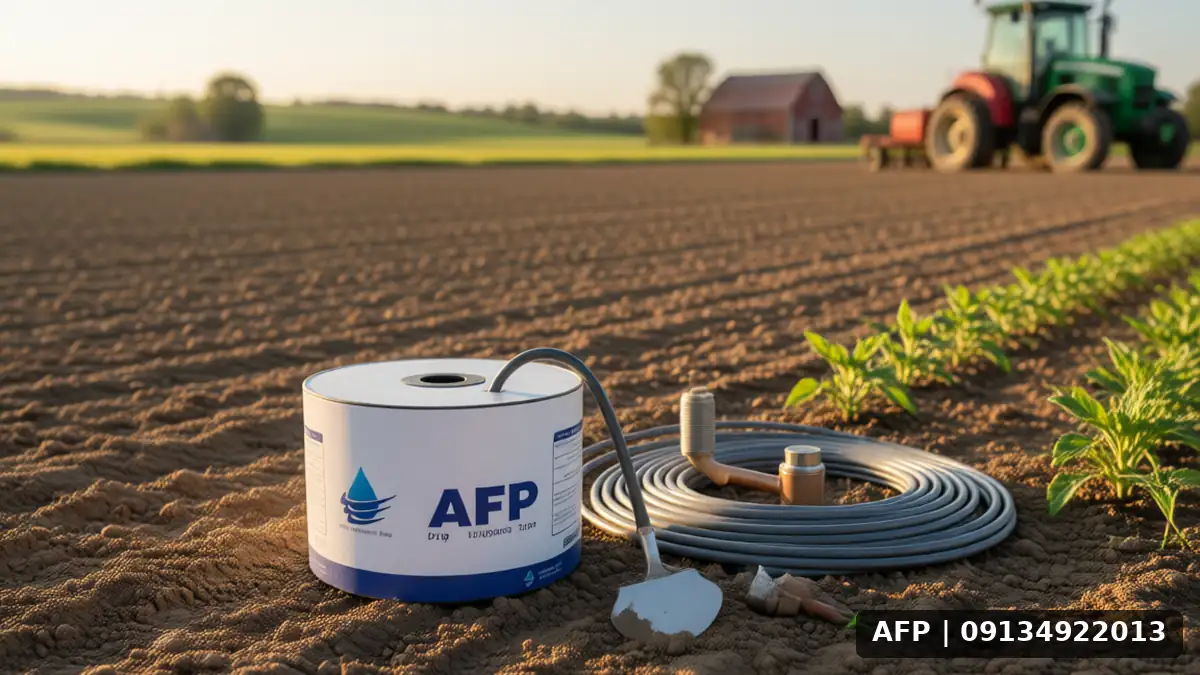
- Installation: The tape can be installed before or during planting. Simultaneous installation requires specific hydroponic injectors.
- Establishment and Protection: When planting fullers, the tape must be directly under the crop row. Do not use heavy logs that can cut the tape.
- Flushing: Before every new irrigation cycle, a strong flow from the line end (flushing) is necessary to remove soil particles from the pipe. This step is twice as important in SDI as it is in surface drip.
When designing the system, consider seed density as well. Although seed rate recommendations for marigold are a separate topic, the principle of seeding density directly affects water consumption and plant root competition, impacting irrigation network design. High seed density for calendula requires closer line spacing or higher flow rates.
Economic efficiency and risk management
Although the initial cost of subsurface irrigation is higher, the return on investment (ROI) can be achieved in 3 to 5 years due to reduced water consumption and improved crop yield. Farmers can make better decisions by comparing irrigation costs while considering the opportunity cost and value of water. For a better conceptual understanding, study on crop yield per hectare is useful, as it demonstrates the direct relationship between irrigation management and final income.
Frequently Asked Questions (FAQ)
Is sub-surface irrigation suitable for all soil conditions?
Very heavy and dense clay soils can cause the voids around the tape to close and reduce permeability. In these soils, deeper pipe placement or the use of tapes with larger emitters is recommended. Sandy soils are the best option for SDI, as water infiltrates rapidly around the tape.
Is special water filtration required for sub-surface systems?
Yes, filtration is vital. Since the tape is located underground and difficult to move, using disc filters with fine screens (120-150 microns) or electrostatic filters is essential to prevent clogging in the emitters.
If the sub-surface tape gets clogged, how should it be cleaned?
Some systems have backflush capabilities. Otherwise, appropriate acid cleaning agents (such as phosphoric acid) must be used, and the tape should be exposed to higher pressure to flush out particles. In severe cases, the tape may need to be replaced, which is very difficult in sub-surface systems; therefore, prevention through proper filtration is twice as important.
What is the impact of sub-surface irrigation on weed management?
Because surface moisture is lower, there is less favorable space for the germination of some weeds. However, if moisture levels increase at depth, deep-rooted weeds may grow. It is recommended to use mulching or pre-emergence herbicides to eliminate the need for re-tillage (which can cut the line).
Summary
The choice between sub-surface drip irrigation (SDI) and surface drip tape for corn depends on multiple factors, including soil type, water source availability, and initial budget. Sub-surface drip irrigation is a long-term, sustainable solution that provides high economic return by reducing environmental impacts and optimizing water usage. Although installation is more complex, adhering to the mentioned technical guidelines can make it a valuable asset for grain farms. It is recommended that farmers consult with irrigation specialists regarding the specific conditions of their farms and use real farm data to calculate returns before making a final decision.
Related articles: Measuring water pressure for drip tape